
Walnuts have earned their place on many holiday tables around the world — but why are they so closely associated with Christmas? The answer lies in a blend of tradition, flavor, and symbolism.
A Long-Standing European Tradition
Walnuts have been enjoyed across Europe for thousands of years. During winter months, when fresh produce was scarce, nuts became a reliable source of nutrition. They were long considered a luxurious treat, often given as gifts during festive seasons, especially Christmas.
Symbolism and Folklore
In European folklore, walnuts were thought to bring good luck, wisdom, and even fertility. Cracking open a walnut during Christmas was seen as a way to "unlock" good fortune for the coming year — breaking something hard to find the goodness hidden within.
A Perfect Match for Holiday Flavors
The rich, slightly bitter taste of walnuts pairs beautifully with many classic Christmas ingredients, such as figs, dates, honey, and blue cheese. They're also a popular addition to seasonal baked goods like spiced cakes, breads, and confections.
The Nutcracker and Holiday Culture
Tchaikovsky’s famous ballet The Nutcracker — often performed during the holiday season — has helped to cement the walnut’s status as a Christmas symbol. The decorative nutcracker figure, often shaped like a soldier or king, has become an iconic piece of Christmas décor.
A Moment of Togetherness
Gathering around a bowl of walnuts and using a nutcracker is a nostalgic tradition for many families. It’s a simple, tactile experience that brings generations together during the holidays.
Drink Pairing:
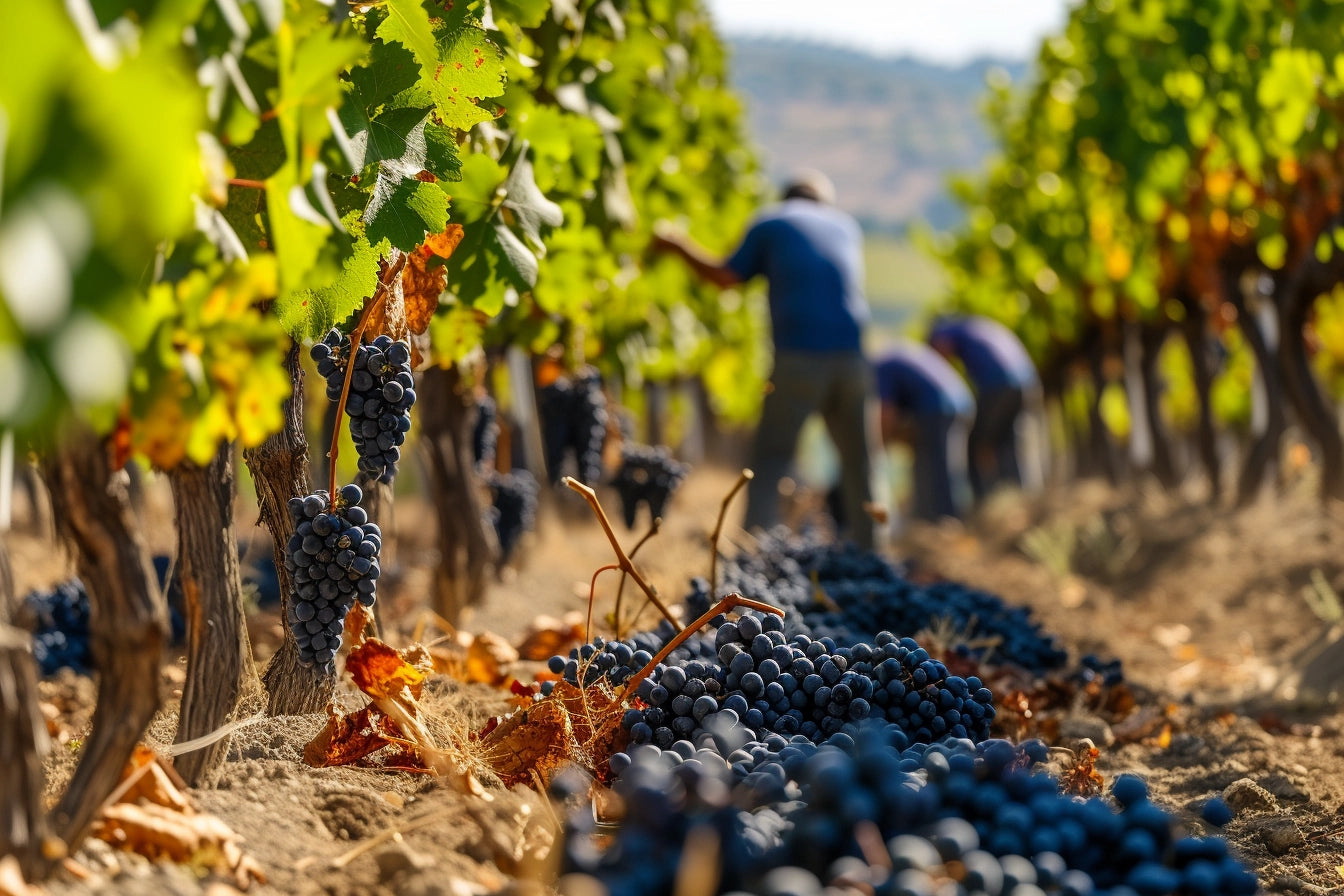
Walnuts pair exceptionally well with port wine — especially a rich, tawny port. The nuttiness in both complements each other perfectly. They also go beautifully with aged cheeses and a glass of full-bodied red wine like a Cabernet Sauvignon or a Syrah.