
How Do You Read an Italian Wine Label?
Start by identifying four details: the producer, the geographical name, the classification and the vintage. Then look for terms such as Classico, Riserva or Superiore, which provide additional information about origin, ageing or production requirements.
Italian wine labels often emphasise place rather than grape variety. A bottle may therefore show Barolo, Chianti Classico or Brunello di Montalcino prominently without explaining which grapes are used.
Find the Producer and the Wine Name
The producer’s name may appear at the top, centre or bottom of the label. Common winery terms include:
Azienda Agricola: agricultural estate
Cantina: winery or cellar
Tenuta: estate
Castello: castle or estate
Cascina: farmhouse or estate, especially common in Piedmont
A separate name may identify the individual wine or cuvée. Do not assume that the largest text is always the producer. It may instead be the appellation, region or proprietary wine name.
The back label can help clarify who produced, bottled or distributed the wine.
Identify the Region or Appellation
Geographical origin is central to understanding Italian wine. Names such as Barolo, Soave, Etna Rosso and Chianti Classico refer to regulated production areas rather than grape varieties.
The appellation can indicate:
Where the grapes were grown
Which grapes may be used
Permitted vineyard yields
Minimum alcohol levels
Required ageing periods
Other production rules
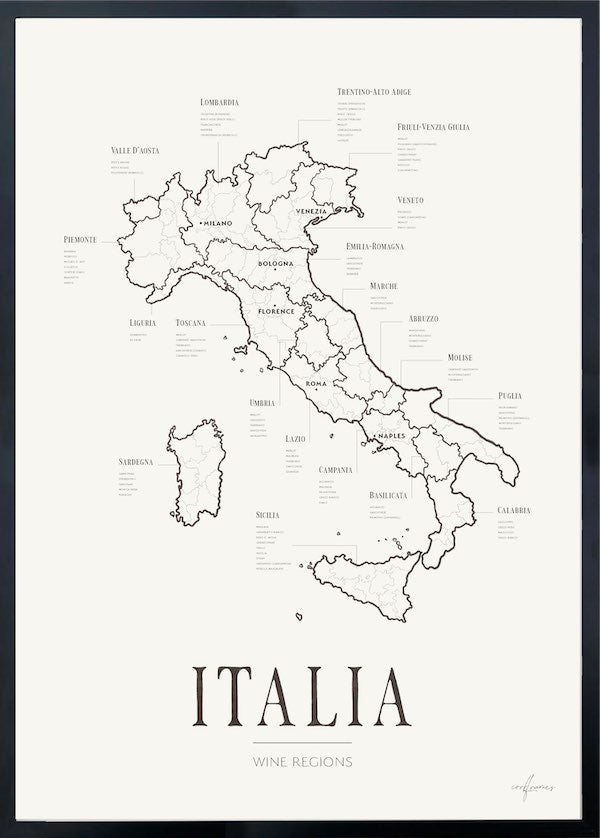
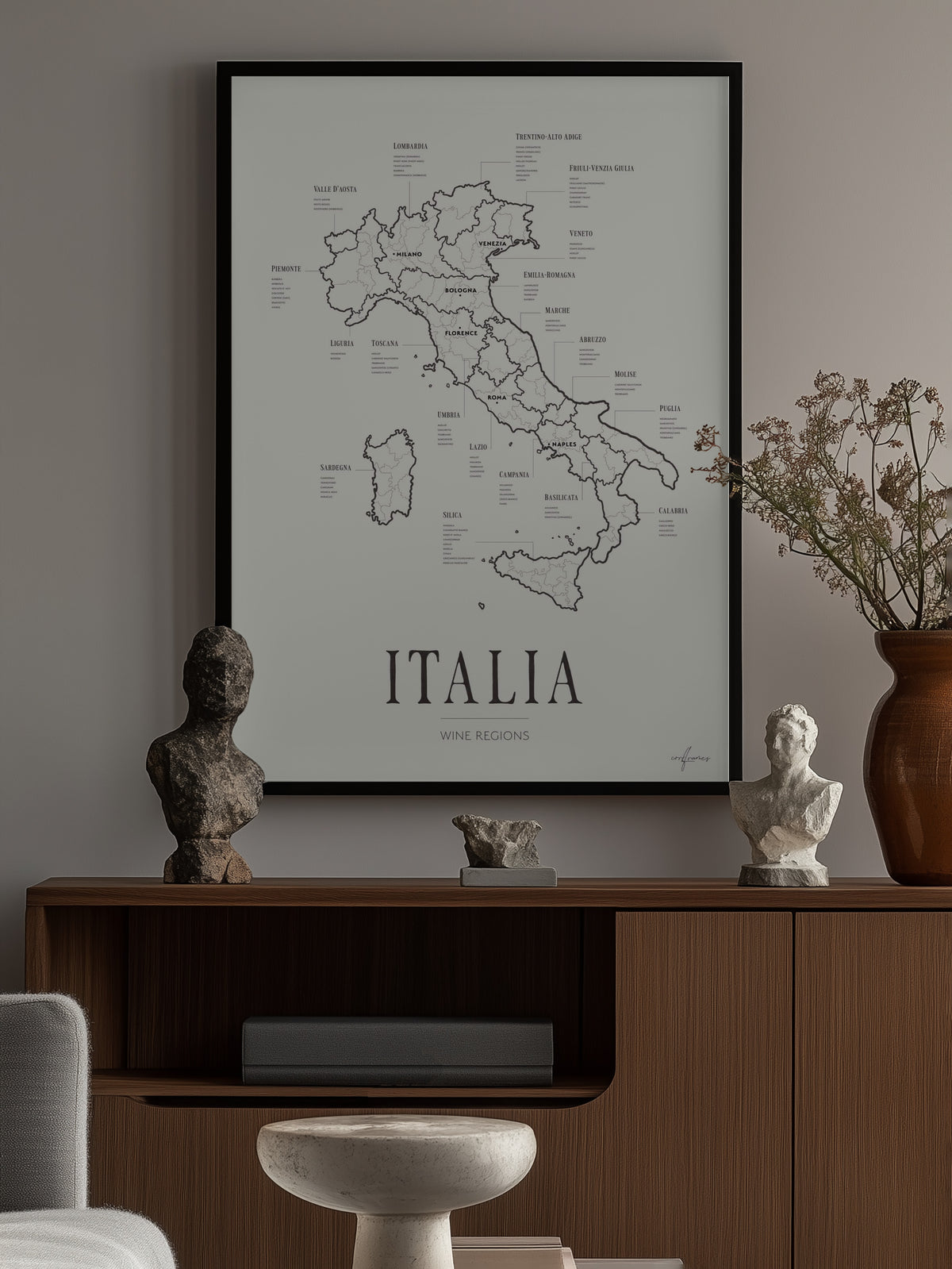
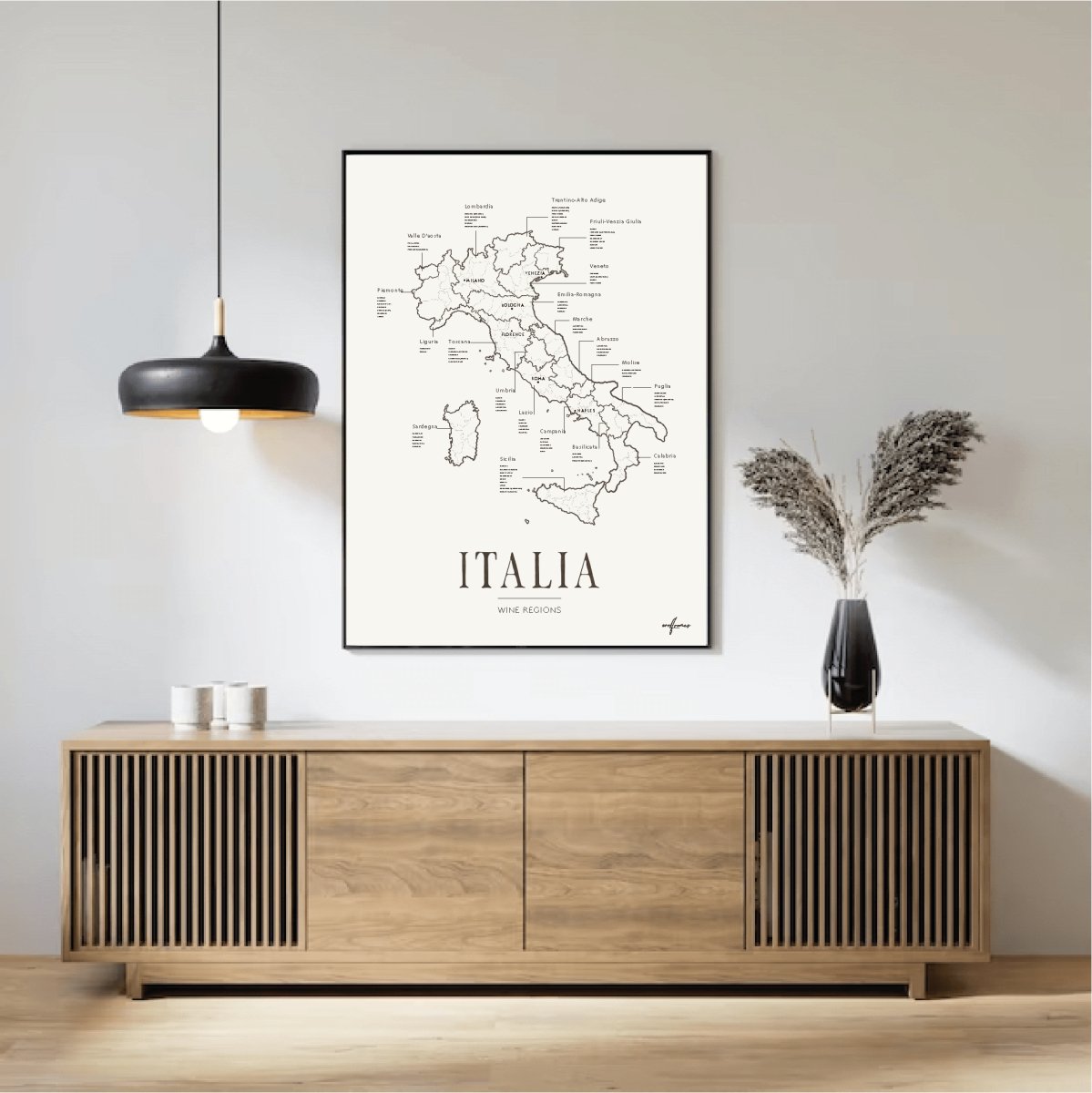
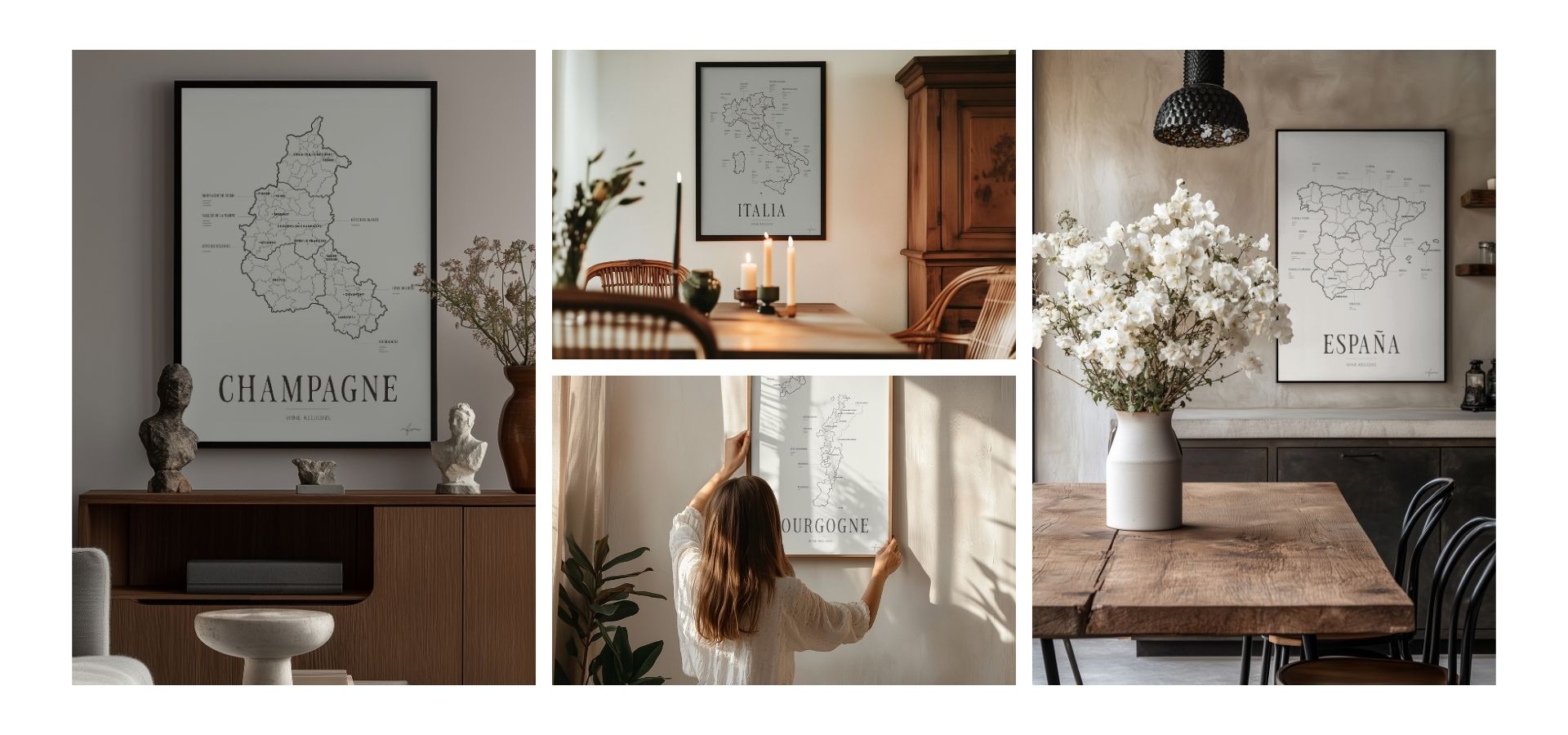
The Italia Wine Region Map provides a visual overview of Italy’s principal wine regions and helps connect the place names on labels with the country’s geography.
For a broader introduction, read Italy’s Wine Regions: A Simple Guide to Wine, Grapes and Flavour.
What Do DOCG, DOC and IGT Mean?
Italy’s classifications identify geographical origin and the regulations a wine must follow. They are useful, but they should not be treated as a simple ranking of taste or quality.
DOCG
Denominazione di Origine Controllata e Garantita applies to recognised appellations governed by detailed production rules and additional controls.
Examples include:
Barolo DOCG
Brunello di Montalcino DOCG
Chianti Classico DOCG
Prosecco Superiore DOCG
DOCG status confirms that the wine complies with the rules of that appellation. It does not guarantee that every DOCG wine will be better than every DOC or IGT wine.
DOC
Denominazione di Origine Controllata protects a defined geographical origin and establishes rules covering grapes, production area and winemaking.
Examples include Etna DOC, Soave DOC and Bolgheri DOC. The requirements differ between appellations, so DOC wines can vary considerably in style and price.
IGT
Indicazione Geografica Tipica connects a wine to a broader geographical area while generally allowing greater flexibility in grape varieties and production choices.
IGT should not be interpreted as low quality. Some highly regarded Italian wines use this category because their grape blends or methods fall outside the rules of a traditional DOC or DOCG appellation.
What Do Classico, Riserva and Superiore Mean?
These terms have regulated meanings, but the exact requirements vary between appellations.
Classico
Classico usually identifies the historic production zone within a larger appellation.
Chianti Classico, for example, comes from a defined area between Florence and Siena and is separate from the broader Chianti appellation. The term does not simply mean that the wine follows a traditional style.
Riserva
Riserva indicates that the wine has undergone a longer minimum ageing period than the standard version of the same appellation.
The required ageing time depends on the wine. Riserva does not automatically mean the wine will taste better, but it often indicates a style intended to show greater maturity or complexity.
Superiore
Superiore means that the wine must meet additional requirements defined by its appellation. These may include lower vineyard yields or a higher minimum alcohol level.
The term should always be interpreted together with the complete appellation name.
Check the Vintage, Grape and Alcohol Level
The vintage is the year in which the grapes were harvested. Weather conditions vary between years, so vintage can influence ripeness, acidity, concentration and ageing potential.
However, vintage matters more for some wines than others. Producer quality, storage and regional style are often equally important.
The grape variety may be written clearly on the label, particularly for wines such as Pinot Grigio or Nero d’Avola. Traditional appellations may rely on regional knowledge instead:
Barolo is made from Nebbiolo.
Brunello di Montalcino is made from Sangiovese.
Soave is based primarily on Garganega.
Gavi is made from Cortese.
Alcohol by volume can offer a clue to the wine’s weight and ripeness, but it cannot determine quality, sweetness or body on its own.
Use the Back Label for Practical Information
The back label often contains details that are easier to interpret than the front, including:
Grape varieties
Producer and bottler
Place of bottling
Alcohol content
Allergens
Importer information
Serving or food-pairing suggestions
Pay attention to whether the wine was bottled by the producer, at the estate or by another company. The producer, brand owner and bottler are not necessarily the same business.
Use Geography as Your Starting Point
The most effective way to understand an Italian wine label is to begin with origin. Identify the region or appellation, then consider the producer, classification, vintage and any additional terms.
The Italia Wine Region Map helps connect names such as Piedmont, Veneto, Tuscany and Sicily with their locations and regional wine traditions. Once the geography becomes familiar, Italian labels become significantly easier to interpret.
Frequently Asked Questions
Is DOCG always better than DOC?
No. DOCG indicates that a wine follows the regulations and controls of a recognised appellation. Producer, vineyard, vintage, storage and personal preference still influence quality and enjoyment.
Why is the grape missing from some Italian wine labels?
Many traditional Italian wines are named after their place of origin rather than the grape. The appellation rules determine which varieties may be used, so regional knowledge helps explain what is inside the bottle.
What is the difference between Classico and Riserva?
Classico normally identifies the historic production area within an appellation. Riserva indicates longer required ageing than the standard wine. A bottle may carry either term or, where permitted, both.
Explore the map: Italia Wine Region Map — our detailed map of Italy's wine regions.