
How Do You Pair Wine With Cheese?
To pair wine with cheese, match their intensity and use acidity, sweetness or bubbles to balance fat and salt. Fresh cheeses generally suit light, acidic wines, while mature hard cheeses can handle fuller and more structured styles.
The cheese’s texture, age and flavour are usually more important than whether the wine is red or white.
Three useful principles are:
Match delicate cheese with delicate wine.
Choose acidity or bubbles for rich, creamy cheese.
Pair salty or blue cheese with a wine that has some sweetness.
Which Wine Goes With Fresh Cheese?
Fresh cheeses have high moisture, mild flavours and little or no ageing. Examples include mozzarella, ricotta, burrata, feta and fresh goat cheese.
They generally pair best with crisp wines that have refreshing acidity:
Sauvignon Blanc with fresh goat cheese
Albariño with feta
Pinot Grigio with mozzarella
Dry rosé with ricotta
Brut sparkling wine with burrata
Sauvignon Blanc and goat cheese are a reliable combination because the wine’s acidity complements the cheese’s fresh, tangy character. Powerful red wines are usually less suitable, as their tannins can overwhelm delicate cheeses.
What Wine Goes With Brie and Camembert?
Brie, Camembert and other bloomy-rind cheeses have soft textures and flavours ranging from mild and buttery to earthy and mushroom-like.
Good pairings include:
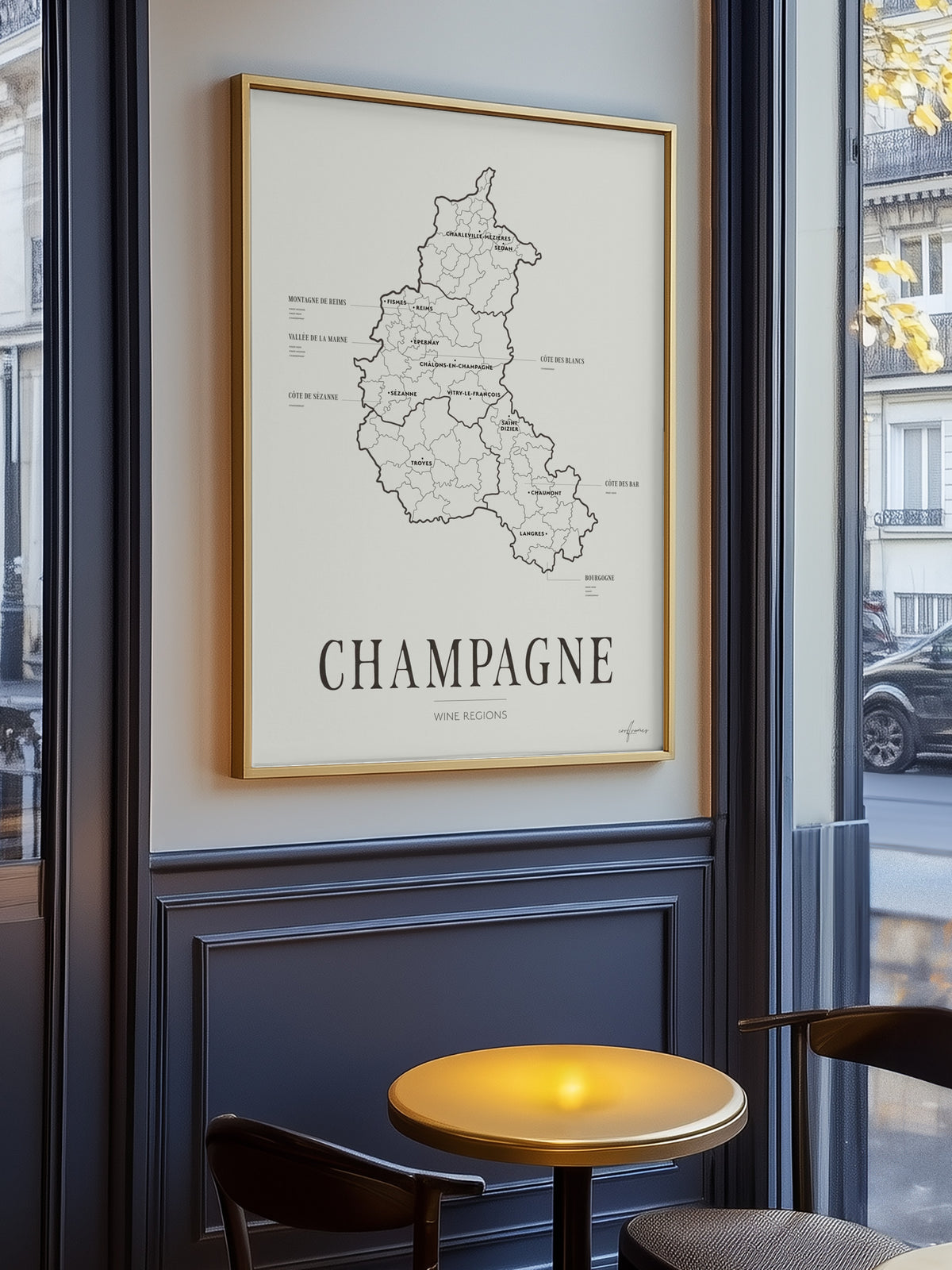
Champagne or Crémant
Chardonnay with fresh acidity
Chenin Blanc
Light Pinot Noir
Dry cider as a non-wine alternative
Sparkling wine works particularly well because its acidity and bubbles refresh the palate after each creamy bite.
A light Pinot Noir can complement the earthy character of a mature Camembert, but highly tannic reds may make soft-ripened cheese taste bitter or metallic.
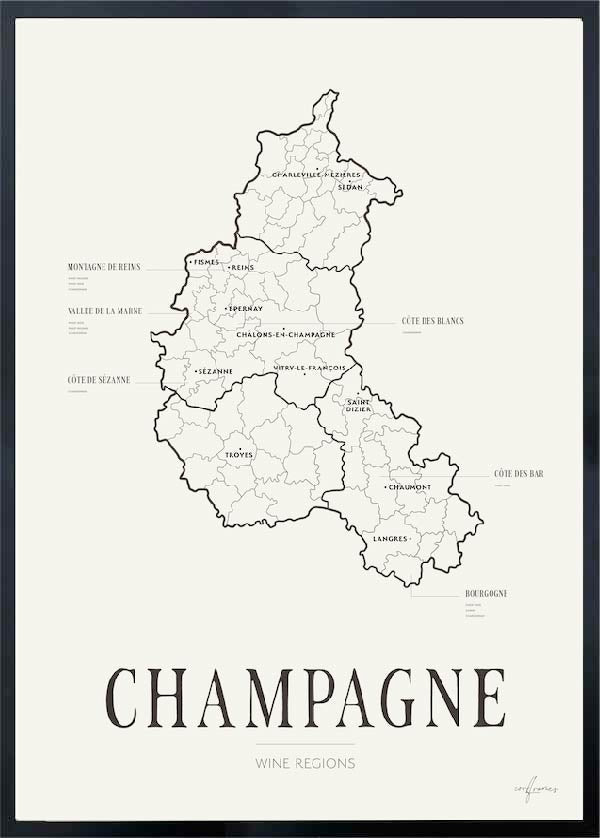
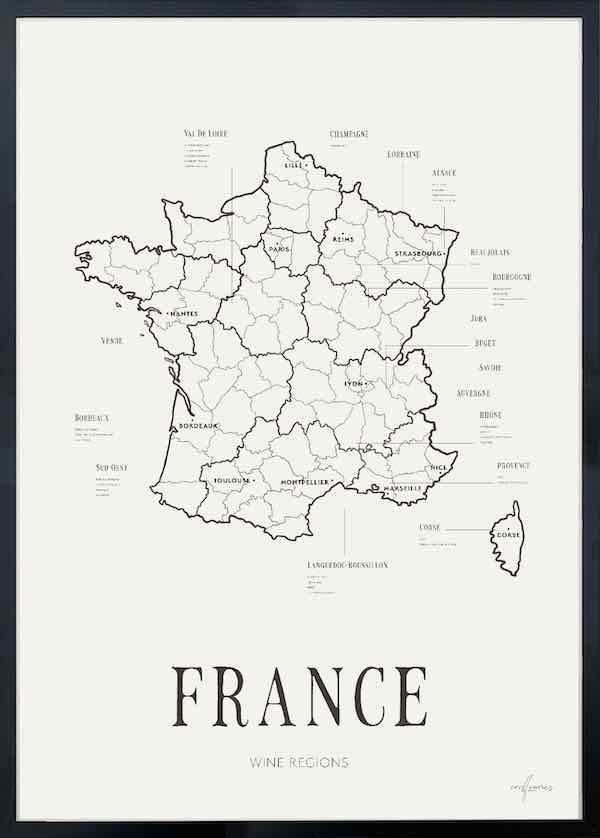
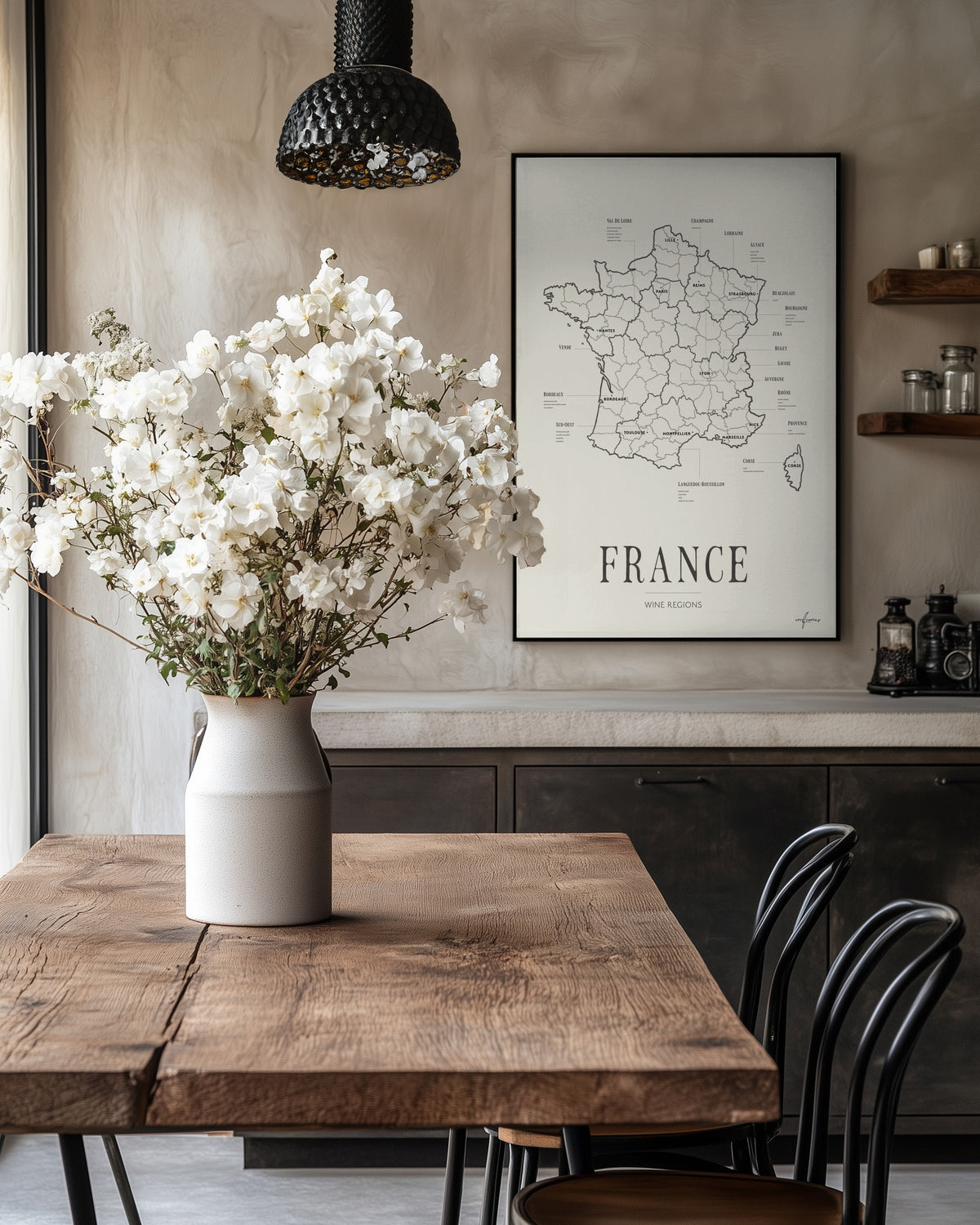
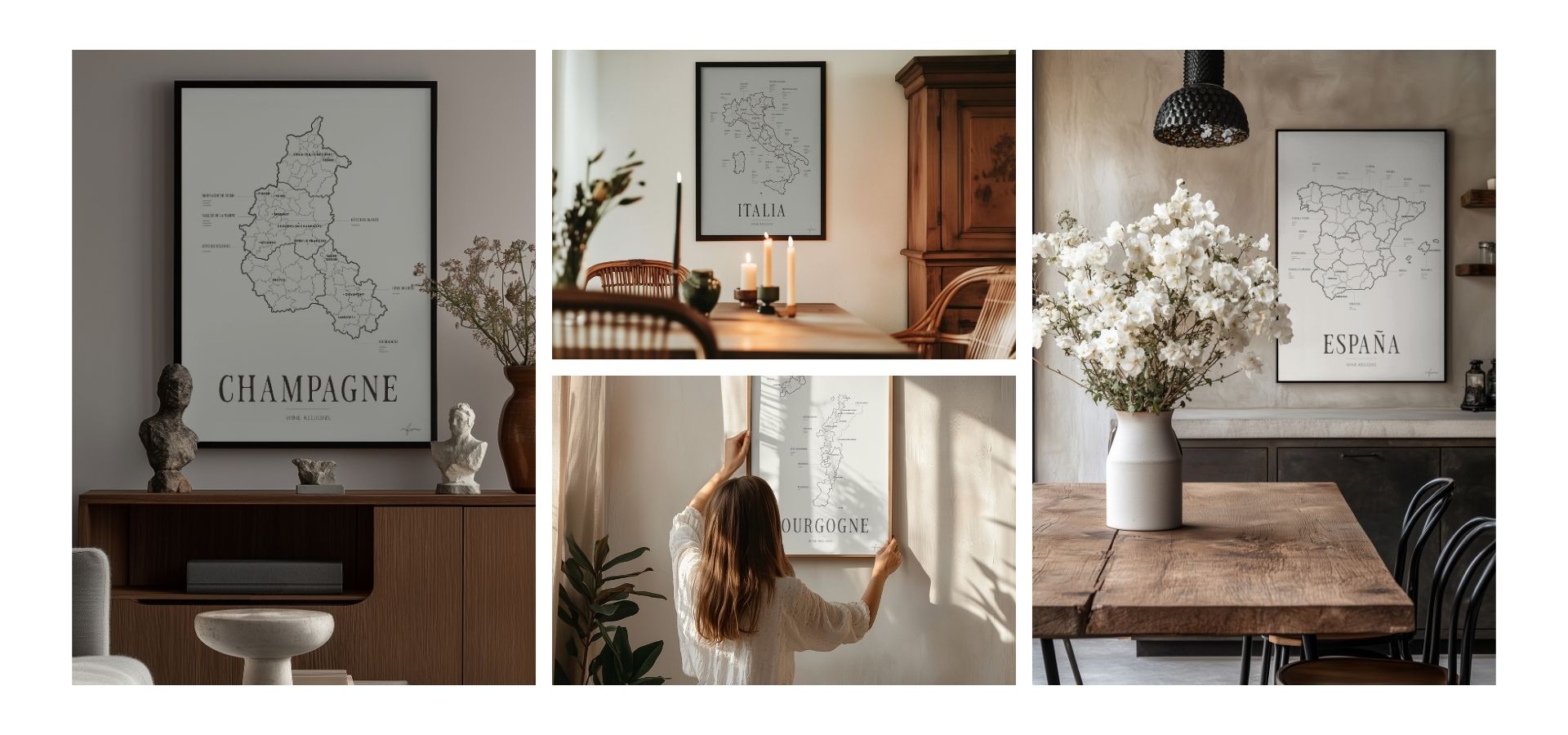
Explore the France Wine Region Map to discover the regions behind Champagne, Crémant, Chardonnay and Pinot Noir.
Which Wines Pair With Hard and Aged Cheese?
Hard cheeses lose moisture and develop more concentrated flavours as they mature. Examples include Cheddar, Comté, Gruyère, Manchego, aged Gouda, Pecorino and Parmigiano-Reggiano.
Their nutty, salty and savoury character can handle wines with greater structure:
Mature Cheddar with Cabernet Sauvignon
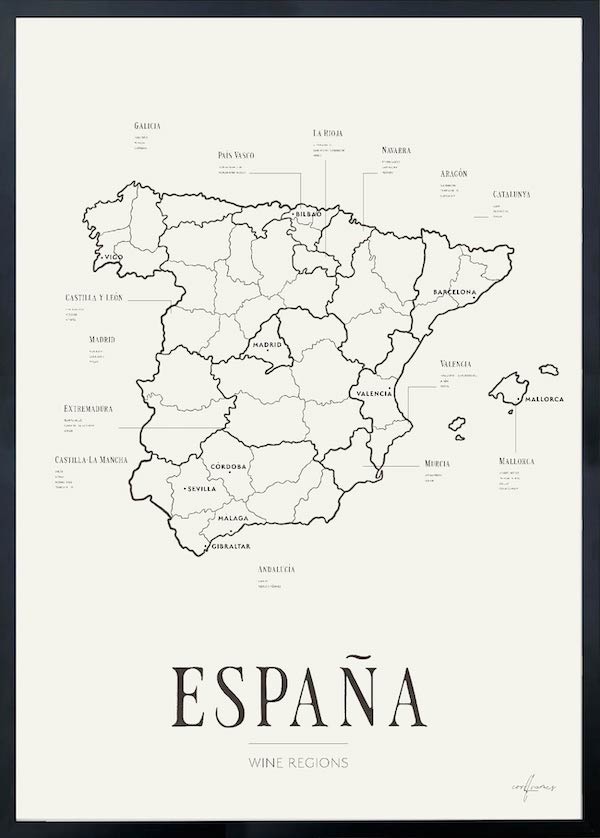
Manchego with Rioja
Comté with Chardonnay
Parmigiano-Reggiano with Chianti Classico
Aged Gouda with Tawny Port
Pecorino with Sangiovese
Hard cheeses are among the easiest styles to pair because they work with both structured whites and medium- to full-bodied reds.
The wine does not always need to be powerful. Mature Comté, for example, can work beautifully with Chardonnay or an oxidative white wine from Jura.
What Wine Is Best With Blue Cheese?
Blue cheeses such as Roquefort, Stilton and Gorgonzola are salty, intense and often creamy. Sweet wines usually create better balance than dry, tannic reds.
Classic combinations include:
Sauternes with Roquefort
Port with Stilton
Sweet Riesling with Gorgonzola
Tokaji with creamy blue cheese
Late-harvest Chenin Blanc with milder blue cheese
The wine should generally be at least as sweet as the food. Sweetness softens the cheese’s saltiness, while the wine’s acidity prevents the pairing from feeling heavy.
A mild blue cheese may also work with dry sparkling wine, but stronger examples usually need greater sweetness or concentration.
What Should You Serve With Washed-Rind Cheese?
Washed-rind cheeses include Époisses, Taleggio, Munster and Reblochon. They are known for their strong aromas, soft textures and savoury flavours.
Suitable pairings include:
Champagne with Époisses
Gewürztraminer with Munster
Barbera with Taleggio
Pinot Noir with Reblochon
Dry cider with softer washed-rind cheeses
These cheeses often work better with aromatic white wines, sparkling wines or lighter reds than with heavily tannic styles.
The wine needs enough character to match the cheese without increasing its bitterness or making the combination feel too heavy.
Should Wine and Cheese Come From the Same Region?
Pairing wine and cheese from the same region is a useful starting point, but it is not a fixed rule. Regional combinations often reflect food traditions that have developed together over time.
Examples include:
Sancerre with Loire Valley goat cheese
Chianti Classico with Pecorino Toscano
Rioja with Manchego
Burgundy Chardonnay with Époisses
Port with mature blue cheese
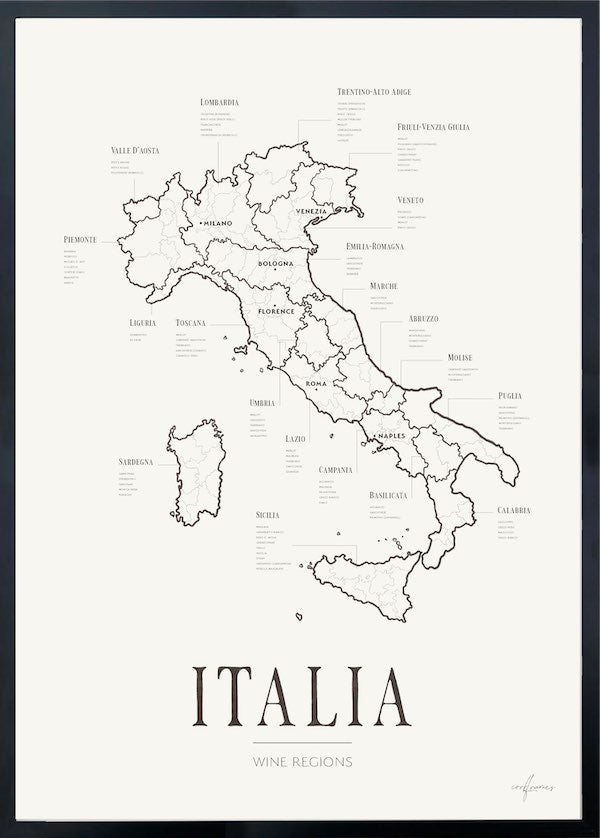
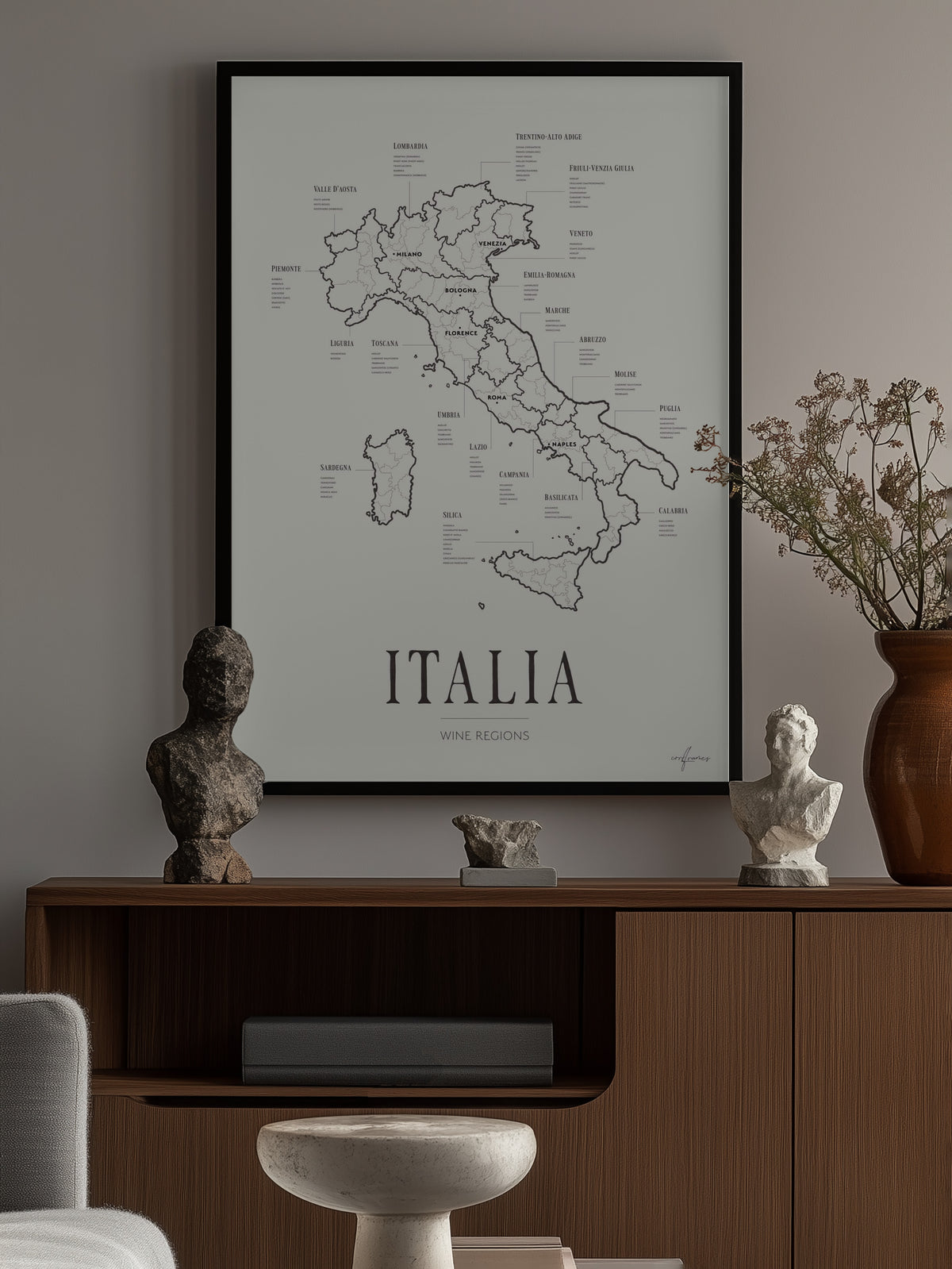
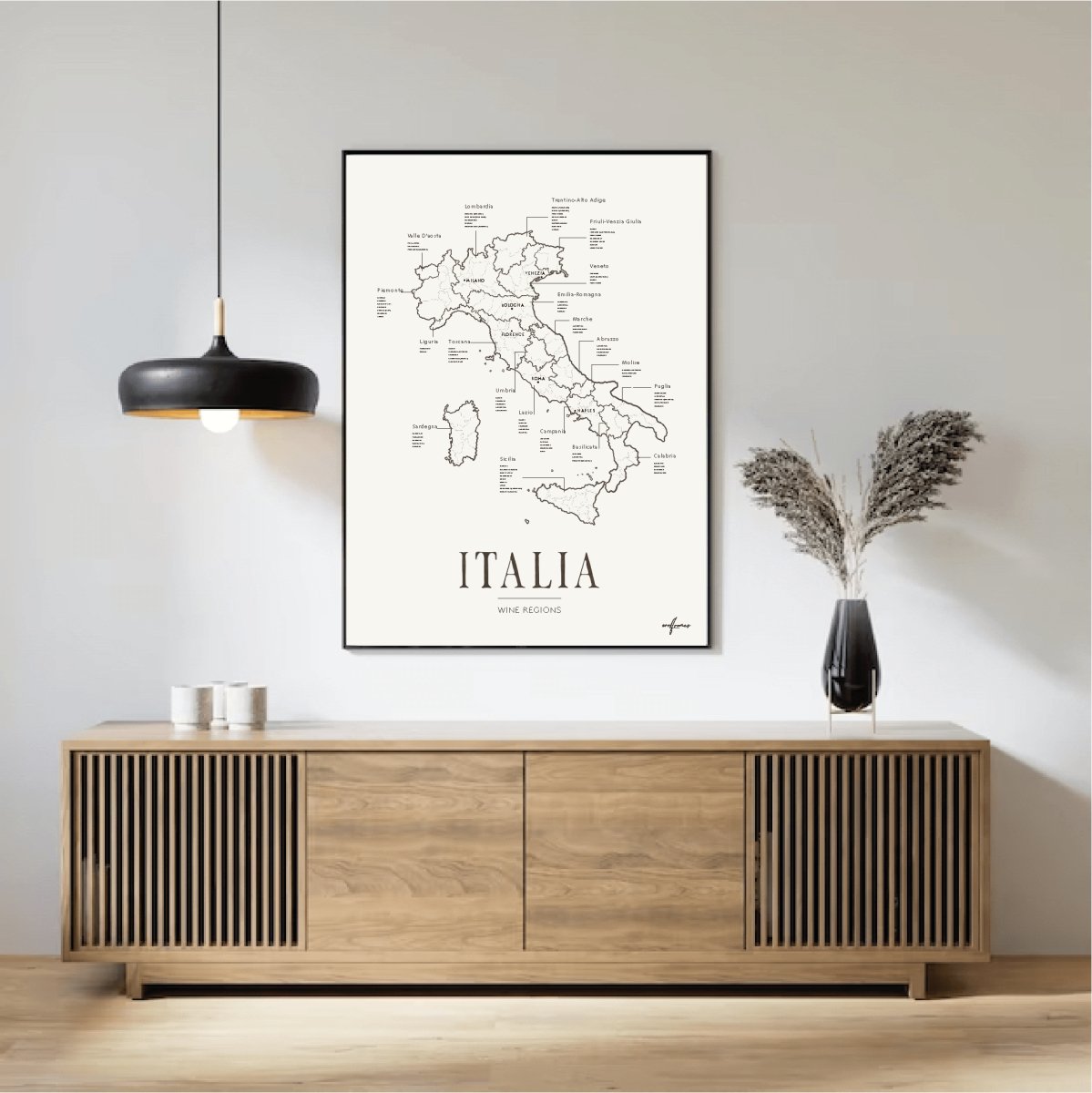
Corkframes’ Wine Maps Collection can help connect wines with their geographical origins and provide inspiration for regional tasting themes.
A Simple Wine and Cheese Pairing Formula
When choosing wine for an unfamiliar cheese, begin with its texture and intensity:
Fresh and tangy: crisp white wine
Soft and creamy: sparkling wine or fresh Chardonnay
Firm and nutty: structured white or medium-bodied red
Hard and mature: fuller wine with matching intensity
Blue and salty: sweet or fortified wine
Washed-rind and pungent: aromatic white, sparkling wine or light red
Serve cheese slightly below room temperature rather than directly from the refrigerator. Taste the wine and cheese separately first, then together.
The most successful pairing is the one in which neither element overwhelms the other.
Frequently Asked Questions
Is red or white wine better with cheese?
Neither is universally better. White wines often have the acidity needed for fresh and creamy cheeses, while selected red wines work well with firm and aged varieties. The cheese’s texture and intensity should guide the choice.
What wine works with several different cheeses?
Brut sparkling wine is one of the most versatile choices because its acidity and bubbles suit fresh, creamy and moderately aged cheeses. A fresh Pinot Noir can also work across several semi-soft and firm styles.
How many cheeses should be served at a tasting?
Three to five cheeses usually provide enough variety without overwhelming the palate. Choose different textures and intensities, and serve them from mildest to strongest.