

Champagne, Prosecco and Cava Explained
Champagne, Prosecco and Cava may look similar in the glass, but they are distinct wines with different origins, production methods and flavour profiles.
The main differences come down to four things:
Where the wine is produced
Which grapes are used
How the bubbles are created
The style and complexity of the finished wine
Understanding these differences makes it easier to choose the right sparkling wine for an aperitif, dinner, celebration or gift.
What Is Champagne?
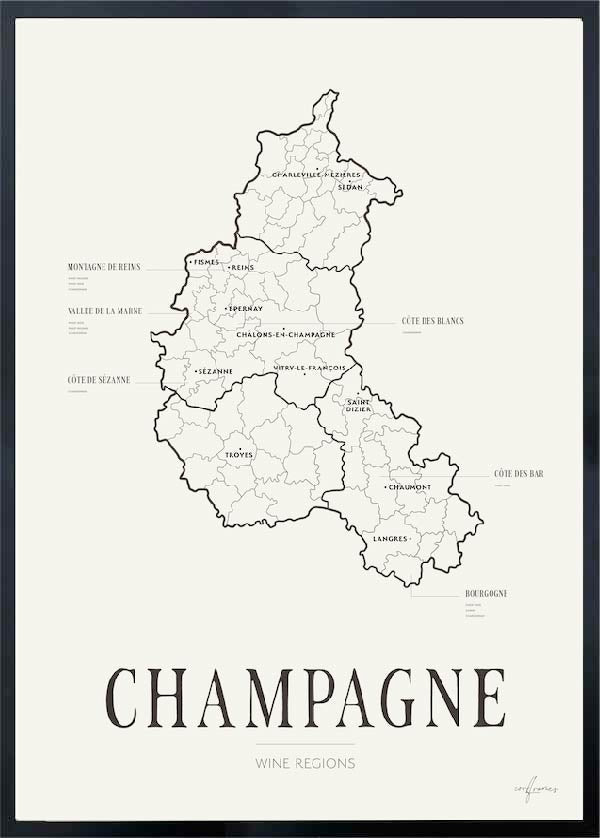
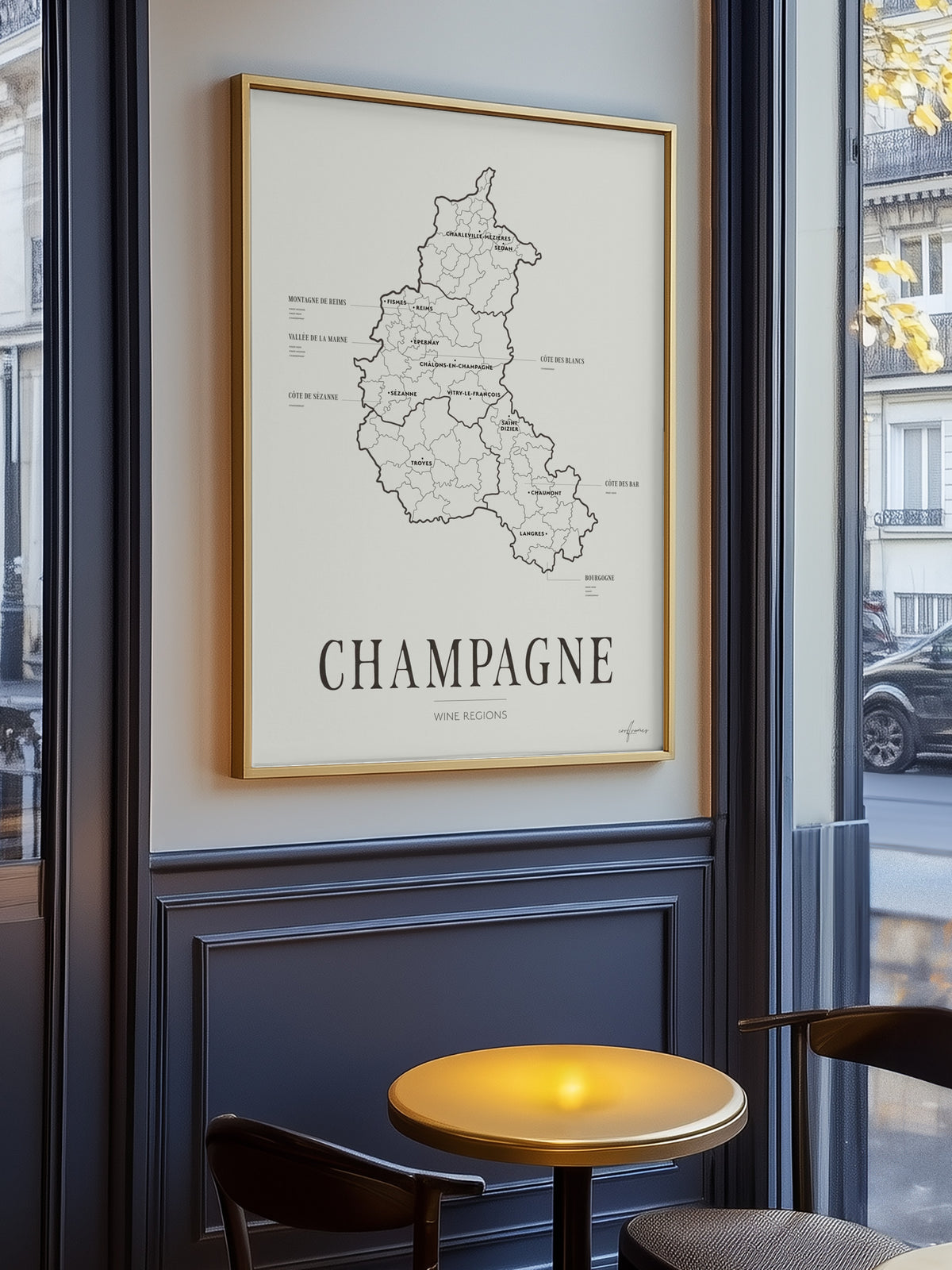
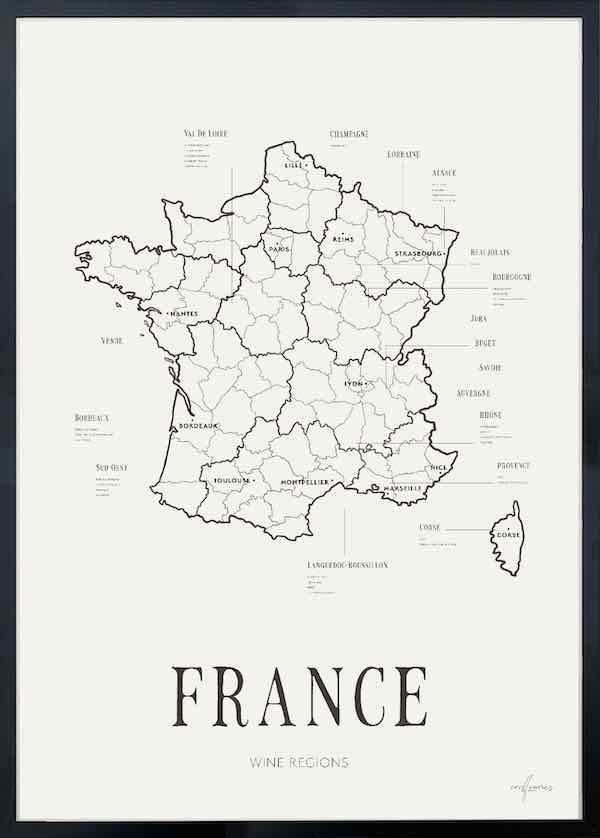
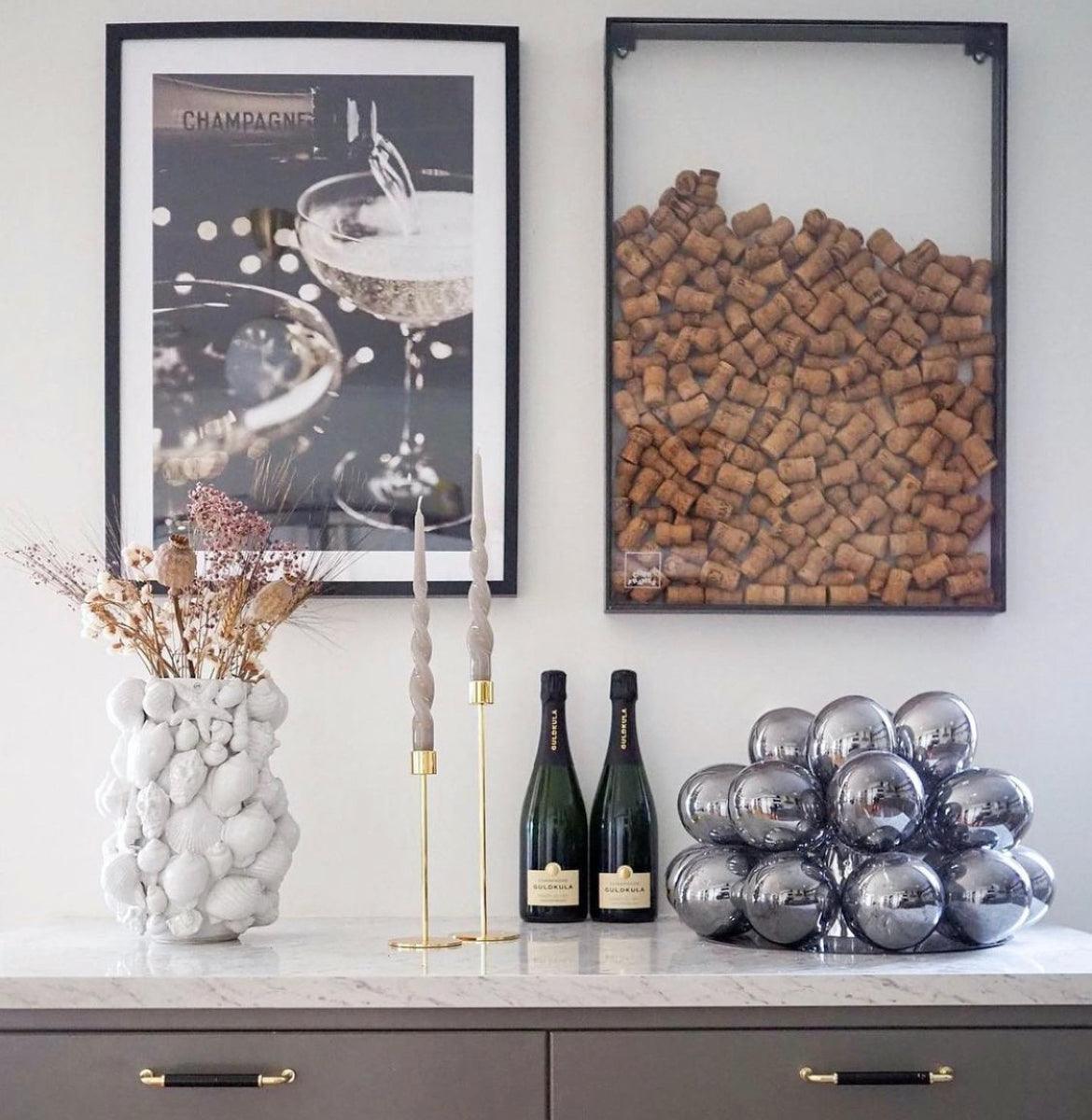
Champagne comes exclusively from the Champagne region of north-eastern France. Sparkling wine made elsewhere cannot legally use the name Champagne.
The principal grape varieties are:
Chardonnay
Pinot Noir
Meunier
Champagne is produced using the traditional method. The second fermentation, which creates the bubbles, takes place inside the individual bottle. The wine then rests in contact with the spent yeast cells, known as lees, before disgorgement.
This process can create flavours such as:
Citrus
Green apple
Brioche
Toast
Almond
Chalk or mineral notes
Champagne styles vary considerably, from light and precise Blanc de Blancs to fuller Pinot Noir-led blends and vintage wines designed for ageing.
Explore the Champagne Wine Map to see how the region’s principal vineyard areas and villages relate to one another.
What Is Prosecco?
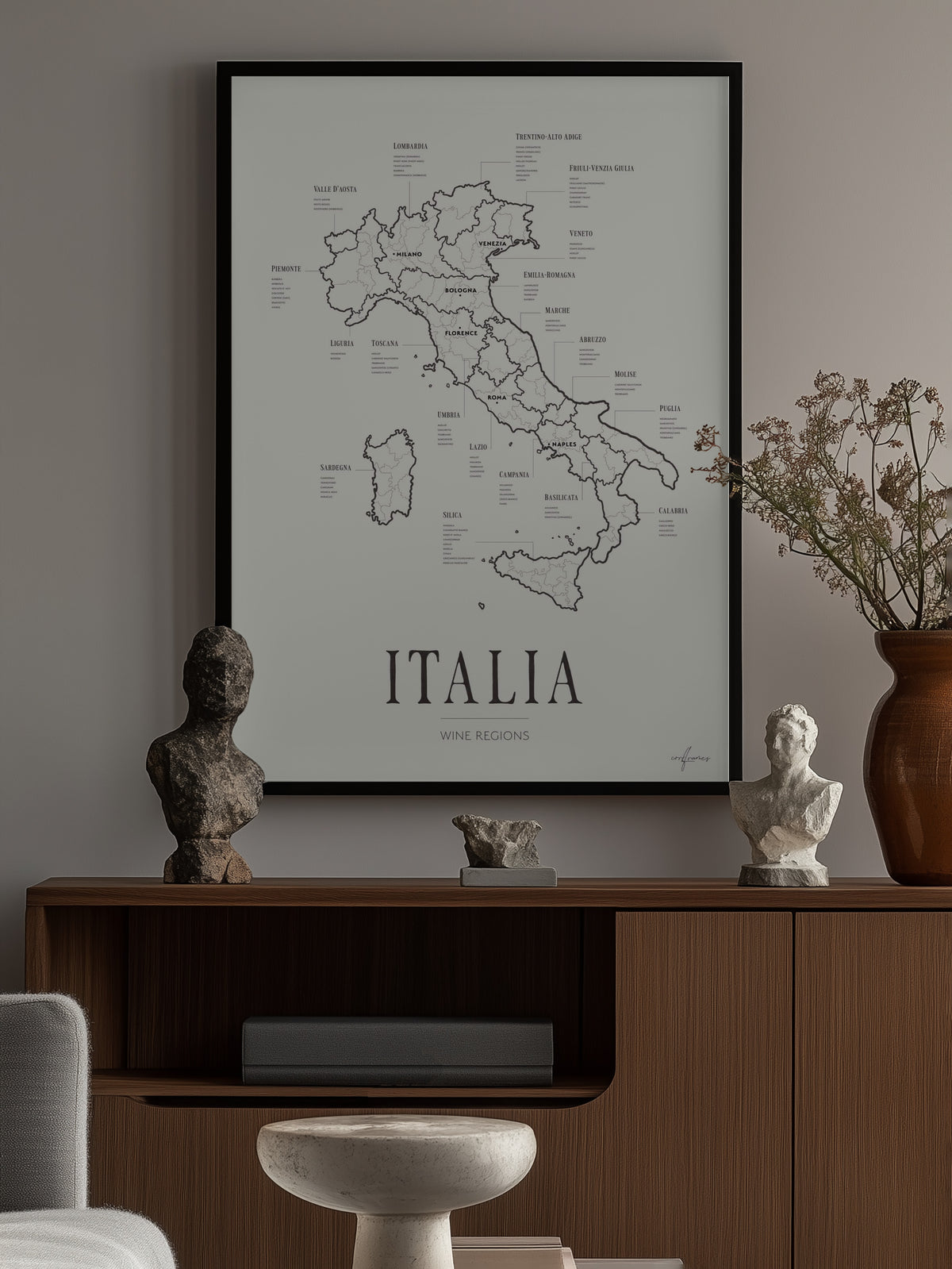
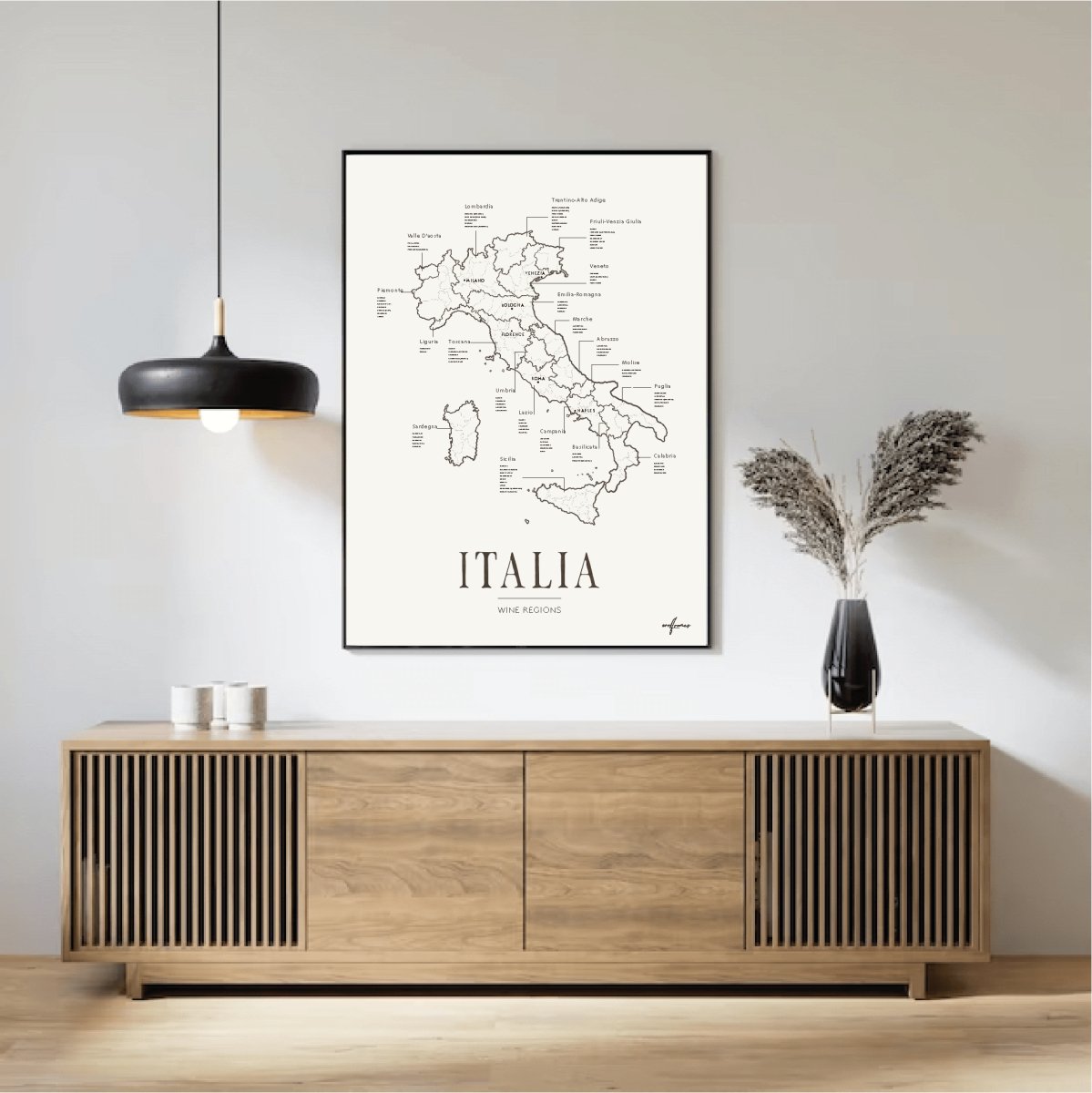
Prosecco is produced in north-eastern Italy, mainly in Veneto and Friuli-Venezia Giulia. It is made primarily from the Glera grape.
Most Prosecco is produced using the tank method, also known as the Charmat or Martinotti method. The second fermentation takes place in a pressurised tank rather than in each bottle.
This method helps preserve fresh and fruity aromas. Typical flavours include:
Pear
Green apple
Peach
Melon
White flowers
Prosecco is generally lighter, fruitier and less yeasty than Champagne. It is often served as an aperitif and is widely used in cocktails such as the Bellini and Aperol Spritz.
The highest-quality examples often come from the hilly areas around Conegliano and Valdobbiadene, where Prosecco Superiore DOCG is produced.
What Is Cava?
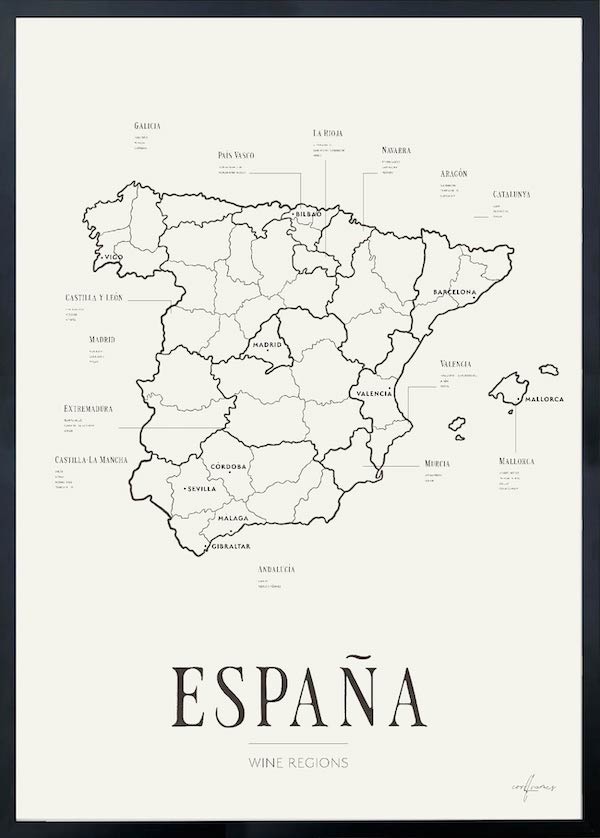
Cava is a Spanish sparkling wine produced mainly in Catalonia, although the protected designation covers several approved areas.
Traditional local grapes include:
Macabeo
Xarel·lo
Parellada
Chardonnay and Pinot Noir may also be used in certain styles.
Like Champagne, Cava is normally made using the traditional method, with the second fermentation taking place in the bottle. This can create greater complexity than is commonly found in tank-method sparkling wines.
Typical Cava flavours include:
Lemon
Apple
Dried herbs
Almond
Toast
Mineral notes
Young Cava can be fresh and straightforward, while longer-aged categories may develop deeper nutty and savoury flavours.
Production Method: The Most Important Difference
The production method has a major effect on flavour and texture.
Champagne and Cava
Both are generally made using the traditional method. The wine develops inside the bottle and spends time in contact with the lees.
This can produce:
Finer bubbles
More texture
Toasty or nutty flavours
Greater ageing potential
Prosecco
Most Prosecco is produced in a pressurised tank.
This usually creates:
Fresh fruit flavours
Floral aromas
A softer, more immediate style
Less bread-like complexity
Neither method is automatically better. They are designed to produce different types of sparkling wine.
Which One Tastes the Sweetest?
The perceived sweetness depends on both the dosage and the natural fruit character of the wine.
Prosecco often tastes fruitier and softer, even when labelled Brut. Champagne and Cava may feel drier because of their acidity, mineral character and lees-derived flavours.
Common sweetness terms include:
Brut Nature: extremely dry
Extra Brut: very dry
Brut: dry and widely available
Extra Dry: slightly sweeter than Brut
Dry: noticeably sweeter
Confusingly, “Extra Dry” is sweeter than “Brut”.
Always check the style on the label rather than assuming all sparkling wines taste the same.
Champagne, Prosecco or Cava With Food?
Choose Champagne for:
Oysters and shellfish
Fried food
Smoked salmon
Poultry
Aged cheese
Special dinners
Its acidity and complexity make Champagne highly versatile with food.
Choose Prosecco for:
Light aperitifs
Fresh fruit
Mild cheeses
Antipasti
Brunch
Spritz-style cocktails
Its fruity character works best with lighter dishes and informal occasions.
Choose Cava for:
Tapas
Jamón
Fried seafood
Grilled vegetables
Manchego
Rice dishes
Cava often offers enough freshness and savoury character to work well throughout a meal.
Which Sparkling Wine Should You Choose?
Choose Champagne when you want complexity, fine bubbles and a wine connected to a prestigious region.
Choose Prosecco when you want something fresh, fruity and easy to serve as an aperitif or in a cocktail.
Choose Cava when you want traditional-method character, food-friendly acidity and often strong value for money.
Price alone does not determine quality. Producer, vineyard origin, ageing and category matter within all three styles.
Corkframes’ Wine Maps Collection can help you explore the regions behind many of Europe’s most influential wines.
Frequently Asked Questions
Is Prosecco a type of Champagne?
No. Prosecco is an Italian sparkling wine, while Champagne can only come from the Champagne region of France.
Is Cava made in the same way as Champagne?
Usually, yes. Both are generally produced using the traditional method, with the second fermentation taking place in the bottle.
Which is sweeter: Champagne or Prosecco?
Prosecco often tastes fruitier and softer, but actual sweetness depends on the dosage category shown on the label.
Which sparkling wine is best with food?
Champagne and Cava are particularly versatile with food, while Prosecco works well with lighter dishes, aperitifs and cocktails.
Explore the map: Champagne Wine Map — our detailed map of the five Champagne districts.