
How to Create a Home Wine Bar
A home wine bar can be created in a kitchen corner, on a sideboard or in a dedicated room. The key is to plan the space around how you actually enjoy wine.
Some people need a practical place for opening and serving bottles. Others want to display a growing collection or create an inviting setting for wine tastings and dinners. Begin with the essentials, then add storage and decoration that suit the available space.
Home Wine Bar Ideas for Small Spaces
A compact wine bar does not require a separate room. A narrow section of wall, an unused corner or the top of a cabinet may provide enough space.
Good options include:
A small sideboard with bottle storage
A bar cart that can be moved when needed
Wall-mounted shelves for glasses and accessories
A narrow wine rack beside a dining table
A kitchen alcove or unused countertop
Keep frequently used items within reach and avoid filling every surface. One bottle opener, a decanter and a few suitable glasses are usually enough for the visible serving area. Less frequently used accessories can be stored inside a cabinet.
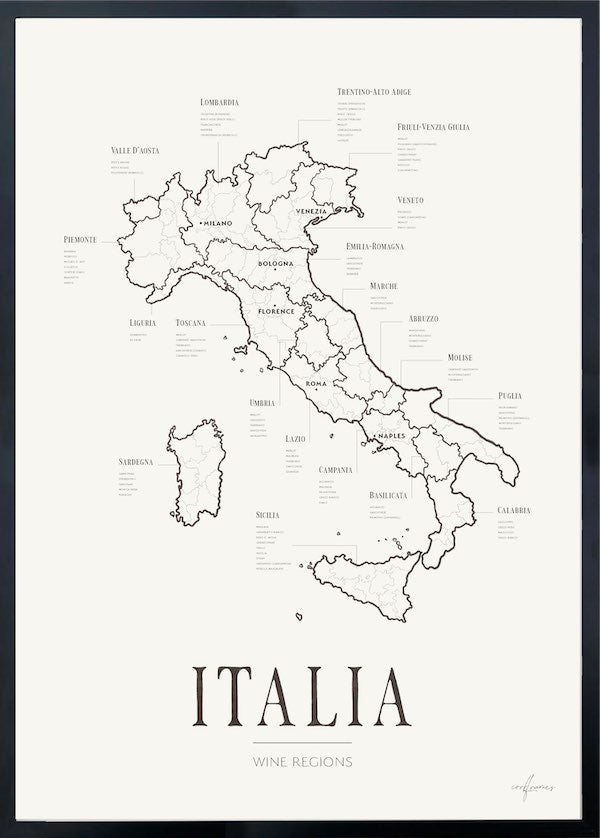
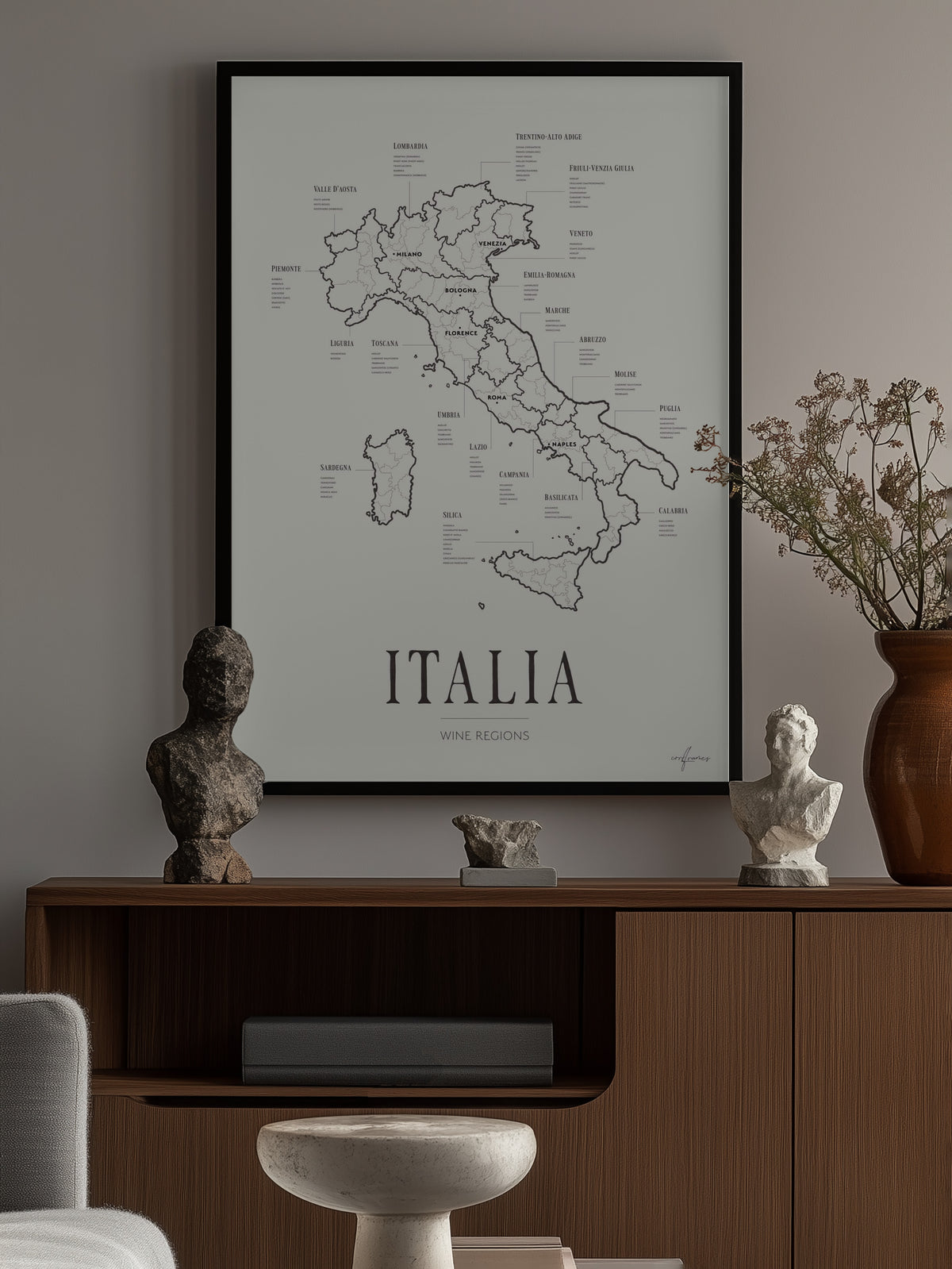
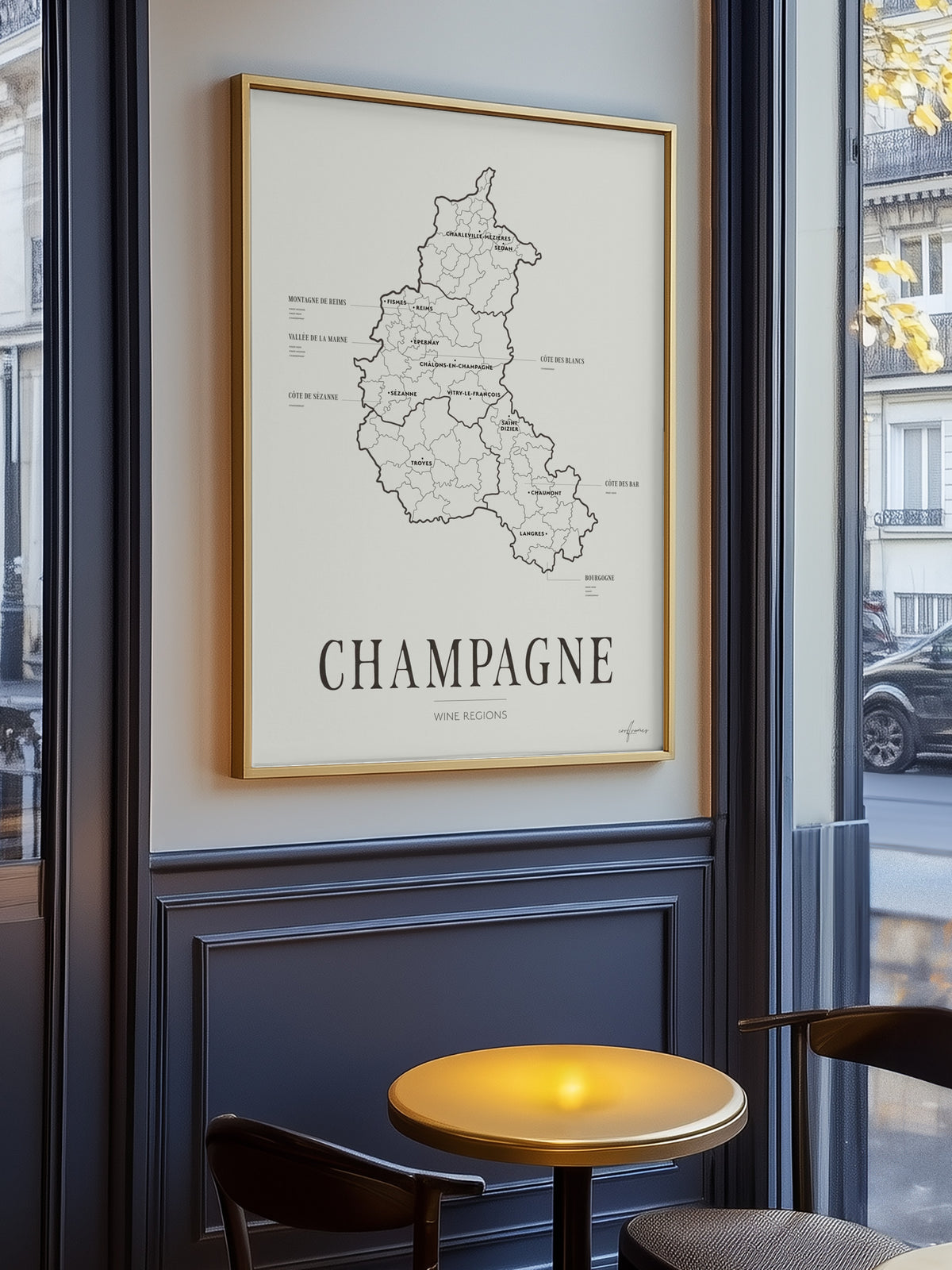
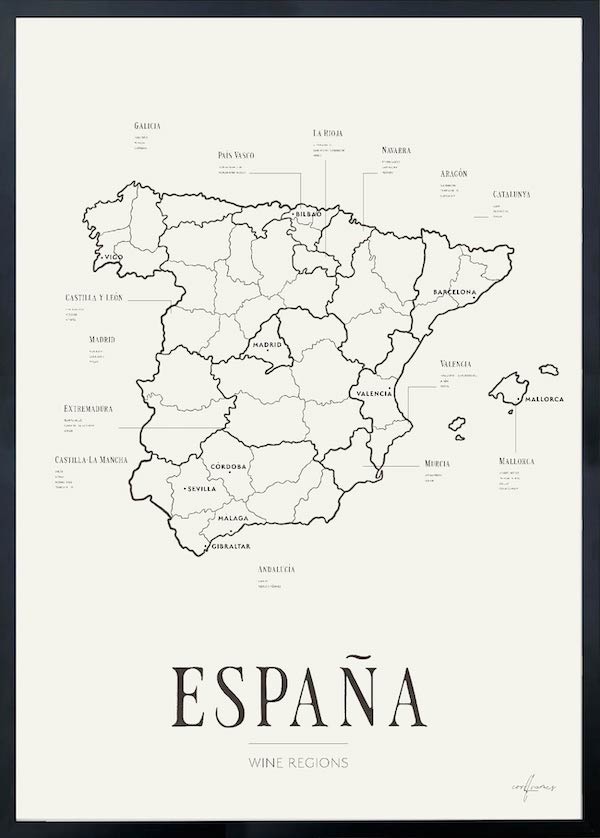
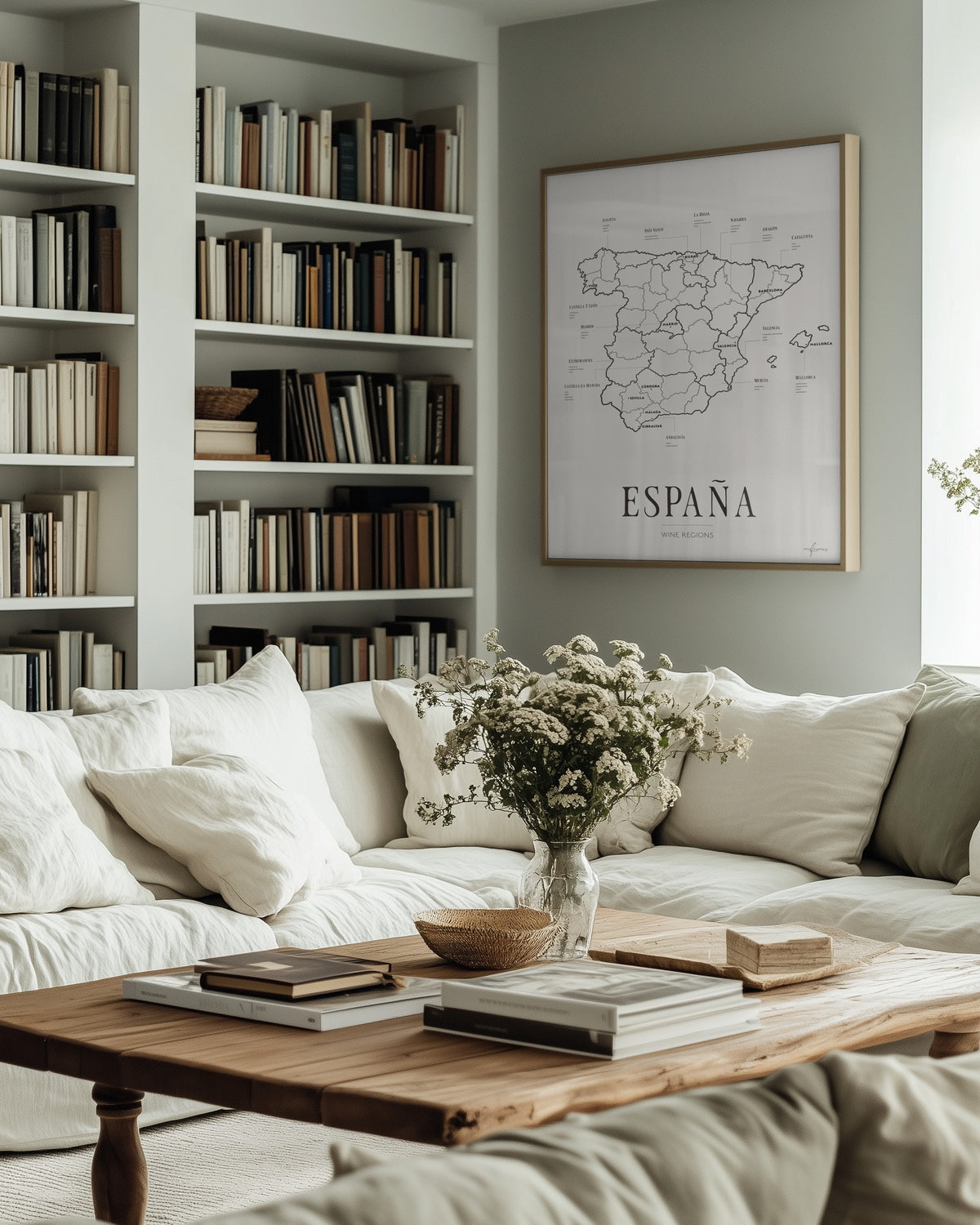
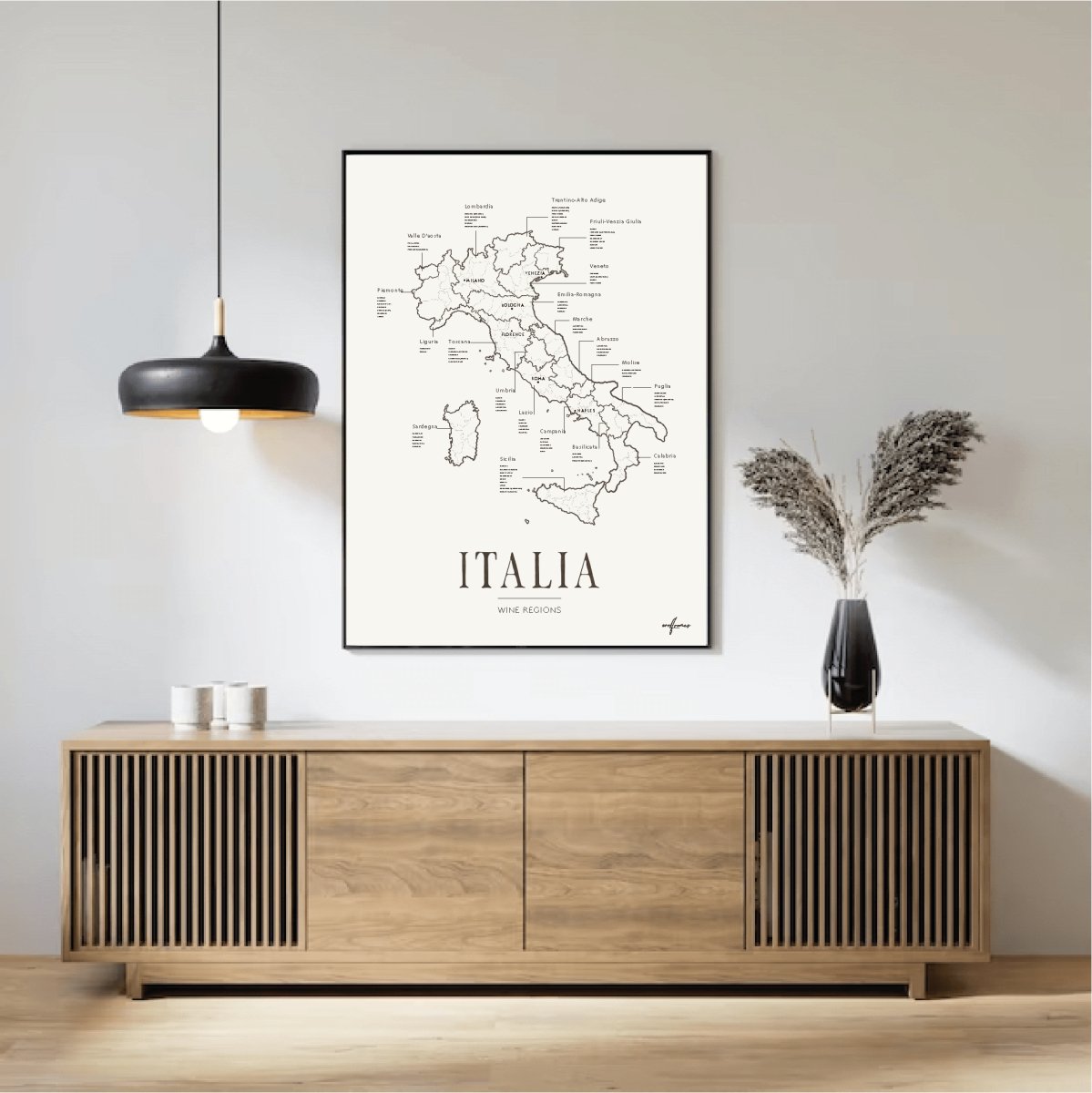
Vertical storage is particularly useful in smaller homes. The wall above the bar can hold shelves, artwork or a wine map without using additional floor space.
Wine Bar Ideas for a Larger Room
A larger home wine bar can include separate areas for storing, serving and tasting wine.
Start by creating a practical work surface with enough room to open bottles and pour wine. Add closed storage for accessories that do not need to remain visible, such as spare glasses, napkins and tasting notebooks.
Depending on the space, you may also include:
A wine refrigerator
A sink and water supply
A table or counter for tastings
Comfortable stools or chairs
Storage for spirits and cocktail equipment
Shelves for books and wine guides
Avoid placing every bottle on display. A carefully selected group creates a calmer and more intentional interior than several crowded shelves.
Organise Bottles and Glassware
Wine that will be stored for a longer period should be kept away from direct sunlight, strong temperature changes and vibration. A dedicated wine refrigerator offers greater control, while bottles intended for near-term drinking can be stored in a suitable rack.
Store glasses where they are protected but easy to access. Hanging racks can save shelf space, although glasses placed inside a closed cabinet usually require less cleaning.
Arrange the bar according to use rather than appearance alone. Keep the bottle opener, wine stopper and serving accessories close to the main surface. Place occasional items further away.
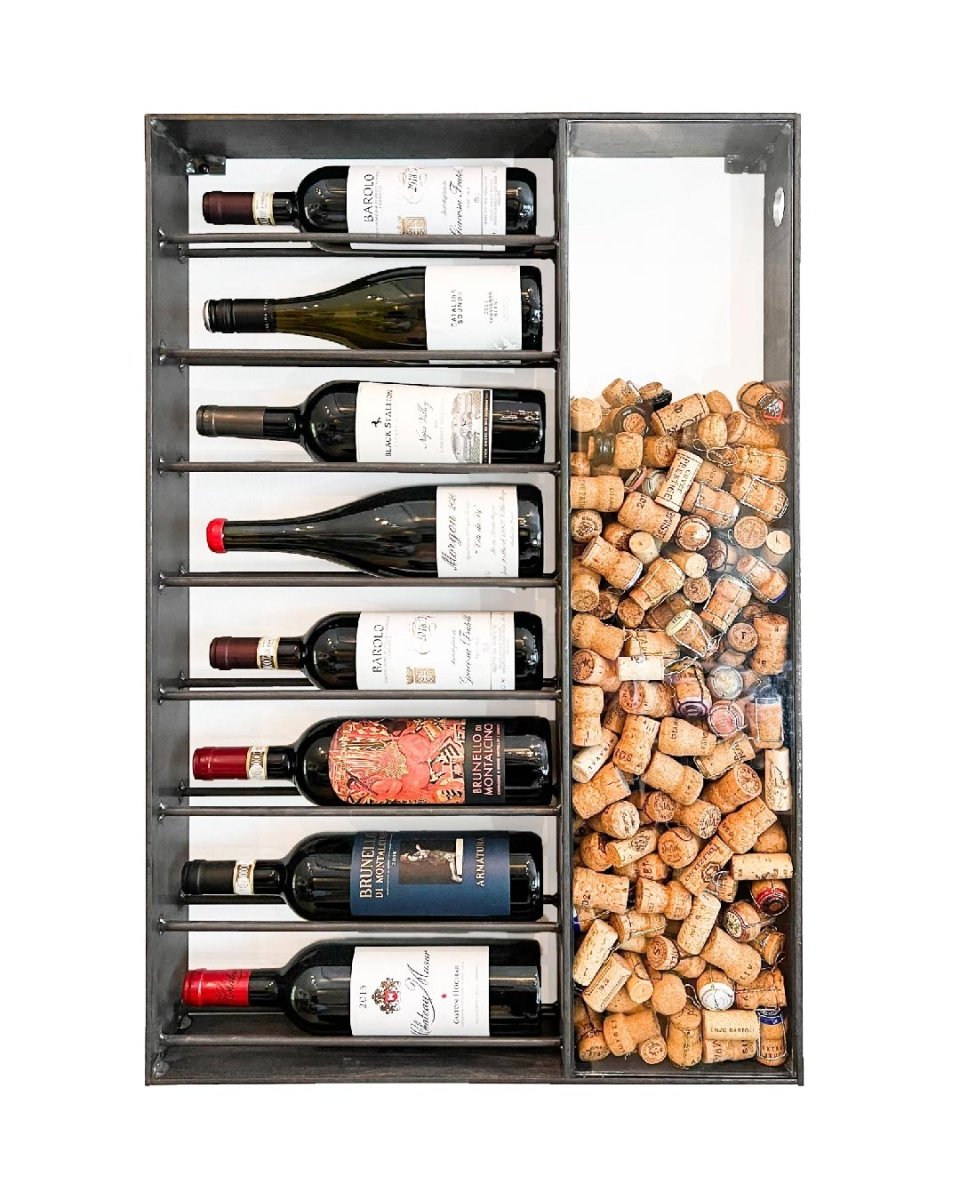
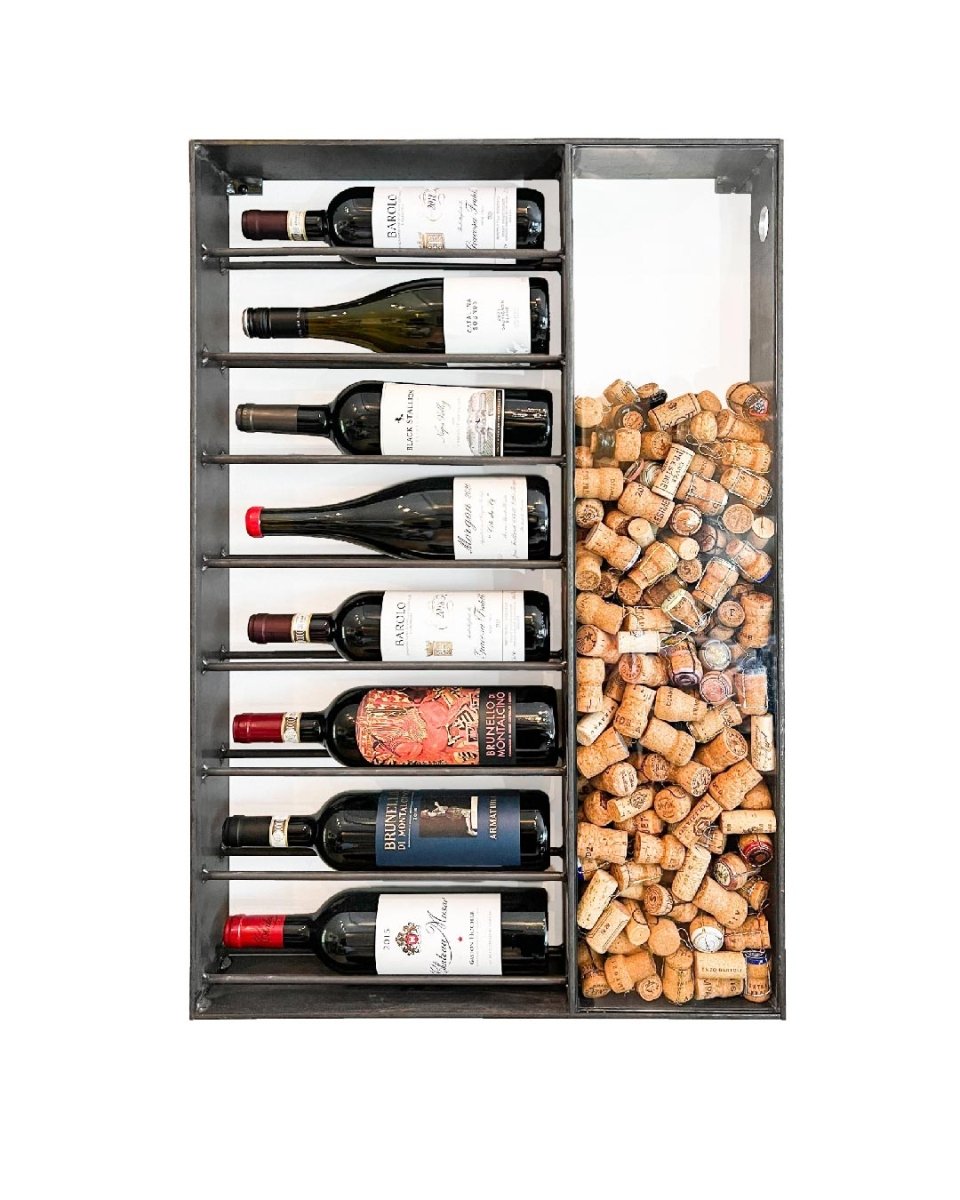
A display rack can also help organise the bottles selected for a tasting. Corkframes’ wine rack is designed to present bottles while making them part of the experience at home, in restaurants or during events.
Use Lighting to Create the Right Atmosphere
Lighting has a significant effect on how a home wine bar feels.
Choose warm, indirect light rather than one strong ceiling lamp. Wall lights, small table lamps or integrated shelf lighting can make the area feel inviting while helping guests see labels and glassware.
Avoid strong sunlight directly on stored bottles. If the wine bar is near a window, use curtains or position the storage away from the brightest part of the room.
Candles can add atmosphere during dinners and tastings, but they should be placed safely away from bottles, corks and other combustible materials.
Add Wine-Inspired Interior Details
Decoration should support the room rather than make it feel themed or crowded. Choose a few details that reflect wine, food or places with personal meaning.
Suitable ideas include:
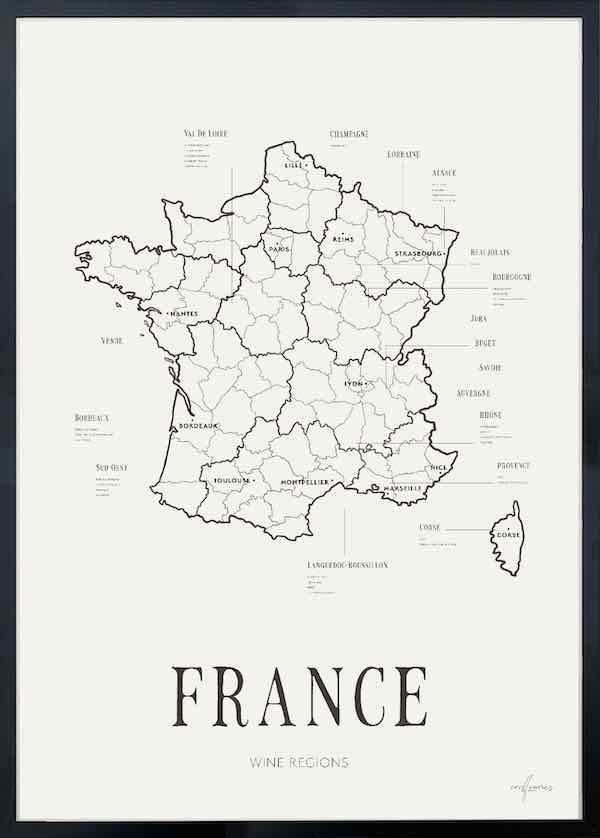
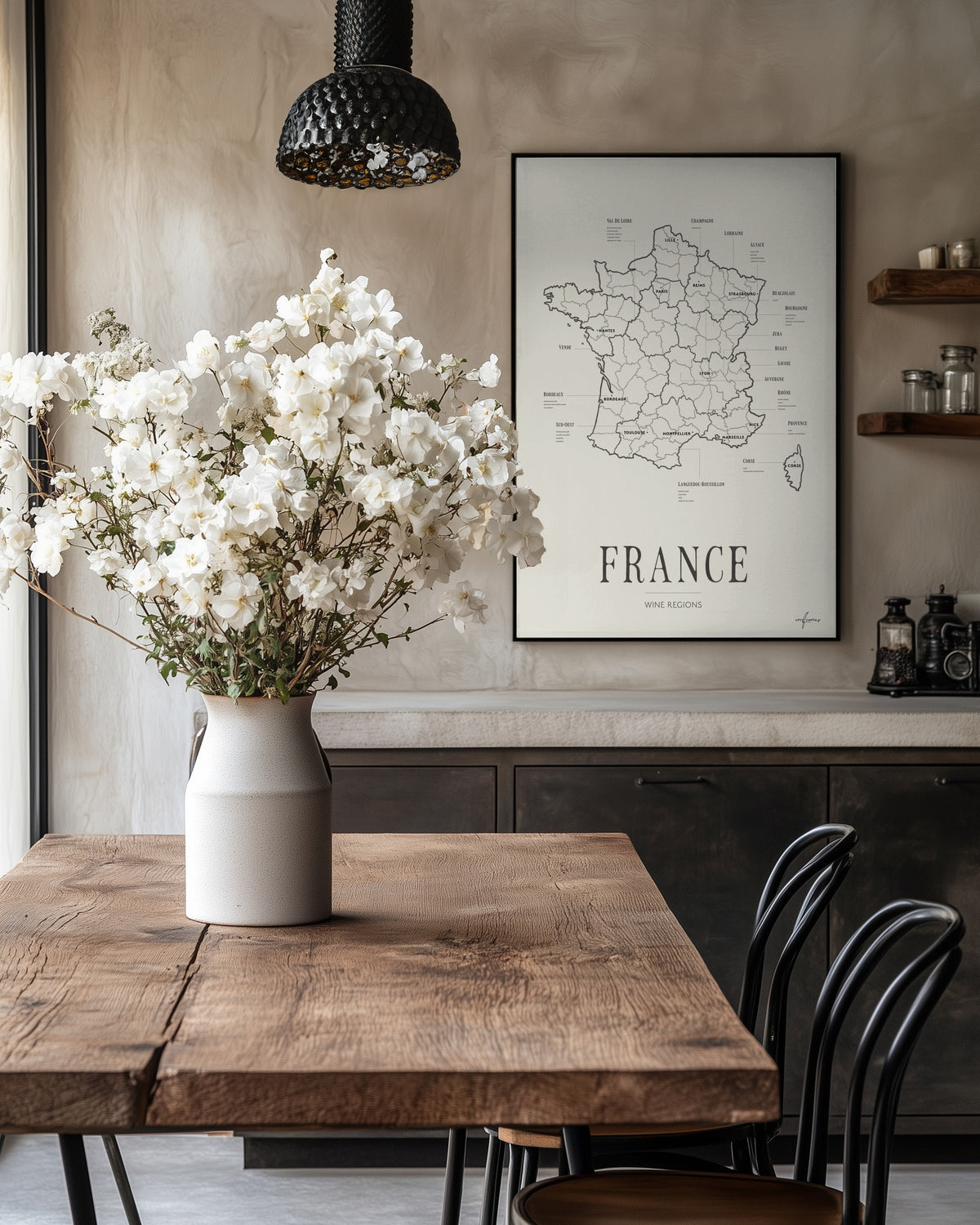
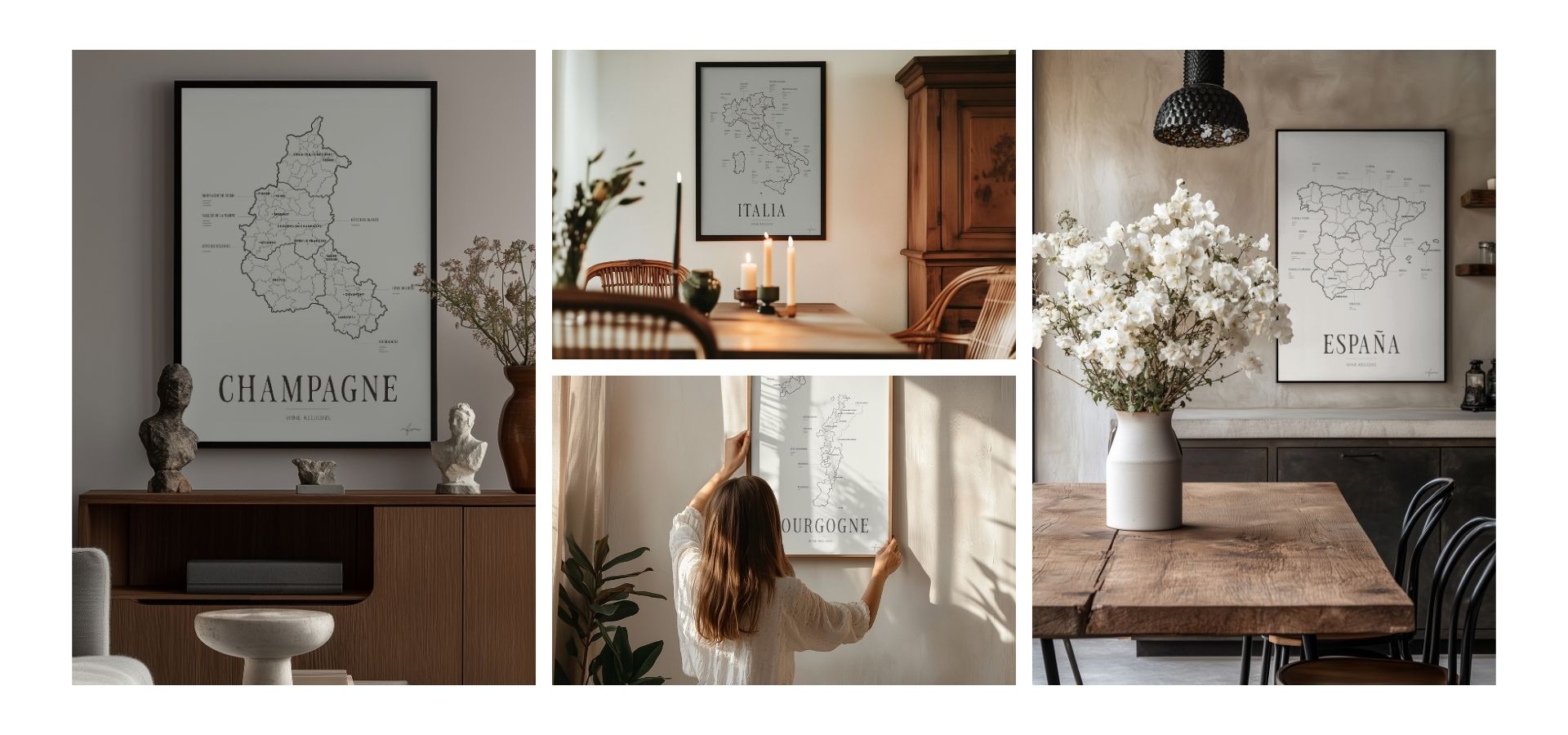
A map of a favourite wine country
Vineyard photography
A framed menu or bottle label
Ceramic bowls and serving pieces
Books about wine and food
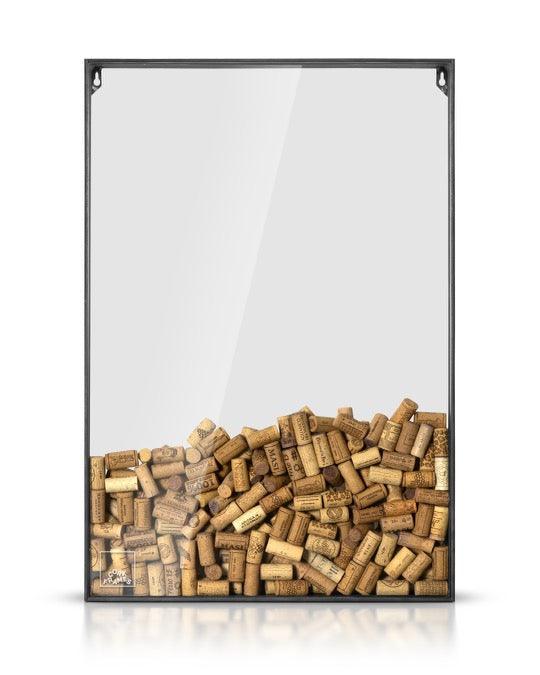
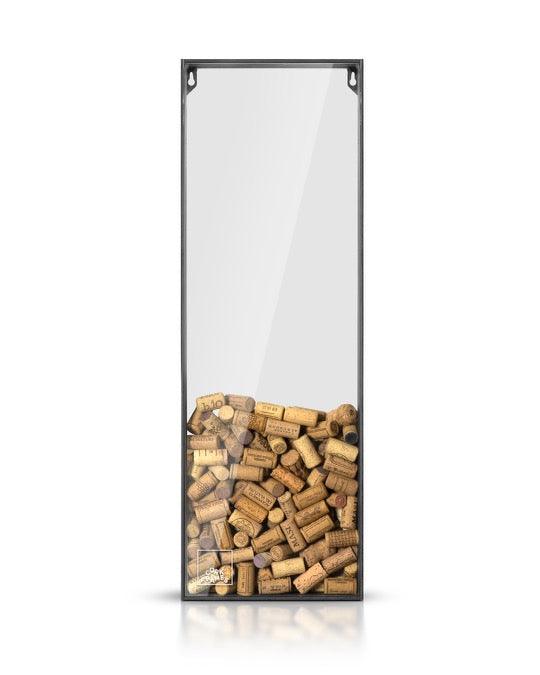
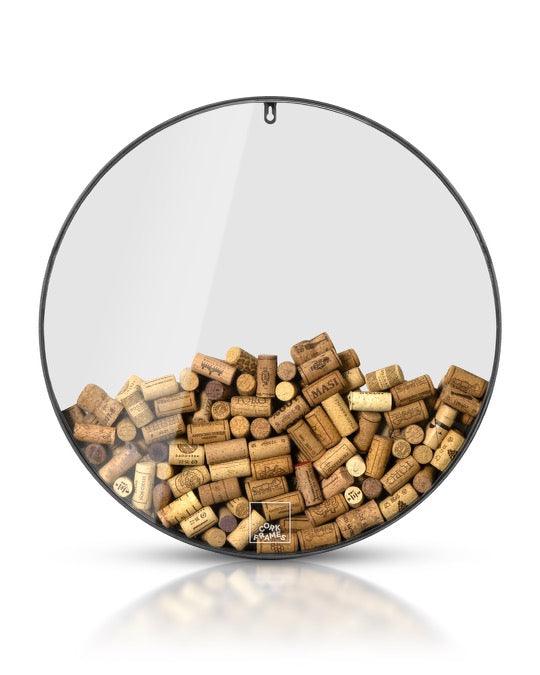
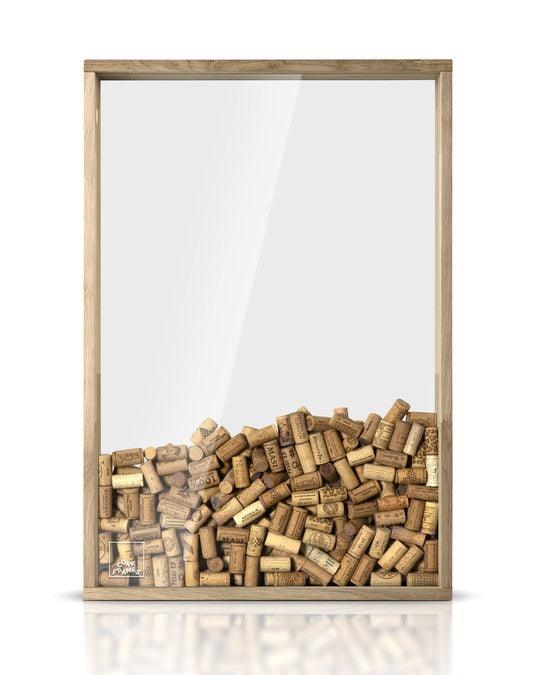
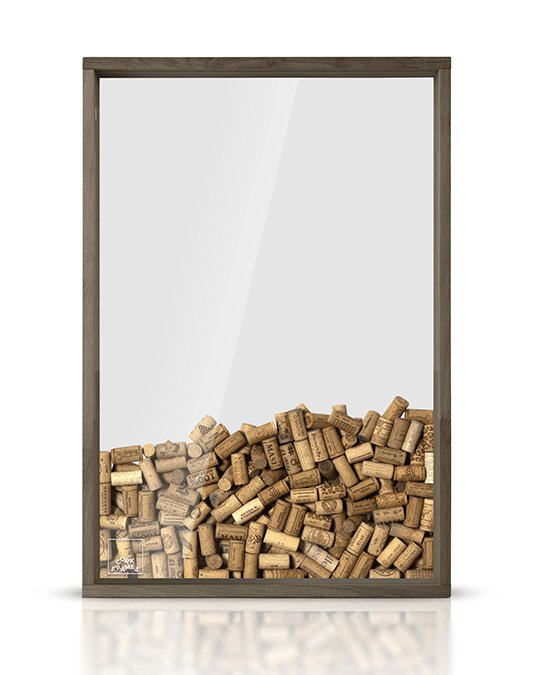
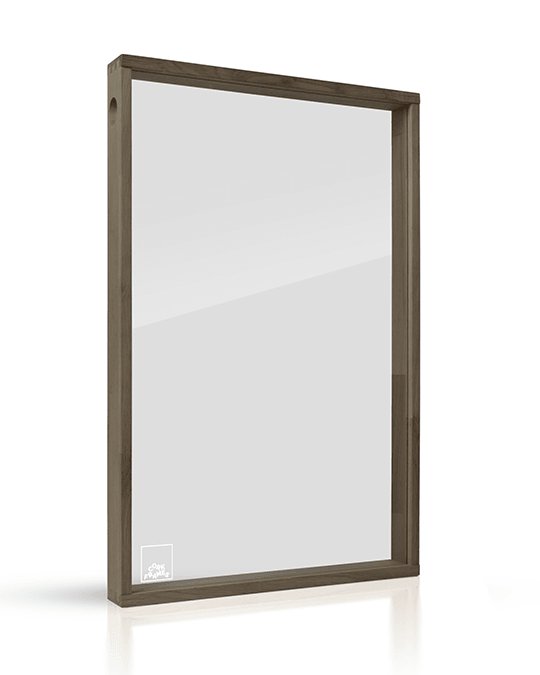
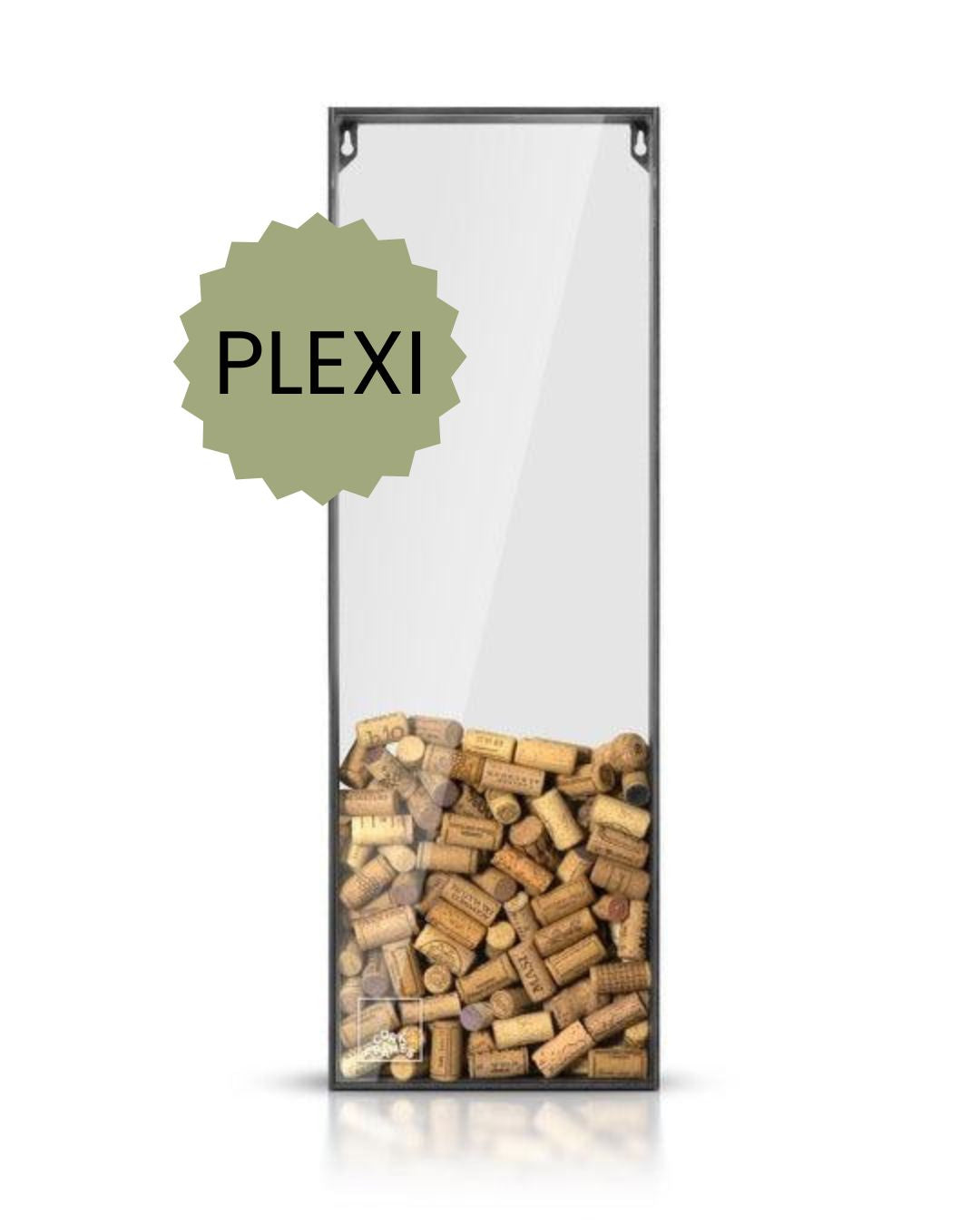
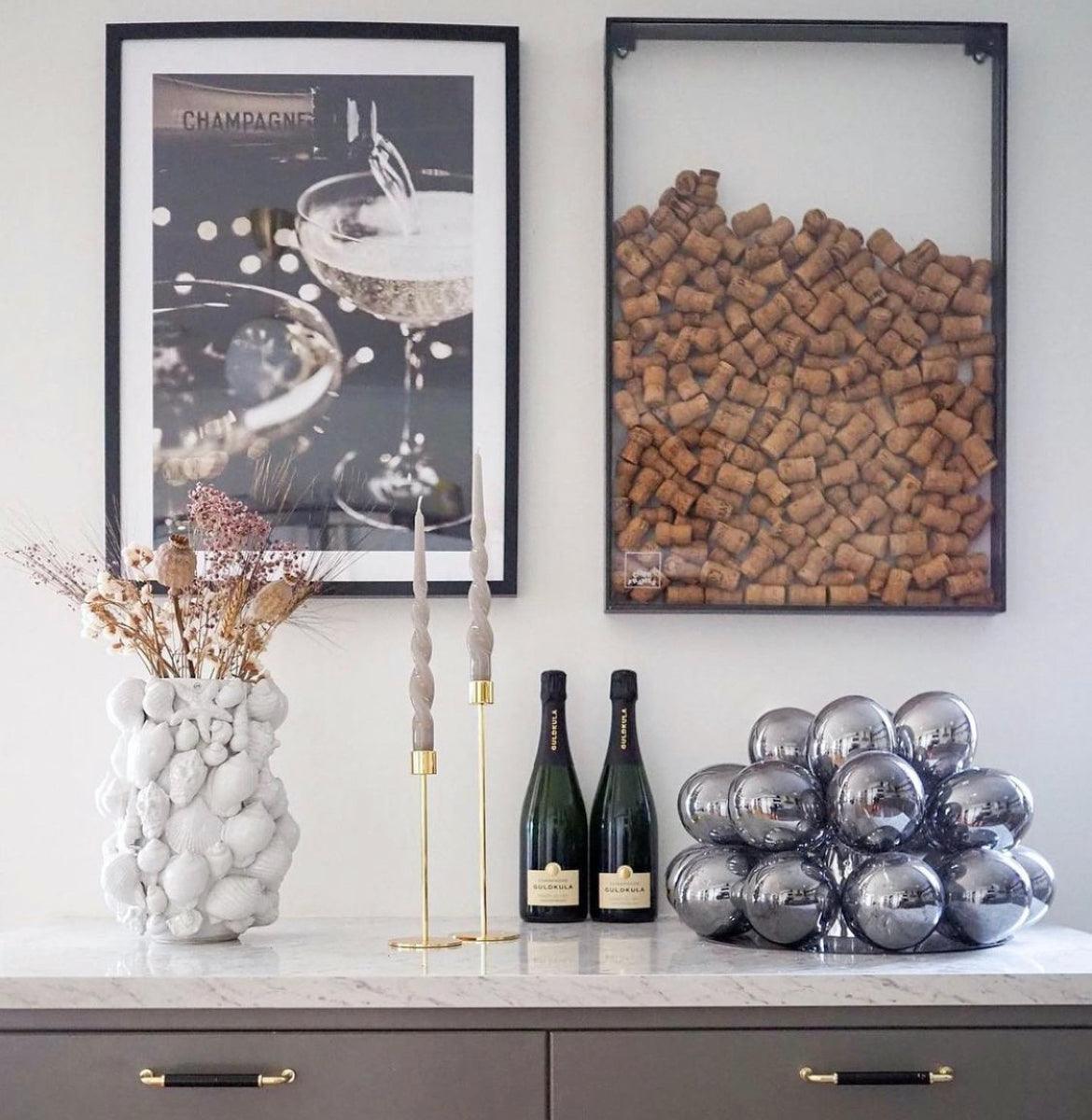
A display of corks from memorable bottles
Corkframes’ Wine Maps Collection can help connect the bar to regions you enjoy or hope to visit. Wine maps can function as both geographical references and wall decoration.
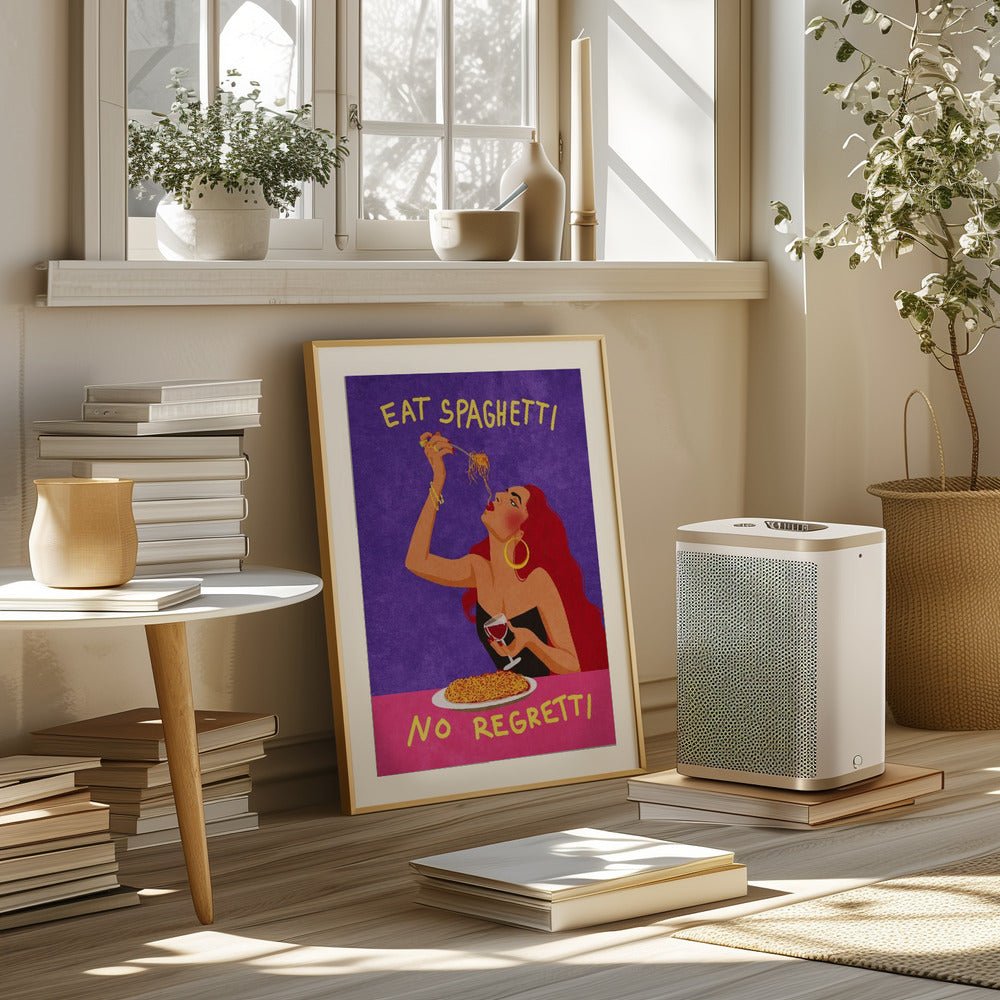
For a broader selection of food, cocktail and wine-inspired artwork, explore the Poster Collection. Corkframes describes these motifs as suitable for kitchens, dining rooms and home bars.
Choose materials and colours already present in the room. Wood, glass, steel, linen and ceramic pieces often work well together without making the bar feel overly styled.
Make Space for Wine Experiences
A home wine bar should make it easier to enjoy wine with other people.
Leave enough space to place several bottles side by side during a tasting. Keep water glasses, napkins and a container for unfinished wine nearby. A small notebook can be useful for recording favourite producers, grapes and food pairings.
You can also organise informal tastings around a theme, such as:
One grape from different countries
Wines from a single region
Old World and New World styles
Wine paired with cheese or chocolate
Bottles brought home from previous journeys
The most successful setup is one that feels natural to use. Good storage matters, but the real purpose is to create a place for conversation, discovery and shared meals.
Frequently Asked Questions
How much space is needed for a home wine bar?
A small sideboard, bar cart or kitchen corner can be enough. The space should provide a stable serving surface and practical storage for bottles and glasses.
Where should a home wine bar be placed?
Dining rooms, kitchens and living areas work well. Choose a location away from direct sunlight and major temperature changes.
What should a home wine bar include?
Begin with wine glasses, a bottle opener, suitable bottle storage and a clear serving surface. Add lighting, artwork and specialised equipment only when they serve a practical purpose.