
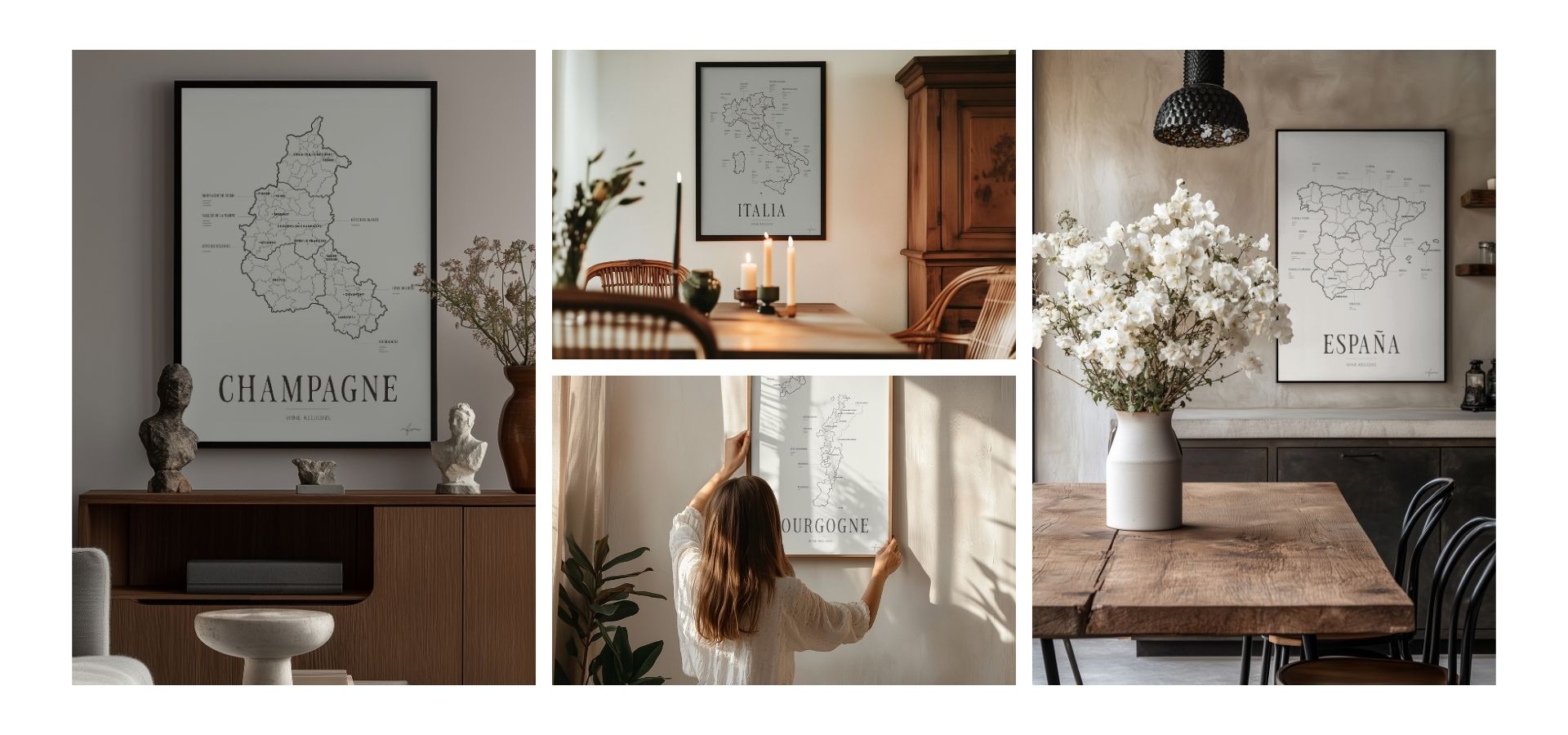
How to Choose the Right Poster Size
Poster size affects how artwork relates to the wall, furniture and surrounding room. A design may look impressive online but feel too small above a wide sideboard or too dominant in a narrow kitchen.
The safest approach is to measure the available wall space before choosing the motif. Consider both the poster dimensions and the outside measurements of the frame, as the finished piece will be slightly larger.
Start by Measuring the Wall
Measure the width and height of the area where the poster will hang. Then note any nearby elements that affect the available space, such as:
Furniture
Shelves
Doors and windows
Wall lights
Other artwork
Sloping ceilings
Use masking tape to mark the proposed poster size directly on the wall. This gives a more realistic impression than trying to estimate the scale by eye.
View the marked area from different parts of the room before deciding. A size that appears suitable from close range may feel too small when seen from the doorway or dining table.
Choosing Art for an Empty Wall
A large empty wall usually needs either one substantial piece or a carefully planned group of smaller posters.
Common poster sizes work differently:
30 × 40 cm
This size suits narrow wall sections, shelves, smaller kitchens and grouped arrangements. On a large wall, it will usually need to be combined with other pieces.
50 × 70 cm
A versatile choice for kitchens, dining rooms and home bars. It is large enough to work independently in many spaces but can also form part of a gallery wall.
70 × 100 cm
This format creates a stronger focal point. It works particularly well on a generous wall, above a wide sideboard or in a room where the artwork should be visible from a distance.
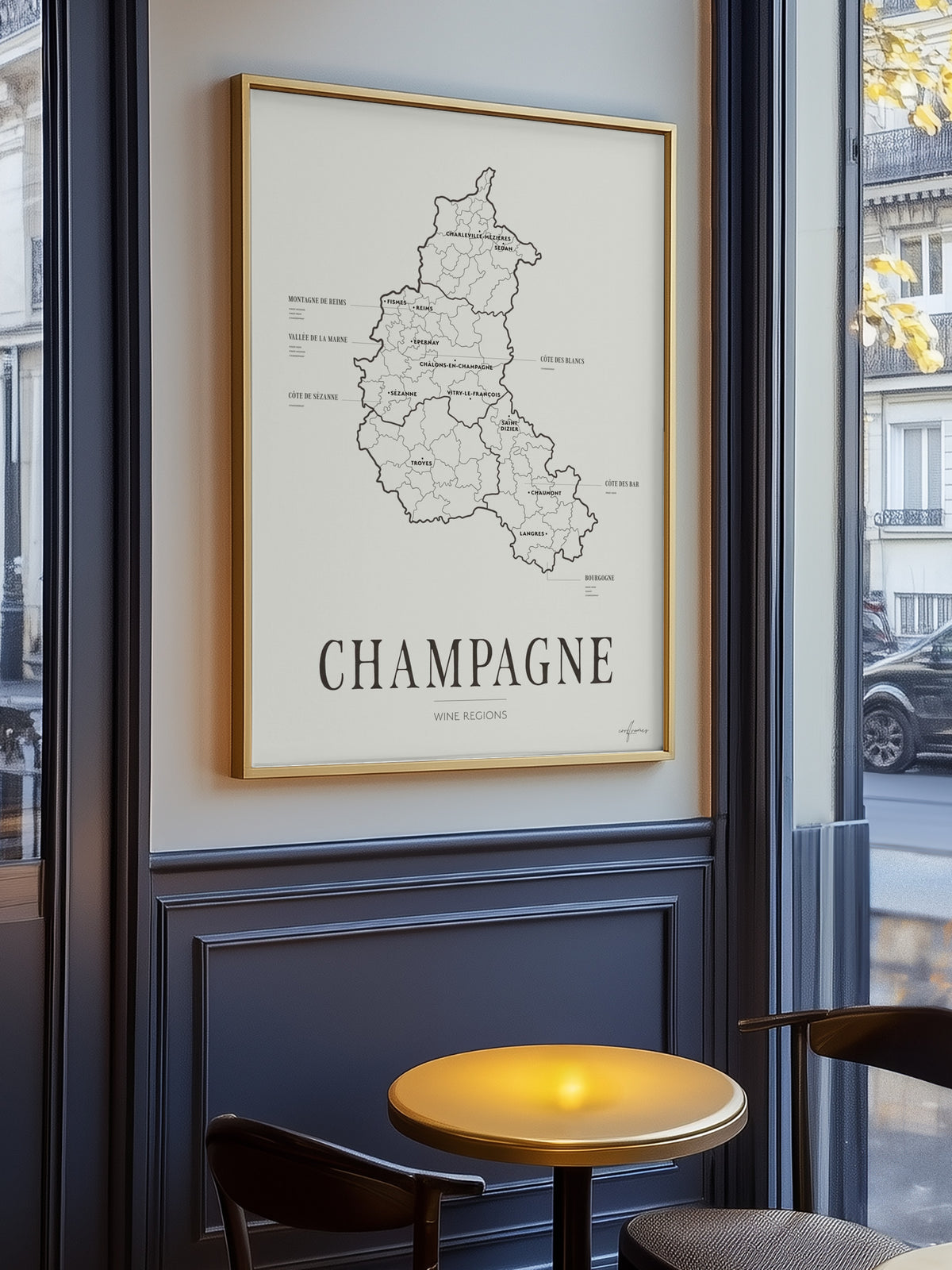
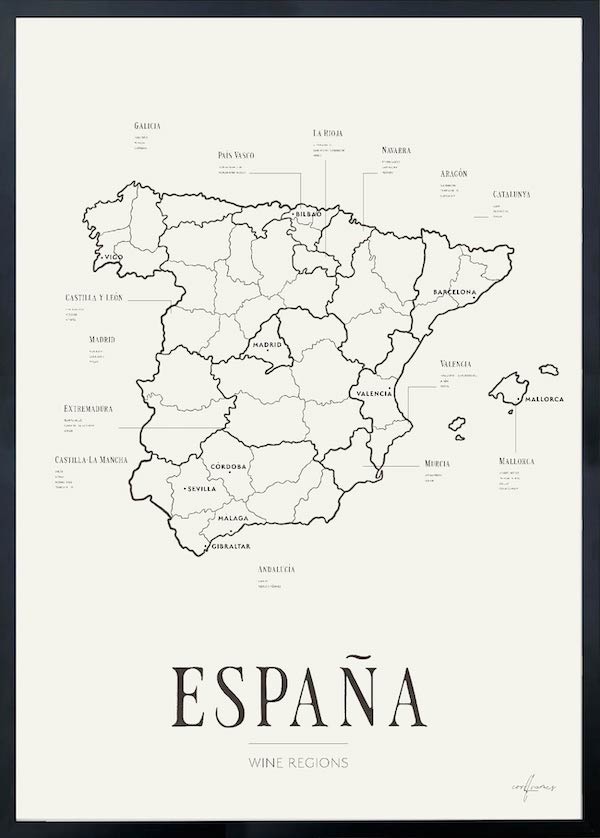
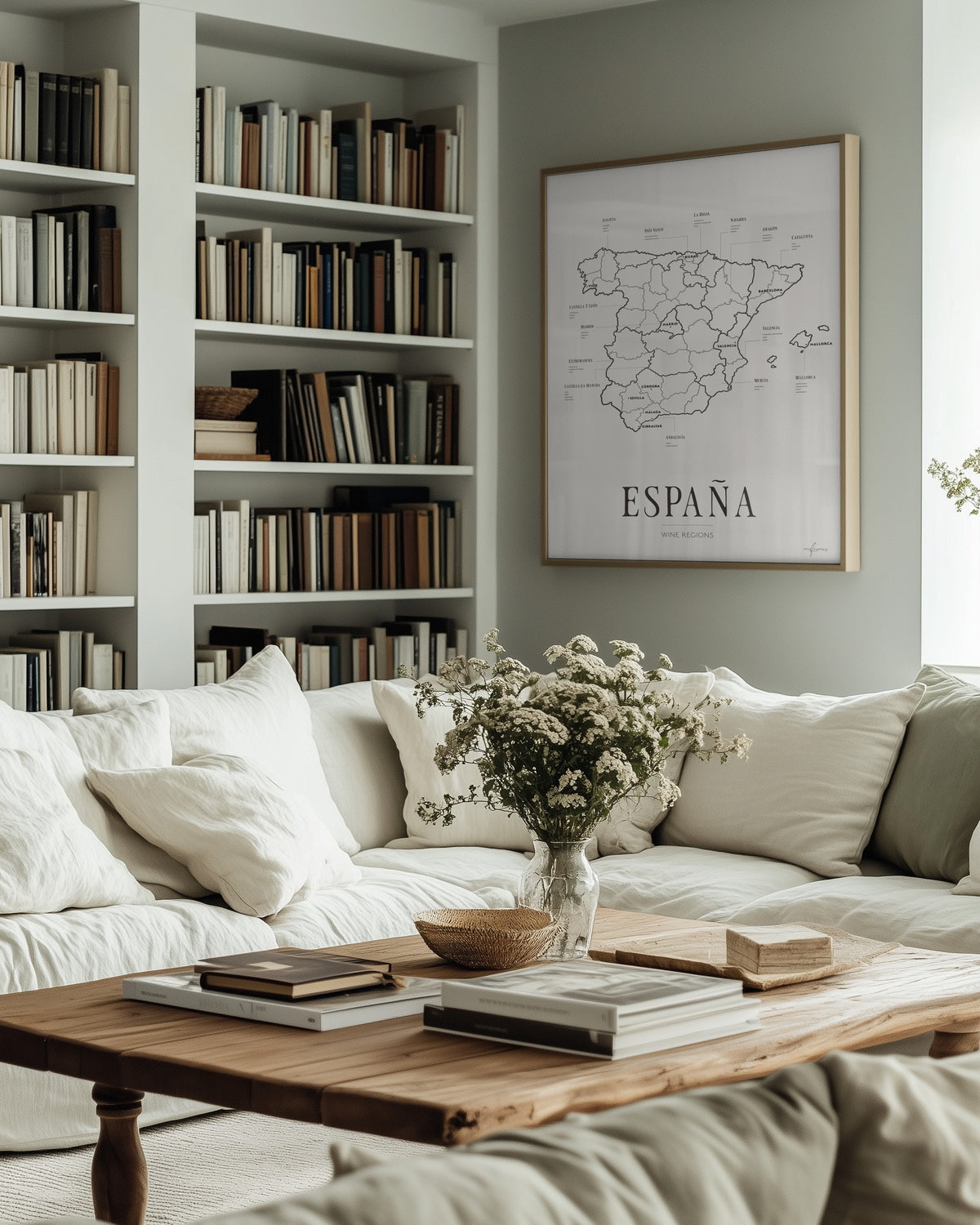
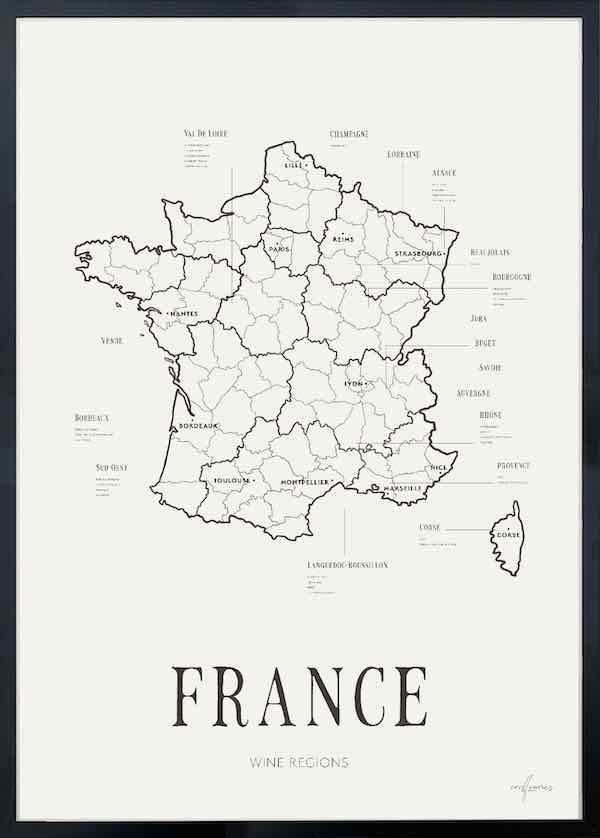
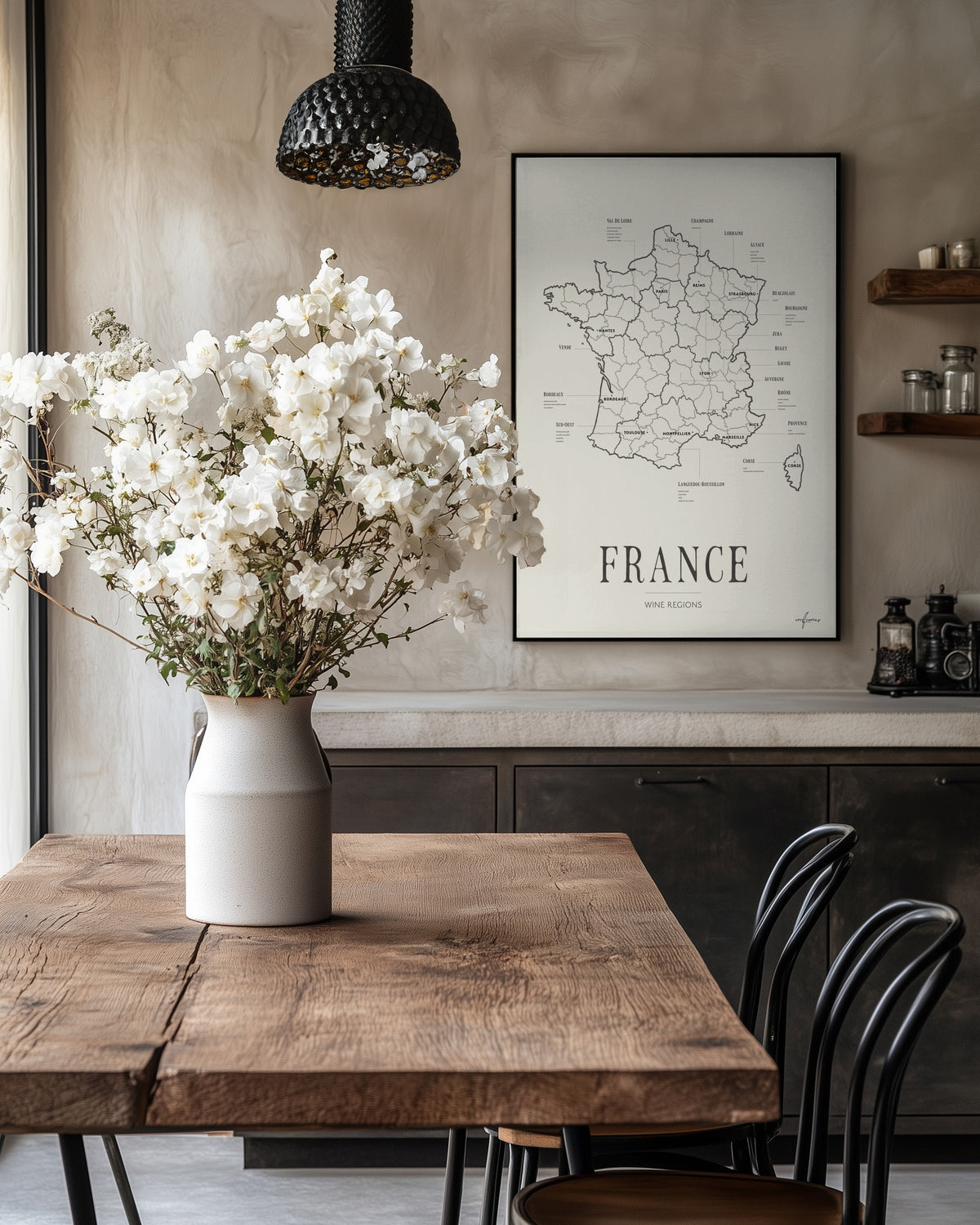
Corkframes offers wine maps and posters in formats designed for both individual display and coordinated wall arrangements. Explore the Poster Collection and Wine Maps Collection to compare motifs and available sizes.
Match the Poster to the Furniture Below
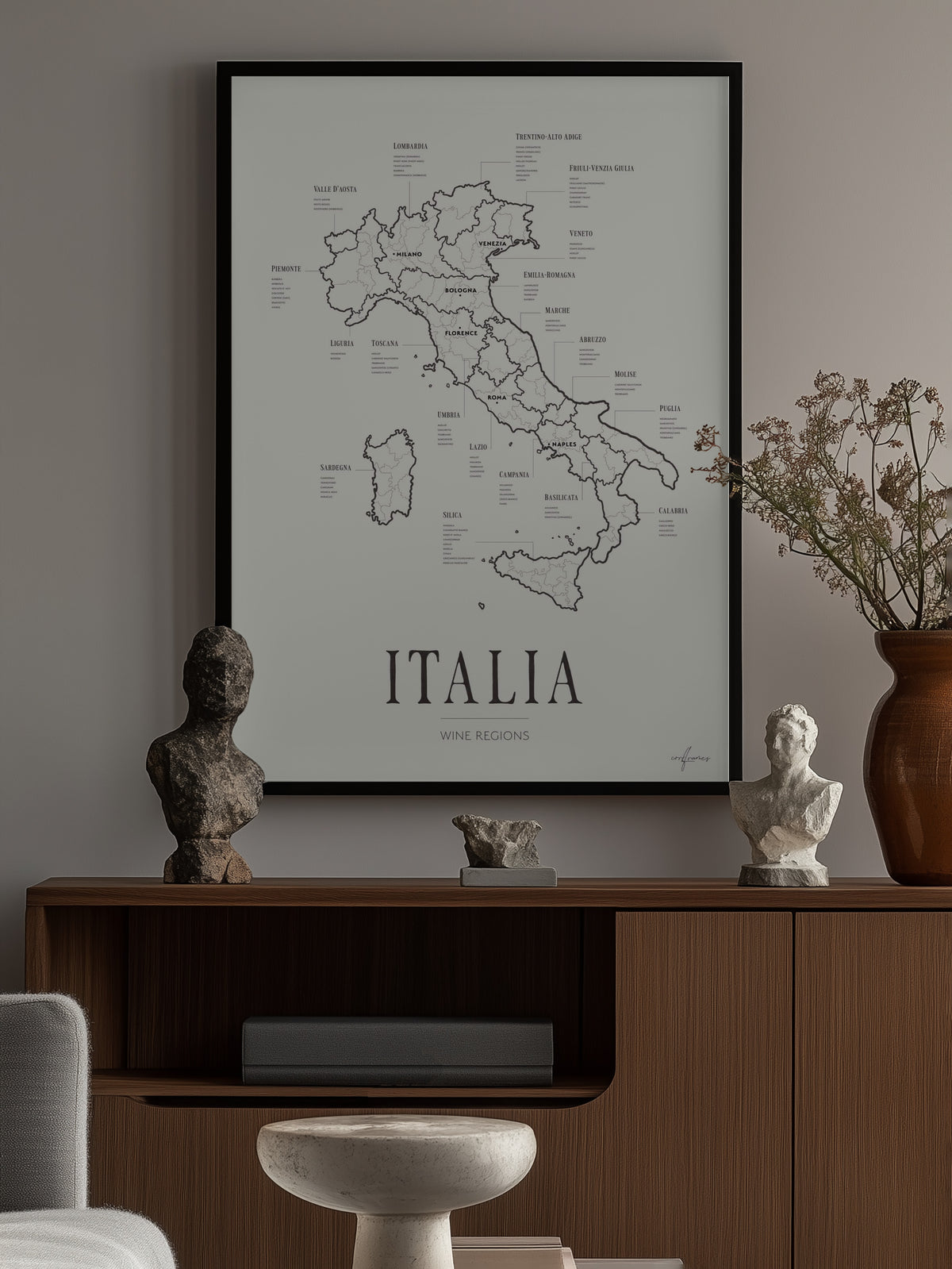
When artwork hangs above furniture, it should relate visually to the width of the piece beneath it.
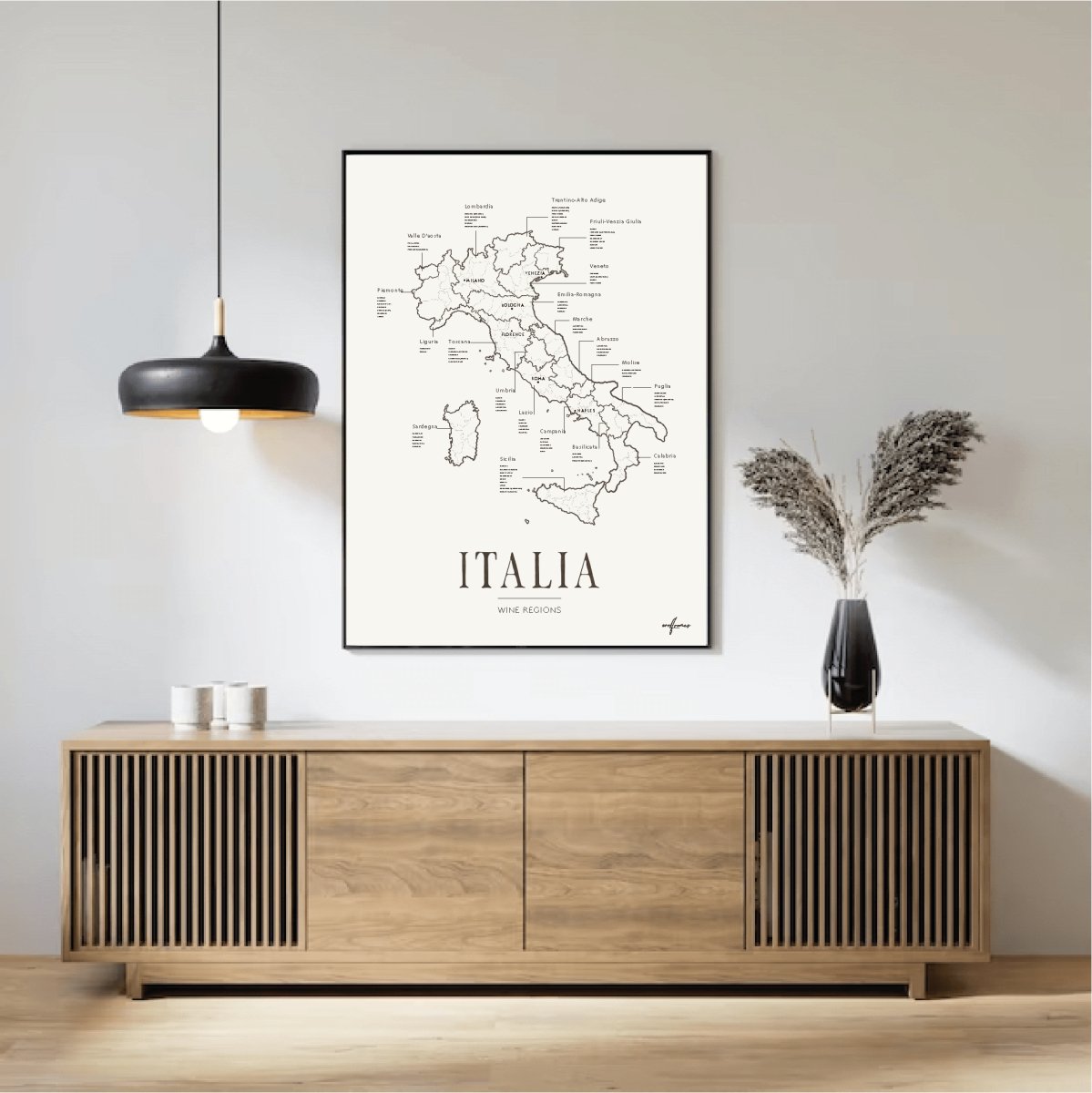
As a useful starting point, the framed artwork or complete arrangement can occupy roughly half to three-quarters of the furniture’s width. This is a design guideline rather than a fixed rule, but it helps prevent the artwork from appearing disconnected or undersized.
For example:
A small poster may suit a narrow console table.
A 50 × 70 cm poster can work above a compact sideboard.
A 70 × 100 cm poster may be more balanced above wider furniture.
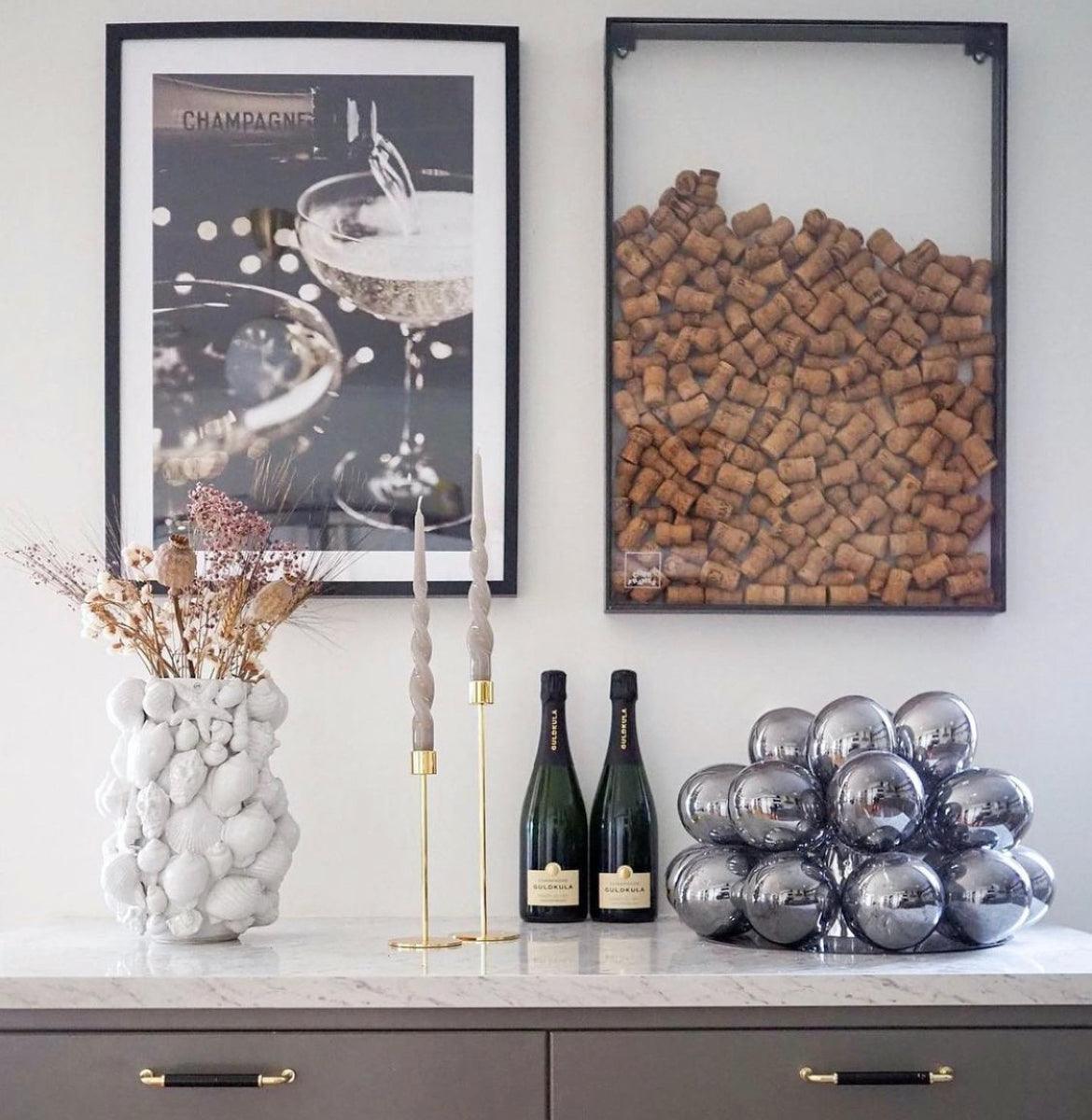
Two or three coordinated posters can fill the space above a long dining bench or cabinet.
Also consider the objects placed on the furniture. Lamps, vases and plants contribute to the composition and may reduce the amount of wall art needed.
Consider Viewing Distance
The further away the artwork will usually be viewed, the larger and clearer it needs to be.
A detailed wine map in a narrow hallway may work in a smaller size because viewers can stand close to it. In a dining room or open-plan space, a larger version may be easier to appreciate from across the room.
Small details, fine text and complex illustrations generally benefit from a larger print. Bold photography or simple graphic designs can remain effective in a smaller format.
One Large Poster or Several Smaller Ones?
A single large poster creates a calm, focused appearance and requires fewer decisions about spacing and alignment.
Choose one larger piece when:
The wall has a clear central position.
The room already contains several decorative elements.
The motif has enough visual strength to stand alone.
You prefer a clean and restrained interior.
A gallery wall offers more flexibility and can combine different interests, colours and formats.
Choose several smaller pieces when:
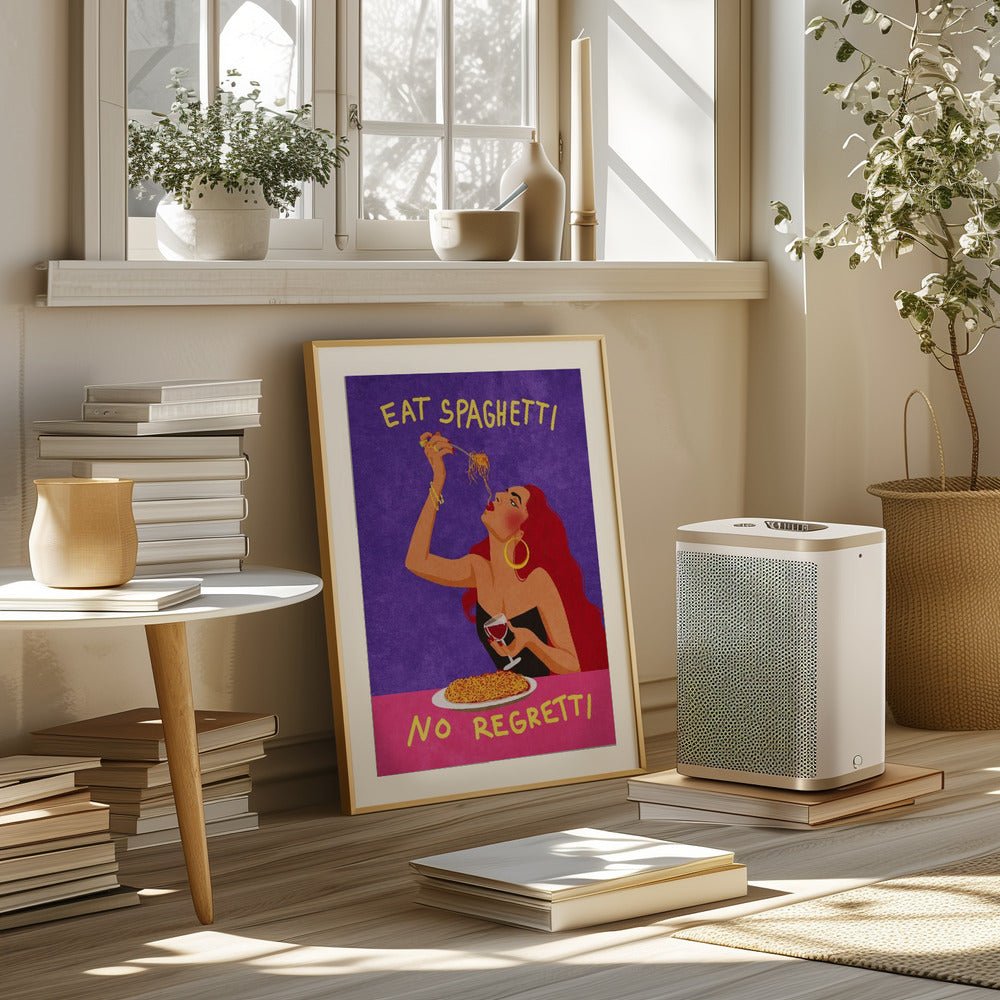
You want to mix wine, food and travel motifs.
The available wall is wide rather than tall.
You want the arrangement to grow over time.
You prefer a more personal and layered look.
Maintain a consistent distance between frames and connect the arrangement through colour, subject or frame material.
Remember the Frame
Always check whether the stated measurement refers to the poster or the finished framed piece.
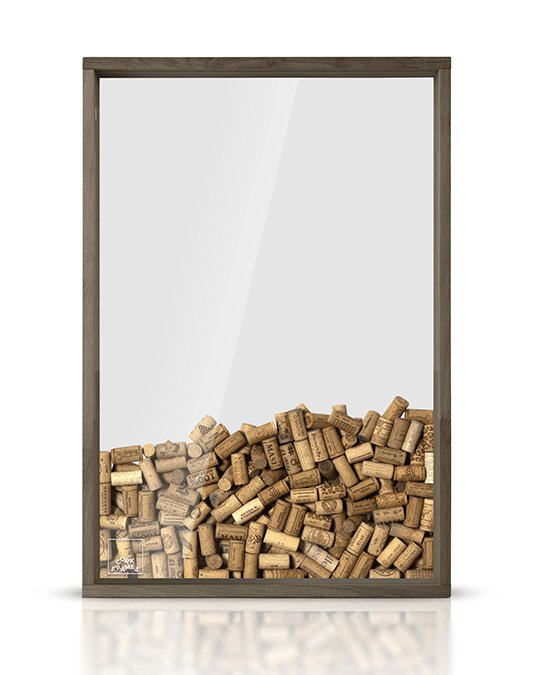
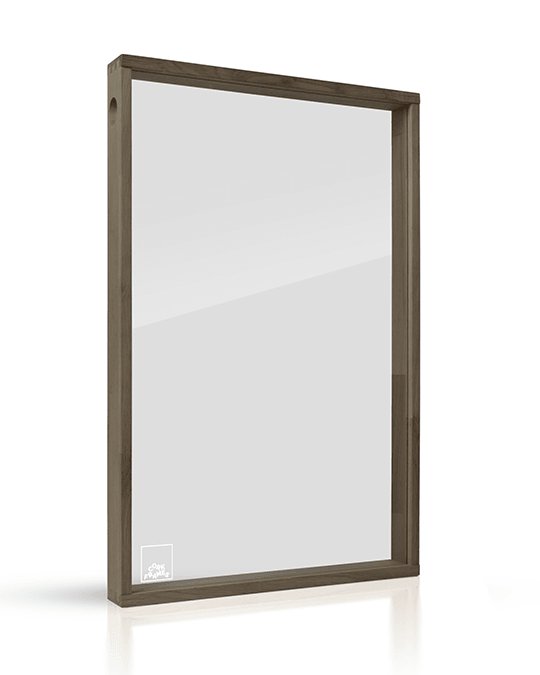
The frame adds both width and visual weight. A black frame creates stronger contrast, while white or light oak can feel softer against a pale wall. Smoked oak often works well with darker woods and warmer interiors.
Corkframes’ Premium Poster Frames are available in black, white, light oak and smoked oak, allowing the frame to be coordinated with both the artwork and the room.
Check the Size Before Ordering
Before placing an order:
Measure the wall and any furniture below it.
Mark the poster’s framed dimensions with masking tape.
Check the proportions from the main viewing position.
Confirm whether the selected frame changes the outside size.
Decide whether the artwork should stand alone or join a larger arrangement.
Taking a few minutes to test the dimensions can prevent an expensive size mistake and help the final result feel intentional.
Choose Proportion Before Motif
It is natural to begin with the design you like, but size should be considered at the same time. The right motif in the wrong dimensions may still feel unsuccessful in the room.
Begin with the wall, choose the required visual scale and then select a poster or wine map that suits both the space and your personal style.
Explore Corkframes’ Posters, Wine Maps and Premium Poster Frames to create wall art with balanced proportions.
Frequently Asked Questions
What is the most versatile poster size?
A 50 × 70 cm poster is versatile enough for many kitchens, dining rooms and home offices. The correct choice still depends on the wall and nearby furniture.
Is a 30 × 40 cm poster too small?
Not necessarily. It works well on a narrow wall, shelf or gallery wall, but may look undersized when displayed alone above wide furniture.
Should wall art be wider than the furniture below it?
Usually not. Artwork generally looks more balanced when it is narrower than the furniture or wall zone beneath it.