
What Is the Difference Between Old World and New World Wine?
Old World wine generally refers to wine from Europe and nearby regions with long-established winemaking traditions. New World wine usually describes wine from countries such as Australia, New Zealand, the United States, Chile, Argentina and South Africa.
The terms are useful for discussing geography, labelling and wine culture. They are less reliable as descriptions of flavour. Climate, grape variety, vineyard location and winemaking choices tell you far more about a bottle than the category alone.
Which Countries Are Considered Old World?
Old World wine is most closely associated with established European wine-producing countries, including:
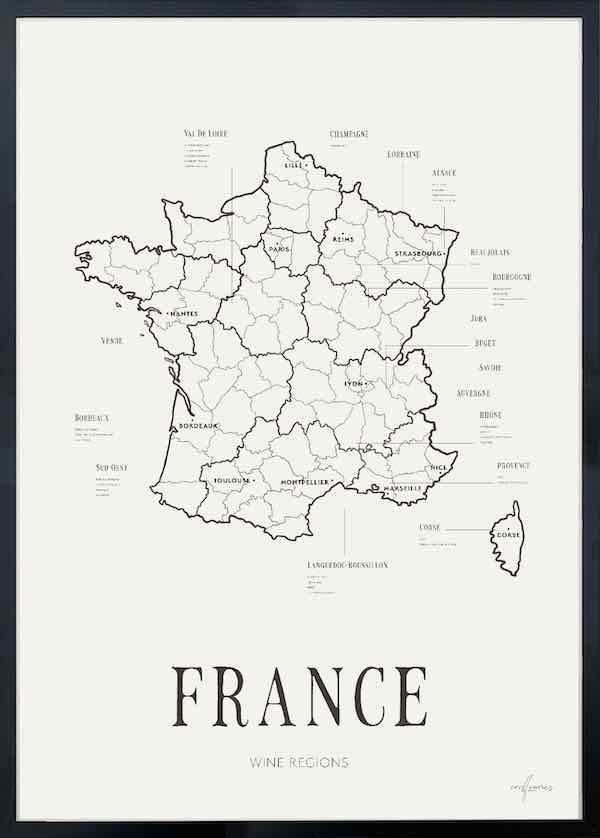
France
Italy
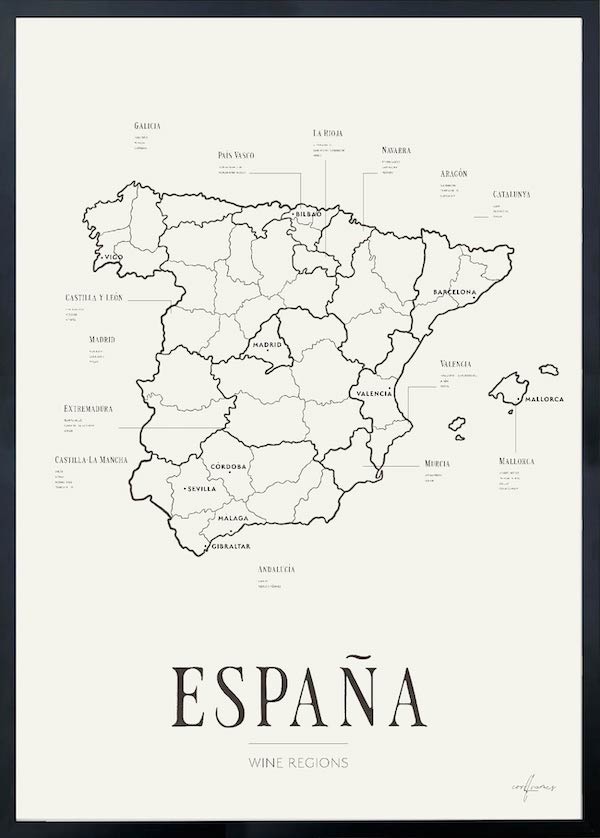
Spain
Portugal
Germany
Austria
Greece
Hungary
The category may also include countries with ancient winemaking traditions around the Mediterranean and the Caucasus, such as Georgia. There is no official boundary or legal definition.
Old World labels often focus on where the wine was produced. A bottle may show the name of a region or appellation more prominently than the grape variety.
Examples include:
Chablis from France
Barolo from Italy
Rioja from Spain
Mosel from Germany
Douro from Portugal
Understanding the geographical name can help reveal the grapes, style and production rules behind the wine.
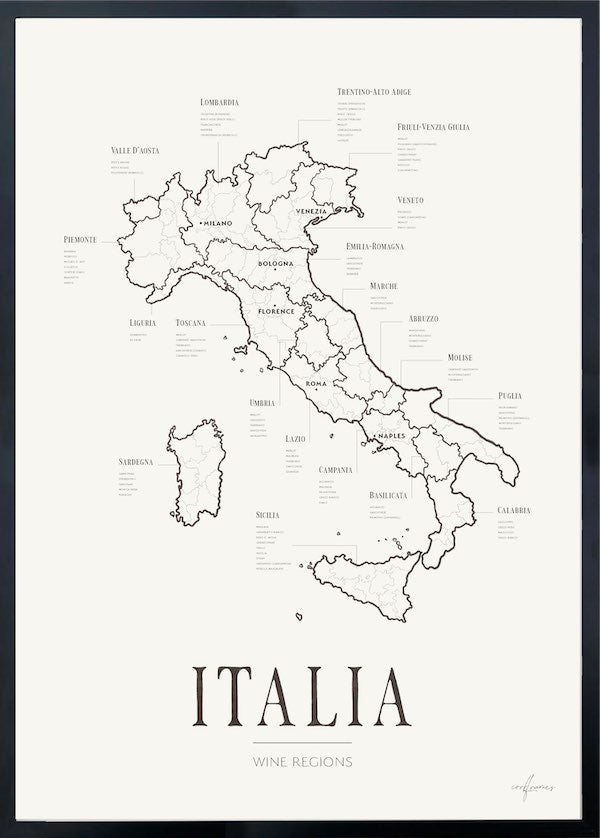
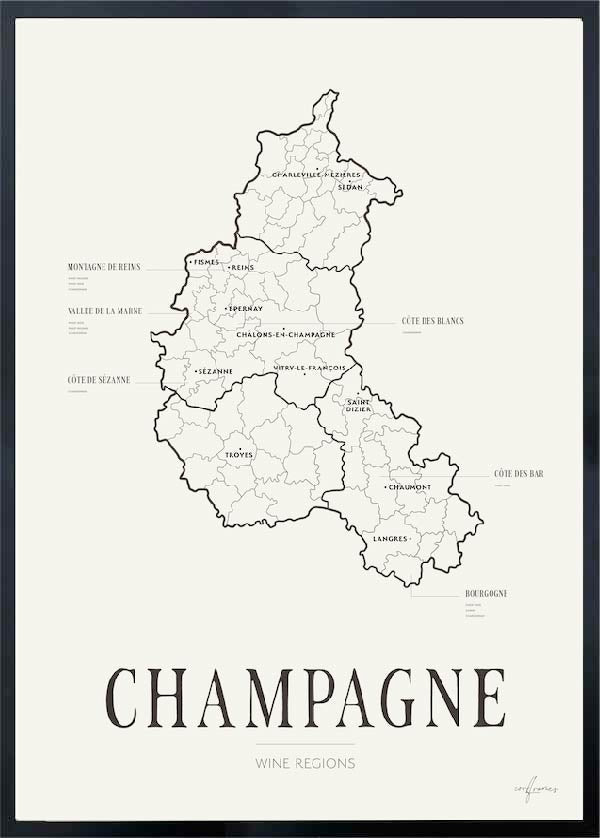
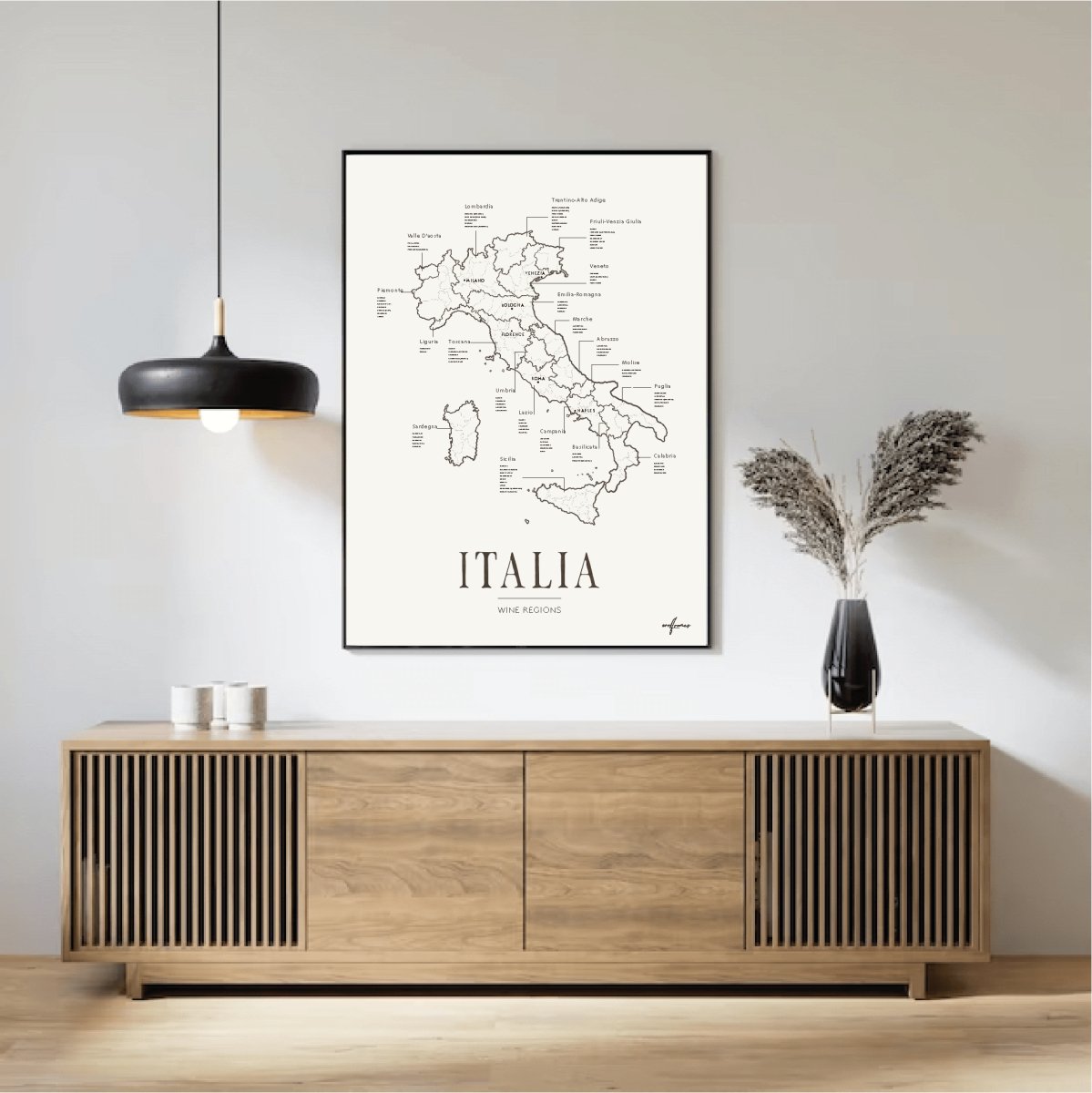
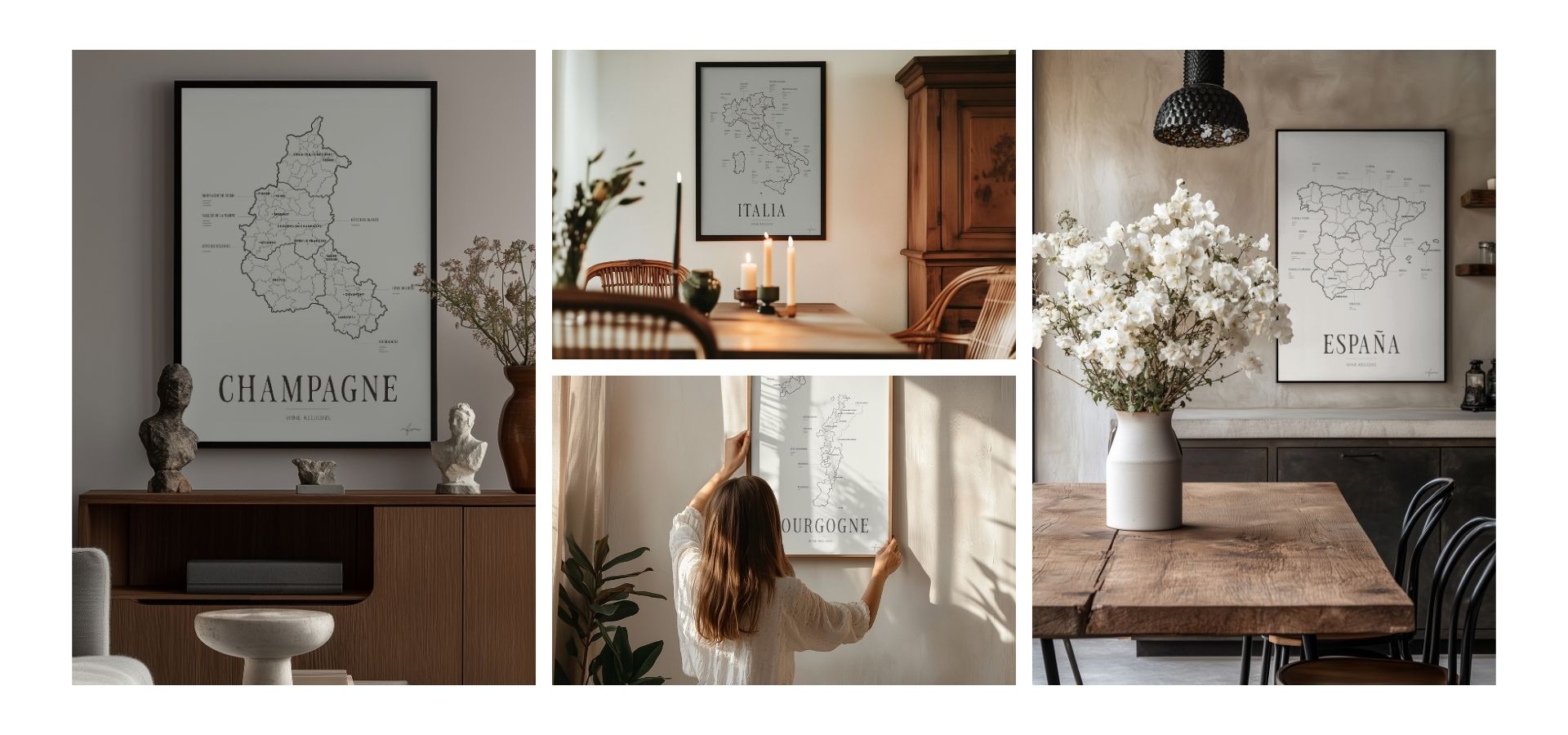
The Wine Maps Collection offers a visual way to explore influential European wine countries and connect appellations with their locations.
Which Countries Are Considered New World?
New World wine regions are generally found outside Europe. Common examples include:
The United States
Australia
New Zealand
Chile
Argentina
South Africa
Canada
Uruguay
The name can be misleading. Countries such as South Africa, Chile and Argentina have produced wine for centuries. “New World” refers to conventional wine geography rather than the actual age or sophistication of a country’s wine culture.
New World labels often make the grape easier to identify. Bottles may clearly state California Cabernet Sauvignon, Marlborough Sauvignon Blanc or Mendoza Malbec.
However, this is a general tendency rather than a rule. Many New World producers now emphasise specific vineyards and smaller regional identities, while European producers may place grape names prominently on their labels.
Old World vs New World Wine at a Glance
The categories are most useful when comparing broad traditions:
Old World wine
Usually associated with Europe
Often labelled by region or appellation
Frequently shaped by detailed regional regulations
Strong emphasis on geographical origin and local tradition
New World wine
Usually associated with countries outside Europe
Often labelled clearly by grape variety
Historically linked to greater flexibility in grape selection and production
Strong emphasis on producer, grape and regional expression
These differences can help when reading a label, but they should not be used as fixed rules for judging flavour or quality.
Do Old World and New World Wines Taste Different?
Old World wines are often described as earthy, restrained, savoury and high in acidity. New World wines are commonly described as ripe, fruit-forward and fuller in body.
These descriptions are familiar, but they oversimplify the enormous variation within both categories.
A cool-climate Pinot Noir from New Zealand may be lighter and more restrained than a warm-climate European red. A wine from southern Italy may show riper fruit than one from coastal Chile. Producers in Australia, Oregon and South Africa may focus on terroir just as closely as producers in Burgundy or the Rhône Valley.
Wine style depends on factors such as:
Climate and vintage conditions
Grape variety
Soil and vineyard exposure
Harvest timing
Fermentation methods
Oak ageing
The producer’s intended style
Geography offers context, but it cannot predict exactly how the wine will taste.
Are Old World Wines More Regulated?
Many European wine regions have detailed appellation systems that define where grapes may be grown, which varieties can be used and how the wine must be produced.
Examples include:
Appellation d’Origine Protégée in France
Denominazione di Origine Controllata in Italy
Denominación de Origen in Spain
New World countries also protect geographical names and regulate production, although producers have traditionally had more freedom to experiment with grapes, blends and labelling.
That distinction is becoming less clear. Some New World regions now have strict standards, while European producers may choose broader classifications when traditional appellation rules do not suit the wine they want to make.
Which Is Better: Old World or New World Wine?
Neither category is inherently better. Quality depends on the vineyard, producer, vintage, storage and whether the wine suits your taste.
A more useful approach is to compare the same grape from different places:
Sauvignon Blanc from France and New Zealand
Pinot Noir from Burgundy and Oregon
Syrah from the northern Rhône and Australia
Cabernet Sauvignon from Bordeaux and California
Chardonnay from Chablis and Margaret River
This type of tasting shows how climate, region and production influence a grape without reducing the comparison to one style being superior.
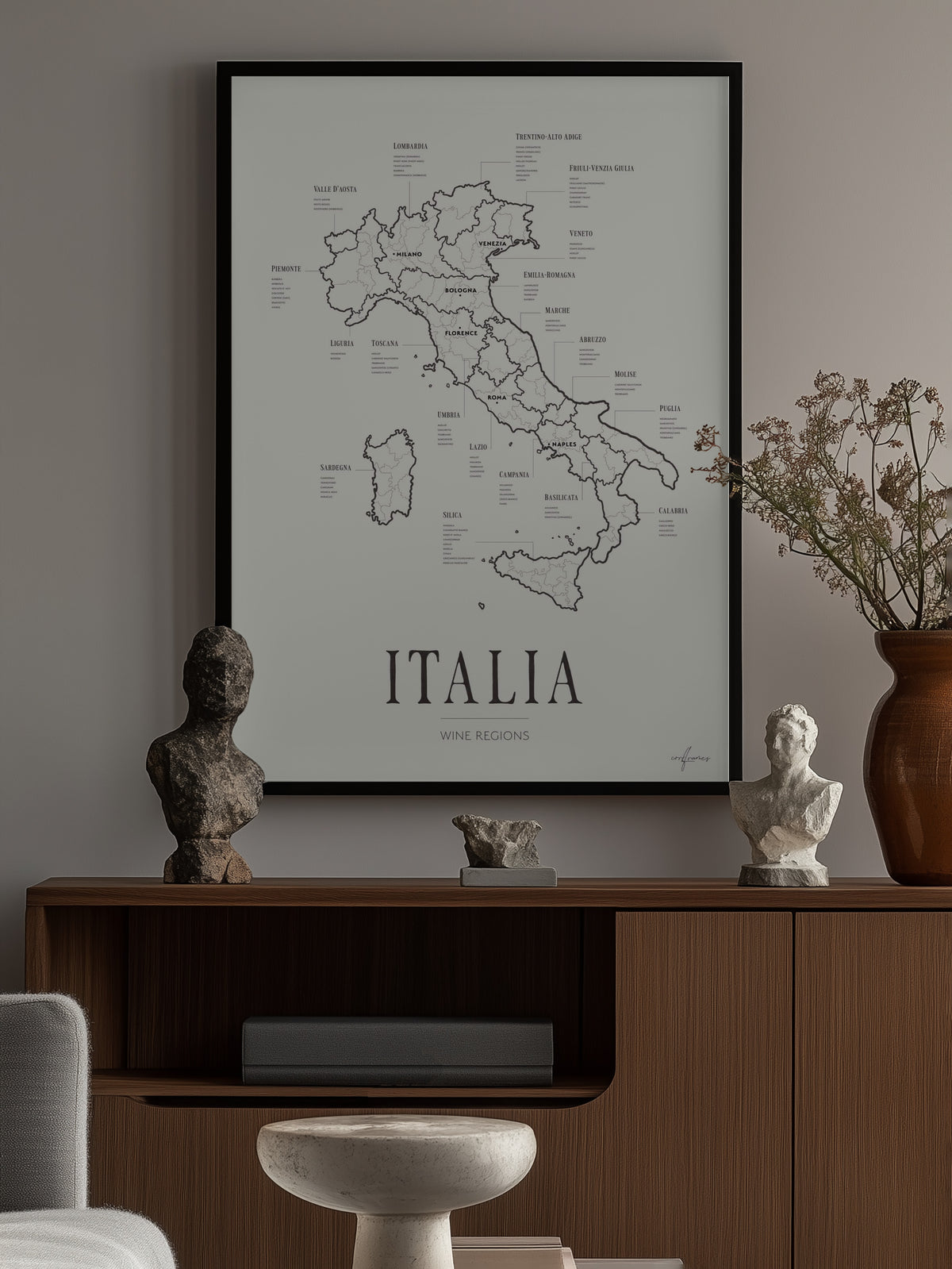
For a closer look at established European regions, explore the France Wine Region Map and Italia Wine Region Map.
Use the Terms as a Starting Point
Old World and New World remain useful introductions to wine geography and label conventions. They become less helpful when used as rigid definitions of flavour, tradition or quality.
Begin with the country and region, then consider the grape variety, climate, producer and vintage. A wine map can make those connections easier to understand and provide a clearer picture of how the world’s major wine areas relate to one another.
Frequently Asked Questions
Is South Africa an Old World or New World wine country?
South Africa is generally classified as New World, although its commercial winemaking history dates back to the seventeenth century. The term reflects conventional wine geography rather than the actual age of its industry.
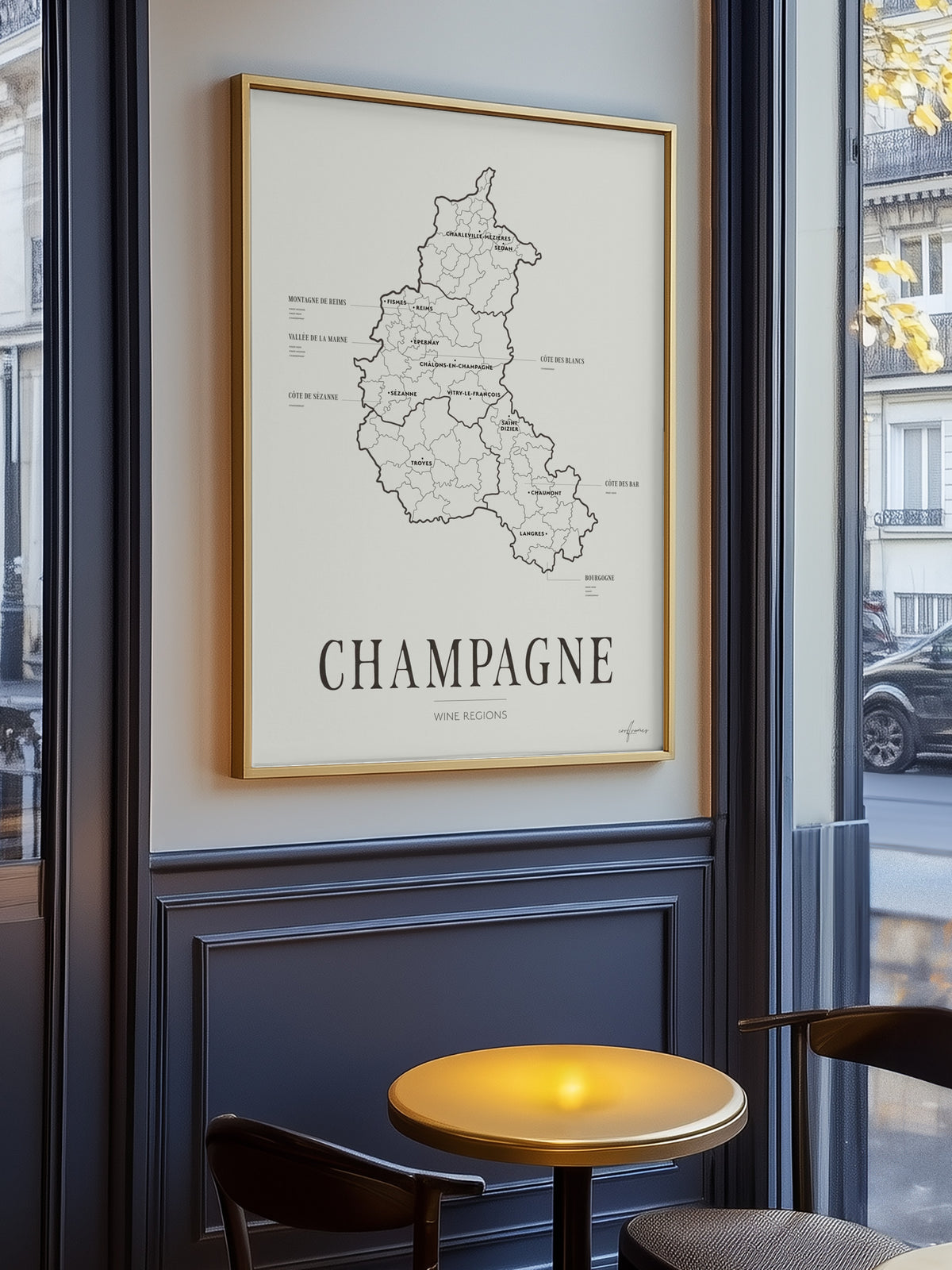
Is Champagne considered Old World wine?
Yes. Champagne comes from a protected wine region in France and is considered Old World wine. Its identity is closely linked to geographical origin, regional regulations and traditional production methods.
Are New World wines always fruitier?
No. Some are made in a ripe, fruit-led style, but many New World regions have cool climates and produce restrained, high-acid wines. Grape variety, vineyard conditions and producer choices are more useful indicators than the category alone.