
What Is the Difference Between Chianti and Chianti Classico?
The key difference is where the wine comes from.
Chianti Classico DOCG is produced in the historic Chianti territory between Florence and Siena. Chianti DOCG covers a much larger area of Tuscany surrounding, but separate from, the Chianti Classico zone.
Both wines are closely associated with Sangiovese, but they are governed by different regulations. Chianti Classico currently requires at least 80% Sangiovese for its Annata and Riserva wines, while the updated 2026 rules for Chianti DOCG allow between 60% and 100% Sangiovese.
So, despite the similar names, Chianti Classico is not simply a higher-quality version of Chianti. It is a different denomination with its own territory and rules.
Where Are Chianti and Chianti Classico Produced?
Chianti Classico occupies the historic centre of the Chianti area between Florence and Siena. Its production zone includes all or parts of nine municipalities, including Greve in Chianti, Radda in Chianti, Gaiole in Chianti and Castellina in Chianti.
Chianti DOCG covers a broader section of central Tuscany and includes several subzones. These include Chianti Rufina, Colli Senesi, Colli Fiorentini, Montalbano and, following changes introduced in 2026, Terre di Vinci.
This geography is one of the main reasons the names can be confusing on a bottle.
The Tuscany Wine Map is particularly useful here because it places Tuscany’s wine areas in context, making it easier to see how Chianti relates to other famous Tuscan names such as Montalcino and Montepulciano. The map is available in several sizes and is designed around Tuscany’s wine regions and associated grapes.
What Grapes Are Used in Chianti and Chianti Classico?
Sangiovese remains the defining grape of both denominations, but the blending rules are different.
Under the current Chianti DOCG regulations, Sangiovese can make up between 60% and 100% of the blend. Other varieties authorised for cultivation in Tuscany may make up the remainder within the denomination’s rules.
For Chianti Classico:
Annata: minimum 80% Sangiovese
Riserva: minimum 80% Sangiovese
Gran Selezione: minimum 90% Sangiovese
Chianti Classico Annata and Riserva may contain up to 20% other authorised red grapes. Gran Selezione is more restrictive, allowing a maximum of 10% indigenous red varieties.
This does not mean one blend is automatically better than another. Producer, vineyard, vintage and winemaking remain fundamental to the finished wine.
What Do Annata, Riserva and Gran Selezione Mean?
Chianti Classico has three principal categories, each with different ageing requirements.
Chianti Classico Annata
Minimum ageing: 12 months.
Chianti Classico Riserva
Minimum ageing: 24 months, including at least three months of bottle refinement.
Chianti Classico Gran Selezione
Minimum ageing: 30 months, including at least three months in bottle. It must contain at least 90% Sangiovese and be produced from estate-controlled grapes.
Gran Selezione sits at the top of the Chianti Classico classification hierarchy, but that still does not mean every wine will suit every drinker better. The categories tell you about production requirements and positioning within the denomination, not your personal preference.
Chianti DOCG has its own categories and ageing rules, so a Chianti Riserva should not be interpreted according to Chianti Classico regulations.
How Can You Tell Chianti Classico From Chianti?
The easiest clue is the label.
Look for the words Chianti Classico DOCG and the Black Rooster, or Gallo Nero, the historic symbol associated with the Chianti Classico territory.
A bottle labelled simply Chianti DOCG, Chianti Rufina or another Chianti subzone belongs to the separate Chianti denomination.
This is an important distinction because the word “Classico” in this case refers to geographical origin. It indicates the historic Chianti production zone rather than simply describing a more traditional or prestigious style.
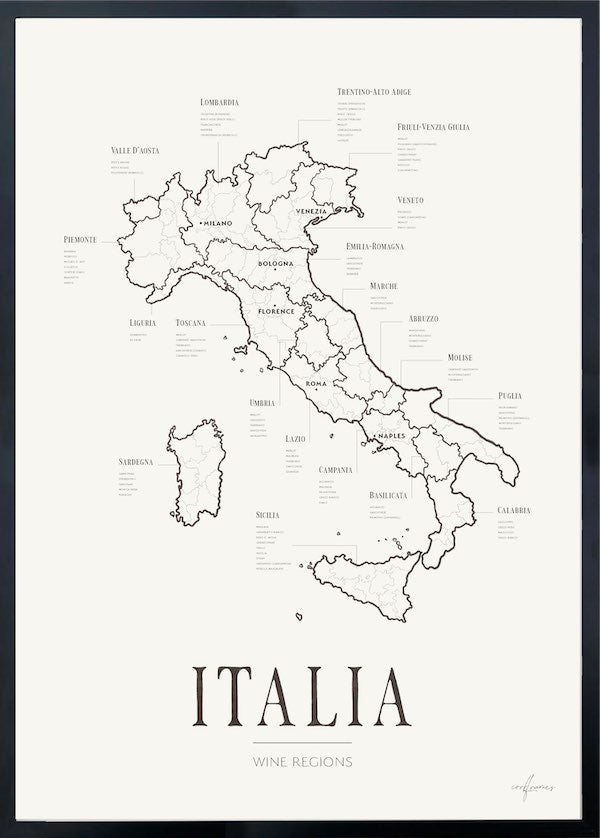
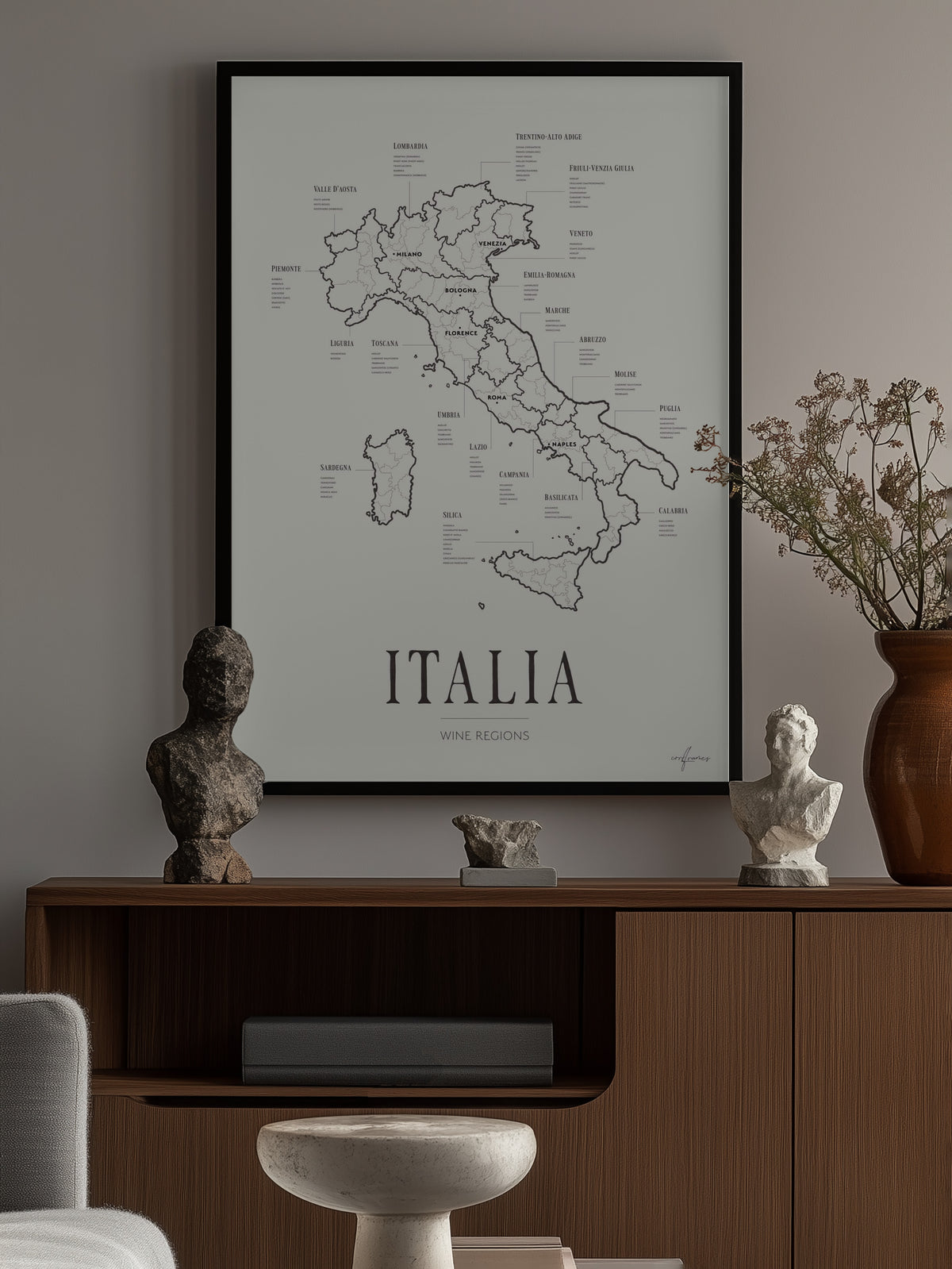
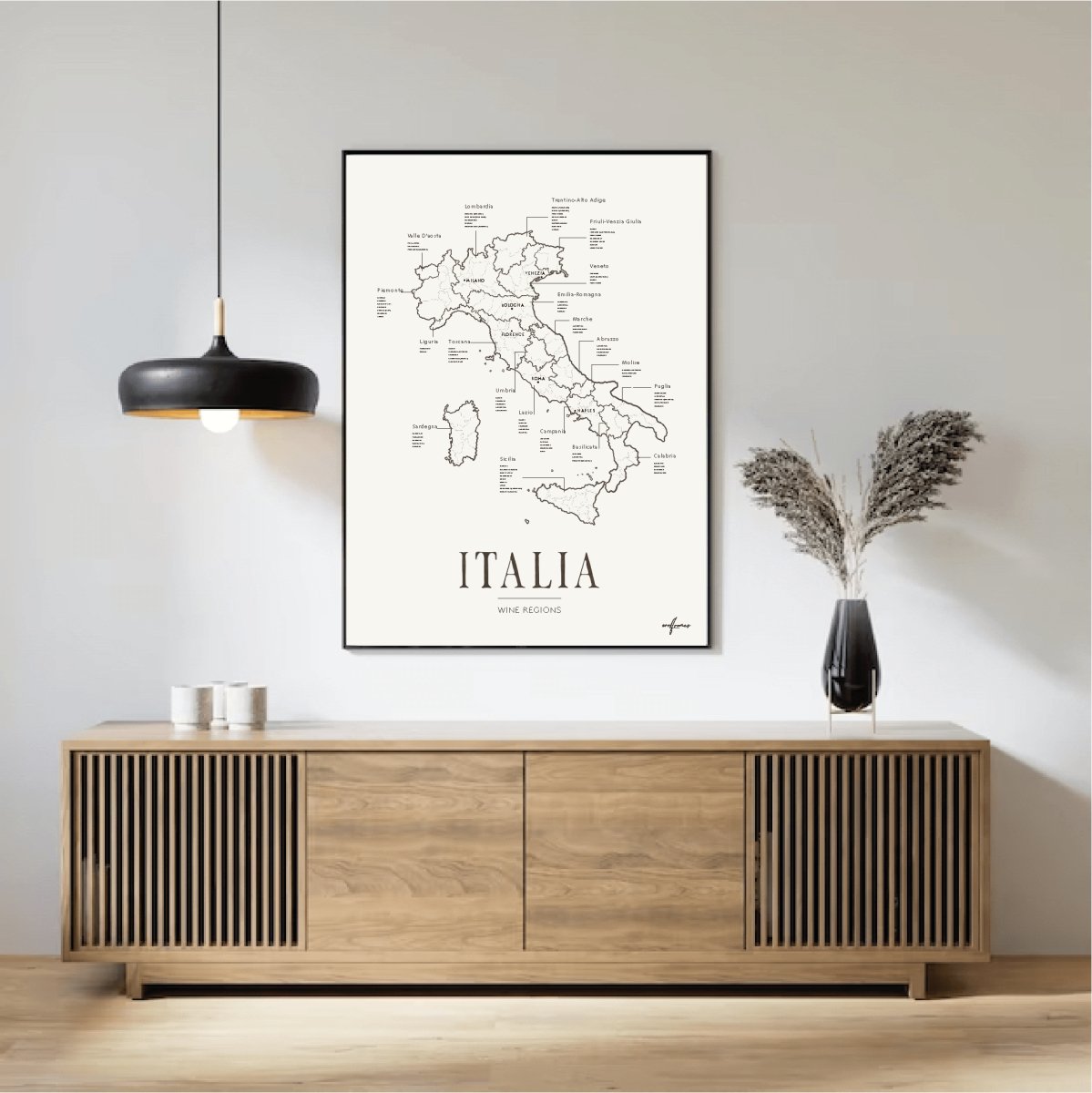
For anyone exploring Italian wine more broadly, the Italia Wine Region Map provides the wider context, showing all 20 Italian wine regions and their commonly associated grapes.
Does Chianti Classico Taste Different From Chianti?
There is no single tasting profile that reliably separates every Chianti from every Chianti Classico.
Sangiovese commonly brings flavours such as sour cherry and other red fruits, together with noticeable acidity and tannin. Chianti DOCG can range from fresh, youthful wines to more structured Riserva examples. The official Chianti Consortium describes the wines as typically dry, fresh and lightly tannic, often showing violet and small red-fruit aromas.
Chianti Classico can also vary substantially depending on vineyard location, altitude, vintage, ageing and producer style. An Annata intended for relatively early drinking will usually present differently from a Gran Selezione aged for at least 30 months.
Rather than assuming that Chianti Classico always tastes “better”, think of the two wines as expressions of different geographical denominations built around the same important Tuscan grape.
Which Should You Choose: Chianti or Chianti Classico?
Choose according to the bottle, producer and style you want rather than the name alone.
A younger Chianti can be an excellent match for uncomplicated meals such as pasta with tomato sauce, pizza or charcuterie. More structured Chianti and Chianti Classico wines can work particularly well with roasted meats, aged cheeses and classic Tuscan dishes.
If you are exploring Tuscany, tasting the two side by side is one of the easiest ways to understand the distinction. Check the denomination on each bottle, look at where it comes from on a map and compare how the wines express Sangiovese.
That connection between grape, place and label is ultimately what makes Italian wine classifications much easier to understand.
Frequently Asked Questions
Is Chianti Classico better than Chianti?
Not necessarily. Chianti and Chianti Classico are separate DOCG denominations with different production areas and regulations. Quality varies within both, so producer, vineyard, vintage and style should also guide your choice.
What does the Black Rooster mean on Chianti Classico?
The Black Rooster, or Gallo Nero, is the symbol of Chianti Classico and helps identify wines from the denomination’s historic production area.
How much Sangiovese is required in Chianti?
Under the updated Chianti DOCG regulations published in 2026, Sangiovese may account for 60% to 100% of the blend. Chianti Classico Annata and Riserva require at least 80%, while Gran Selezione requires at least 90%.