
Understanding the Champagne Wine Region
Champagne comes from a defined wine region in north-eastern France. Only sparkling wine produced within the protected appellation and according to its regulations may be sold under the name Champagne.
The vineyards are spread across a cool, relatively northerly landscape where slopes, soils and local climate influence how the grapes develop. Although Champagne is one appellation, its villages and vineyard areas produce wines with noticeably different characteristics.
The Four Main Wine-Growing Areas
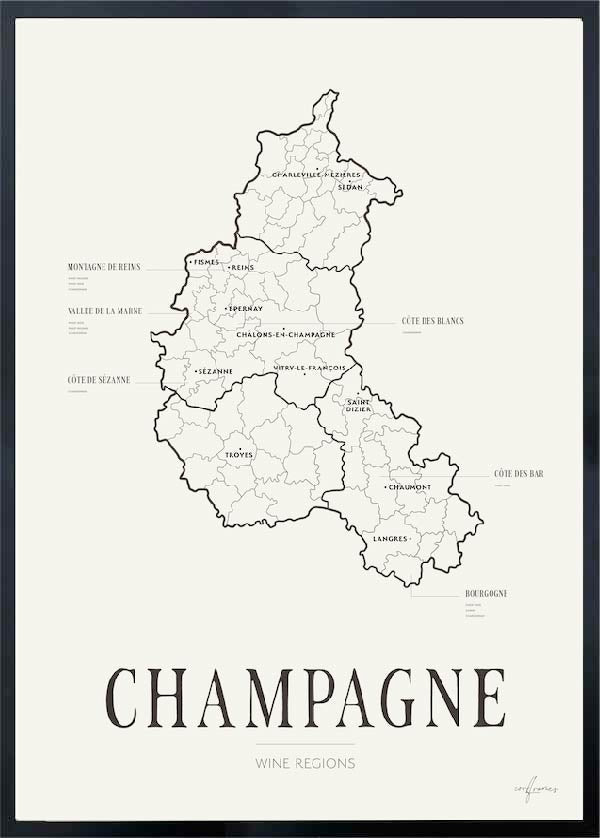
The Champagne vineyard is commonly divided into four principal subregions: Montagne de Reims, Vallée de la Marne, Côte des Blancs and Côte des Bar.
Montagne de Reims
Montagne de Reims lies between Reims and Épernay and is strongly associated with Pinot Noir.
Its vineyards cover a mixture of slopes and exposures, creating variation between individual villages. Pinot Noir from this area often contributes structure and depth to Champagne blends.
Well-known villages include:
Ambonnay
Bouzy
Verzenay
Verzy
Mailly-Champagne
Vallée de la Marne
The Vallée de la Marne follows the Marne River westwards from Épernay. Meunier is particularly important here and performs well in areas where frost can be a concern.
Meunier commonly contributes fruit, softness and approachability to a blend. Important villages include Aÿ, Mareuil-sur-Aÿ and Cumières, although grape varieties and styles vary throughout the valley.
Côte des Blancs
South of Épernay, the Côte des Blancs is celebrated for Chardonnay.
Its chalk-rich slopes help produce wines valued for freshness, precision and ageing potential. The area is central to many Blanc de Blancs Champagnes, made entirely from white grapes.
Recognised villages include:
Avize
Cramant
Le Mesnil-sur-Oger
Oger
Chouilly
Côte des Bar
The Côte des Bar lies further south in the Aube department, closer to Burgundy than to Reims.
Pinot Noir dominates much of the area. Its Champagnes can show ripe fruit and generous texture, although styles differ considerably between producers and vineyard sites. The region has also become closely associated with smaller grower-producers making wines that highlight individual places.
The Main Grapes Used in Champagne
Three grape varieties account for most Champagne production: Chardonnay, Pinot Noir and Meunier.
Chardonnay
Chardonnay can bring acidity, citrus character, floral notes and finesse. It is the only white grape among the three principal varieties and is strongly connected to the Côte des Blancs.
A Champagne labelled Blanc de Blancs is generally made from white grapes, most commonly Chardonnay.
Pinot Noir
Pinot Noir is a dark-skinned grape that can add structure, body and depth. It is especially important in Montagne de Reims and Côte des Bar.
The juice is naturally pale, so it can be used to produce white Champagne when pressed carefully without prolonged contact with the skins.
Meunier
Meunier is also dark-skinned and is widely planted in the Vallée de la Marne. It often contributes ripe fruit, roundness and an accessible character to blends.
A Blanc de Noirs is produced from dark-skinned grapes, usually Pinot Noir, Meunier or a combination of the two.
Why Chalk Matters in Champagne
Chalk is one of the defining features of Champagne’s terroir, although soil composition varies across the region.
Its porous structure can store water while allowing drainage, helping vines cope with changing conditions. The pale soils also contribute to the regional landscape and provide extensive underground cellars, particularly around Reims and Épernay.
Terroir in Champagne is shaped by more than soil. Vineyard exposure, slope, temperature, rainfall and the choices made by growers all affect the finished wine.
Blending, Vintage and Style
Many Champagnes are blends of different grape varieties, villages and harvest years. Reserve wines from previous vintages may be included to maintain a consistent house style.
A non-vintage Champagne is designed to express a recognisable style across different releases. Vintage Champagne is produced from grapes harvested in one declared year and is usually made when the producer believes the harvest has particular character or ageing potential.
Other useful terms include:
Brut: a dry style and one of the most common dosage categories
Extra Brut: lower dosage and generally drier
Brut Nature: made with very little or no added dosage
Rosé Champagne: produced through permitted methods that give the wine its pink colour
Prestige cuvée: a producer’s top or flagship bottling
Exploring Champagne Through a Wine Map
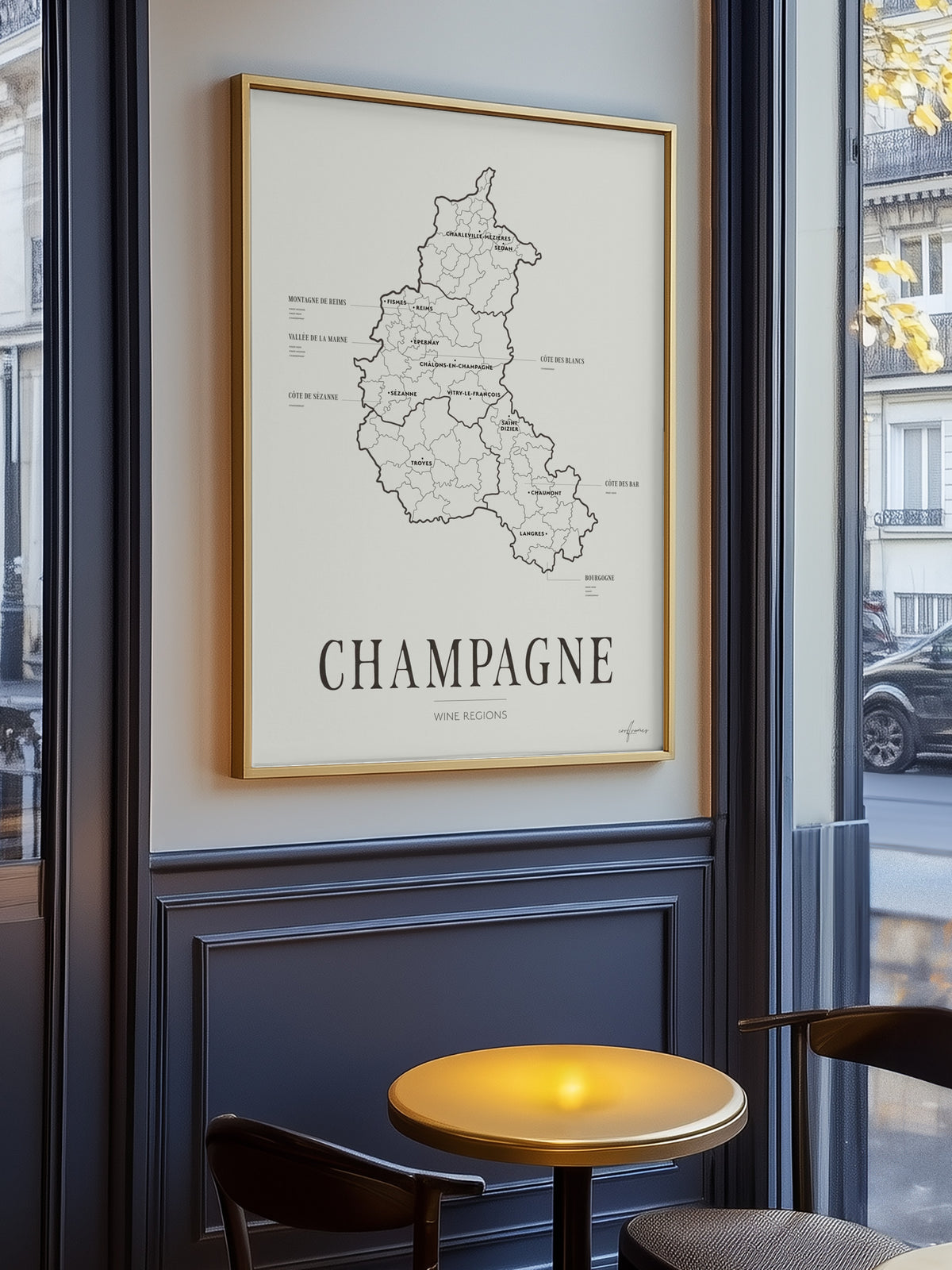
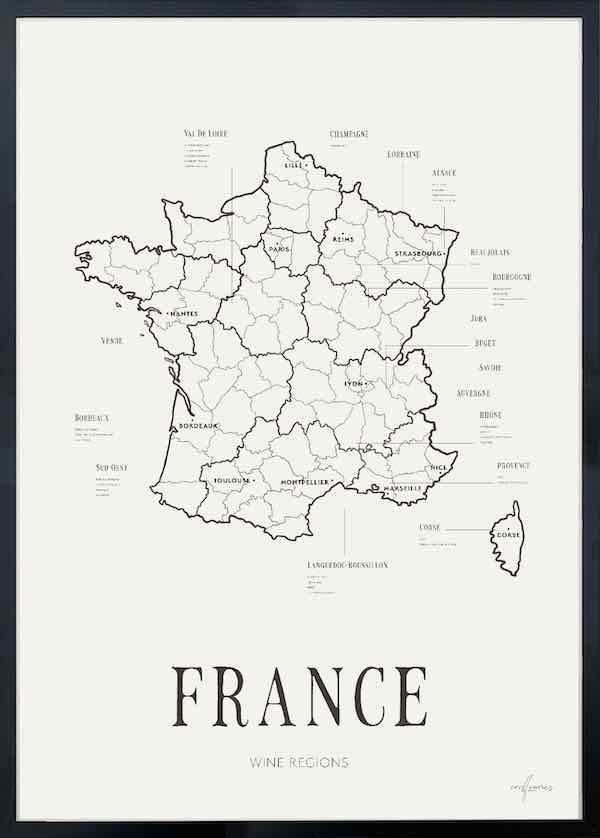
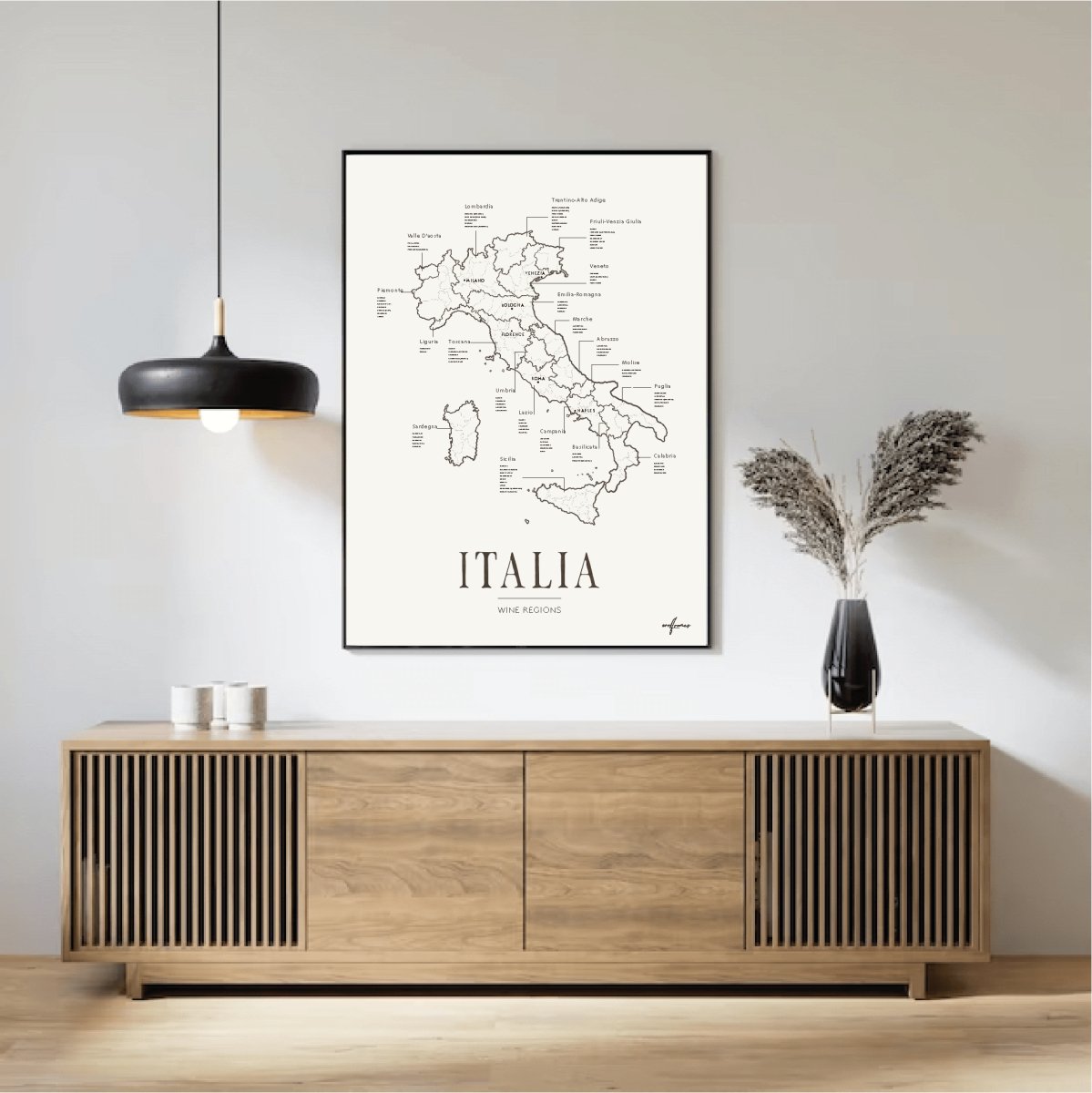
A map makes it easier to understand the distance between Reims, Épernay and the southern vineyards of the Côte des Bar. It also shows how the main wine-growing areas and villages relate to one another.
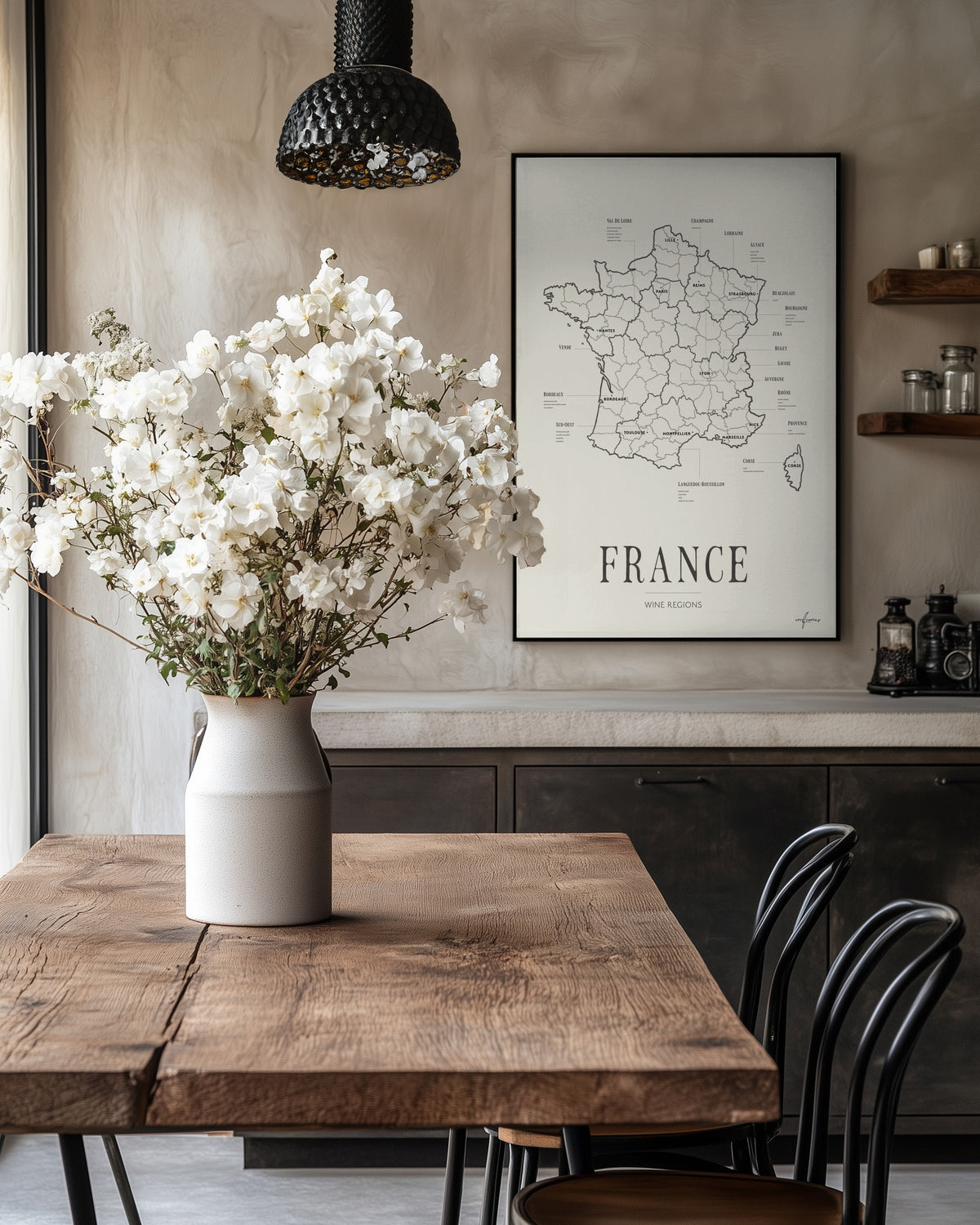
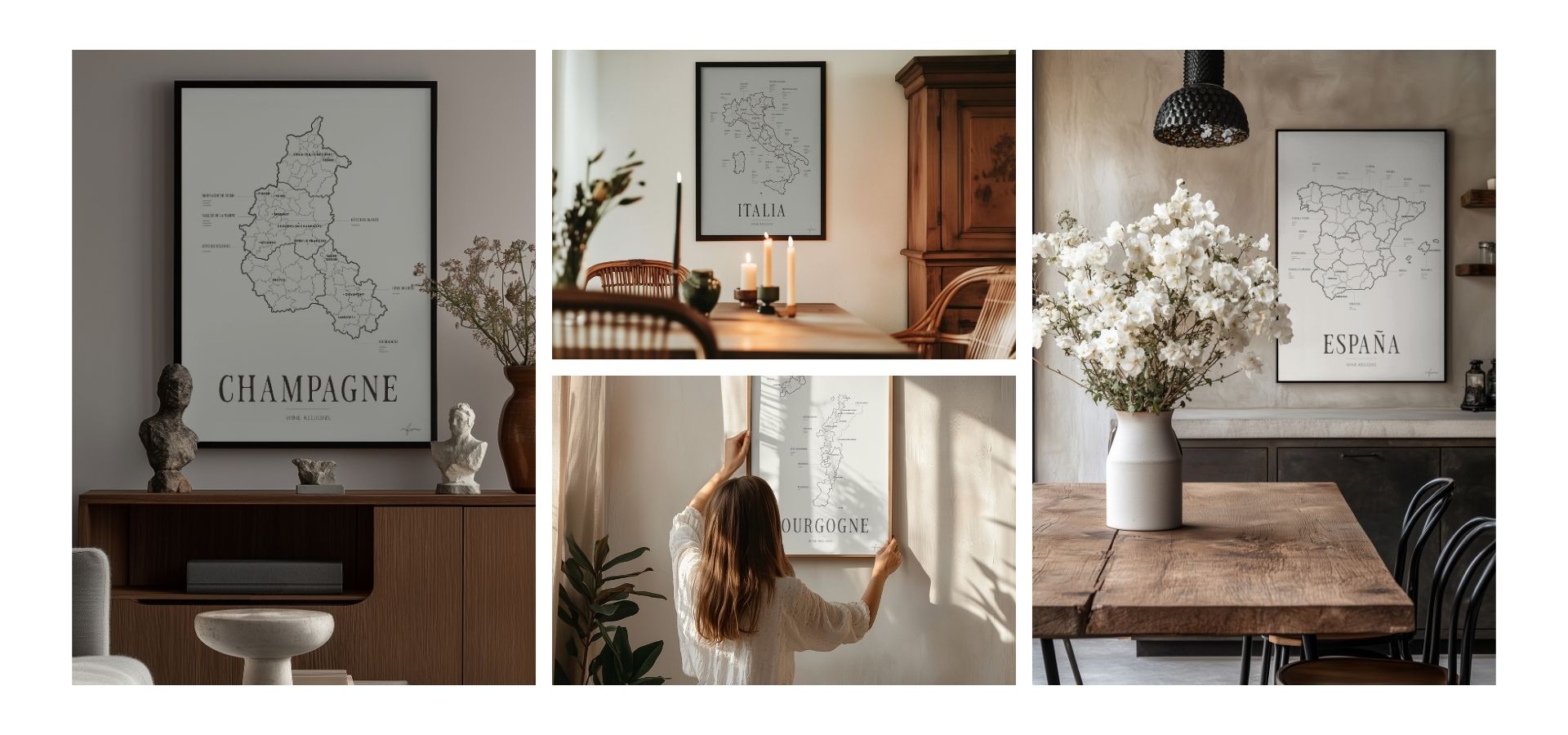
The Champagne Wine Map from Corkframes combines the geography of the region with a design suitable for a kitchen, dining room or home wine space.
You can also explore the complete Wine Maps Collection for maps of other influential wine countries and regions.
A Region Best Understood Through Place
Champagne may be famous for celebration, but its identity begins in the vineyards. Chardonnay, Pinot Noir and Meunier respond differently to the region’s slopes, soils and local climates, giving producers a broad range of components to work with.
Learning the four main wine-growing areas provides a clearer understanding of what appears on a bottle label and why individual Champagnes can taste so different.
Frequently Asked Questions
What are the main areas of Champagne?
The four principal wine-growing areas are Montagne de Reims, Vallée de la Marne, Côte des Blancs and Côte des Bar.
Which grapes are used to make Champagne?
The three principal grapes are Chardonnay, Pinot Noir and Meunier.
What does Blanc de Blancs mean?
Blanc de Blancs means “white from whites” and usually refers to Champagne made entirely from Chardonnay.
Can sparkling wine made outside Champagne use the name?
No. Champagne is a protected geographical designation reserved for wine produced within the appellation under its established rules.
Explore the map: Champagne Wine Map — our detailed map of the Champagne wine regions.