
What Is the Difference Between Bordeaux Left Bank and Right Bank?
The clearest difference is geographical. Bordeaux’s Left Bank lies mainly west and south of the Gironde estuary and Garonne River, while the Right Bank is centred around Saint-Émilion, Pomerol and Fronsac, north of the Dordogne.
The two sides are also associated with different grapes and soils. In simple terms, Cabernet Sauvignon is commonly the leading grape on the Left Bank, while Merlot usually dominates on the Right Bank. Bordeaux itself cautions that this is a useful shorthand rather than a rule for every appellation or producer.
Bordeaux Left Bank vs Right Bank at a Glance
Left Bank
Cabernet Sauvignon commonly leads the blend
Gravel soils are particularly important
Key areas include Médoc, Graves and Pessac-Léognan
Famous appellations include Pauillac, Margaux, Saint-Julien and Saint-Estèphe
Wines are often structured, tannic and suited to ageing
Right Bank
Merlot commonly leads the blend
Clay and limestone are important across many vineyards
Key areas include Saint-Émilion, Pomerol and Fronsac
Cabernet Franc often plays an important supporting role
Wines are often rounder and more supple in texture
These are tendencies rather than fixed tasting rules. Soil, vintage, vineyard and producer choices create substantial variation within both banks.
Where Are the Left Bank and Right Bank?
The Gironde estuary is formed where the Garonne and Dordogne rivers meet, and those waterways make Bordeaux’s geography much easier to understand.
On the Left Bank, the Médoc stretches north of the city of Bordeaux and contains appellations such as Margaux, Pauillac, Saint-Julien and Saint-Estèphe. South of the city are Graves and Pessac-Léognan.
The Right Bank is centred around the town of Libourne and includes Saint-Émilion, Pomerol, Fronsac and several neighbouring appellations.
Between the Garonne and Dordogne lies Entre-deux-Mers, which is not normally described as belonging to either bank.
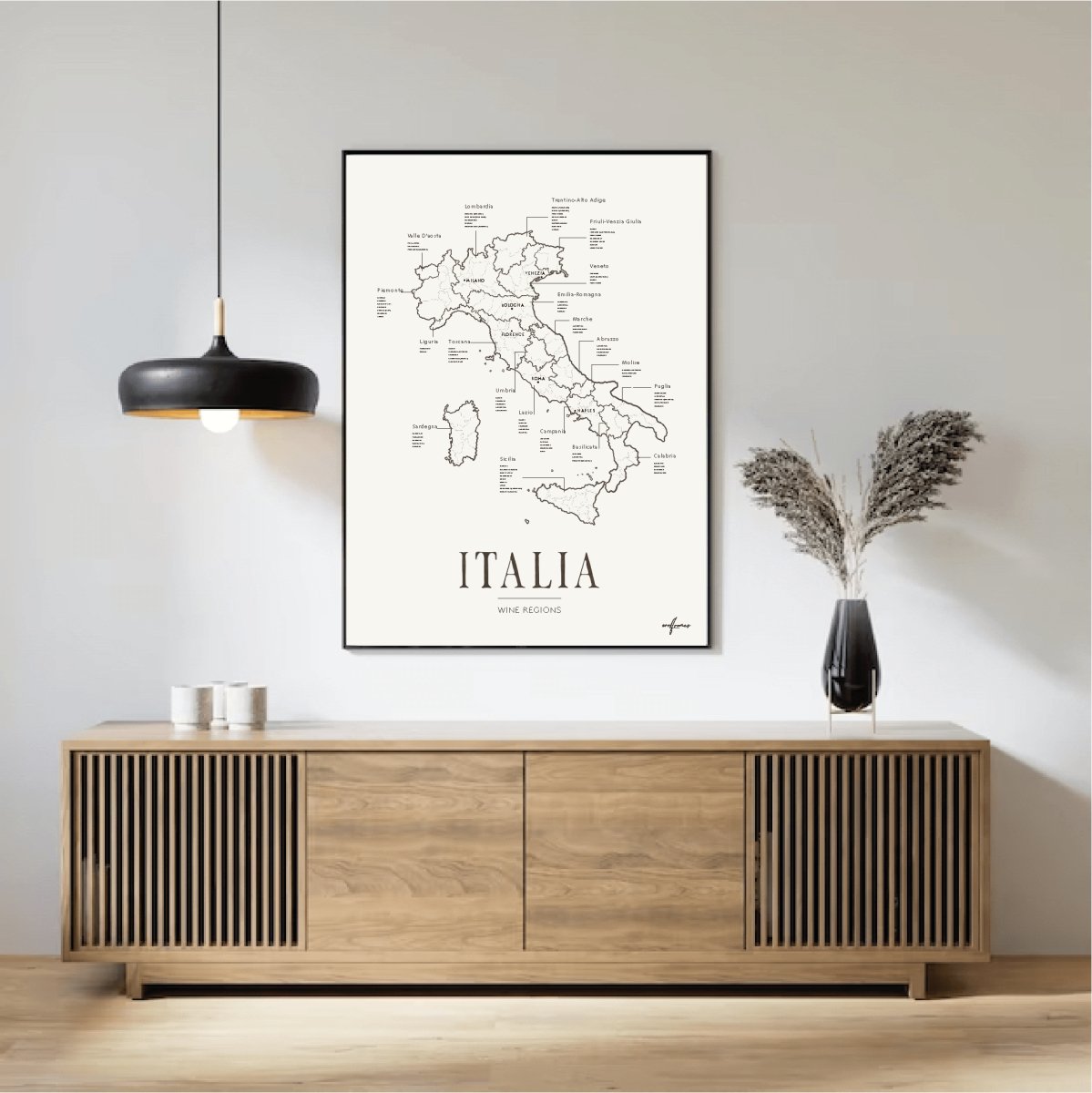
A map is particularly useful in Bordeaux because the rivers explain much of the terminology. The Bordeaux Wine Map – Wine Regions & Châteaux shows the region’s principal wine areas, appellations and selected renowned châteaux, making it easier to see how the banks relate to one another.
Why Is Cabernet Sauvignon Linked to the Left Bank?
Gravel is a defining feature of many famous Left Bank vineyards. These well-drained soils can retain warmth, which suits Cabernet Sauvignon, a grape that ripens relatively late.
In appellations such as Saint-Julien, Cabernet Sauvignon commonly forms the backbone of the blend, supported by Merlot and smaller proportions of other permitted varieties. Bordeaux describes Saint-Julien wines as Cabernet-led, with Merlot contributing roundness and softness.
Typical Left Bank characteristics may include:
Blackcurrant and dark fruit
Cedar or graphite notes
Firm tannins
Fresh acidity
Good ageing potential
However, even the Médoc has exceptions. In Listrac-Médoc, for example, Merlot is the main planted grape, showing why “Left Bank equals Cabernet” should never be treated as an absolute rule.
Why Is Merlot Linked to the Right Bank?
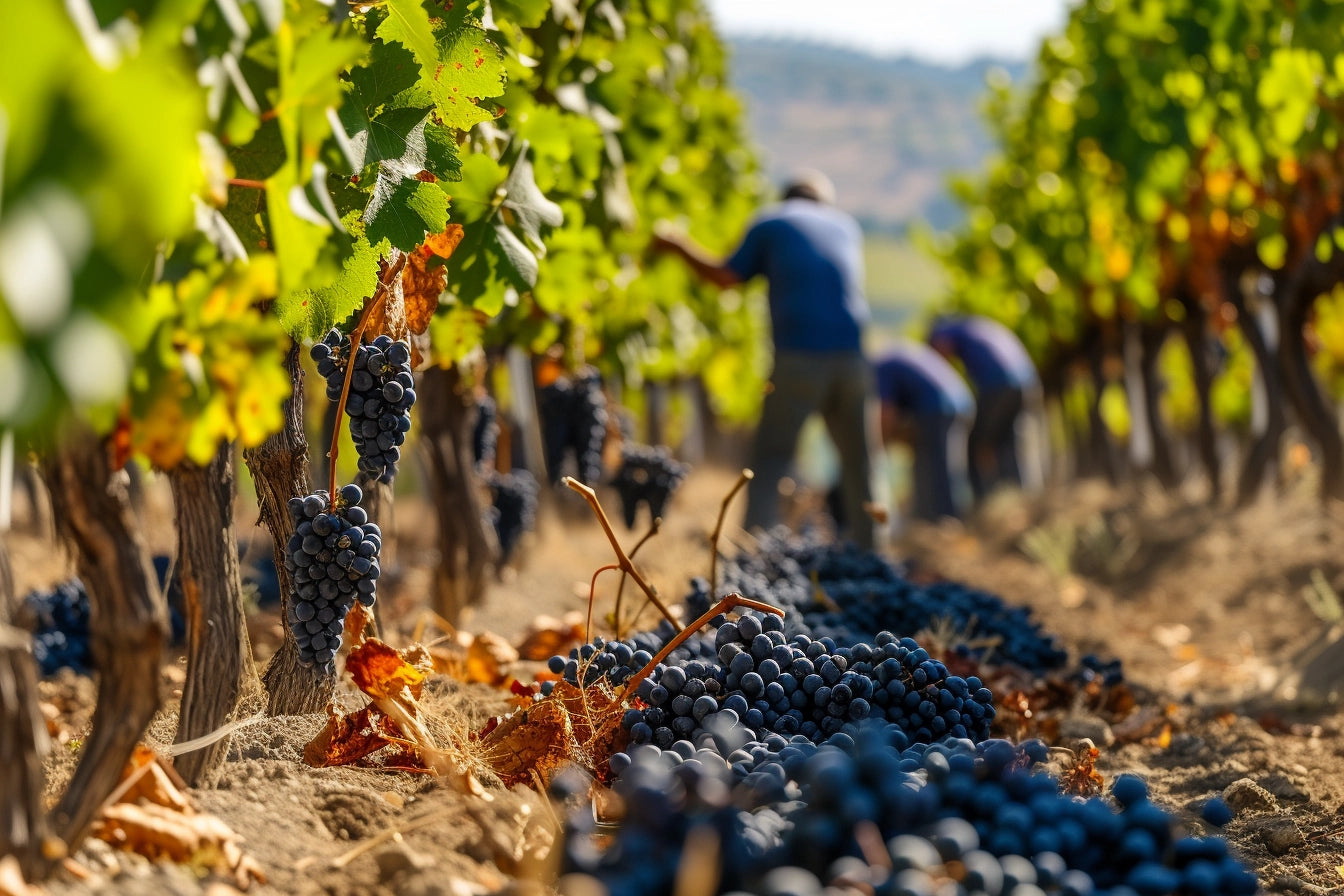
The Right Bank contains a varied mix of clay, limestone, gravel and sandy soils. Merlot performs particularly well in many of these sites and ripens earlier than Cabernet Sauvignon.
In Saint-Émilion, Pomerol and Fronsac, Merlot plays a central role, often complemented by Cabernet Franc and Cabernet Sauvignon. Bordeaux describes these areas as a patchwork of limestone and clay soils shaped largely by Merlot.
Right Bank wines are often associated with:
Plum and ripe dark fruit
Softer tannins
Rounder texture
Spice and floral notes
Earlier approachability in some styles
Saint-Émilion itself contains several different soil types, so wines from neighbouring vineyards can still taste noticeably different.
Which Famous Châteaux Are on Each Bank?
A few well-known estates make the geography easier to remember.
Left Bank
Château Lafite Rothschild – Pauillac
Château Latour – Pauillac
Château Margaux – Margaux
Château Haut-Brion – Pessac-Léognan
Right Bank
Château Cheval Blanc – Saint-Émilion
Château Angélus – Saint-Émilion
Château Ausone – Saint-Émilion
Pétrus – Pomerol
The classification systems are also different. The famous 1855 classification is closely associated with Left Bank estates, while Saint-Émilion has its own periodically revised classification. Pomerol has no official château classification.
The Bordeaux Wine Map places selected châteaux alongside the appellations, making it easier to connect names on a bottle with their actual location.
Which Bank Should You Choose?
Neither bank is better. They simply offer different expressions of Bordeaux.
If you enjoy Cabernet Sauvignon, firmer tannins and structured wines, start with Médoc appellations such as Pauillac, Margaux or Saint-Julien.
If you prefer Merlot-led wines with a rounder texture, explore Saint-Émilion and Pomerol.
One of the best ways to understand the difference is to taste one wine from each side together. Compare the grape blend, texture and aromas, then look at the bottles on a map. Geography quickly becomes easier to remember when it is connected to what is in the glass.
Frequently Asked Questions
Is Saint-Émilion Left Bank or Right Bank?
Saint-Émilion is on Bordeaux’s Right Bank. Its red wines are typically Merlot-led, with Cabernet Franc and Cabernet Sauvignon also playing important roles.
Is Margaux Left Bank or Right Bank?
Margaux is on the Left Bank in the Médoc. Cabernet Sauvignon commonly leads the blends, supported by Merlot and other authorised Bordeaux varieties.
Is Left Bank Bordeaux always Cabernet Sauvignon?
No. Cabernet Sauvignon is strongly associated with the Left Bank, but blends and vineyard plantings vary by appellation and estate. Listrac-Médoc, for example, has a particularly important role for Merlot.