
Barolo and Barbaresco are red wines made from 100% Nebbiolo in Piedmont, northwestern Italy. Their main differences are their production areas and ageing requirements. Barolo often has a firmer, more powerful structure, while Barbaresco frequently becomes approachable sooner. These are general tendencies: vineyard, vintage and producer all shape the individual wine. www.langhevini.it
The Same Grape, Different Parts of the Langhe
Both wines come from the Langhe hills around the town of Alba. Barolo and Barbaresco are protected geographical names, rather than grape varieties. Both hold DOCG status, with production rules covering origin, grape variety and ageing.
Barolo is produced south of Alba, within all or part of eleven municipalities. Among the best known are Barolo, La Morra, Serralunga d’Alba, Monforte d’Alba and Castiglione Falletto. www.langhevini.it
Barbaresco is produced northeast of Alba, in a smaller area encompassing Barbaresco, Neive, Treiso and part of the municipality of Alba. www.langhevini.it
Differences in soil, elevation and exposure create variation within each appellation. The name on the label therefore tells only part of the story.
How Do Barolo and Barbaresco Taste Different?
Both wines express Nebbiolo’s red-fruit and floral character, but their structure can feel different on the palate.
Barolo: Often Firmer and More Powerful
Barolo is associated with pronounced tannins, a long finish and aromas of cherries, roses, liquorice and spice. Notes of leather and tobacco can develop with maturity. A young wine may feel firm and grippy, even when its aromas are delicate and floral. www.langhevini.it
Barbaresco: Often Approachable Sooner
Barbaresco is frequently described as more delicate, with red berries, floral aromas and a structure that can feel more integrated at a younger age. This does not mean it is always soft or light. Barbaresco can also have substantial tannins and develop over many years. www.tenutacarretta.it
Both appellations produce wines with power and elegance. A Barolo can be graceful and expressive, while a Barbaresco can be concentrated and demanding in its youth.
Different Ageing Requirements
The clearest measurable difference is the mandatory ageing before release:
Barolo: at least 38 months, including a minimum of 18 months in wood.
Barbaresco: at least 26 months, including a minimum of 9 months in wood. www.tenutacarretta.it
These requirements determine when the wines may first be sold. They do not establish when an individual bottle will be at its best.
Longer mandatory ageing does not automatically give Barolo greater cellaring potential. For both wines, producer, vintage and storage conditions matter.
What Food Pairs with Barolo and Barbaresco?
Choose food according to the wine’s structure and maturity. These combinations offer useful starting points:
Slow-cooked beef or lamb with a young wine showing firm tannins.
Mushroom risotto or mushroom pasta with a bottle displaying more developed aromas.
Truffle pasta with a mature wine whose fragrance can take centre stage.
Roast poultry with mushroom sauce with a more elegant style of either Barolo or Barbaresco.
Sauces and accompaniments can influence the pairing as much as the main ingredient. Very sweet sauces or intense chilli heat may make a firm, tannic wine feel less balanced.
Barolo or Barbaresco: Which Should You Choose?
Looking for power and firm structure? Barolo is a useful starting point, but ask about the producer’s style.
Hoping to find a wine that is approachable sooner? Consider Barbaresco, while remembering that a young bottle may still need time.
Buying a bottle to cellar? Both can be rewarding choices. Look for a specific wine with an established ageing track record rather than relying on the appellation alone.
Neither is universally better. The most useful choice depends on the style you enjoy, the food you are serving and when you plan to open the bottle.
Explore the Places Behind the Wines
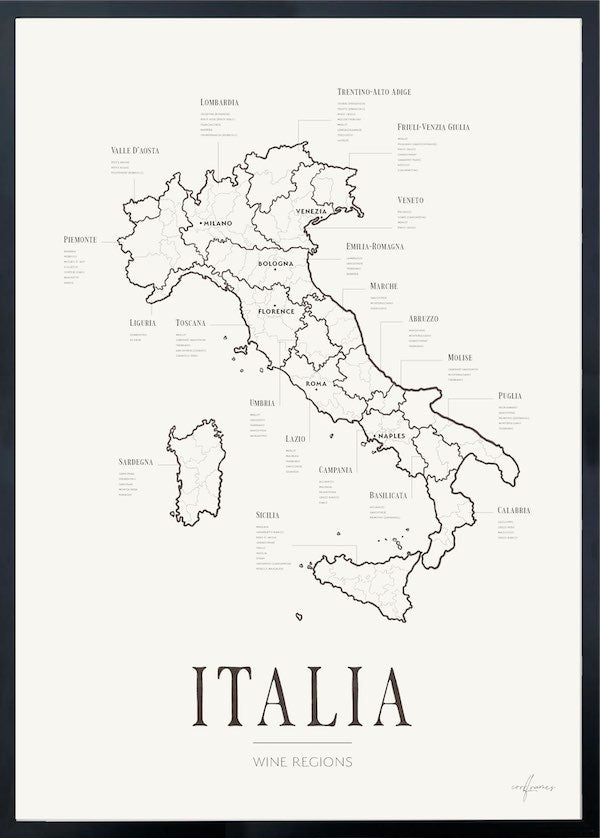
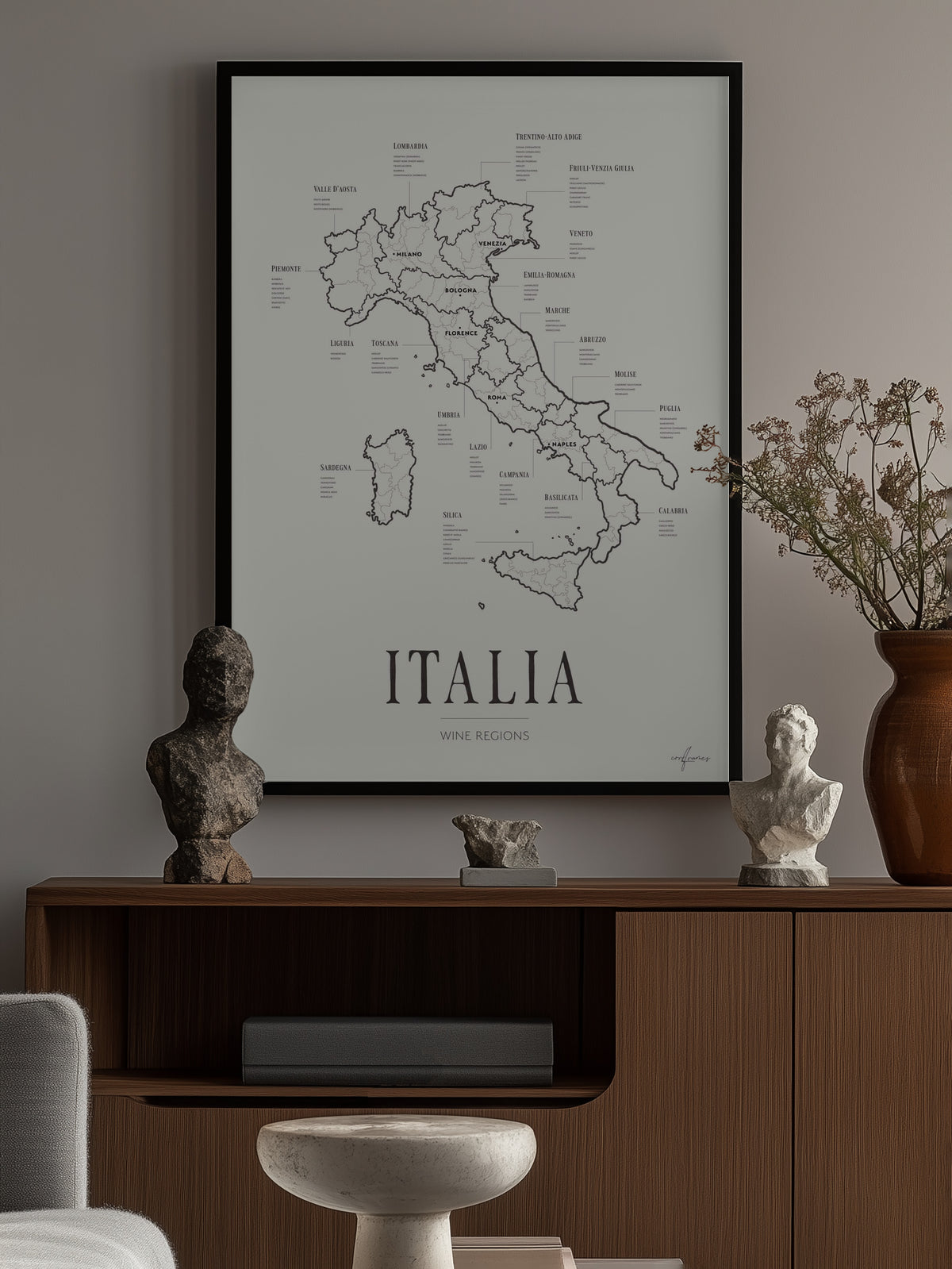
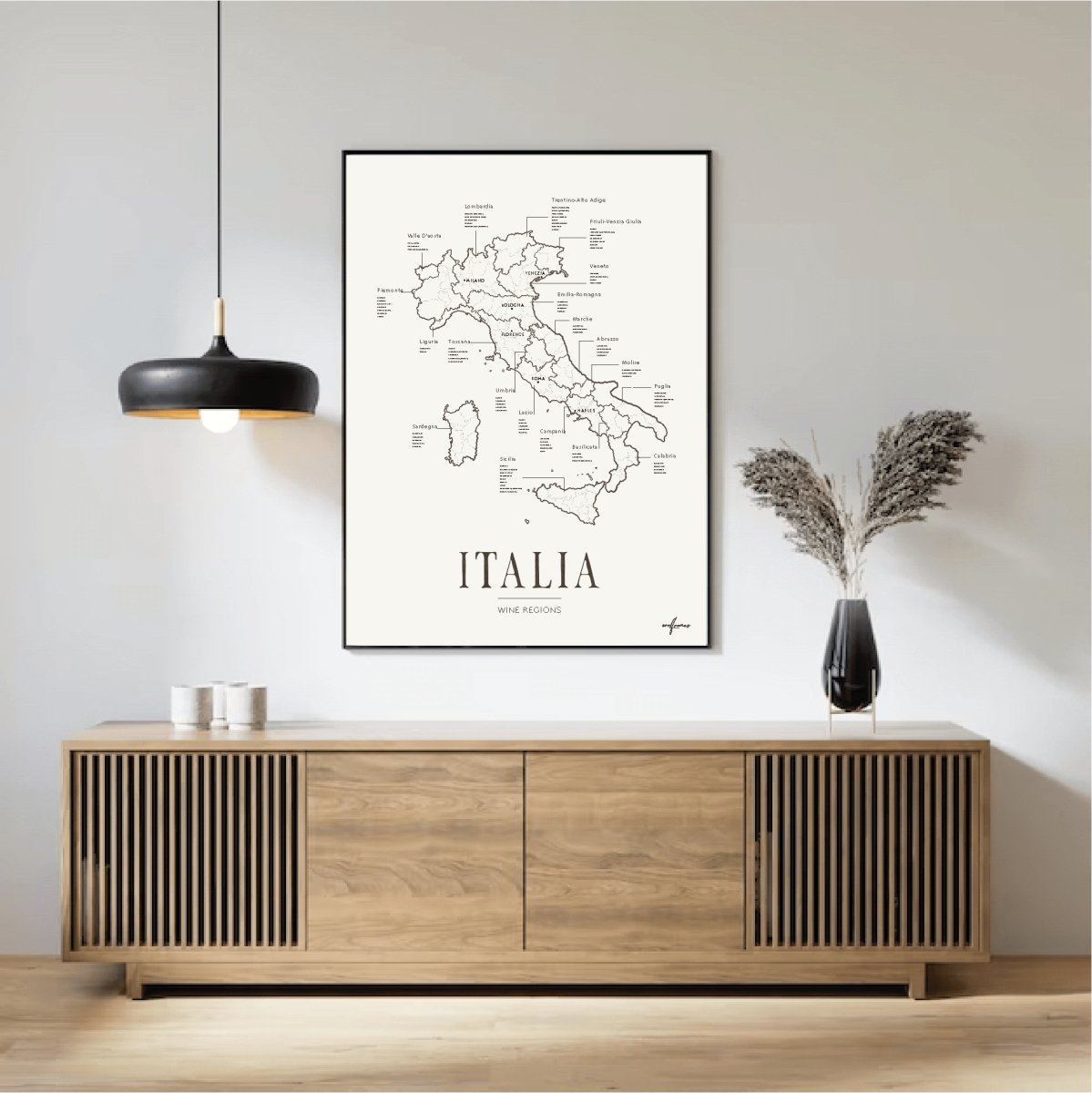
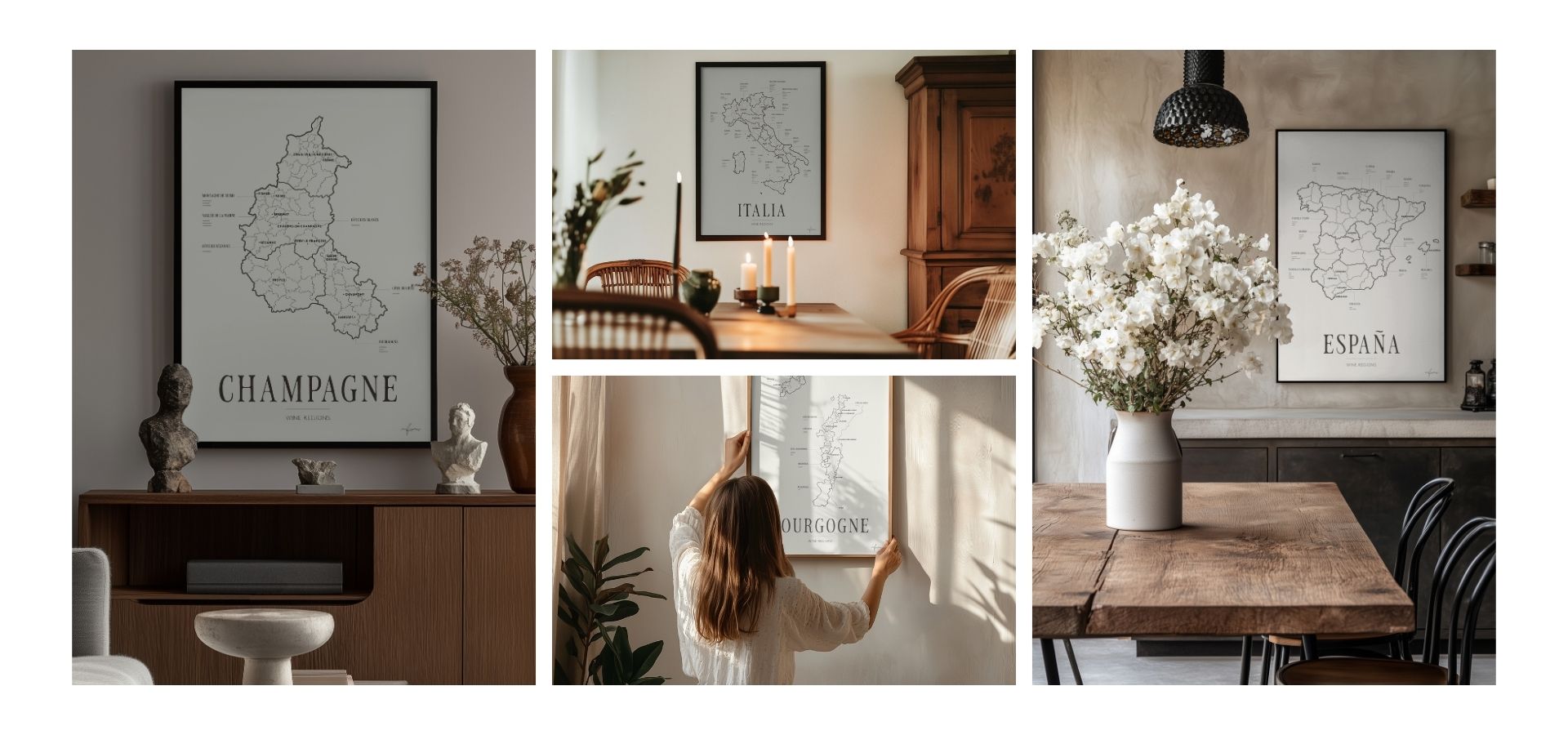
A wine map makes it easier to understand the places behind the labels. The Corkframes Wine Maps collection includes an overview of Italy’s wine regions and a detailed Barolo map showing vineyards and villages—a starting point for your next tasting or trip to Piedmont.