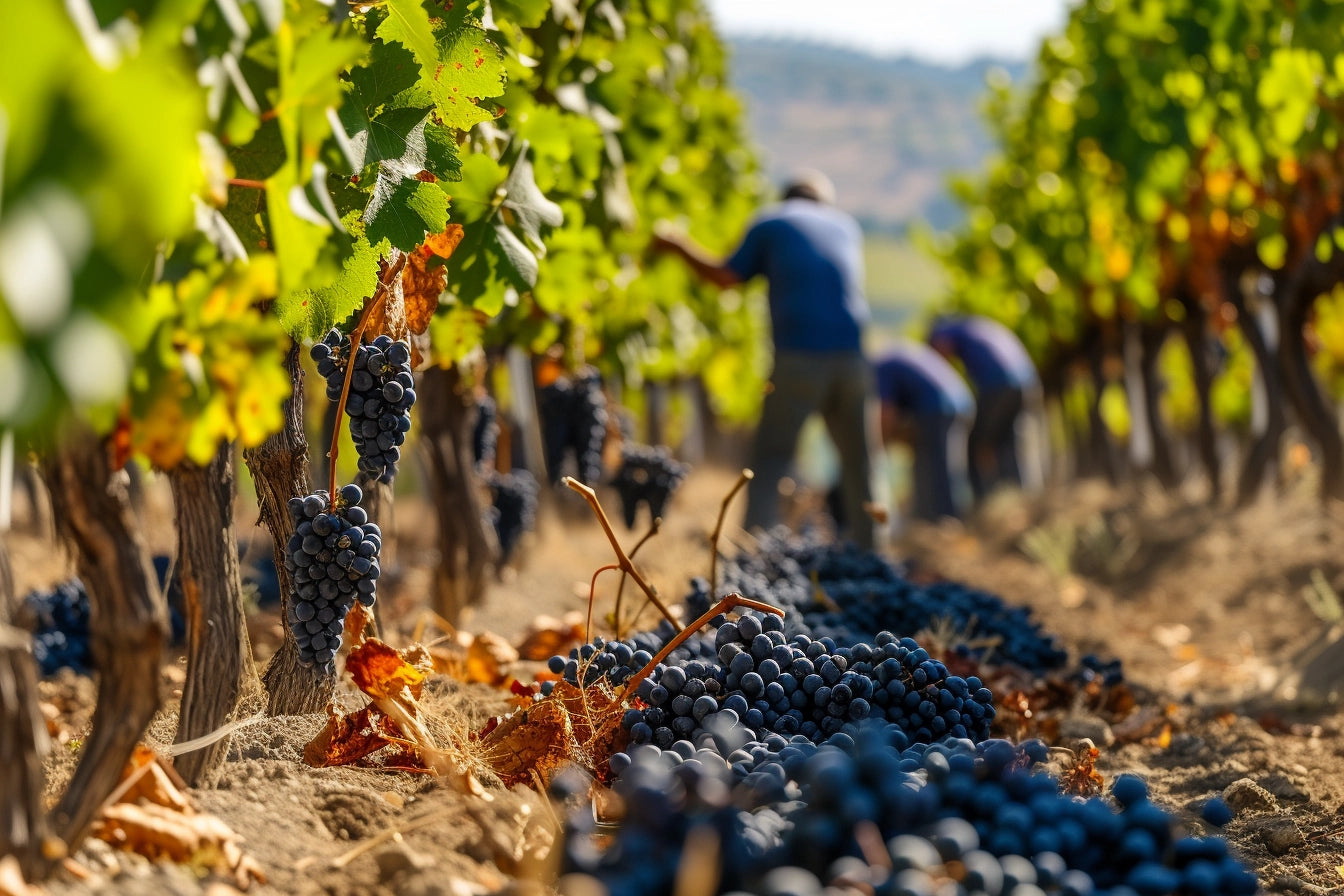

Marsanne is one of the classic white wine grapes of France’s Rhône Valley, known for producing wines with richness, texture, and subtle complexity. While it may not be as widely known as Chardonnay or Sauvignon Blanc, Marsanne has long been valued by winemakers for its ability to create full-bodied and age-worthy white wines.
Often blended with the aromatic grape Roussanne, Marsanne is responsible for some of the Rhône Valley’s most distinctive white wines. In recent years, it has also gained attention in wine regions outside France, where winemakers appreciate its versatility and unique character.
Origins in the Rhône Valley
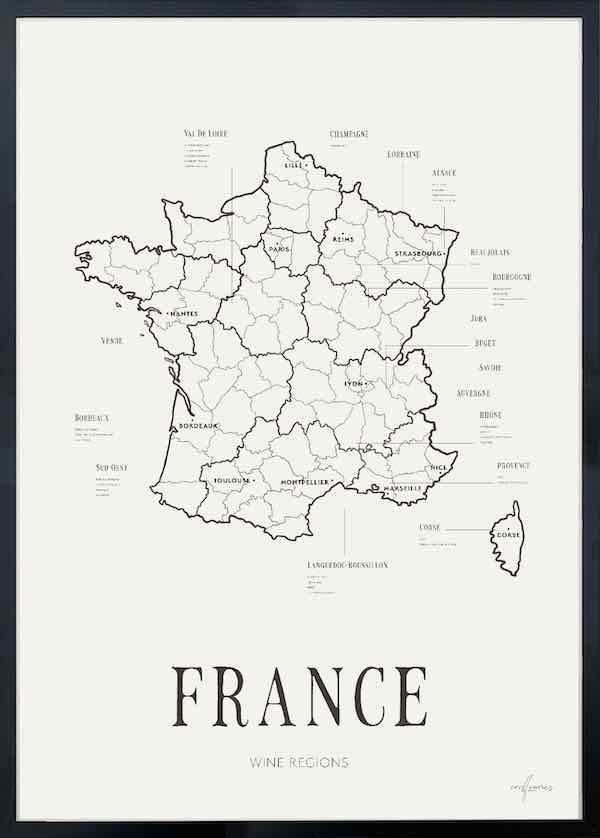
Marsanne takes its name from the village of Marsanne in northern Rhône, where the grape has been cultivated for centuries. Today, it is an essential component of several prestigious appellations in the region.
In the famous appellations Hermitage, Crozes-Hermitage, and Saint-Joseph, Marsanne plays a central role in white wine production. In Hermitage, wines made primarily from Marsanne are often considered some of the most serious and age-worthy white wines in France.
The grape thrives in the Rhône Valley’s warm climate and granite-rich soils, which help develop its characteristic richness and structure.
What makes Marsanne unique?
Marsanne has several qualities that distinguish it from other white wine grapes.
A rich and textured style
Unlike many white grapes that emphasize freshness and high acidity, Marsanne is known for producing wines with a fuller body and a smooth, rounded texture. The wines often feel generous and layered on the palate.
Subtle but complex aromas
Marsanne is not typically highly aromatic, but it develops nuanced aromas that can become more complex with age. Young wines often show notes of pear, melon, and almond, while older examples may develop flavors of honey, nuts, and dried fruit.
Excellent aging potential
High-quality Marsanne wines can age surprisingly well. Over time, they may evolve from fresh fruit flavors into deeper notes of honey, hazelnut, beeswax, and spice.
A valuable blending partner
Marsanne is frequently blended with Roussanne, which brings higher acidity and more pronounced aromatics. Together they create balanced wines that combine richness, freshness, and complexity.
Typical flavor profile
Marsanne wines tend to be medium- to full-bodied with a smooth and sometimes slightly oily texture.
Common aromas and flavors include:
Pear
Melon
Apricot
Almond and nuts
Honey
Beeswax
Subtle floral notes
The wines often have moderate acidity and a rounded structure, making them both approachable when young and capable of developing complexity with age.
Marsanne beyond France
Although Marsanne is most closely associated with the Rhône Valley, the grape has also found success in other parts of the world.
In Australia, particularly in the region of Victoria, Marsanne has gained a strong following. Some of the country’s oldest Marsanne vineyards produce wines that can age for decades.
The grape is also grown in smaller quantities in regions such as California, Switzerland, and South Africa, where winemakers experiment with both single-varietal wines and Rhône-style blends.
Food pairings
Because of its body and texture, Marsanne pairs well with a wide range of dishes. It is particularly well suited to richer foods and savory flavors.
Common pairings include:
Roast chicken or turkey
Creamy pasta dishes
Lobster and scallops
Mushroom-based dishes
Soft and semi-hard cheeses
The wine’s roundness and subtle complexity allow it to complement both delicate seafood and richer, buttery dishes.
While Marsanne may not be as widely recognized as some other white grape varieties, it offers something distinctive: richness, subtle complexity, and impressive aging potential.
For wine lovers who enjoy exploring beyond the most famous grape varieties, Marsanne provides a fascinating glimpse into the traditional white wines of the Rhône Valley and the growing global interest in Rhône-style wines.
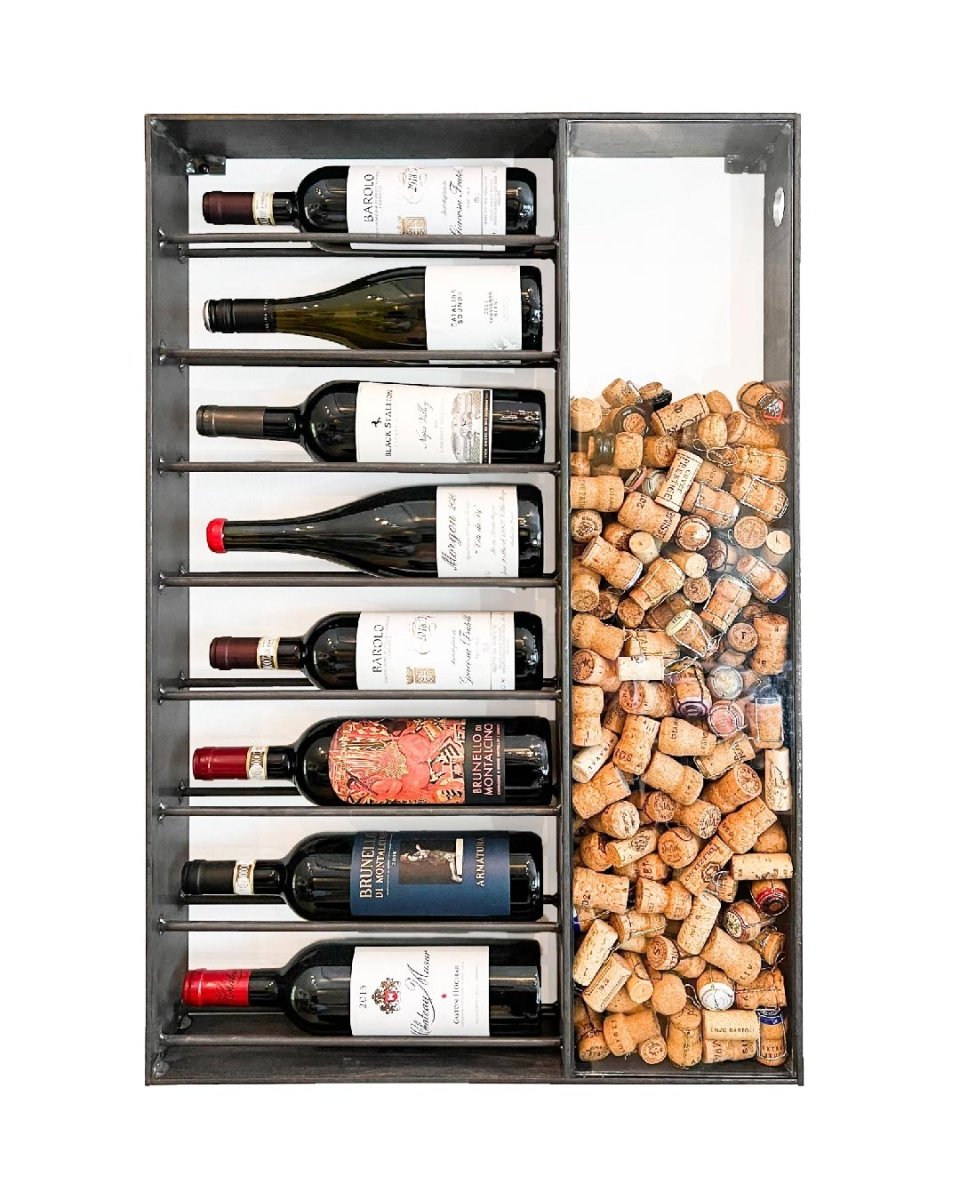
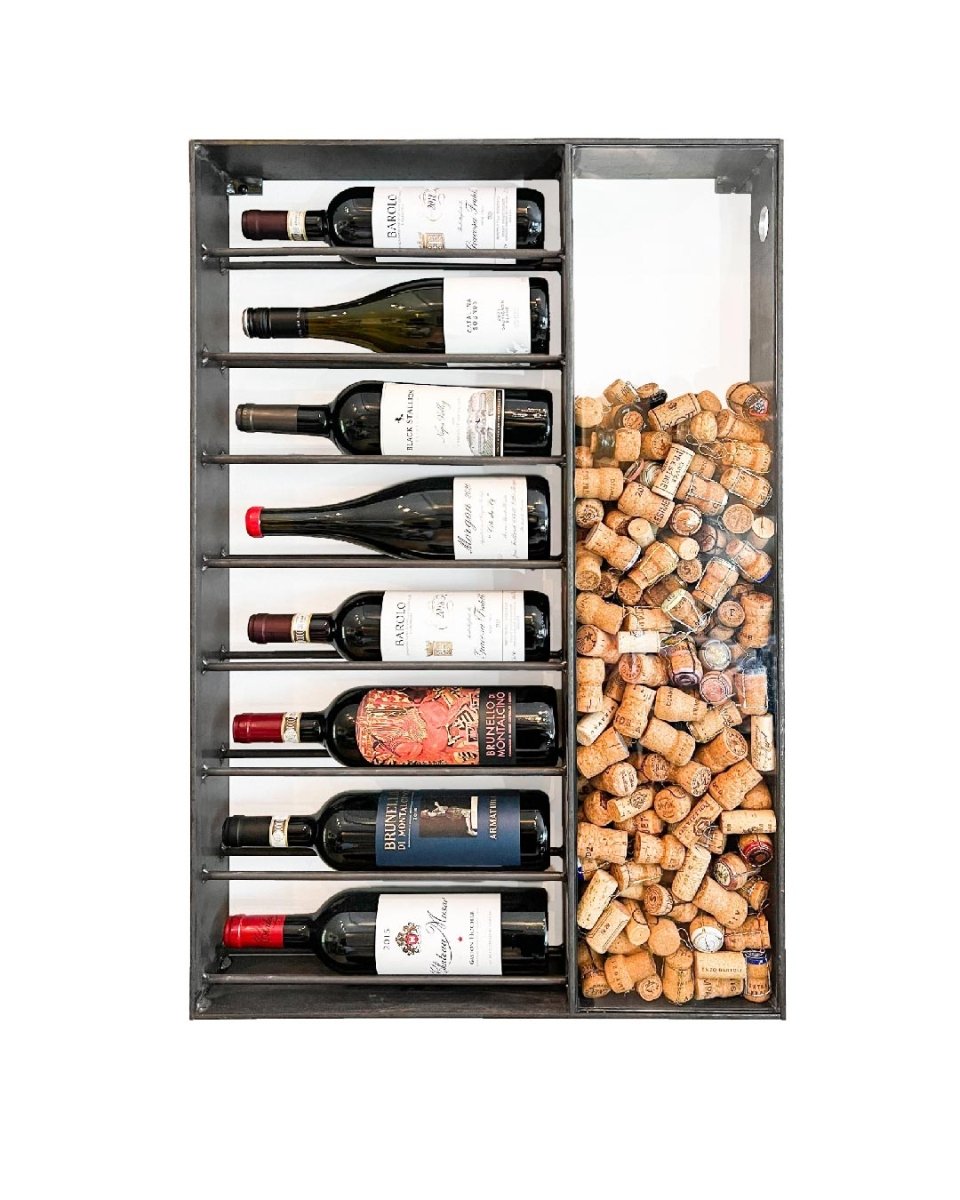
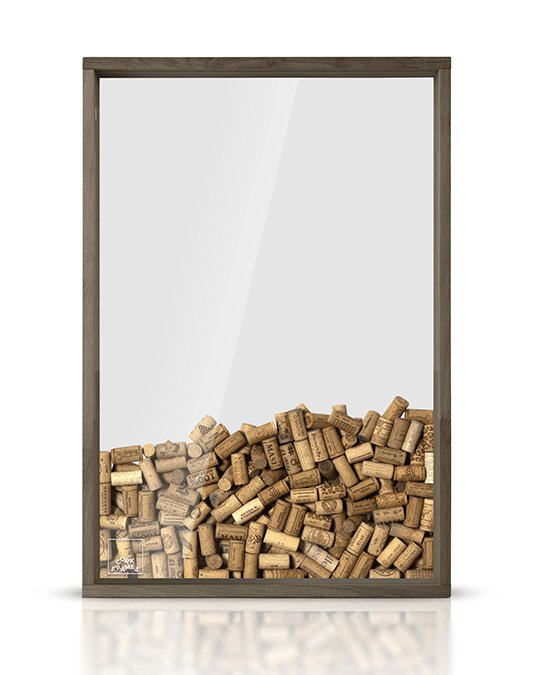
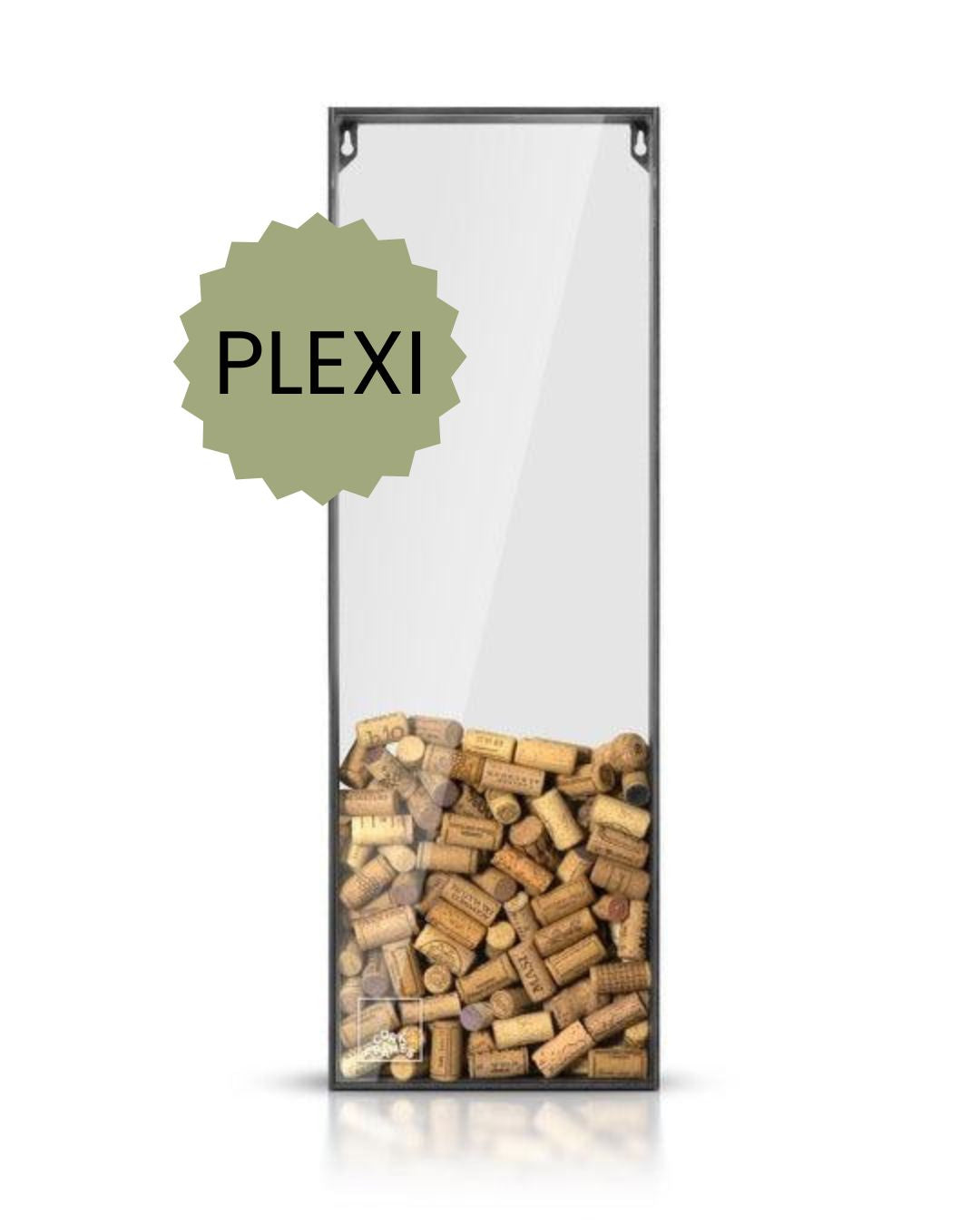
And as with any memorable bottle, the cork from a great Marsanne might just deserve a place in a Corkframe as a reminder of a special wine experience.
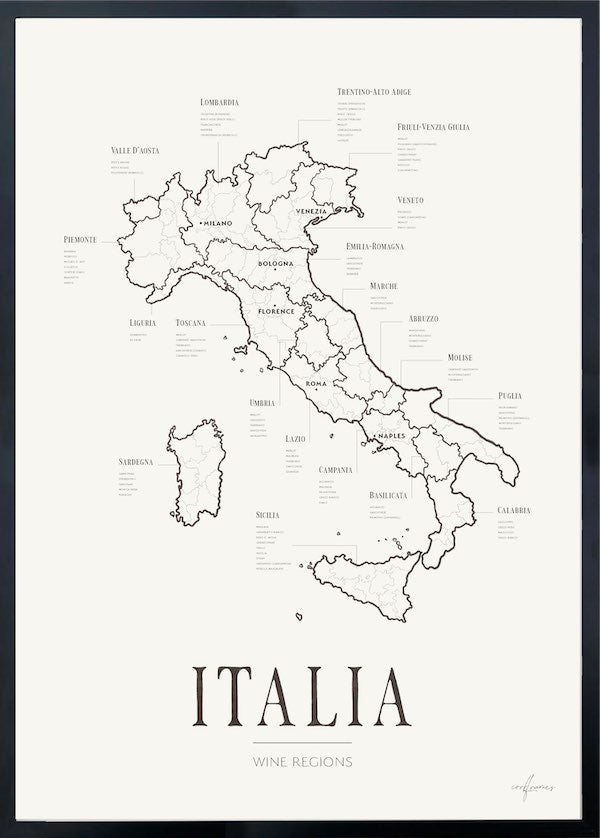
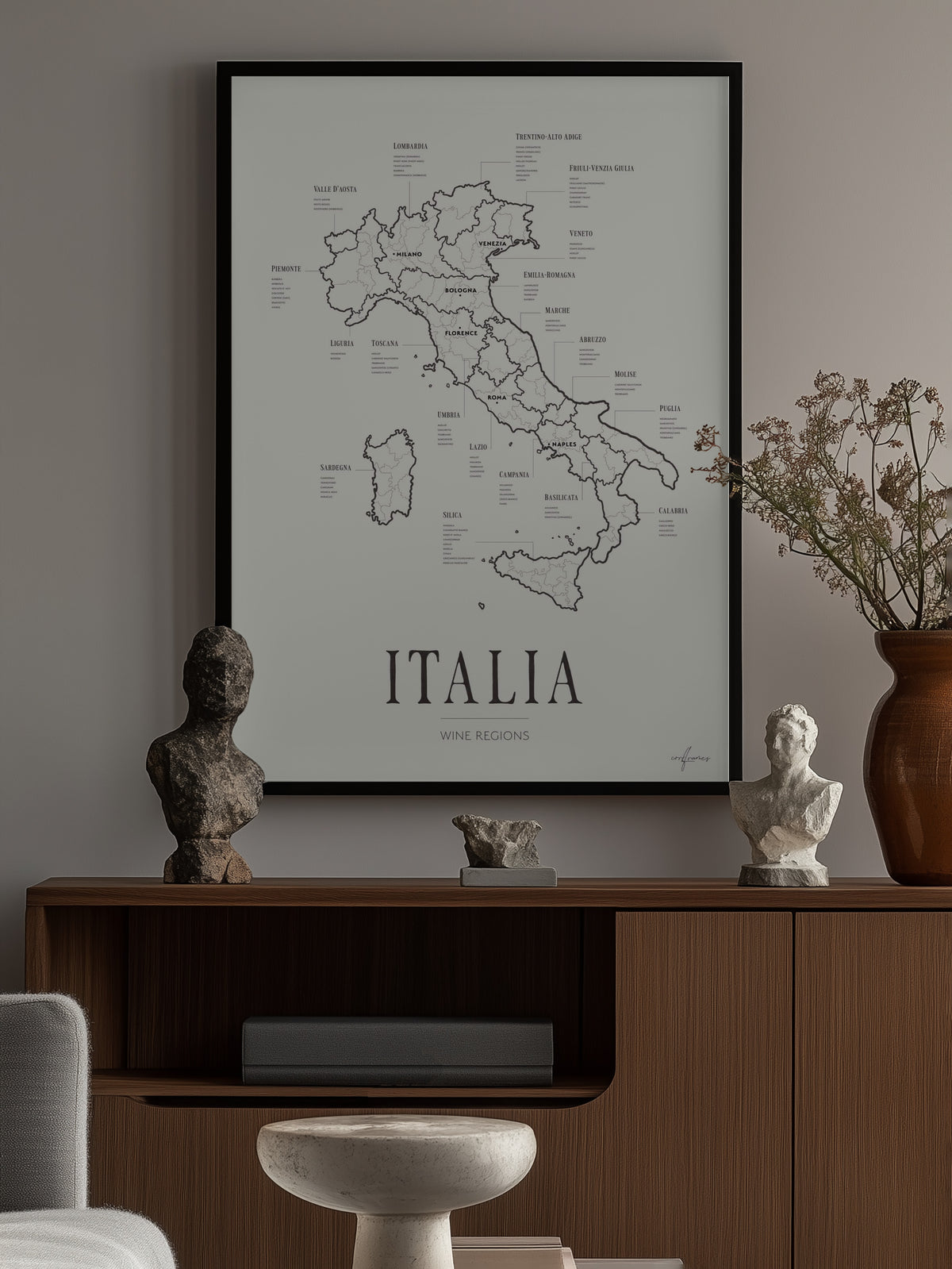
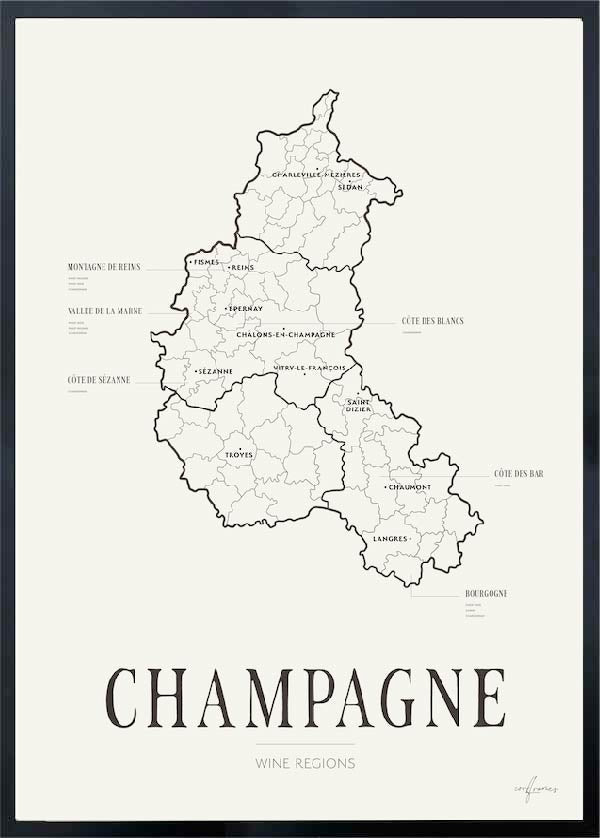
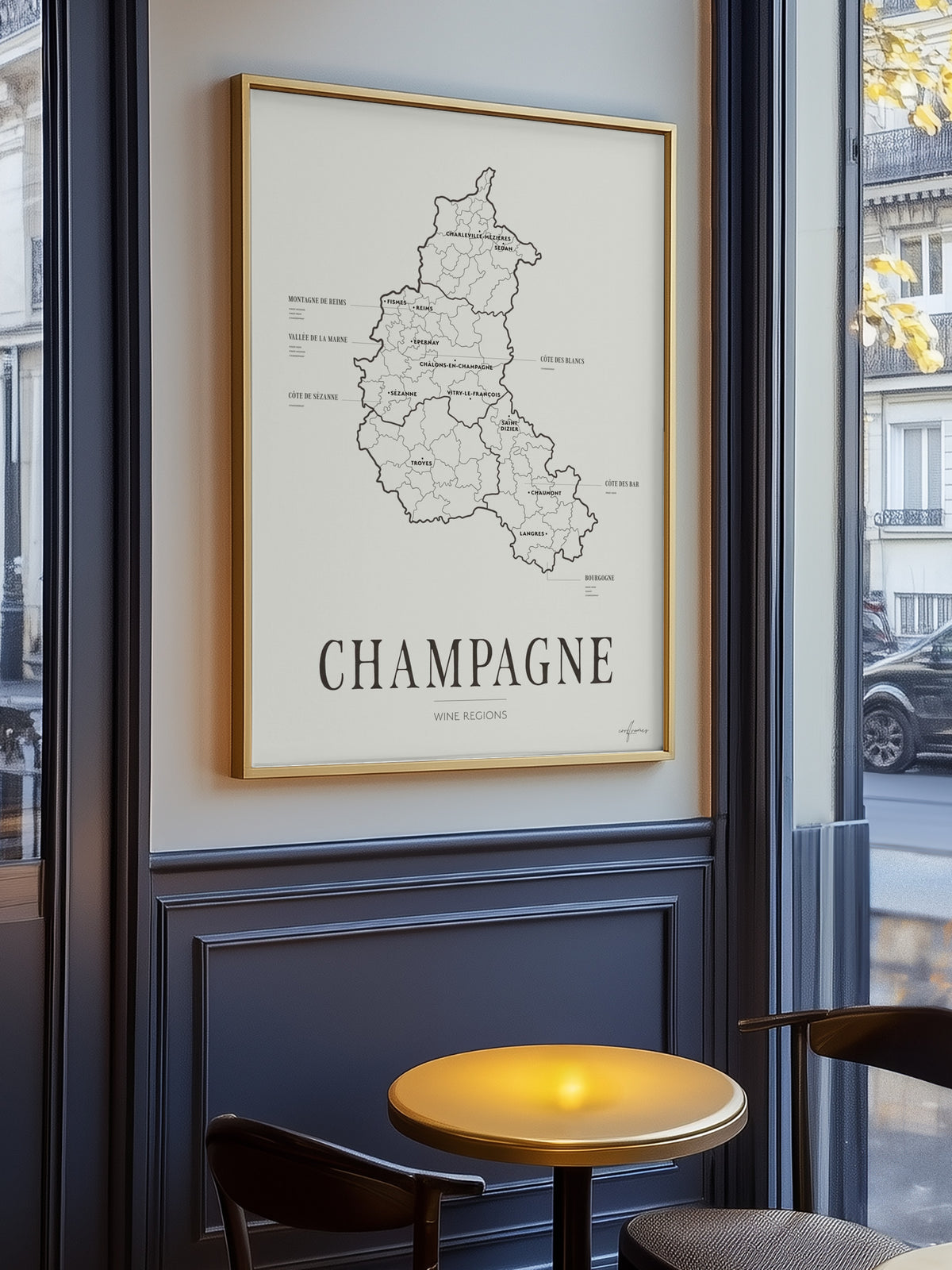
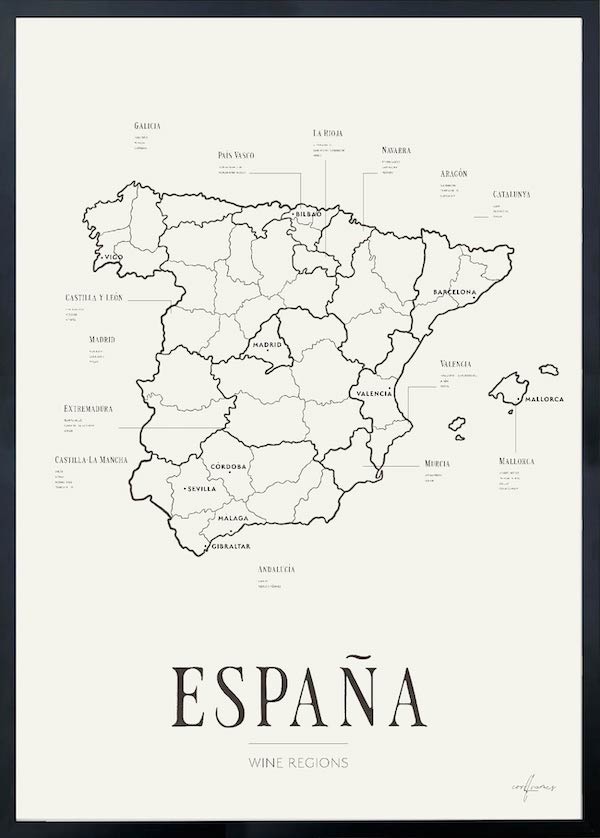
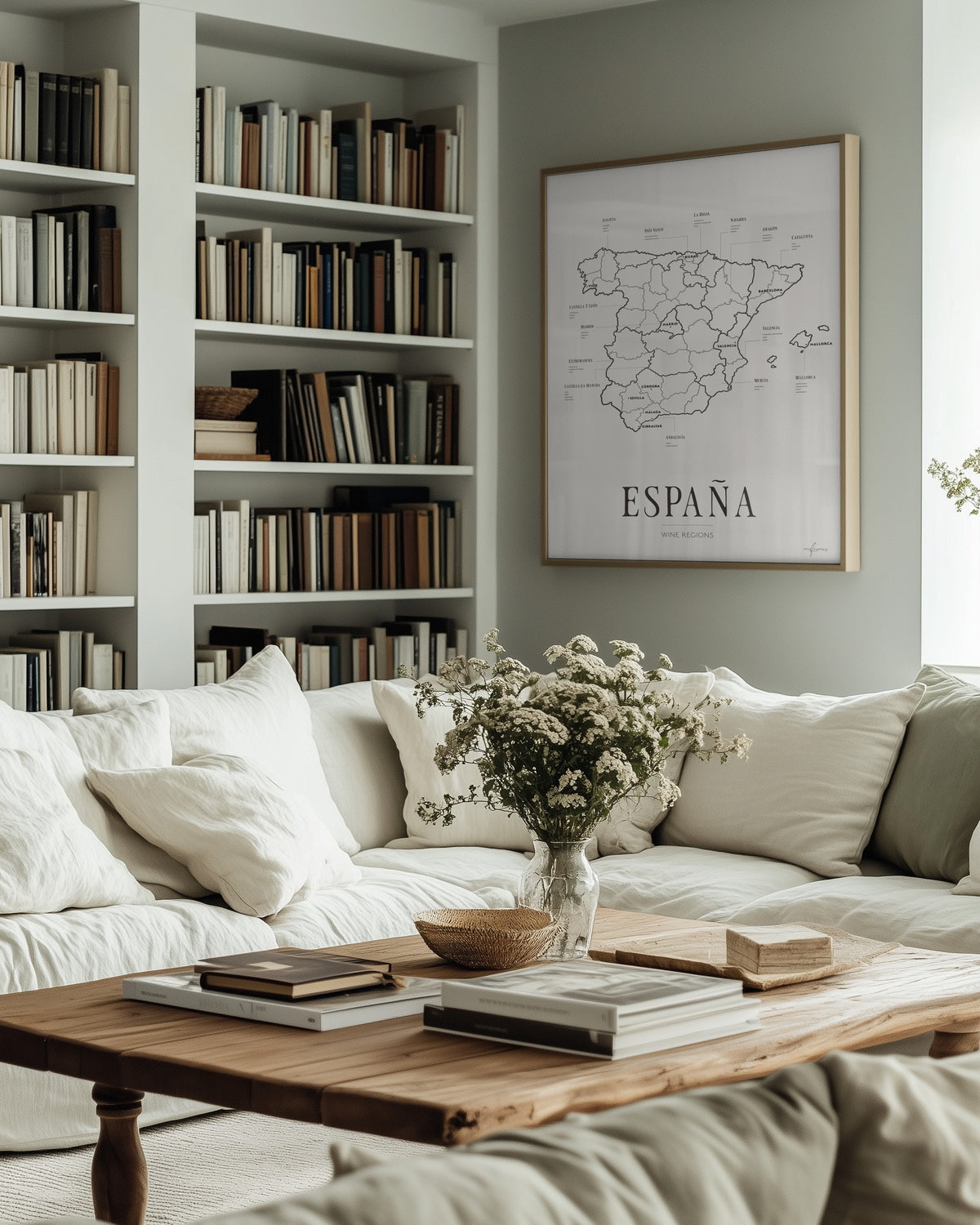
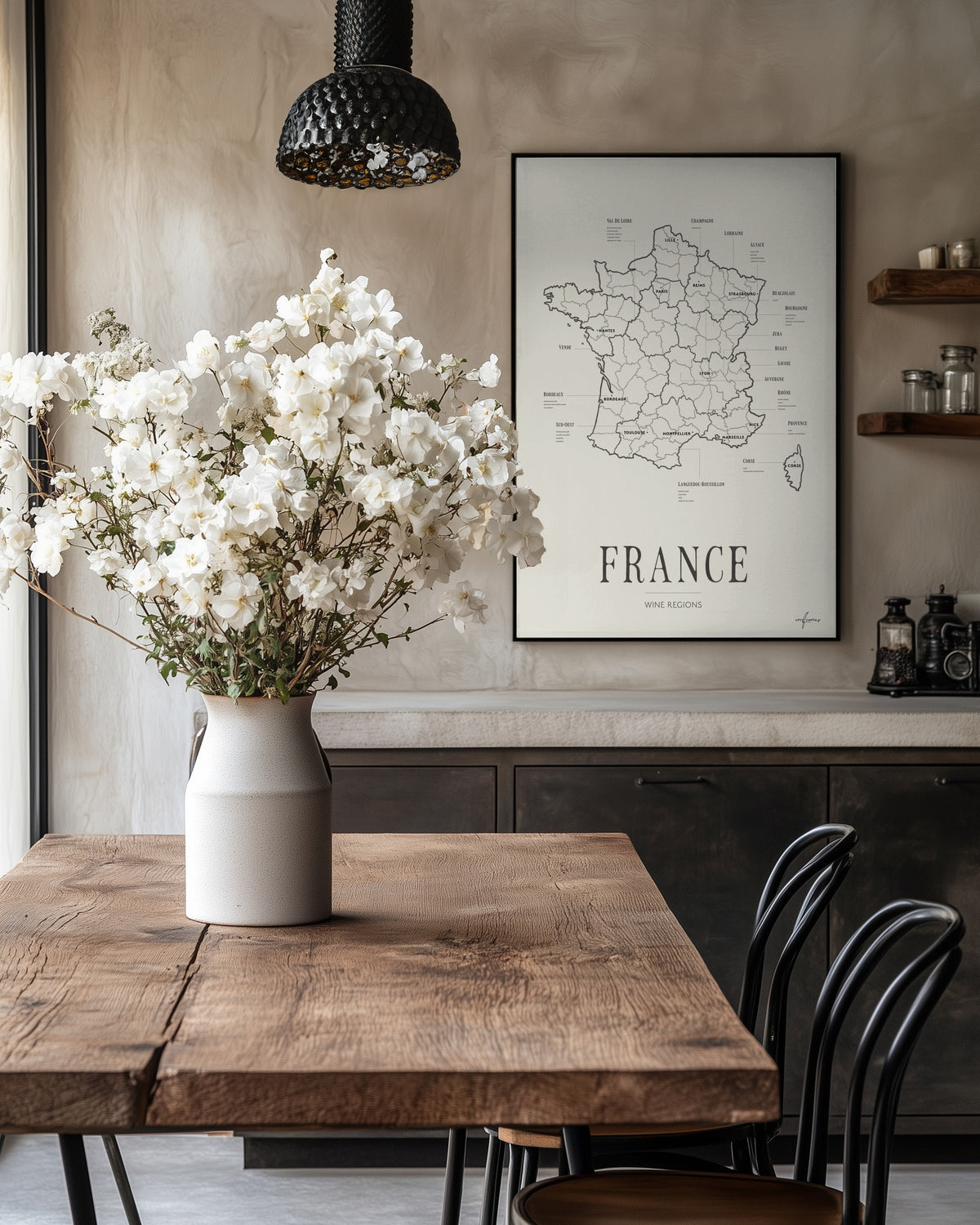
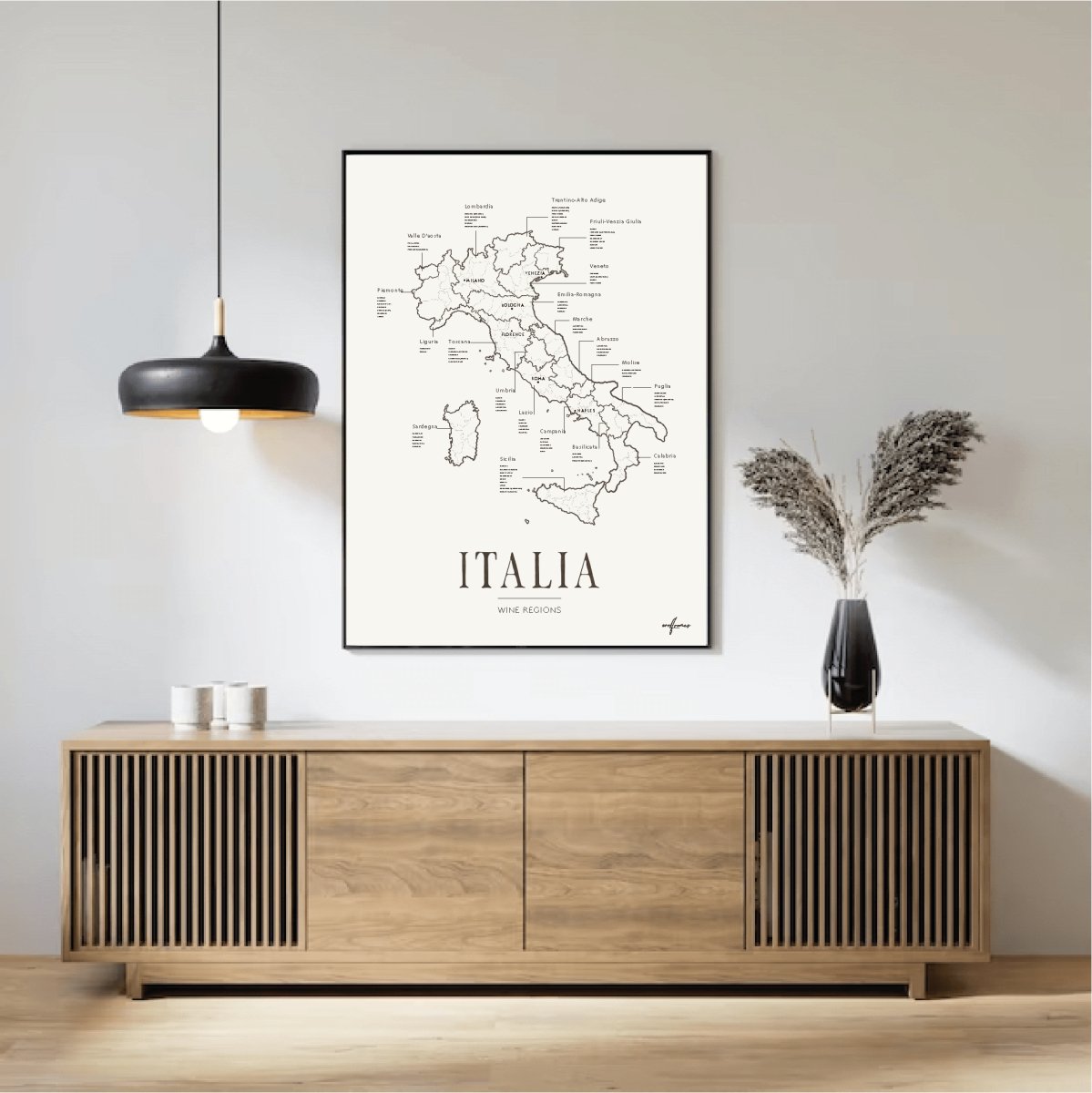
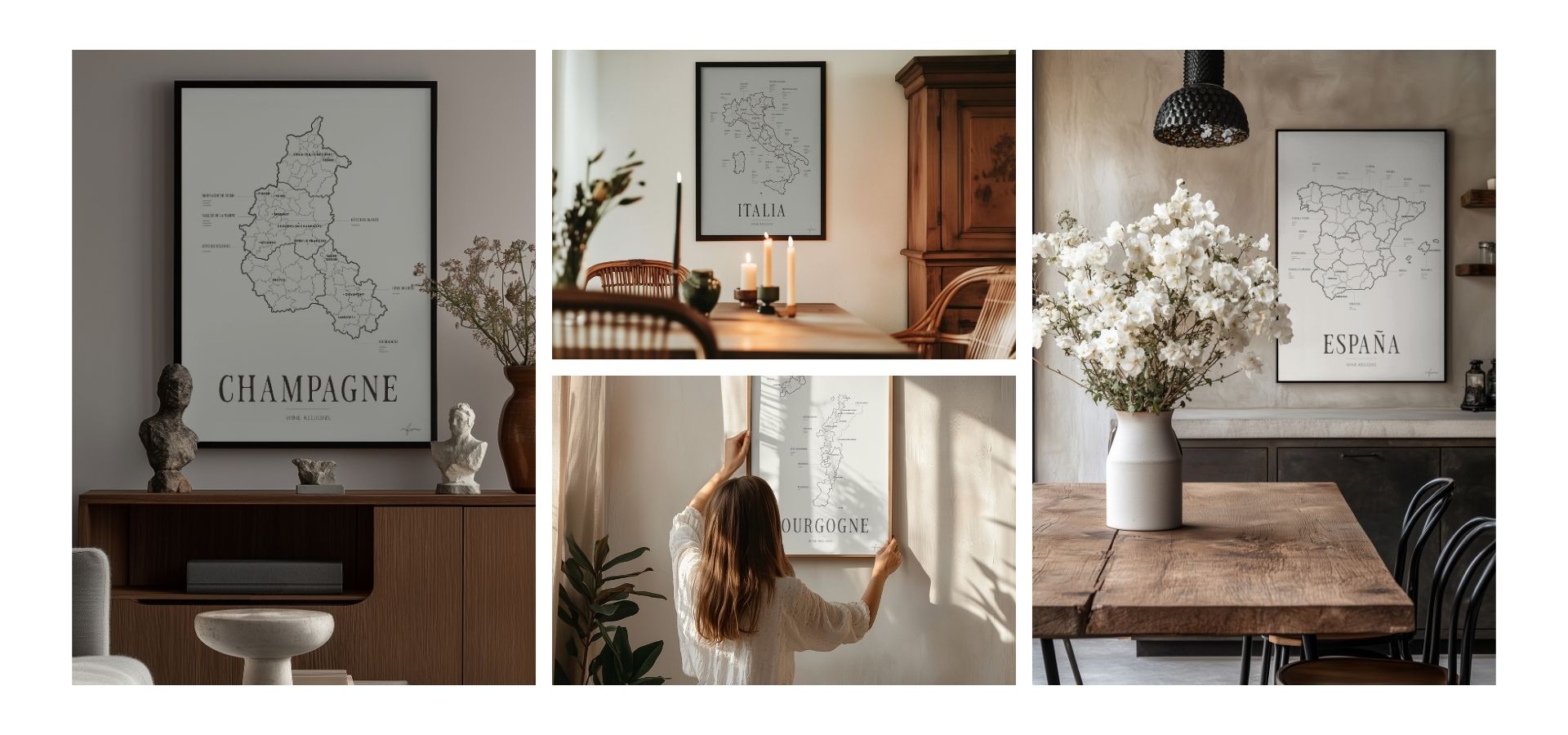
Explore the map: Corkframes Wine Maps — detailed maps of the regions behind the wines.