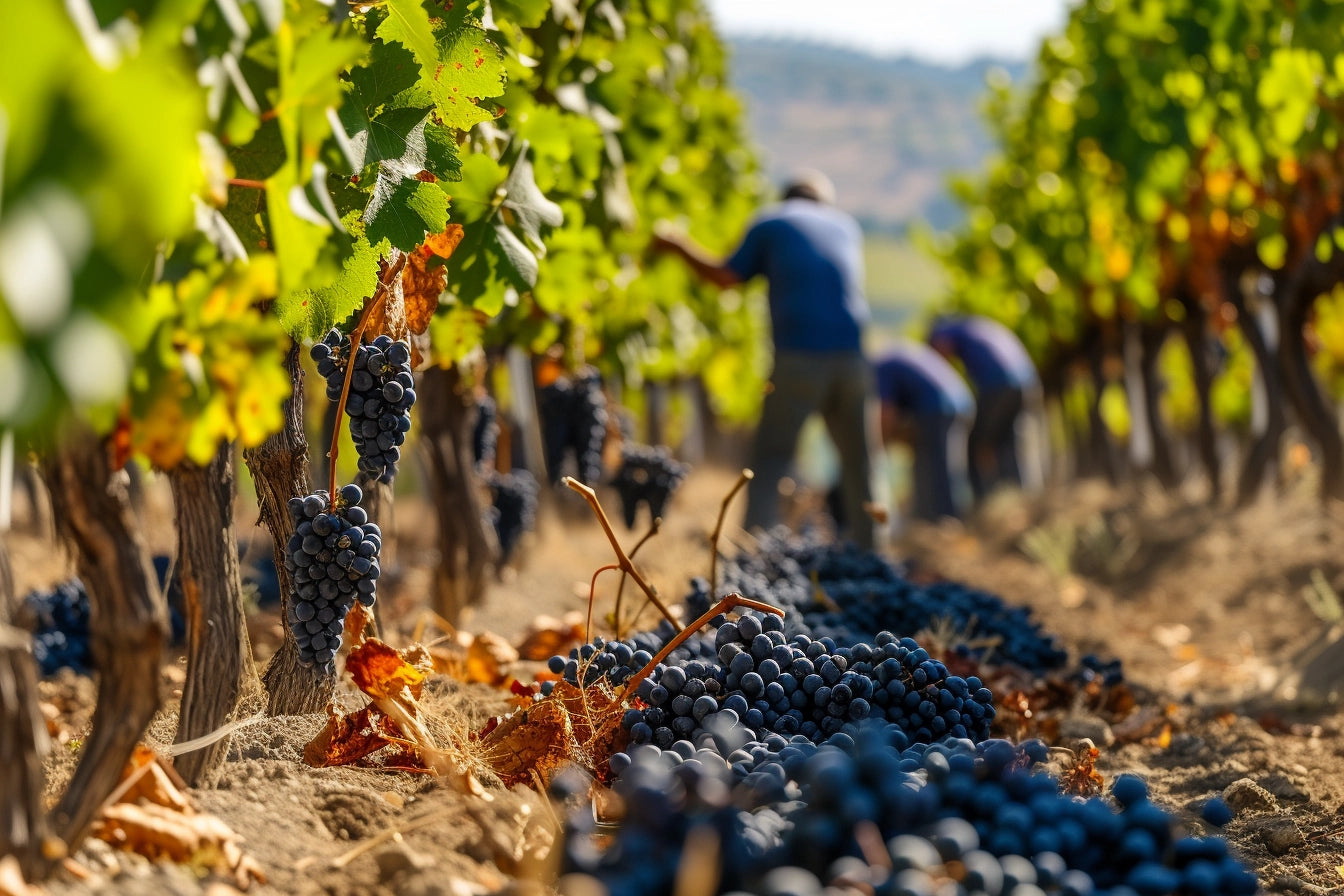


Among the many indigenous grape varieties gaining global attention, Assyrtiko stands out as one of the most exciting. Originating from the volcanic island of Santorini in Greece, this remarkable white grape has earned a reputation for producing wines with striking freshness, mineral character, and impressive aging potential.
Today, Assyrtiko is celebrated by sommeliers, wine critics, and enthusiasts around the world. What was once a regional specialty has become one of Greece’s most internationally recognized grapes.
A volcanic origin
Assyrtiko’s story begins on Santorini, an island shaped by one of the largest volcanic eruptions in recorded history around 1600 BCE. The soils here are unlike almost anywhere else in the wine world, consisting mainly of volcanic ash, lava, and pumice stone.
These soils are extremely poor in organic matter, forcing the vines to struggle and develop deep root systems in search of nutrients. This natural stress often leads to grapes with intense concentration and strong terroir expression.
Santorini is also known for its powerful winds and intense sunlight, which have influenced the island’s unique vine training system. Growers often shape the vines into low basket forms called “kouloura.” This traditional method protects the grapes from wind and helps preserve precious moisture in the dry climate.
What makes Assyrtiko unique?
Assyrtiko possesses several characteristics that make it truly stand out in the world of white wine.
Remarkably high natural acidity
One of the most fascinating traits of Assyrtiko is its ability to retain high acidity even in extremely hot climates. While many white grapes lose freshness when grown in warm regions, Assyrtiko maintains a vibrant acidity that gives the wines structure and longevity.
Distinct mineral character
Many wines made from Assyrtiko display a pronounced mineral profile, often described as saline, smoky, or flinty. This character is strongly associated with the island’s volcanic soils and proximity to the sea.
Versatility in winemaking
Assyrtiko is also highly versatile. It can produce crisp, mineral-driven dry white wines, richer oak-aged styles with depth and complexity, and traditional sweet wines such as Vinsanto, made from sun-dried grapes.
Excellent aging potential
Unlike many aromatic white wines that are best enjoyed young, high-quality Assyrtiko can age beautifully for many years, developing notes of honey, nuts, and dried citrus while retaining its vibrant backbone of acidity.
A distinctive flavor profile
Assyrtiko wines are typically dry and structured, with a flavor profile that combines freshness and intensity.
Common aromas and flavors include:
Lemon and lime
Green apple
Pear
Flinty minerality
Subtle herbal notes
A light saline character reminiscent of sea air
The result is often a wine that feels both refreshing and powerful at the same time.
From local treasure to global star
For centuries, Assyrtiko remained largely within Greece. But as wine lovers have become more interested in indigenous grape varieties and authentic terroir-driven wines, Assyrtiko has gained international recognition.
Today, the grape is not only thriving in Greece but is also being planted in other wine regions around the world, including Australia, Italy, and the United States.
Its ability to maintain acidity in hot climates has also made it particularly interesting for winemakers looking for grape varieties that can adapt to a warming climate.
The perfect partner for food
Assyrtiko’s bright acidity and mineral structure make it a fantastic food wine. It pairs especially well with oysters and shellfish, grilled fish, Mediterranean cuisine, and salty cheeses such as feta or halloumi.
Its crisp structure cuts through rich dishes while enhancing fresh coastal flavors.
A grape for the future
As the global wine scene continues to evolve, Assyrtiko is increasingly seen as one of the most promising white grape varieties of the Mediterranean. With its resilience, distinctive character, and ability to reflect terroir, it offers something truly special to wine lovers.
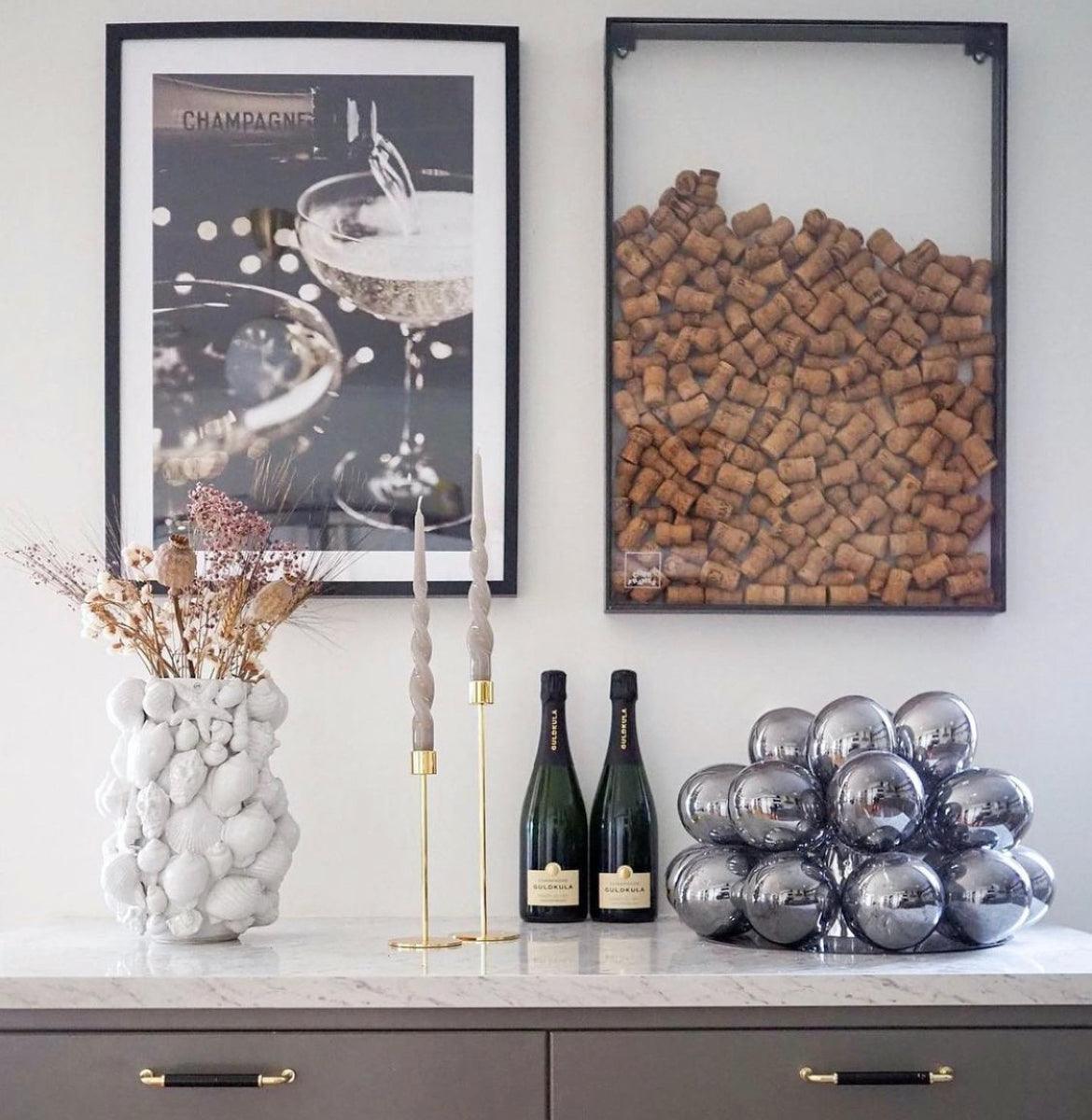
And when the cork from a memorable bottle of Assyrtiko is pulled, it might just deserve a place in a Corkframe — a small reminder of a great wine moment worth saving.
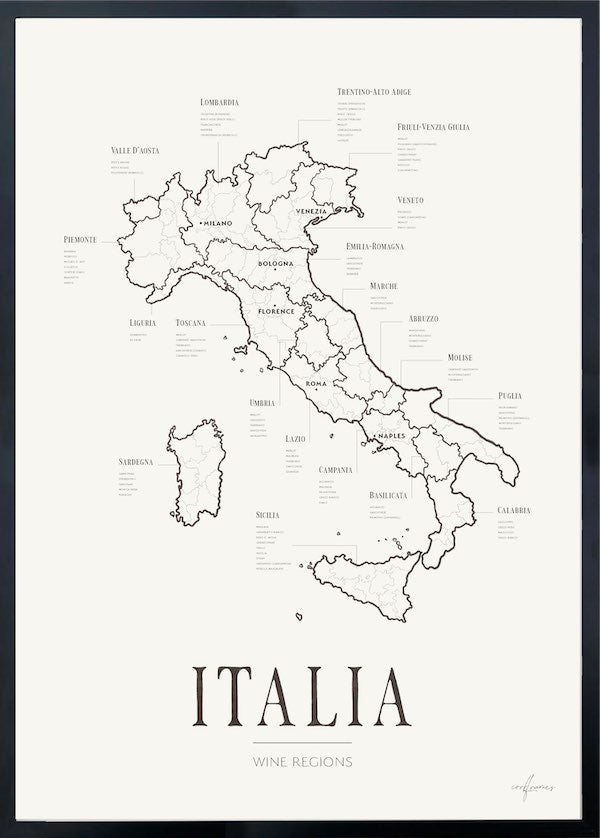
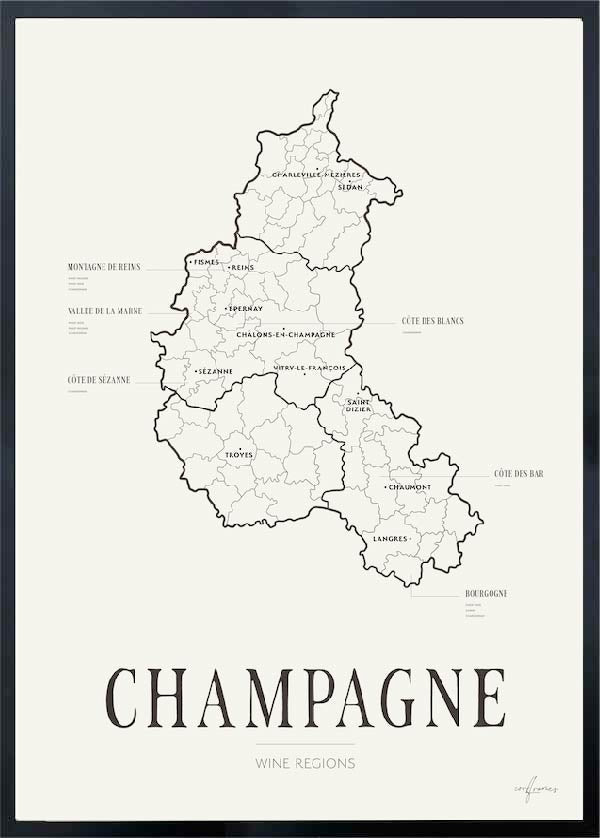
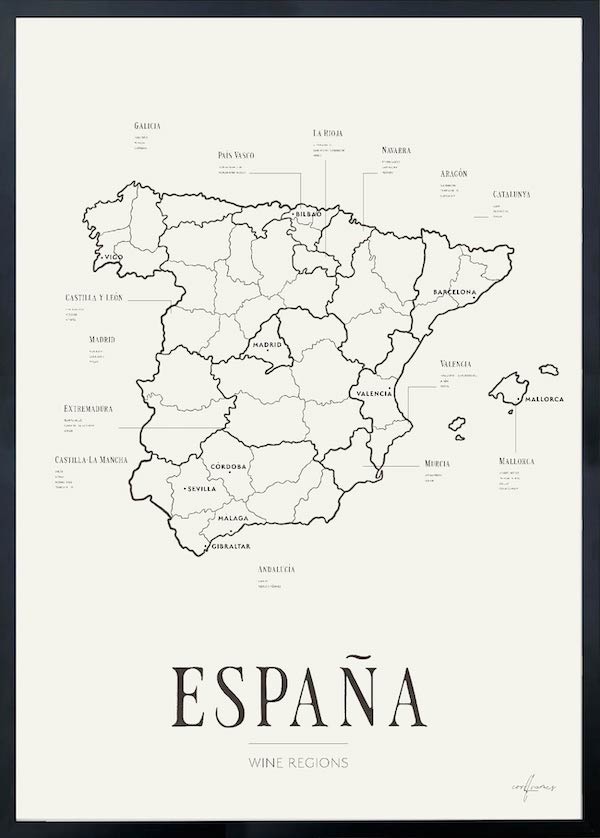
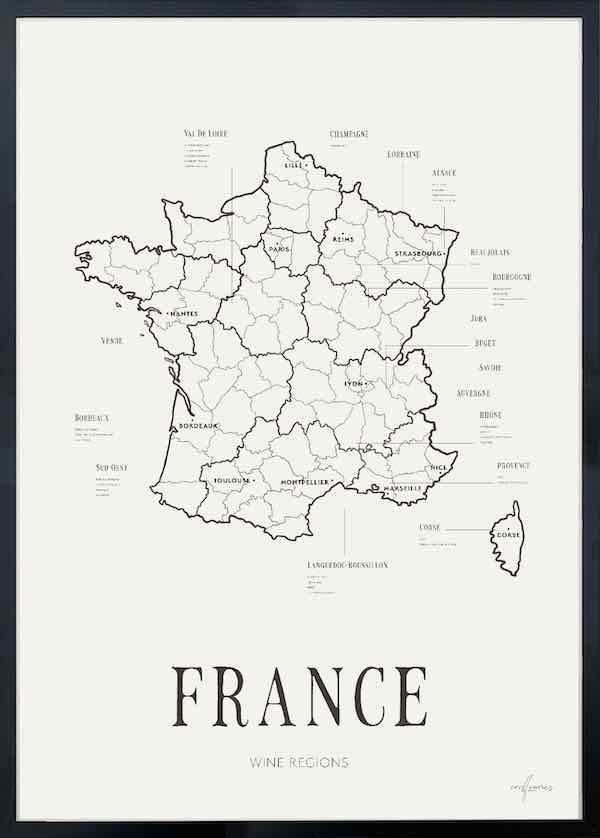
Explore the map: Corkframes Wine Maps — detailed maps of the regions behind the wines.