

Oregano is a cornerstone of Mediterranean cooking, yet few people realize how dramatically its flavor changes depending on the variety, growing region, and how it is harvested and dried. From delicate floral notes to intense, peppery warmth, oregano offers a wide spectrum of taste.
The most common oregano varieties
Greek oregano (Origanum vulgare subsp. hirtum)
Often considered the most aromatic and “true” oregano. Rich in carvacrol, giving it a strong, warm, peppery flavor. This is the classic oregano used in Greek salads, grilled meats, and hearty dishes.
Turkish oregano
Closely related to Greek oregano and equally aromatic. Grown in dry, sun-drenched regions that produce exceptionally high levels of essential oils. Common in high-quality dried oregano bundles.
Italian oregano
A natural hybrid between oregano and marjoram. It has a softer, sweeter, more floral profile than Greek oregano. Ideal for tomato sauces, pasta dishes, and vegetable-based recipes where a gentler flavor is preferred.
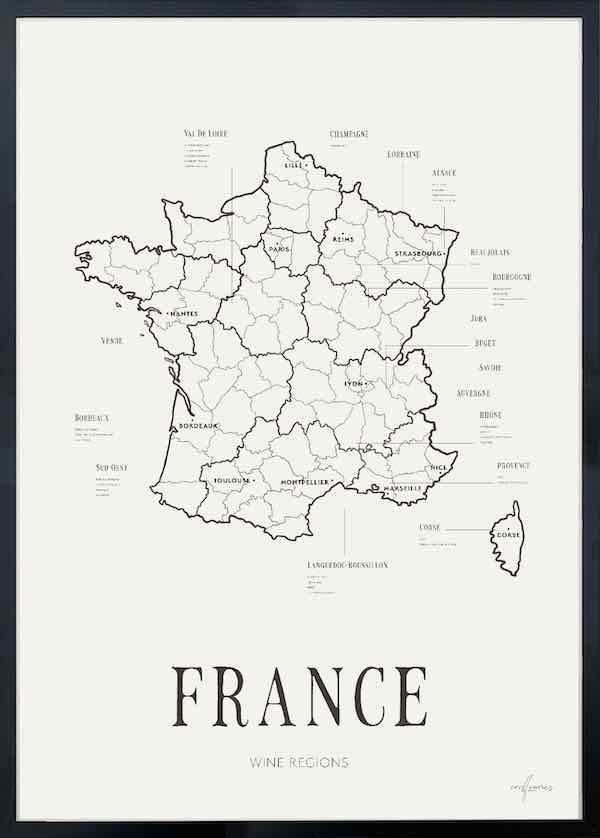
French oregano (marjoram – Origanum majorana)
In France, marjoram is often used interchangeably with oregano and is sometimes referred to as “French oregano.” It offers a mild, round, slightly sweet flavor. Perfect for chicken, root vegetables, gratins, and lighter dishes.
European oregano (Origanum vulgare)
Commonly grown in northern Europe. Mild, grassy, and less aromatic due to lower concentrations of essential oils. A softer option for fish, roasted vegetables, or salads.
Mexican oregano (Lippia graveolens)
Botanically unrelated to true oregano but used similarly. Bright, citrus-forward, and robust—an ideal match for chili, beans, stews, and Tex-Mex cooking.
Seasonality – when oregano reaches peak flavor
Oregano is typically harvested from late spring through late summer. The peak moment is just before the plant begins to bloom, when essential oils are at their highest concentration. In warm climates, several harvests per season are possible.
Drying methods – the key to preserving aroma
The way oregano is dried greatly influences its fragrance, color, and strength.
Air-drying (traditional high-quality method)
Oregano is tied into bunches and hung in a shaded, well-ventilated space. Slow, cool drying preserves essential oils and produces a deep, full flavor.
Oven-drying or industrial heat-drying
Faster but less gentle. High heat reduces volatile oils, resulting in a flatter, less aromatic herb. Many inexpensive grocery-store oreganos are processed this way.
Whole sprigs vs. finely ground
• Whole sprigs retain the most aroma
• Coarsely rubbed oregano stays fragrant longer
• Finely ground oregano loses potency quickly after opening
Store-bought oregano vs. premium oregano
There is a clear difference in quality depending on origin and processing.
Affordable store oregano
• Often European varieties with mild flavor
• Sometimes heat-dried at higher temperatures
• Usually finely ground, leading to faster aroma loss
• Green in color but not necessarily aromatic
High-quality oregano
• Typically Greek, Turkish, or artisanal Italian
• Air-dried on the stem in whole bunches
• Rich fragrance that fills the room when crushed
• More potent—so you need less in your cooking
When to use each type
French oregano (marjoram)
Delicate dishes, chicken, potatoes, vegetable gratins.
Italian oregano
Tomato sauces, caponata, bruschetta, pasta dishes.
Greek or Turkish oregano
Pizza, grilled meats, marinades, feta cheese, Greek salad.
European oregano
Fish, roasted vegetables, light Mediterranean dishes.
Mexican oregano
Chili, beans, Tex-Mex, long-simmered stews.
Tips for getting the best flavor from oregano
• Rub dried oregano between your fingers before using it to release essential oils.
• Add dried oregano early in cooking so the flavors can develop fully.
• Use fresh oregano as a finishing herb for a gentler, greener note.
• Crumble dried oregano directly over salads or grilled vegetables for maximum aroma.
Oregano is not just one herb—it is an entire family of flavors shaped by variety, climate, and traditional drying methods. Greek and Turkish oregano deliver bold intensity, Italian oregano is floral and balanced, and French marjoram brings gentle sweetness. Choosing a high-quality, air-dried oregano makes a noticeable difference in any dish and is an easy way to elevate everyday cooking.