
The Douro Valley – A Wine Landscape Shaped by the River
The Douro Valley lies in northern Portugal, stretching inland from Porto along the Douro River. Vineyards climb the hillsides in dramatic terraces, with small villages and estates tucked into the folds of the valley. The Alto Douro wine region is UNESCO-listed as a cultural landscape where centuries of viticulture have shaped the scenery.
Why the Douro Is Especially Beautiful in Spring
Spring brings fresh green slopes, comfortable temperatures for walking and viewpoint stops, and softer light over the terraces. It’s an ideal season for a slower pace—tastings, scenic drives, and river views—before the peak summer heat and crowds.
Terraced Viticulture – Why the Hillsides Look Like an Amphitheatre
The Douro is one of Europe’s most challenging wine regions to farm. Steep gradients, thin soils, and rugged terrain often require hands-on work in the vineyard. To make planting possible, growers build terraces and use several classic approaches:
Stone-walled terraces – traditional, narrow terraces supported by dry-stone walls.
Patamares – broader earth terraces that create workable rows while keeping the “stepped” structure.
Vinha ao alto – vertical planting up the slope, often used to manage runoff and make the most of the hillside.
These methods help reduce erosion, create viable vineyard space, and improve sun exposure and airflow.
Soils and Climate – Schist, Heat, and Big Differences Across the Valley
Much of the Douro is dominated by schist soils, which fracture into layers and allow vine roots to grow deep in search of water—an advantage in a generally dry climate. Conditions become hotter and drier as you travel east, influencing ripeness and wine style. The region is often described in three sub-areas:
Baixo Corgo – cooler and wetter, typically greener.
Cima Corgo – the classic heartland with many renowned estates and balanced growing conditions.
Douro Superior – hotter and drier, often producing wines with notable concentration.
Port Wine and Dry Wines – Two Sides of the Douro
The Douro is world-famous for Port, made by stopping fermentation with grape spirit. This preserves natural sweetness and creates Port’s signature richness and higher alcohol. Today, dry Douro wines are just as central to the region’s identity. Many of the best dry reds and whites are built from the same native grapes used in Port, crafted instead for freshness, structure, and ageing potential.
Grapes to Look For
The Douro is rich in native varieties. Common names you’ll often see in red blends include:
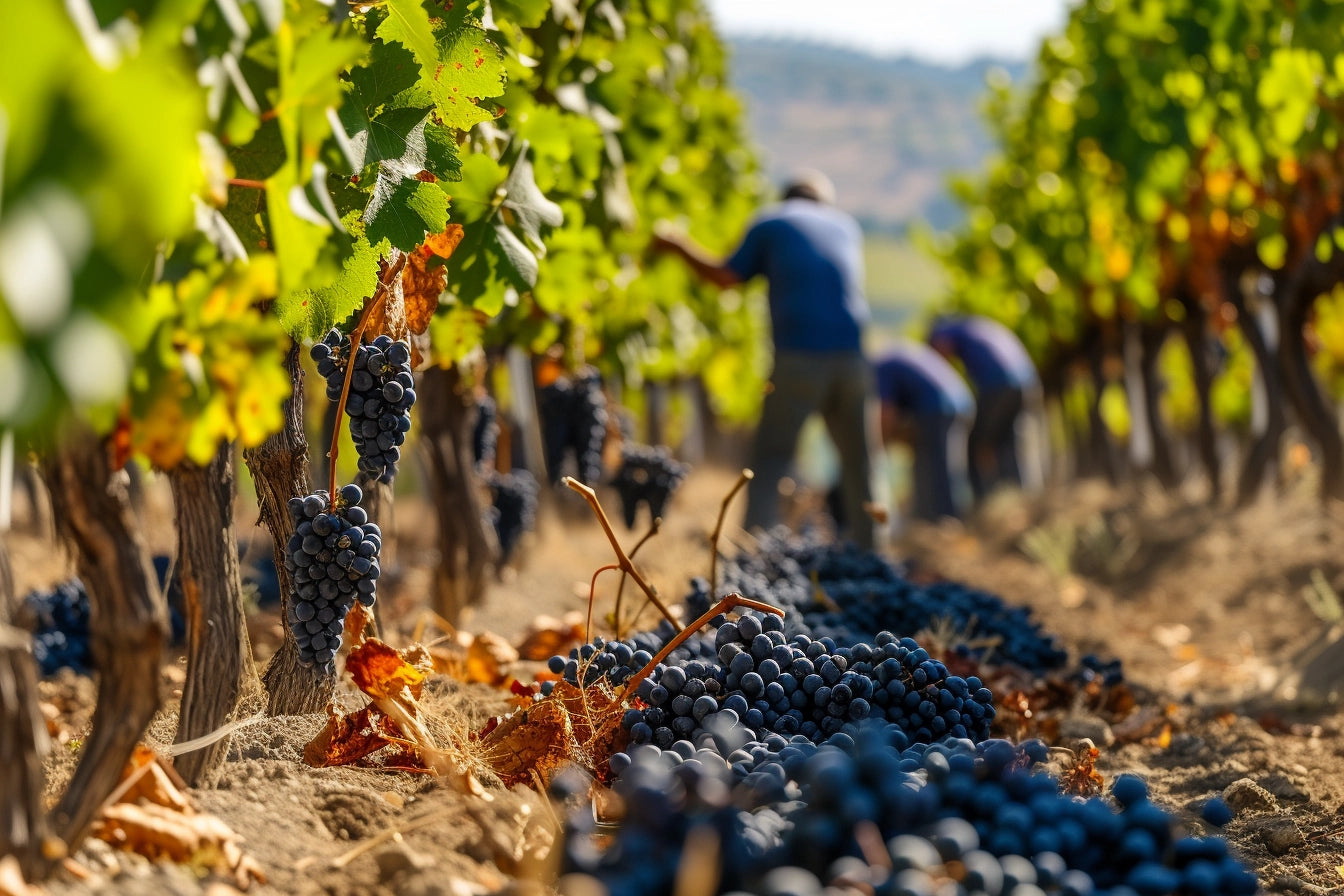
Touriga Nacional – aromatic and structured, often floral with deep colour.
Touriga Franca – adds fruit, elegance, and softer tannins in blends.
Tinta Roriz (Aragonez/Tempranillo) – contributes spice and firm structure.
Tinta Barroca and Tinto Cão – frequently used for balance and character.
For whites, grapes like Rabigato, Viosinho, Gouveio, and Malvasia Fina are typical—often from higher, cooler sites to maintain lift and brightness.
A Short History – One of the World’s Earliest Regulated Wine Regions
The Douro is among the earliest demarcated and regulated wine regions in the world, with roots going back to the 18th century. That long tradition is still visible today in clearly defined origins, historic vineyard practices, and a strong focus on typicity and quality.
What Douro Wines Taste Like
Douro reds – dark berries, plum, herbs, and a stony edge, with clear tannin structure and length.
Douro whites – citrus and stone fruit with crisp shape, sometimes with subtle oak spice and a saline finish.
Port – styles range from youthful and fruit-driven to nutty, caramel-toned, and complex with extended ageing.
Travel Tips – How to Experience the Douro at Its Best
Choose a base near the river – Pinhão and Peso da Régua are popular starting points for tastings, viewpoints, and river experiences.
Visit a quinta – walking the terraces with a guide helps you understand why Douro viticulture is so unique.
Plan for viewpoints – the valley is best appreciated from above, where the terrace patterns come into full view.
Pair wine with local food – Douro reds shine with lamb, grilled dishes, mushrooms, and aged cheeses, while whites work beautifully with olive oil, herbs, and lighter seasonal plates.
The Douro in Spring – Scenic, Calm, and Full of Character
Spring in the Douro Valley is ideal for slow travel: time for tastings, landscapes, and the rhythm of the river. Terraced vineyards, schist soils, and native grapes come together here in a way that feels distinct—and unforgettable.