
Few names in the world of wine carry the same aura as Dom Pérignon. Synonymous with luxury, celebration, and prestige, the name is often credited with the invention of champagne itself.
But the true story of Pierre Pérignon is far more nuanced — and, in many ways, even more fascinating.
Who Was Dom Pérignon?
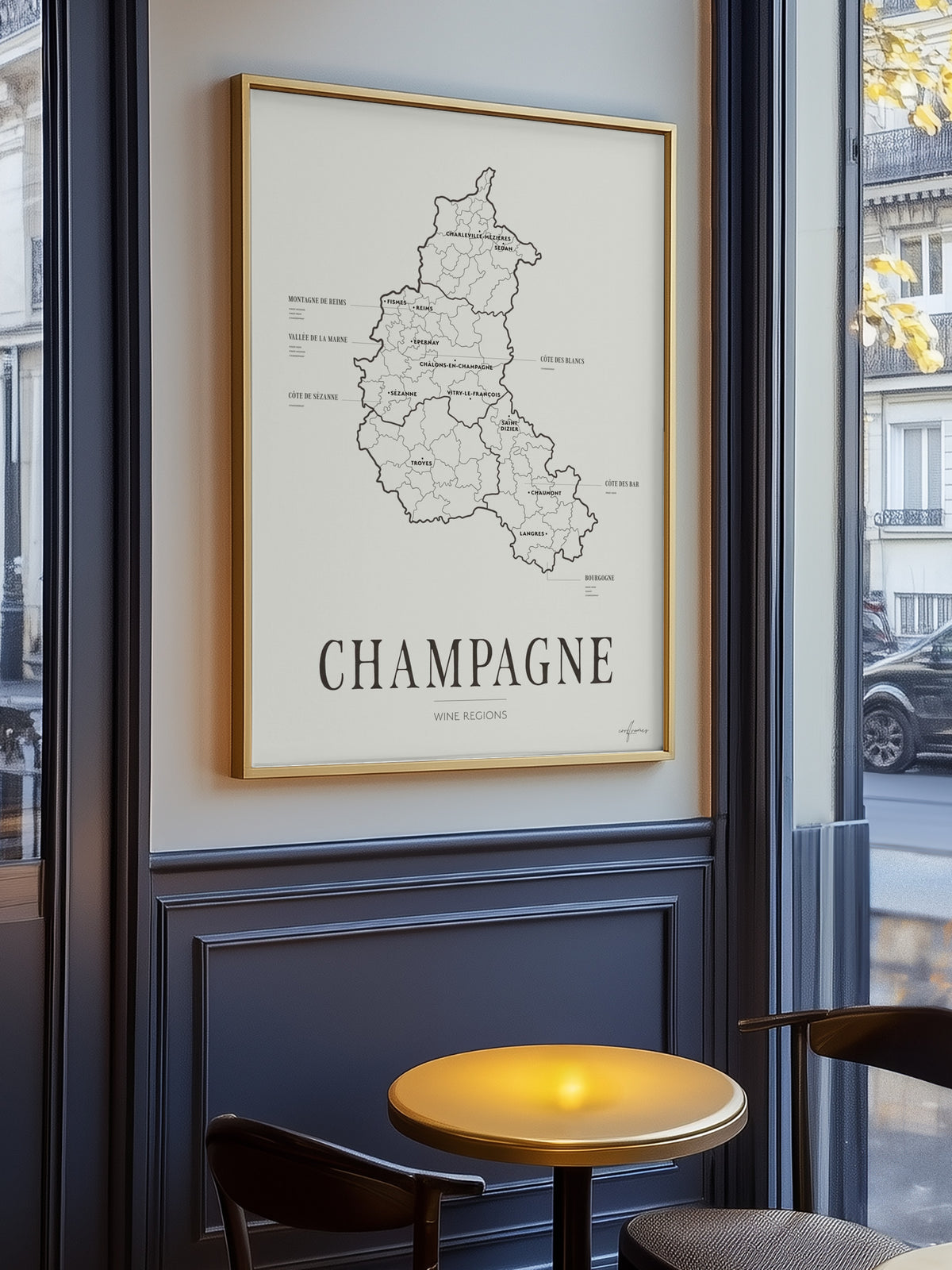
Pierre Pérignon (1638–1715) was a Benedictine monk who served as cellar master at the Abbey of Hautvillers in the Champagne region of France. His role was simple in theory but complex in practice: to produce the best possible wine from the vineyards owned by the monastery.
At the time, Champagne was not known for sparkling wine. In fact, still wines were the goal — and bubbles were considered a flaw.
The Accidental “Discovery” of Champagne
The popular legend tells us that Dom Pérignon accidentally created champagne and, upon tasting it, exclaimed: “Come quickly, I am drinking the stars!”
It’s a beautiful story — but historically unlikely.
In reality, the cold climate of Champagne caused fermentation to pause during winter and restart in spring. This secondary fermentation created carbon dioxide, leading to bubbles inside the bottle. The result was unstable wine, often causing bottles to explode in the cellar.
Far from celebrating bubbles, Dom Pérignon likely worked hard to prevent them.
A Pioneer of Quality and Blending
While he may not have “invented” champagne, Dom Pérignon revolutionized winemaking in other crucial ways.
He was among the first to:
Carefully select grapes to improve quality
Practice blending (assemblage) from different vineyards
Use gentle pressing techniques to avoid unwanted color and bitterness
Improve storage and sealing methods, including the use of cork
These innovations elevated the overall quality of wine in Champagne — and unintentionally laid the groundwork for controlled sparkling wine production.
How Champagne Was Truly Born
The champagne we know today emerged after Dom Pérignon’s time.
During the 18th and 19th centuries, several key developments made sparkling wine viable:
Stronger glass bottles (inspired by English manufacturing)
Improved corks and closures
Techniques like remuage (riddling) and dégorgement (removal of sediment)
Winemakers gradually learned to control the secondary fermentation, transforming a once-problematic phenomenon into a defining feature.
Bubbles were no longer a flaw — they became the essence of champagne.
From Royal Courts to Global Icon
Champagne quickly gained popularity among European aristocracy and royal courts. Its association with celebration, luxury, and exclusivity grew stronger with each passing century.
By the time the modern era arrived, champagne had become the drink of milestones — from coronations to weddings, from victories to quiet moments worth remembering.
The Legacy of Dom Pérignon
The name Dom Pérignon was immortalized in the 20th century when Moët & Chandon introduced its prestige cuvée bearing his name.
Today, Dom Pérignon champagne represents the pinnacle of craftsmanship — produced only in exceptional vintages and revered worldwide.
It is not just a wine, but a symbol of perfection and time itself.
A Story of Myth and Mastery
So did Dom Pérignon invent champagne?
Not quite.
But he transformed winemaking in Champagne so profoundly that his influence made its future possible. The myth persists because it captures something true at its core: a relentless pursuit of excellence that ultimately led to something extraordinary.
And perhaps that’s why the story endures.
Because every time a cork is popped and bubbles rise in the glass, we’re not just celebrating a drink — we’re celebrating centuries of craftsmanship, curiosity, and the pursuit of something better.