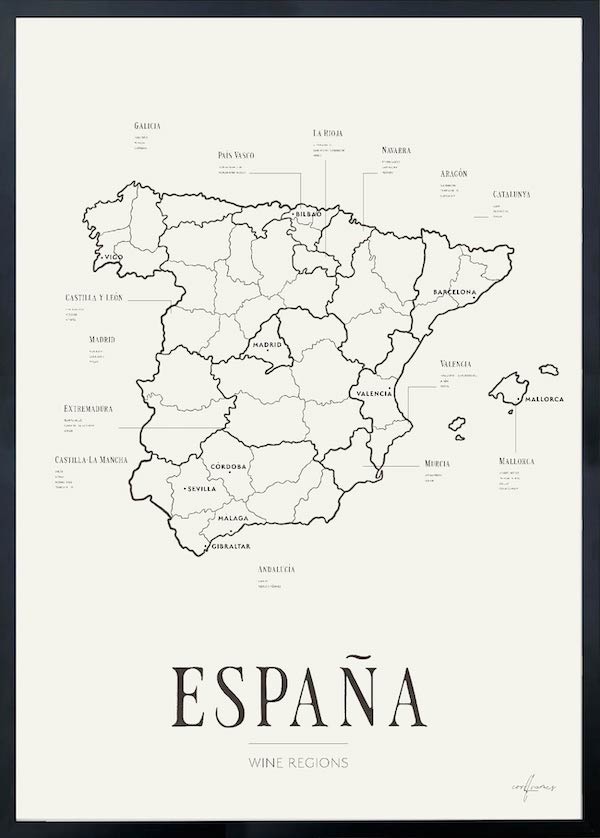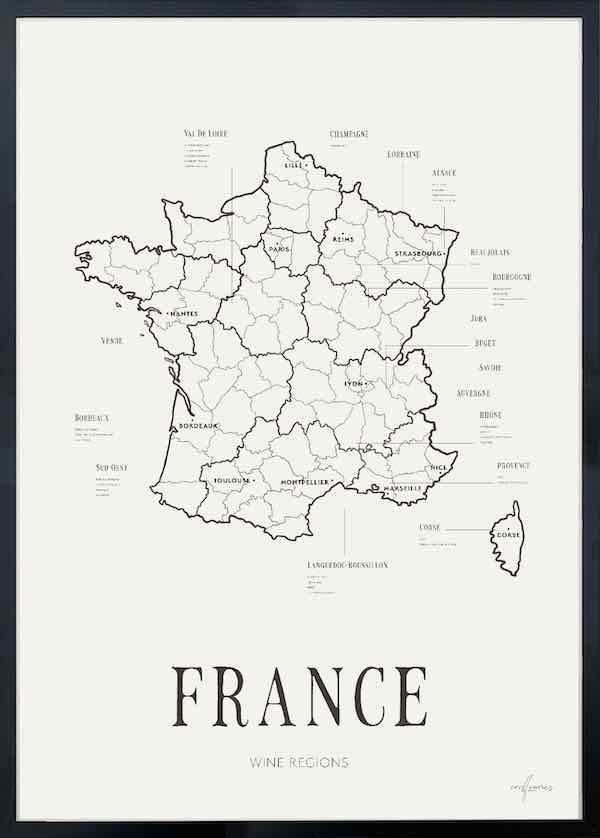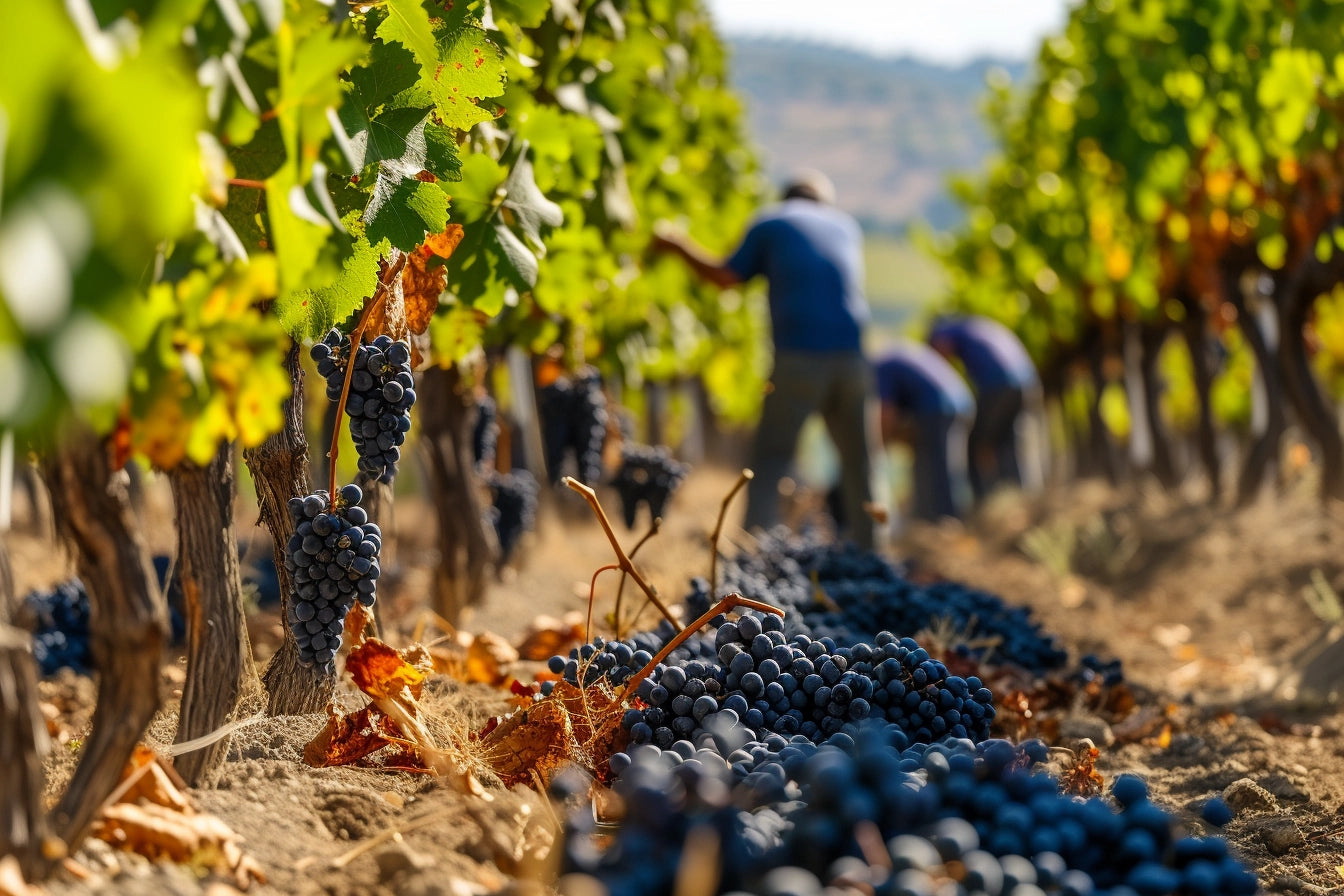


Spain is one of the world’s largest wine-producing countries, both in terms of vineyard area and volume. Yet despite its rich diversity of grape varieties and wine styles, it is a relatively unknown grape that has long held the top spot as the most widely planted: Airén.
Airén – Spain’s Giant
Airén is primarily grown in the region of La Mancha, in central Spain, where vast vineyards stretch across the dry landscape. Historically, it has even been the most planted grape variety in the world, largely due to its remarkable resilience. It thrives in extreme heat, drought, and poor soils—conditions that define much of inland Spain.
Despite its dominance, Airén remains largely under the radar among wine enthusiasts. The reason? It is rarely used for premium wines and is instead mainly associated with bulk wine production and brandy.
What Is Airén Used For?
The majority of Airén grapes are used to produce:
Spanish brandy
Simple, neutral white wines
Base wines for distillation
Wines made from Airén are typically light, fresh, and subtle, often showing notes of apple, citrus, and delicate floral hints. In recent years, however, some winemakers have begun experimenting with the grape, crafting more expressive wines—often with organic or natural profiles.
Why Is Spain Ideal for Winemaking?
Spain offers one of the most favorable yet challenging climates for viticulture in Europe. This unique combination creates ideal conditions:
Abundant sunshine: Spain enjoys more sunlight than any other major European wine country, allowing grapes to ripen fully.
Dry conditions: Low rainfall reduces the risk of vineyard diseases.
Large temperature swings: Hot days and cool nights help preserve acidity and develop complex aromas.
Diverse terroir: From high-altitude plateaus to coastal vineyards, Spain’s varied landscapes support a wide range of grape varieties.
In these hot and arid conditions, Airén has proven to be a true survivor—a grape that not only endures the climate but thrives in it.
A Grape in Transition
While Airén has long been associated with quantity over quality, that perception is slowly changing. As interest in native and climate-resilient grape varieties grows, Airén may be on the verge of a renaissance—this time in the spotlight.
Explore the map: España Wine Region Map — our detailed map of Spain's wine regions.