

Sausages Around the World
Sausages are found in culinary traditions across the world. Their flavours and textures are shaped by local meats, spices, preservation methods and cooking customs.
Some sausages are sold fresh and must be cooked before serving. Others are smoked, dried, fermented or already cooked. Even sausages that share the same name can vary considerably between countries and regions.
This guide introduces eight well-known types of sausage, from traditional European varieties to sausages associated with North African, South African and American food cultures.
1. Bratwurst – Germany
Bratwurst is one of Germany’s most recognised foods, but the name describes a broad family of sausages rather than a single recipe. Regional varieties can differ in size, texture, seasoning and choice of meat.
Bratwurst is commonly made with pork, veal or beef and may be seasoned with marjoram, nutmeg, caraway, ginger or white pepper. It is usually grilled or pan-fried and served with mustard, bread, potatoes or sauerkraut.
What to drink: A crisp lager is the classic pairing. Dry or slightly off-dry Riesling also works well, particularly when the sausage is served with mustard or fermented cabbage. The wine’s acidity helps balance the richness of the meat.
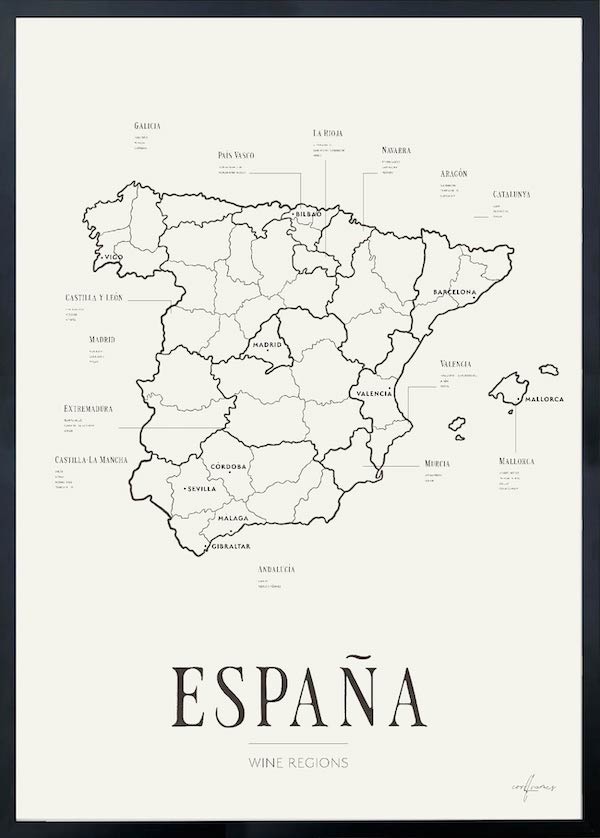
2. Chorizo – Spain
Spanish chorizo is generally made from pork and seasoned with garlic and paprika. The paprika gives the sausage its characteristic red colour and can produce flavours ranging from sweet and earthy to smoky and hot.
Fresh Spanish chorizo requires cooking, while cured varieties can be sliced and eaten without further preparation. Chorizo is served as tapas and used to flavour stews, beans, rice dishes and roasted vegetables.
Mexican chorizo is a different style. It is typically sold as a fresh sausage or loose seasoned meat and often has a softer texture, greater acidity and a hotter spice profile than Spanish cured chorizo.
What to drink: Tempranillo is a natural match for grilled or cured Spanish chorizo. Its dark fruit and savoury character complement the paprika and garlic. Dry cider, lager or sparkling water with citrus provide fresher alternatives.
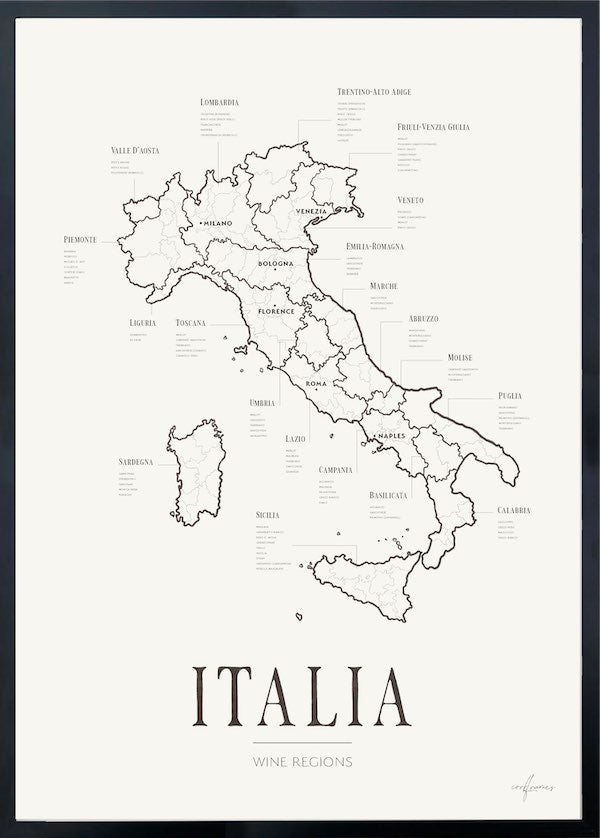
3. Salsiccia – Italy
Salsiccia is the Italian word for sausage rather than the name of one specific recipe. Italian sausages vary between regions and may be fresh, cooked, cured or dried.
The fresh pork sausage commonly sold internationally as Italian sausage is often seasoned with fennel, garlic, black pepper, herbs or chilli. It can be grilled, served with vegetables or removed from its casing and crumbled into pasta sauces, soups and risotto.
What to drink: Sangiovese is particularly suitable because its bright acidity cuts through the richness of the pork. A dry rosé works well with grilled salsiccia, while a non-alcoholic citrus aperitif offers a lighter pairing.
4. Merguez – North Africa
Merguez is a slender, highly seasoned sausage associated with the cuisines of North Africa, particularly Algeria, Tunisia and Morocco. It is normally made from lamb, beef or a combination of the two rather than pork.
Its bold flavour commonly comes from chilli, cumin, coriander, garlic and harissa. Merguez is usually grilled and served with couscous, flatbread, chickpeas, roasted vegetables or fresh salads.
What to drink: A fruity Syrah can complement the sausage’s spices and grilled flavours, but the wine should not be excessively tannic or alcoholic. For an alcohol-free alternative, combine pomegranate juice, sparkling water and lemon.
5. Kiełbasa – Poland
The Polish word kiełbasa means sausage, so it refers to an entire category rather than one particular product. Poland has numerous fresh, smoked, cooked and dried sausages, with recipes varying by region.
Outside Poland, kielbasa often refers to a smoked, curved sausage made primarily from pork. However, this represents only one style within the much wider Polish sausage tradition.
Polish sausages may be seasoned with garlic, marjoram, pepper and juniper. They can be grilled, simmered or added to soups and stews, and are frequently served with rye bread, mustard, potatoes or fermented cabbage.
What to drink: Pilsner complements garlic and smoke without dominating the food. Pinot Noir is a good wine choice when kielbasa is served with mushrooms, cabbage or roasted root vegetables.
6. Andouille – France and Louisiana
Andouille originated in France, but French and Louisiana-style andouille are notably different products.
Traditional French andouille is generally made using parts of the pig’s digestive tract, combined with seasonings and prepared according to regional methods. Louisiana andouille is usually a coarsely ground, heavily seasoned pork sausage that is smoked and used in dishes such as gumbo and jambalaya.
The two styles should not automatically be treated as interchangeable. A recipe for Cajun or Creole food will usually require Louisiana-style smoked andouille rather than the traditional French product.
What to drink: Pale ale or lager works well with its smoky character. With a spicy gumbo or jambalaya, slightly off-dry Riesling provides acidity and a small amount of sweetness that can soften the heat.
7. Boerewors – South Africa
Boerewors is a traditional South African sausage closely connected with the braai, the country’s culture of cooking over an open fire. The name comes from Afrikaans and can be translated as “farmer’s sausage”.
It is commonly made from coarsely minced beef combined with pork or lamb and seasoned with coriander, black pepper and other spices. Boerewors is usually formed into a long spiral and cooked over charcoal or wood.
The name is subject to South African compositional regulations, meaning products sold as boerewors must meet defined requirements concerning ingredients and meat content.
What to drink: South African Chenin Blanc has enough fruit and freshness to complement the coriander and grilled meat. Pinotage offers a fuller red pairing, especially when the sausage has pronounced smoky flavours.
8. Prinskorv – Sweden
Prinskorv is a small Swedish sausage traditionally served at celebrations including Christmas, Easter and Midsummer. It is generally mild, lightly smoked and fried before serving.
The ends are often cut with small crosses before cooking, allowing them to open and become browned and crisp in the pan. Prinskorv is commonly included on a Swedish buffet alongside meatballs, potatoes, herring and mustard.
The name appeared in Swedish cookery literature during the late nineteenth century, including Charles Emil Hagdahl’s 1879 cookbook. Earlier forms of the sausage were known as siskonkorv or syskonkorv, although the precise reason that the name changed to prinskorv is not conclusively documented.
What to drink: A malty lager suits its mild smokiness and browned surface. Light Pinot Noir can also work, while a dark alcohol-free malt drink provides a food-friendly alternative.
How to Pair Drinks with Sausage
The best sausage and drink pairing depends on the sausage’s fat, salt, smoke, spice and accompaniments.
Rich and fatty sausages
Choose a drink with refreshing acidity. Riesling, Sangiovese, dry cider and crisp lager can balance the fat and cleanse the palate.
Smoked sausages
Smoky flavours pair well with malty beer, Pinot Noir and medium-bodied red wines. Avoid heavily oaked wines when the smoke is already intense.
Hot and spicy sausages
Choose drinks with moderate alcohol and low tannins. High alcohol can make chilli feel hotter, while strong tannins may create a harsh combination. Slightly off-dry white wine, lager and citrus-based alcohol-free drinks are usually safer choices.
Herb and fennel sausages
Fresh, aromatic wines such as Sauvignon Blanc, dry rosé and lighter Italian reds can complement sausages seasoned with fennel, herbs or citrus.
Remember that the side dishes matter too. Mustard, sauerkraut, tomato sauce, chilli and sweet relishes may influence the pairing as much as the sausage itself.
Frequently Asked Questions
What are the most popular sausages in the world?
Bratwurst, chorizo, Italian sausage, kielbasa and hot dogs are among the most internationally recognised styles. However, sausage traditions are highly regional, and many countries have dozens of local varieties.
What is the difference between fresh and cured sausage?
Fresh sausage contains raw meat and normally requires thorough cooking. Cured sausage has been preserved with salt and may also be dried, fermented or smoked. Some cured sausages are ready to eat, while others still need cooking, so the product instructions should always be checked.
Which wine pairs best with sausage?
Riesling is one of the most versatile choices because its acidity works with fat, salt, mustard and moderate heat. Sangiovese pairs well with Italian pork sausage, Tempranillo suits Spanish chorizo, and Pinot Noir complements smoked or mildly seasoned sausages.
What is the best way to cook sausage?
Cooking methods depend on the type of sausage. Fresh sausages can be grilled, pan-fried, baked or gently poached before browning. Cured and ready-to-eat sausages may only need slicing or warming. Always follow the producer’s instructions and make sure fresh sausage is cooked safely.
Exploring Food Culture Through Sausage
From German bratwurst and Spanish chorizo to South African boerewors, sausage reflects the ingredients, techniques and shared meals of its place of origin.
Trying a regional sausage with traditional accompaniments and a carefully selected drink is a simple way to explore another food culture—whether at a local market while travelling or around the dinner table at home.