
Aging wine is something of an art form, and certain grape varieties are much better suited to long-term storage than others. The key lies in the structure: high acidity, firm tannins, and sometimes residual sugar – all of which help wine develop gracefully over time.
In this article, we explore which grape varieties age best, how long different wines should be stored, and when aging goes too far.
Grape Varieties That Age Well
Some grapes naturally have better aging potential. Here are a few of the top varieties known for long cellar lives:
Red Wines
Cabernet Sauvignon
One of the most classic grapes for aging. Thanks to high tannins and firm acidity, many Cabernet Sauvignons improve over 10–20 years or more.
Nebbiolo
The grape behind Barolo and Barbaresco is known for its intense tannins and acidity. These wines can age for 15–30 years with remarkable results.
Syrah/Shiraz
Especially from northern Rhône (like Hermitage), Syrah can evolve beautifully over 10–20 years.
Tempranillo
In regions like Rioja and Ribera del Duero, wines often see oak aging before release – but the best bottles can age for another 10–20 years in the bottle.
Sangiovese
Wines like Brunello di Montalcino show how well this grape can age, often peaking after 10–20 years.
White Wines
Riesling
Especially those from Germany, often with high acidity and some residual sugar. Top Rieslings can age for 20–30 years or more.
Chenin Blanc
Wines from the Loire Valley (e.g., Vouvray) are known for their structure and aging potential – 10–20 years is not unusual.
Chardonnay
Especially oak-aged examples from Burgundy (like Meursault or Puligny-Montrachet) can develop complexity over 5–15 years.
How Long Should You Age Wine?
The ideal aging time depends on the wine’s quality, grape variety, and structure. Here’s a general guideline:
Wine TypeRecommended Cellaring TimeEveryday table wines1–3 yearsMid-range red wines3–8 yearsHigh-end red wines10–20+ yearsSweet wines (e.g., Sauternes, Tokaji)10–50 yearsOff-dry Riesling10–30 yearsOak-aged white Burgundy5–15 years
How Long Is Too Long?
All wines have a peak, and yes – you can age wine too long. Here’s what can happen:
Oxidation – color turns brown, and fresh fruit aromas disappear.
Fatigue – the wine becomes dull, flat, or hollow.
Over-aging – some wines simply lose all character and charm.
Wines that lack the structure to age (like rosé or simple table wine) are best consumed within 1–2 years.
Tips for Starting a Wine Cellar
Buy two bottles – drink one now, age the other. Compare over time.
Store properly – cool (8–14°C / 46–57°F), dark, and horizontally.
Label your bottles – keep track of purchase date and ideal drinking window.
Taste along the way – your palate is your best guide.
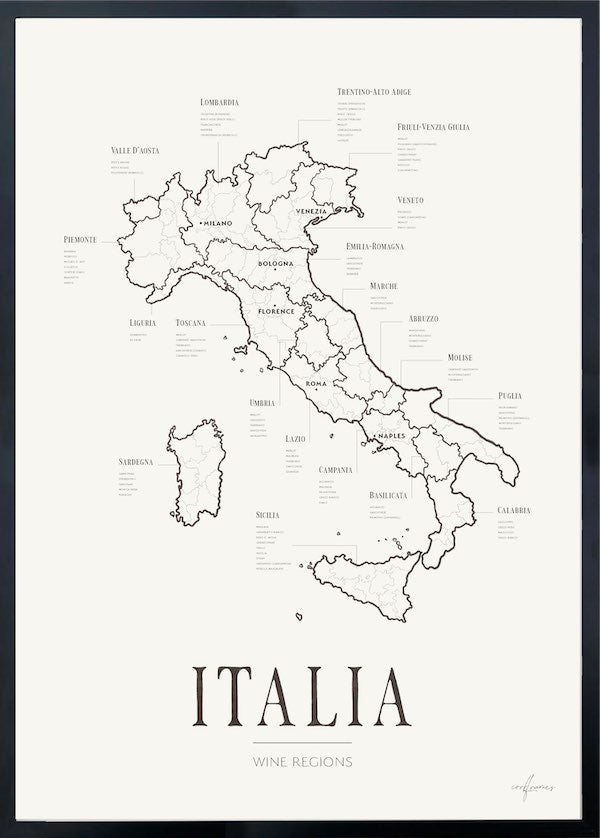
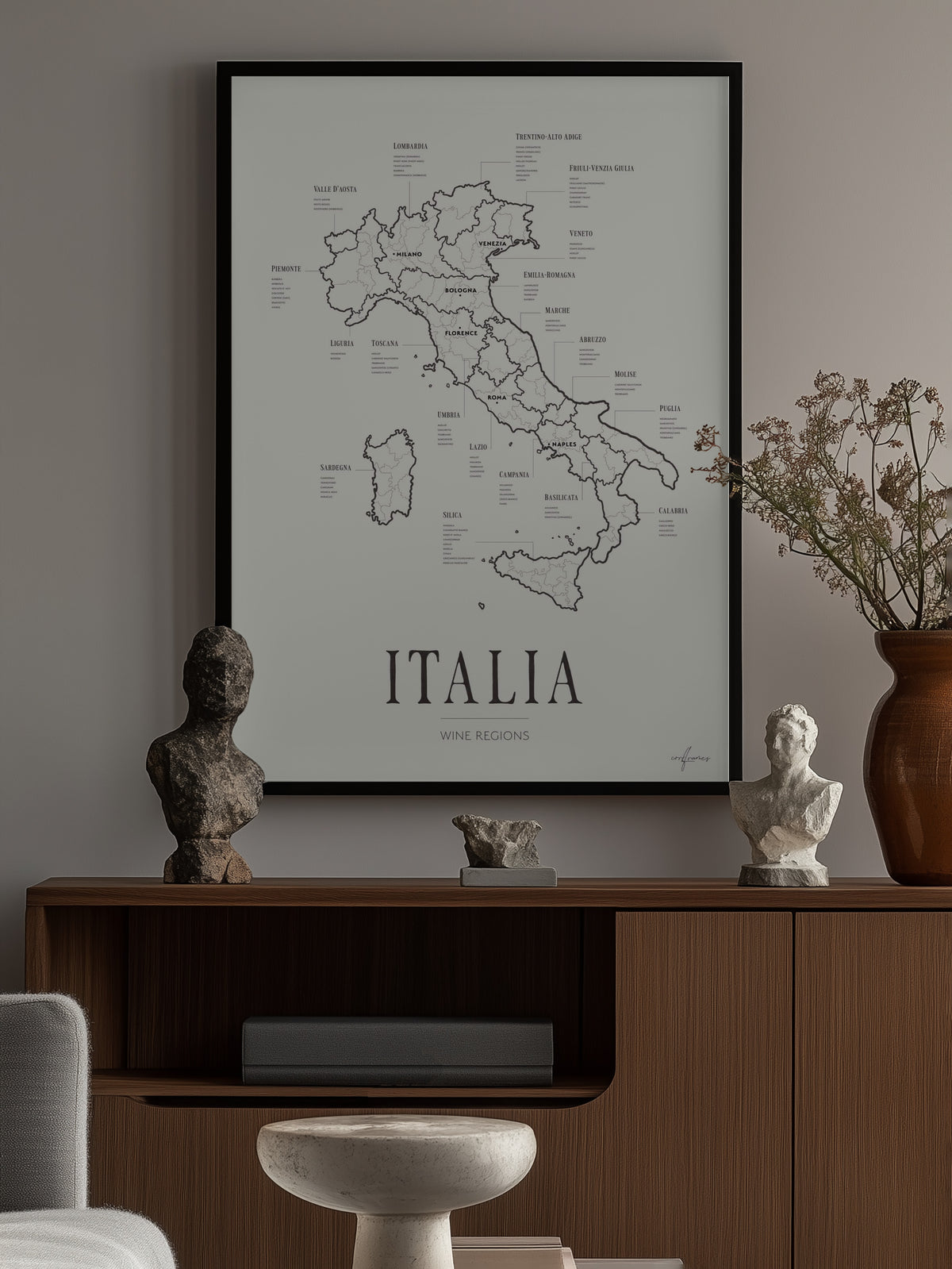
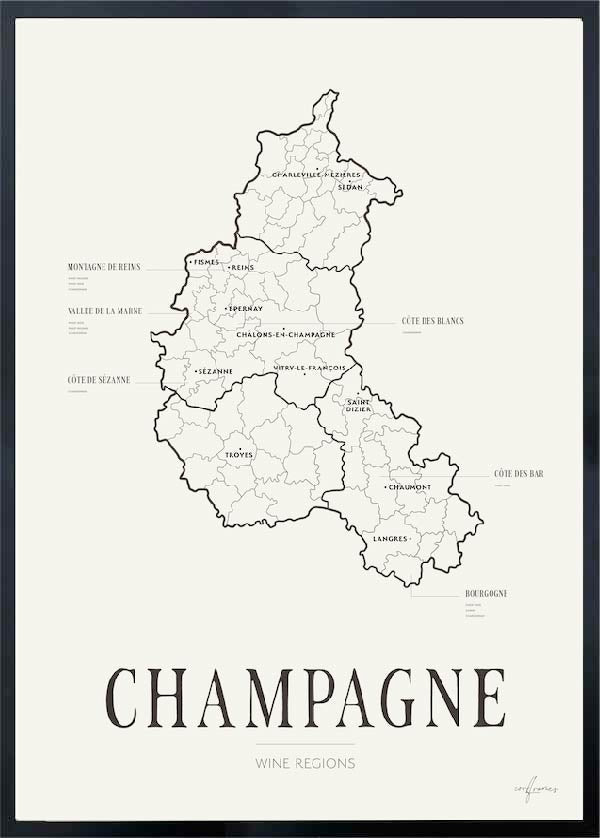
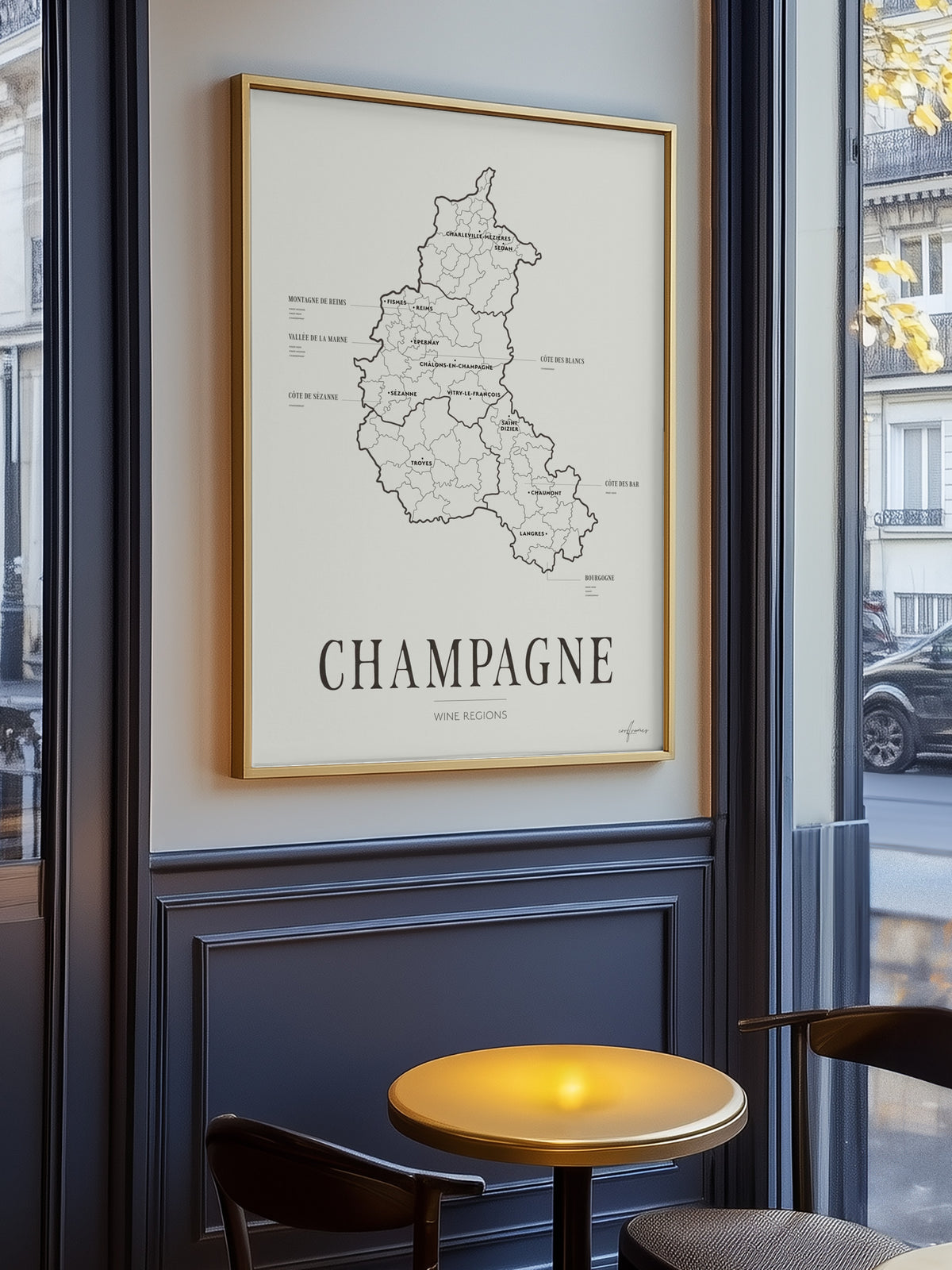
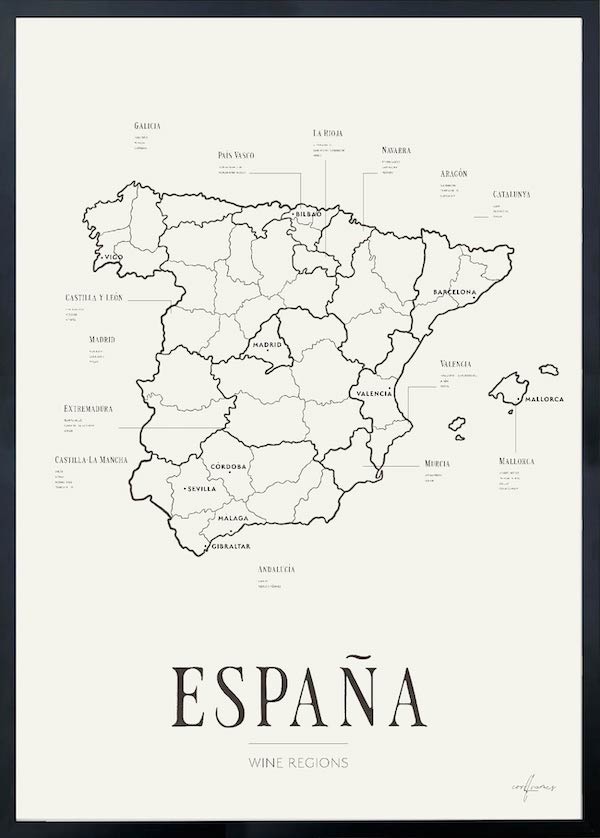
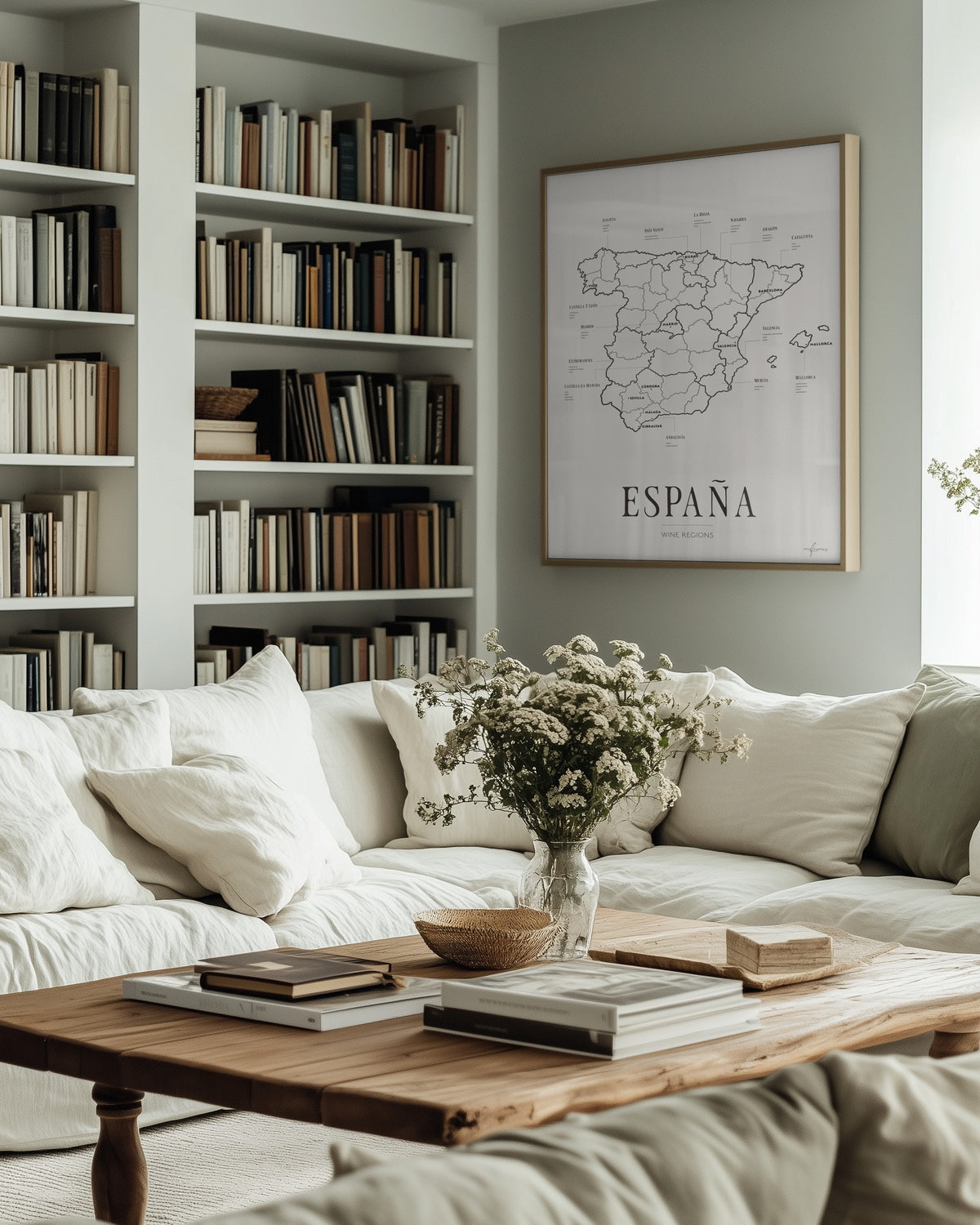
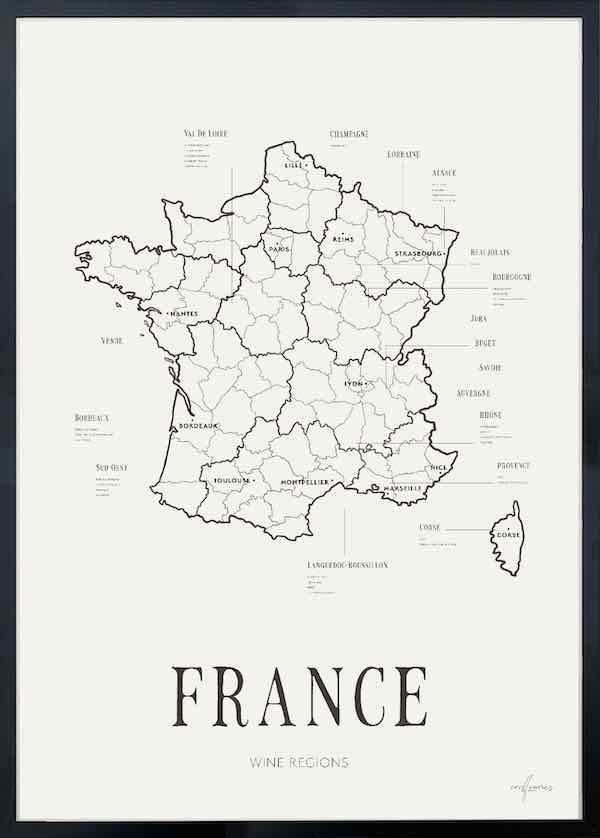
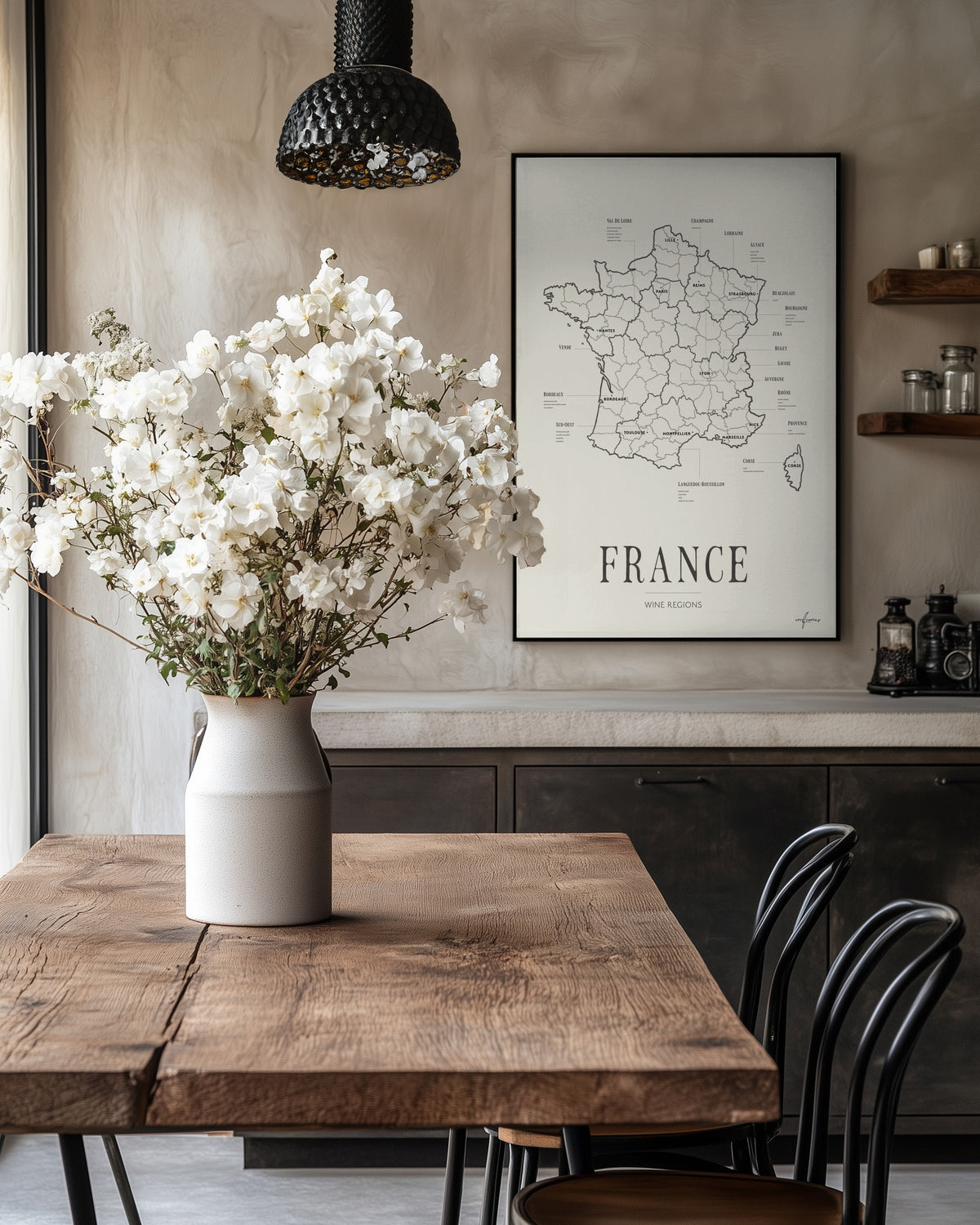
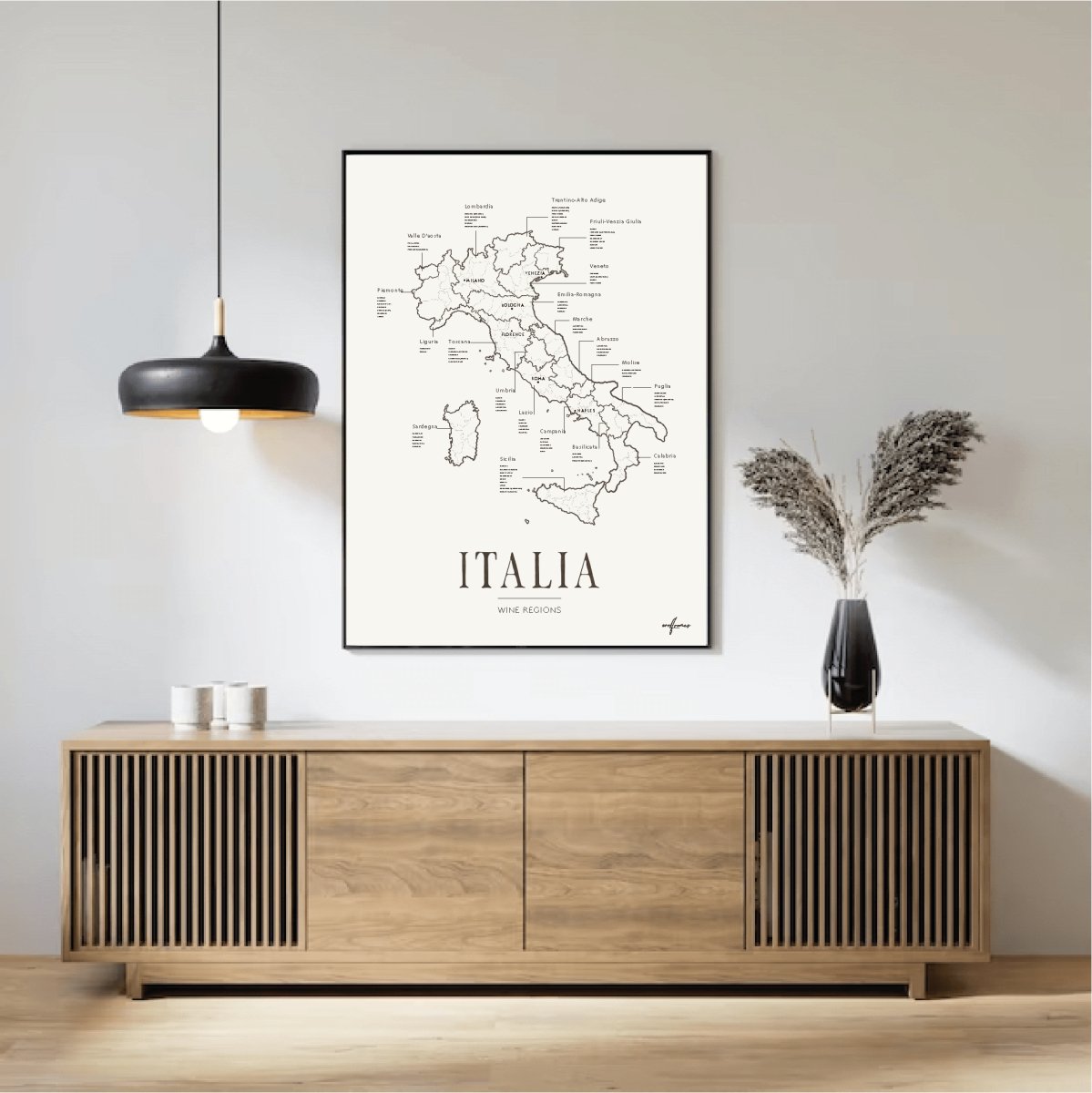
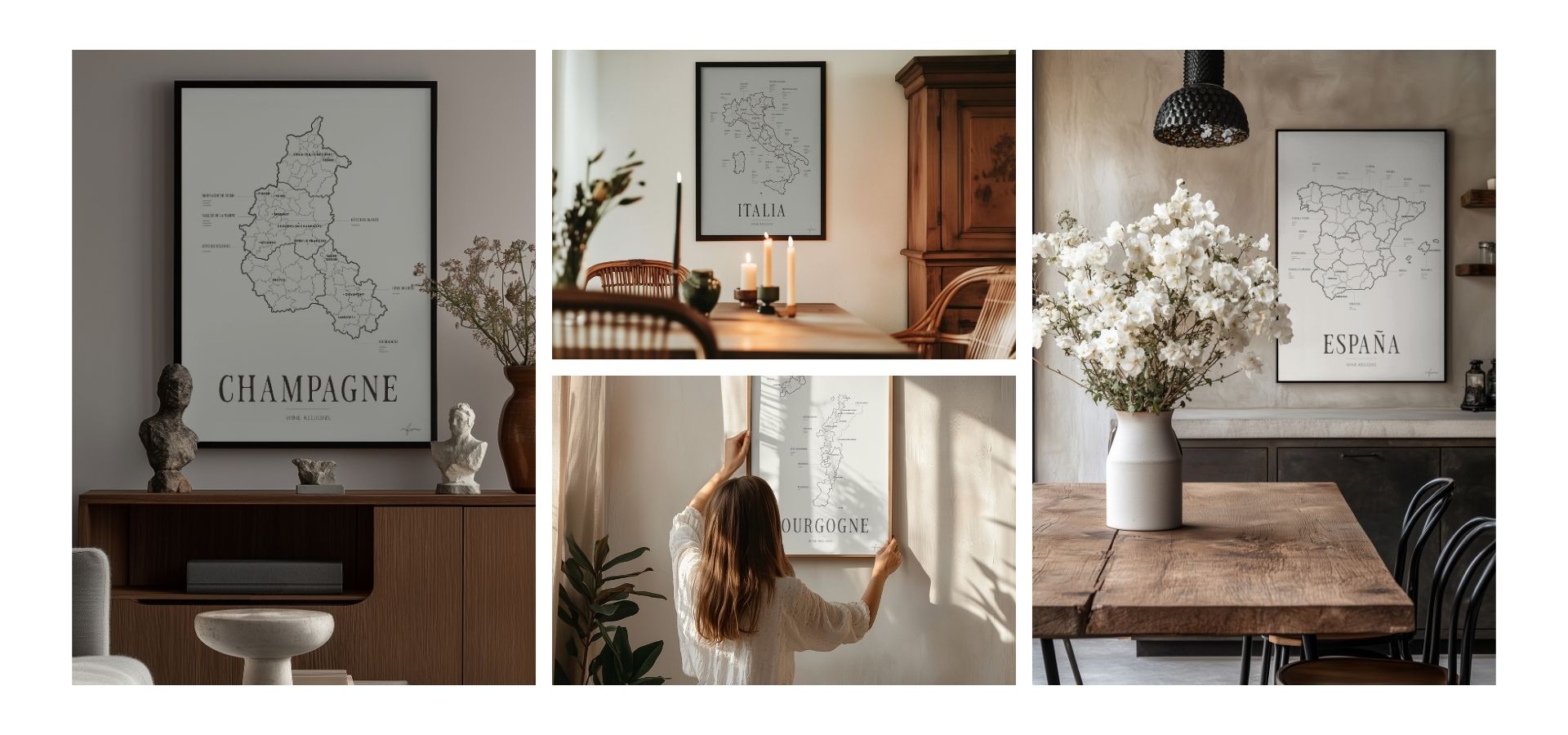
Explore the map: Corkframes Wine Maps — detailed maps of the regions behind the wines.