
The wine industry is undergoing a significant shift toward circularity, driven by the urgent need to reduce the environmental footprint of global production.
Modern sustainable wine packaging trends are moving beyond basic recycling toward a more comprehensive model of reuse and material innovation. This evolution aims to balance ecological responsibility with the luxury aesthetic that consumers have long associated with fine wine.
The Shift to Reusable Glass
One of the most impactful changes in the industry is the reintroduction of reusable wine bottles. According to recent industry reports, adopting a circular model for glass bottles can save up to 90% in CO2 emissions compared to the traditional single-use glass cycle. This approach minimizes the energy-intensive process of crushing and melting glass, focusing instead on cleaning and refilling existing vessels.
Lightweight Innovation and Sustainable Luxury
For wines intended for long-term aging or premium gift markets, high-end estates are collaborating with glass manufacturers to create lightweight alternatives. A recent partnership between Domaine Serene and Saverglass resulted in the launch of the Cépage Eco bottle. This design successfully reduces the weight of the glass without sacrificing the 'luxury' feel or structural integrity required for premium vintages. These sustainable wine packaging trends demonstrate that environmental stewardship and high-end presentation are no longer mutually exclusive.
Reusable bottles offer up to a 90% reduction in carbon emissions.
Lightweight glass reduces fuel consumption during global shipping.
Circular systems decrease the demand for raw material extraction.
New designs maintain the traditional silhouette favored by collectors.
Sustainable Storage and Cork Interior Design
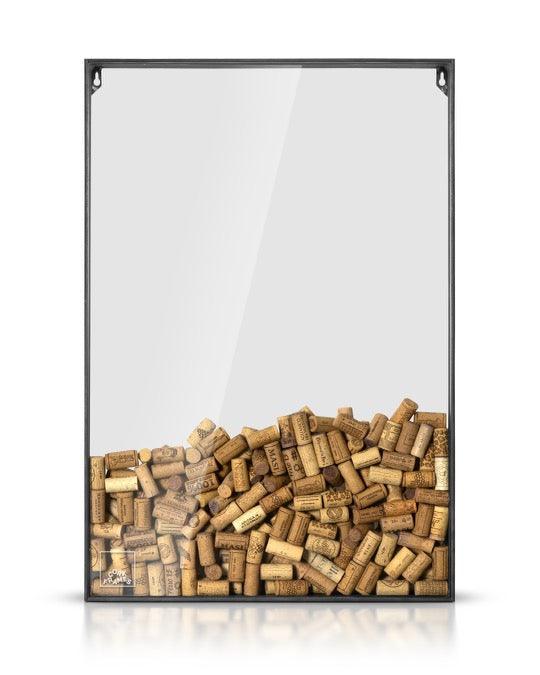
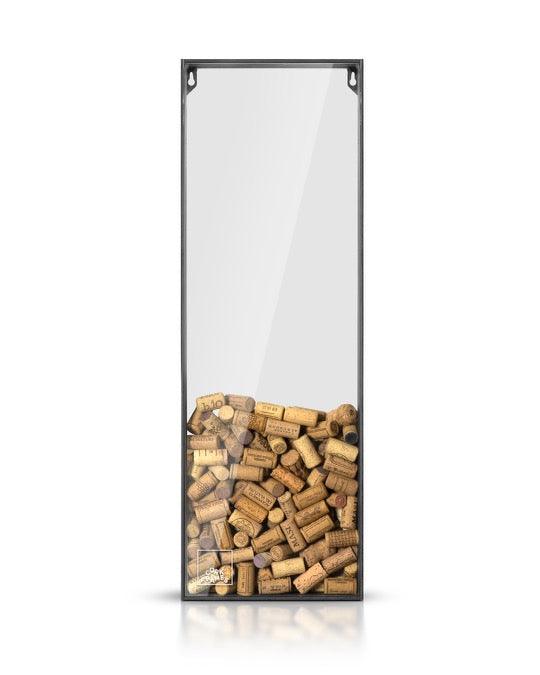
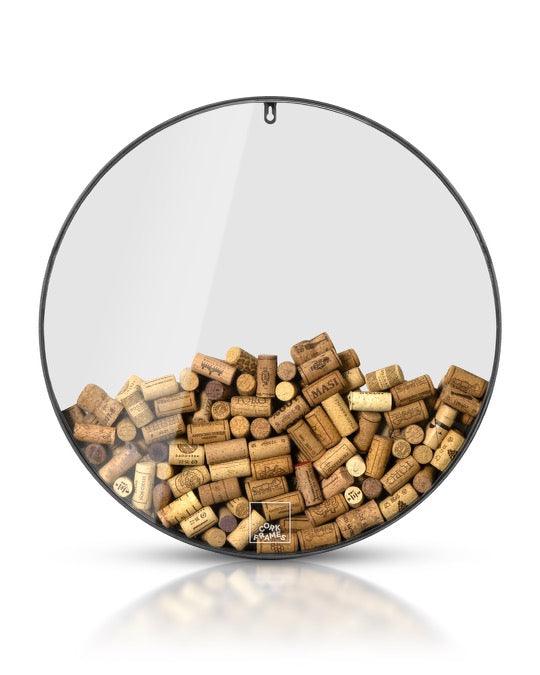
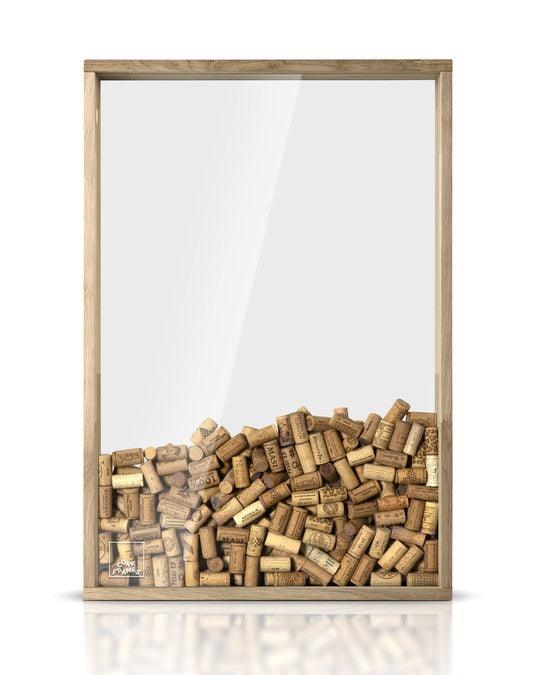
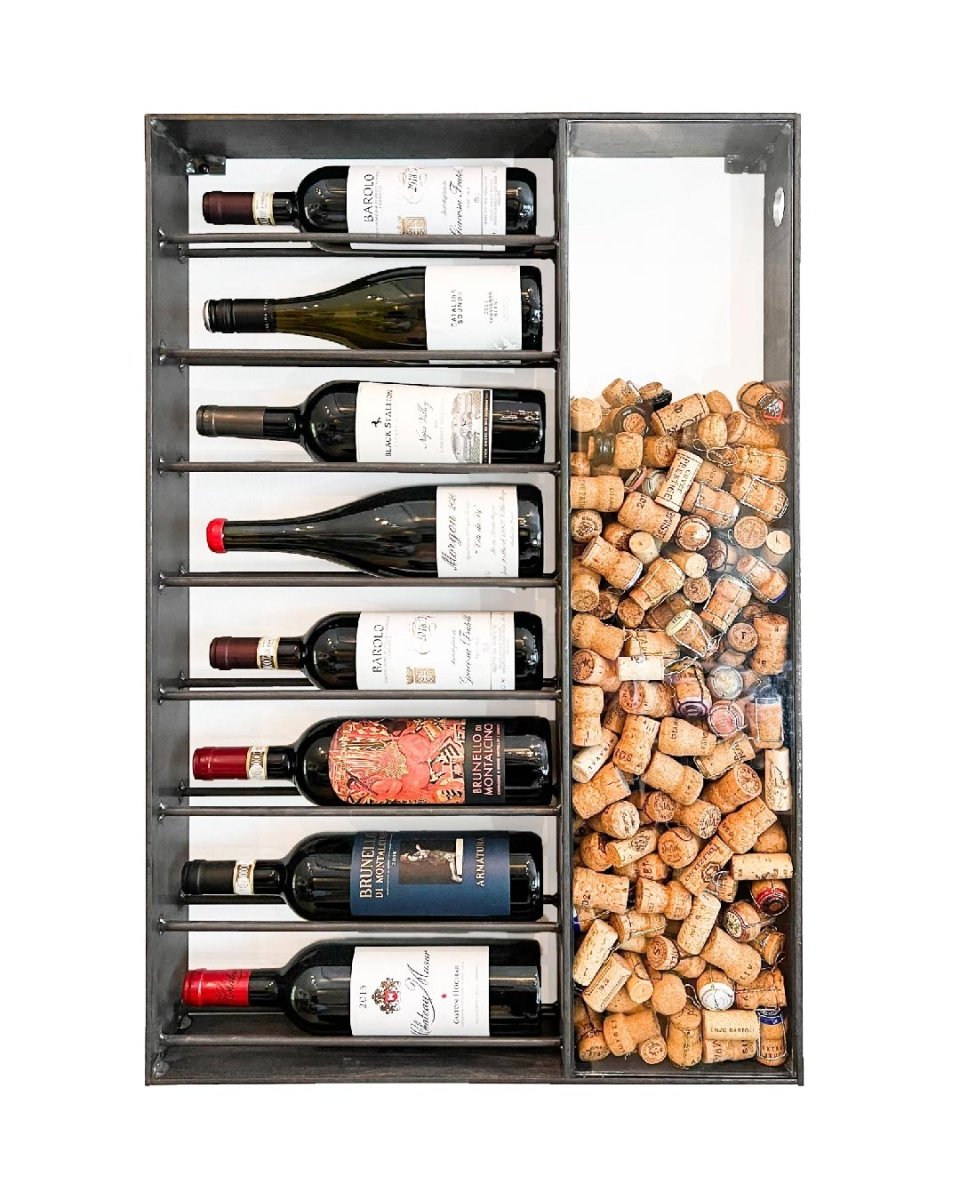
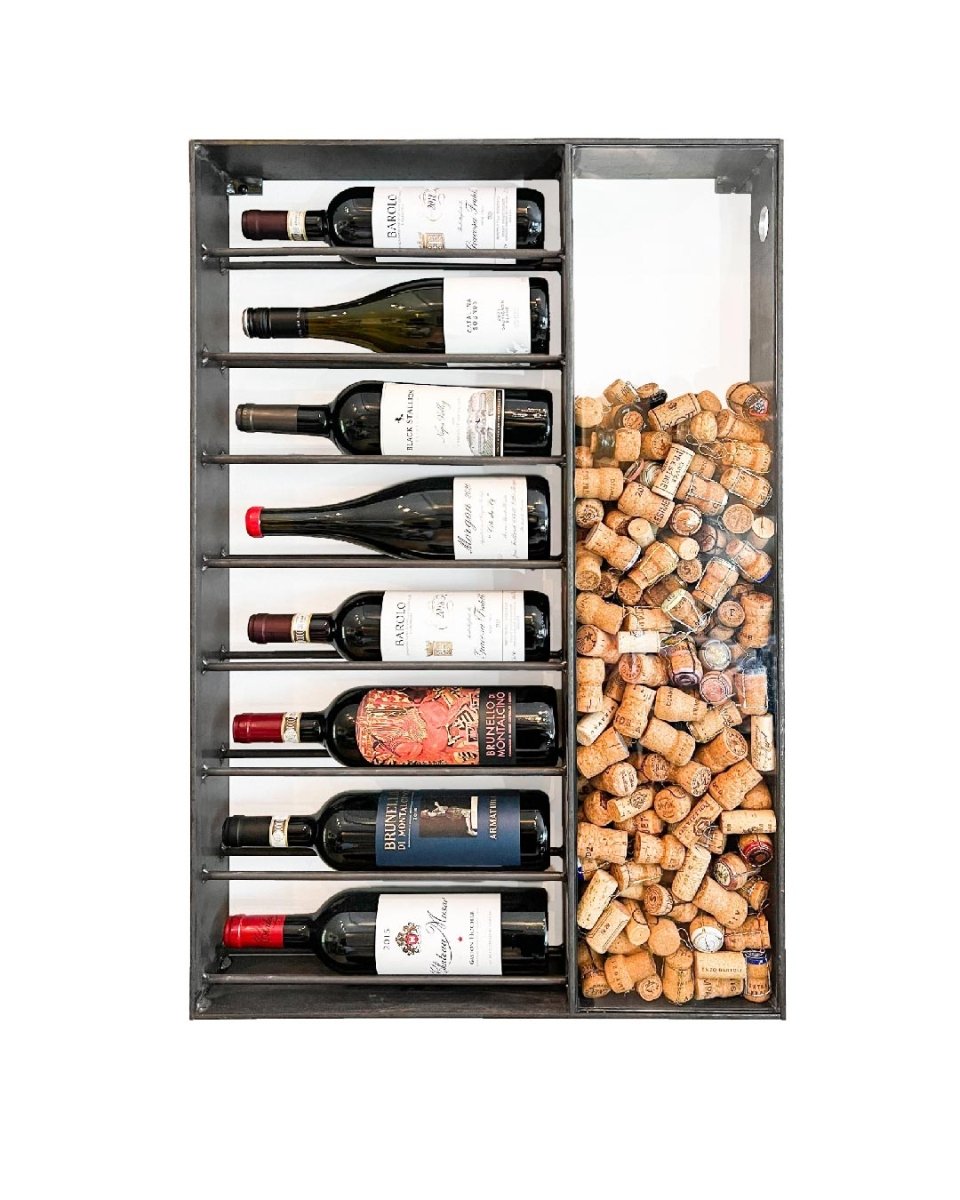
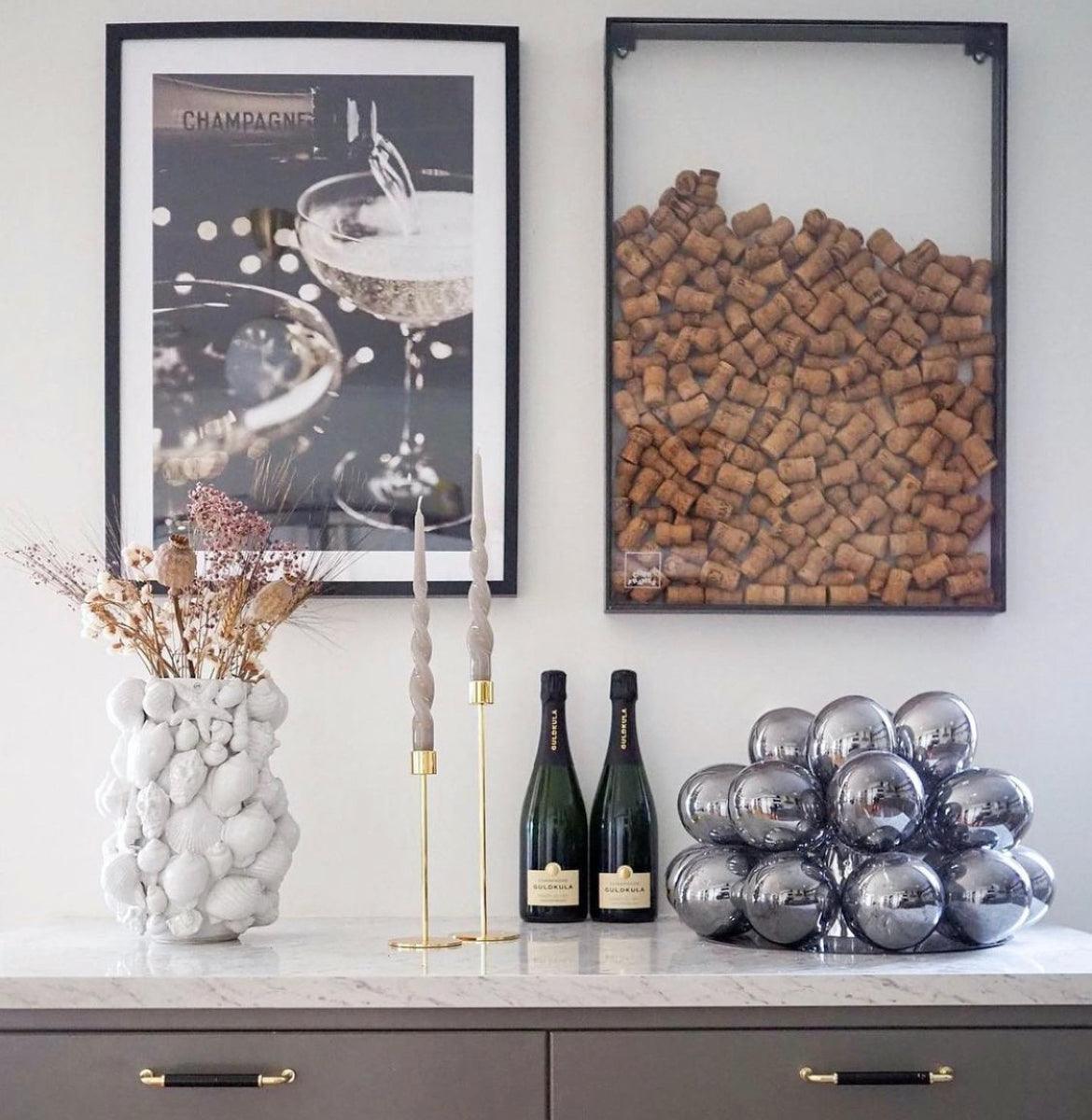
As the industry refocuses on the lifecycle of the bottle, consumers are becoming more conscious of how they store and display their collections at home. The demand for eco-conscious materials extends to cork interior solutions and natural storage methods. Cork, being a renewable and biodegradable resource, complements the sustainable ethos of modern wineries. By choosing materials like natural cork for home displays and storage, enthusiasts can align their domestic environment with the circular values of the bottles they purchase.
The Future of Wine Circularity
The transition toward reusable and lightweight packaging is more than a fleeting preference; it is a structural change in how wine is brought to market. As more producers adopt eco-bottles, the infrastructure for collection and sterilization is expected to expand, making circularity the standard for the next generation of winemaking.