
The global wine industry is undergoing a significant transformation as producers and consumers alike prioritize environmental responsibility.
At the heart of this movement is a focus on sustainable wine packaging, an initiative aimed at reducing the carbon footprint associated with heavy glass bottles and non-renewable shipping materials.
Advancing Sustainable Luxury with Lightweight Glass
One of the most impactful developments in the sector is the reduction of glass weight. Traditionally, heavy bottles were synonymous with premium quality, but the energy required for their production and transport is substantial. Domaine Serene, in collaboration with Saverglass, has recently introduced the "Cépage Eco Bottle." This new format maintains a luxury aesthetic while significantly reducing glass weight, serving as a model for how high-end viticulture can evolve without compromising brand prestige.
The Rise of Reusable Glass Systems
Beyond weight reduction, circular economy models are gaining traction. Reusable wine bottle programs are being implemented to extend the lifecycle of glass. By washing and refilling bottles rather than crushing them for recycling, some programs claim savings of up to 90% in CO2 emissions. This shift represents a move back to traditional methods, updated with modern logistics to ensure hygiene and efficiency.
Alternative Formats and Materials
While glass remains the standard, alternative sustainable wine packaging formats are entering the mainstream to cater to different consumption occasions:
Aluminum Cans: Highly recyclable and lightweight, perfect for casual settings.
Paperboard and Bag-in-Box: These formats offer a significantly lower carbon footprint for wines intended for early consumption.
Lightweight Eco-Glass: Designed to look identical to traditional bottles but using far less raw material.
A Holistic Approach to Sustainable Living
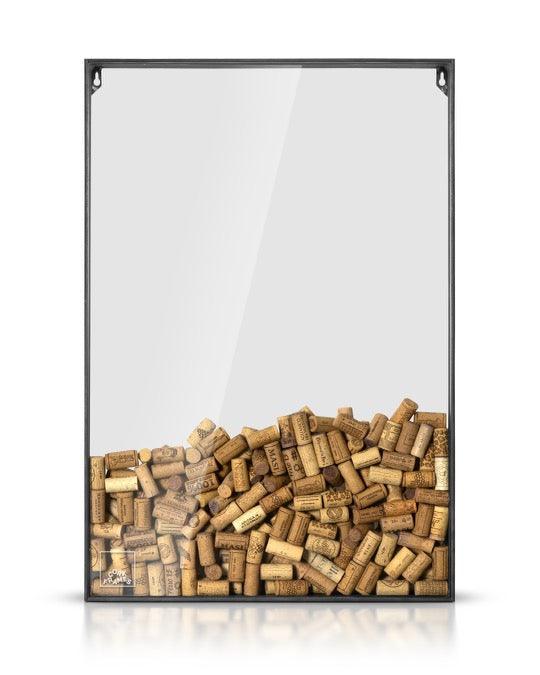
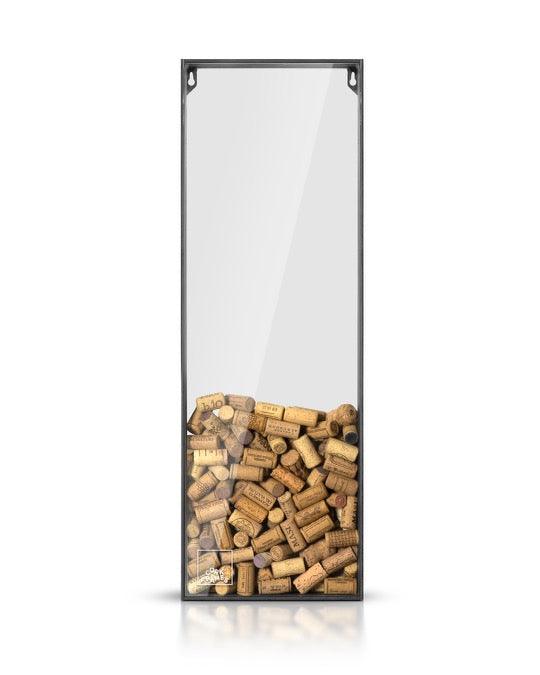
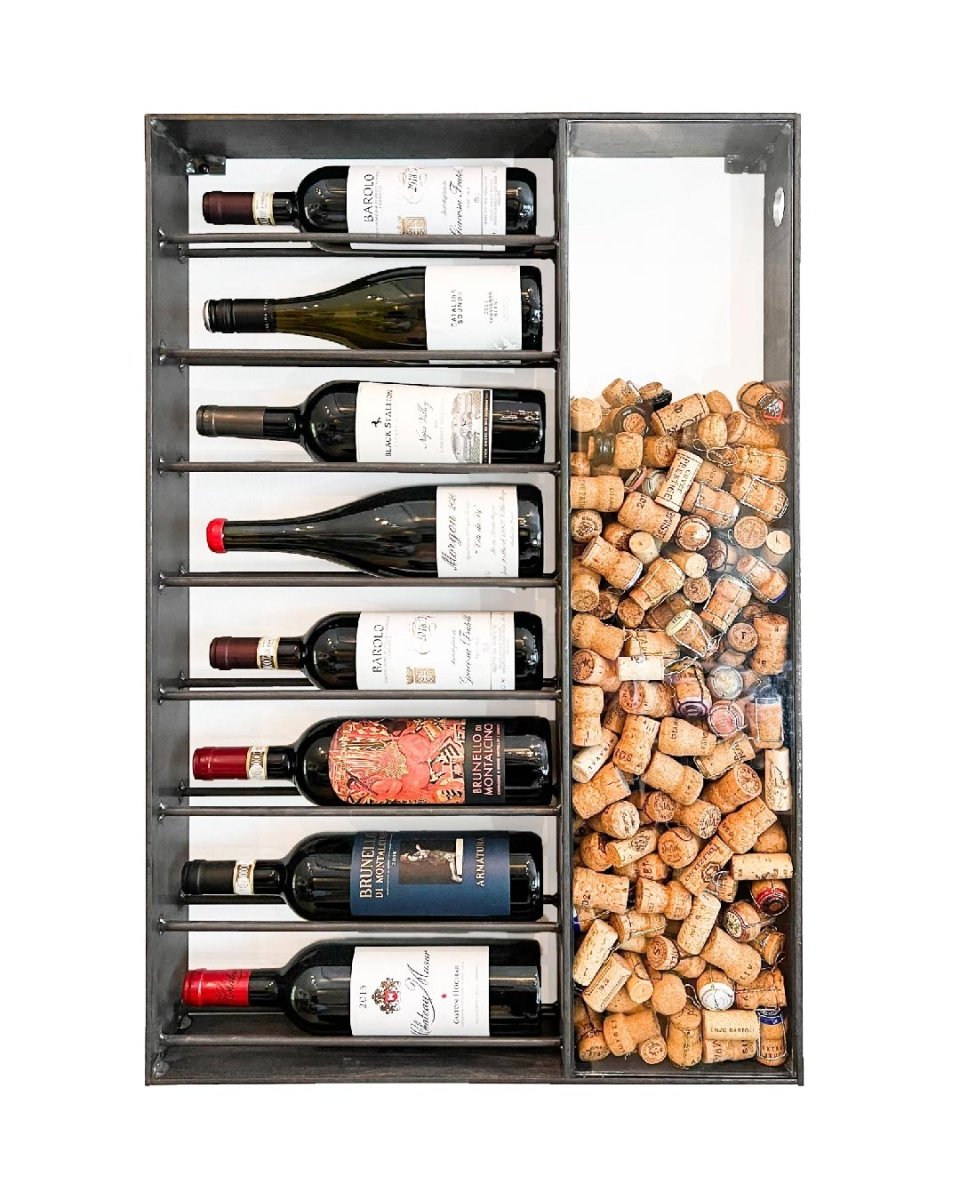
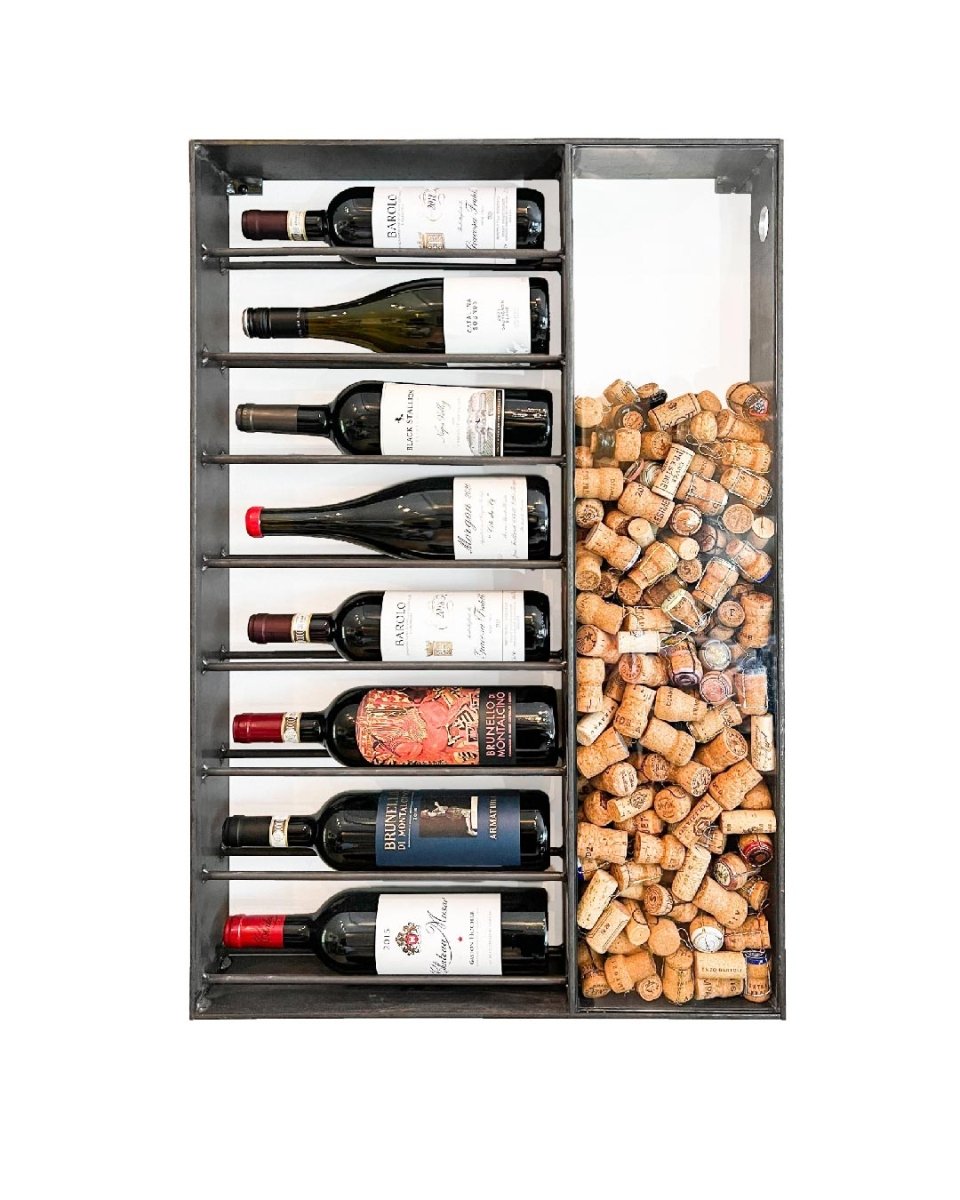
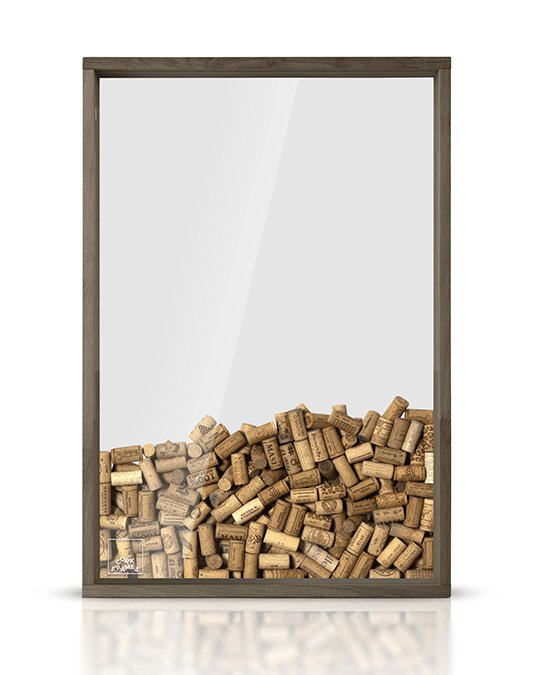
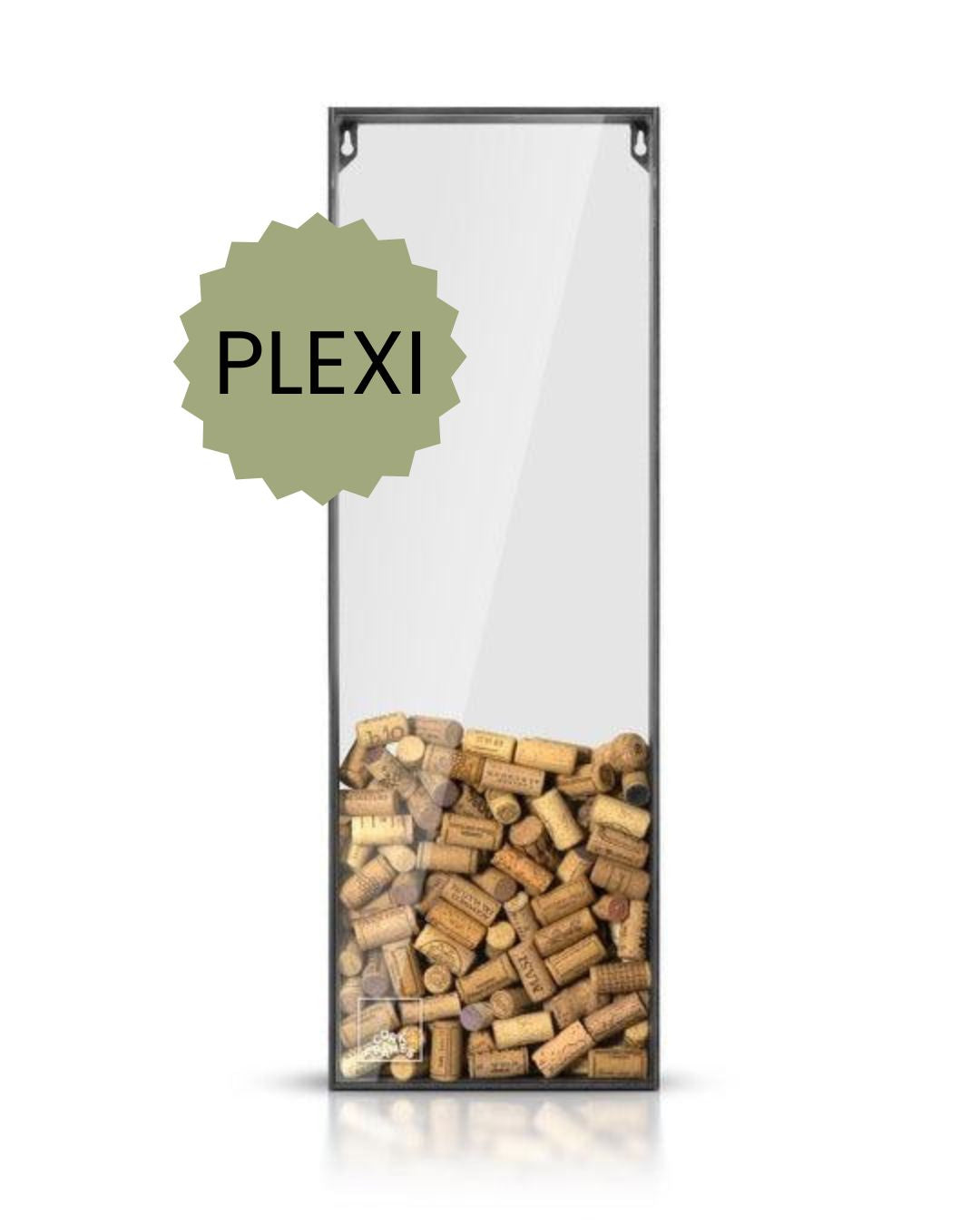
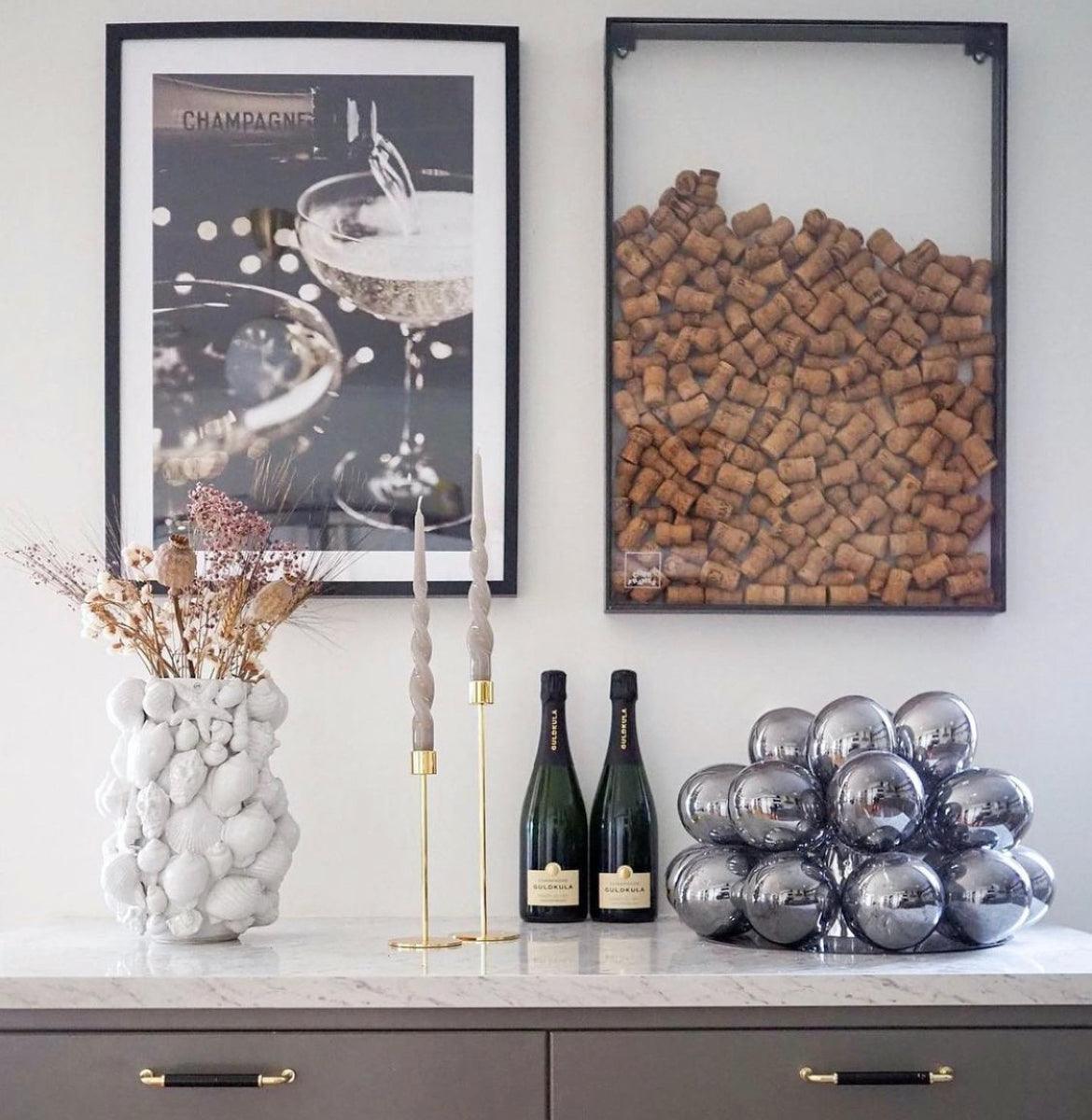
For the conscious wine enthusiast, sustainability often extends beyond the bottle. Choosing natural materials for the home, such as those found in our cork furniture and wine-centric decor, complements this eco-friendly lifestyle. Natural cork is a renewable resource harvested without harming the tree, making it a perfect functional accompaniment to a cellar stocked with responsibly packaged wines.
As wineries continue to innovate with reusable programs and lightweight materials, the industry moves closer to a future where luxury and environmental stewardship are inextricably linked.