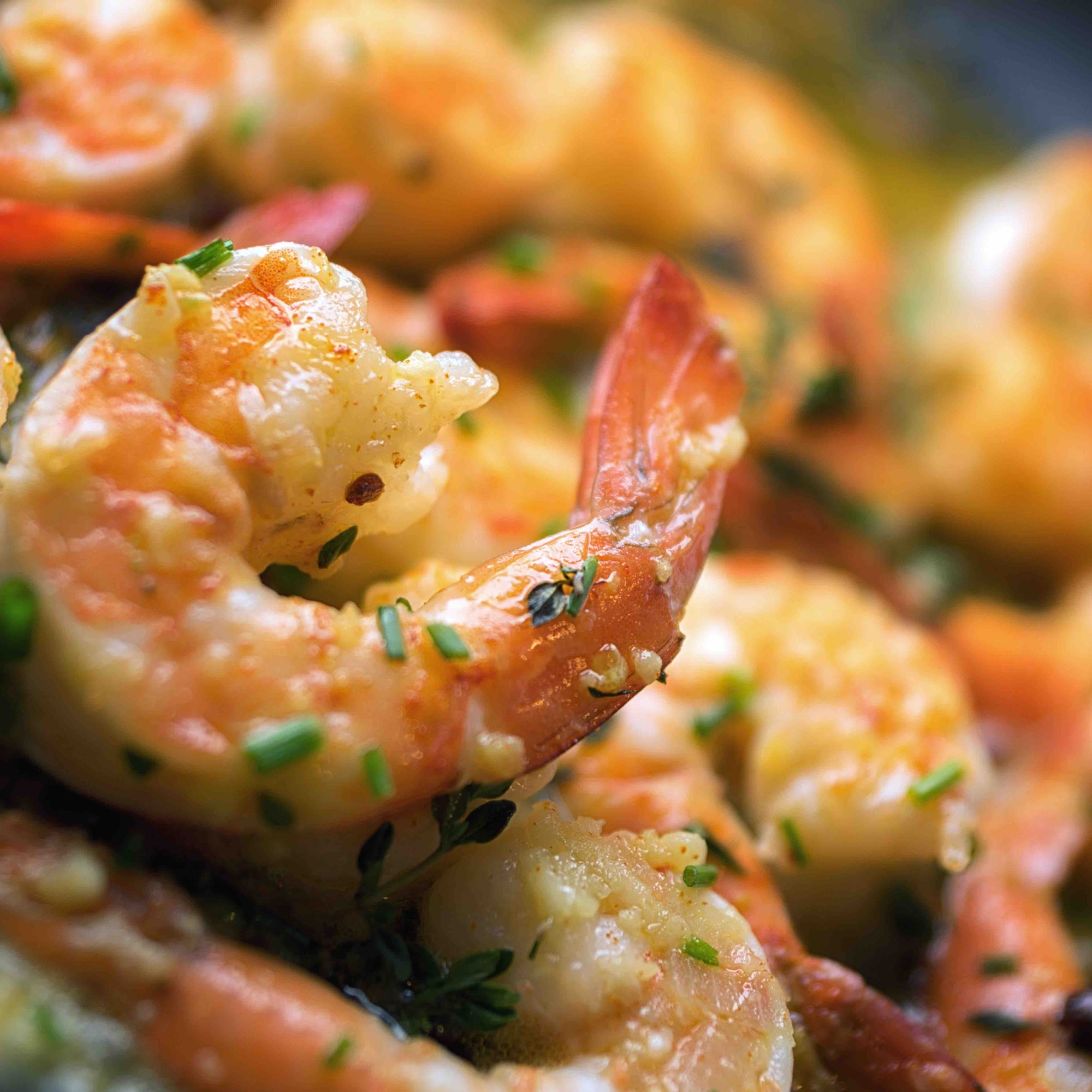


The simple difference
Scampi
Often refers to Norway lobster/langoustine (Nephrops norvegicus) in many European seafood contexts. It’s lobster-like, not a typical prawn. “Scampi” on a menu can still be used loosely, so species matters.
Tiger prawns
Usually means giant tiger prawn (Penaeus monodon). These are large prawns, commonly farmed, sometimes wild-caught.
Taste and texture
Scampi taste
Delicate, slightly sweet, and elegant. Texture is firm but tender. Best with quick cooking (overcooking dries it out).
Tiger prawn taste
More distinctly “prawny,” often stronger in flavour. Texture is meaty and holds up well on the grill, in stir-fries, and in curries.
Is it sustainable? It depends
Both can be good or bad choices depending on production.
Scampi sustainability: what to watch
Scampi (often Nephrops) is typically wild-caught. Key issues are fishing method and seabed impact.
Better signs: clear species name, catch area, and a reputable wild-catch certification when available (often MSC).
Tiger prawn sustainability: what to watch
Tiger prawns are frequently farmed. Key issues are habitat impact, water pollution, and farm standards, which vary a lot by region and producer.
Better signs: clear origin, species name, and responsible aquaculture certification when available (often ASC).
Quick checklist: how to choose better
-
Look for the exact species (not just “scampi” or “tiger”).
-
Check whether it’s wild-caught or farmed.
-
Prefer clear origin and traceability (country/region or catch area).
-
Use trusted labels as shortcuts (MSC for wild, ASC for farmed).
-
If details are missing, choose another seafood option that day.
Best use in the kitchen
Scampi: butter, garlic, lemon, herbs, pasta and risotto.
Tiger prawns: skewers, grill, spicy marinades, wok and curry.