
What Is Rum?
Rum is a spirit made from sugarcane. It is usually produced from molasses, a dark and syrupy by-product of sugar production, but it can also be made from fresh sugarcane juice.
The result can vary widely. Some rums are light, crisp and clean, while others are rich, dark and full of flavour, with notes of caramel, vanilla, spice, dried fruit and oak.
Rum is strongly associated with the Caribbean, but it is produced in many parts of the world where sugarcane grows. Jamaica, Barbados, Cuba, the Dominican Republic, Martinique, Guyana and several other regions all have their own rum traditions, styles and flavour profiles.
How Is Rum Made?
1. The Raw Material: Sugarcane, Molasses or Sugarcane Juice
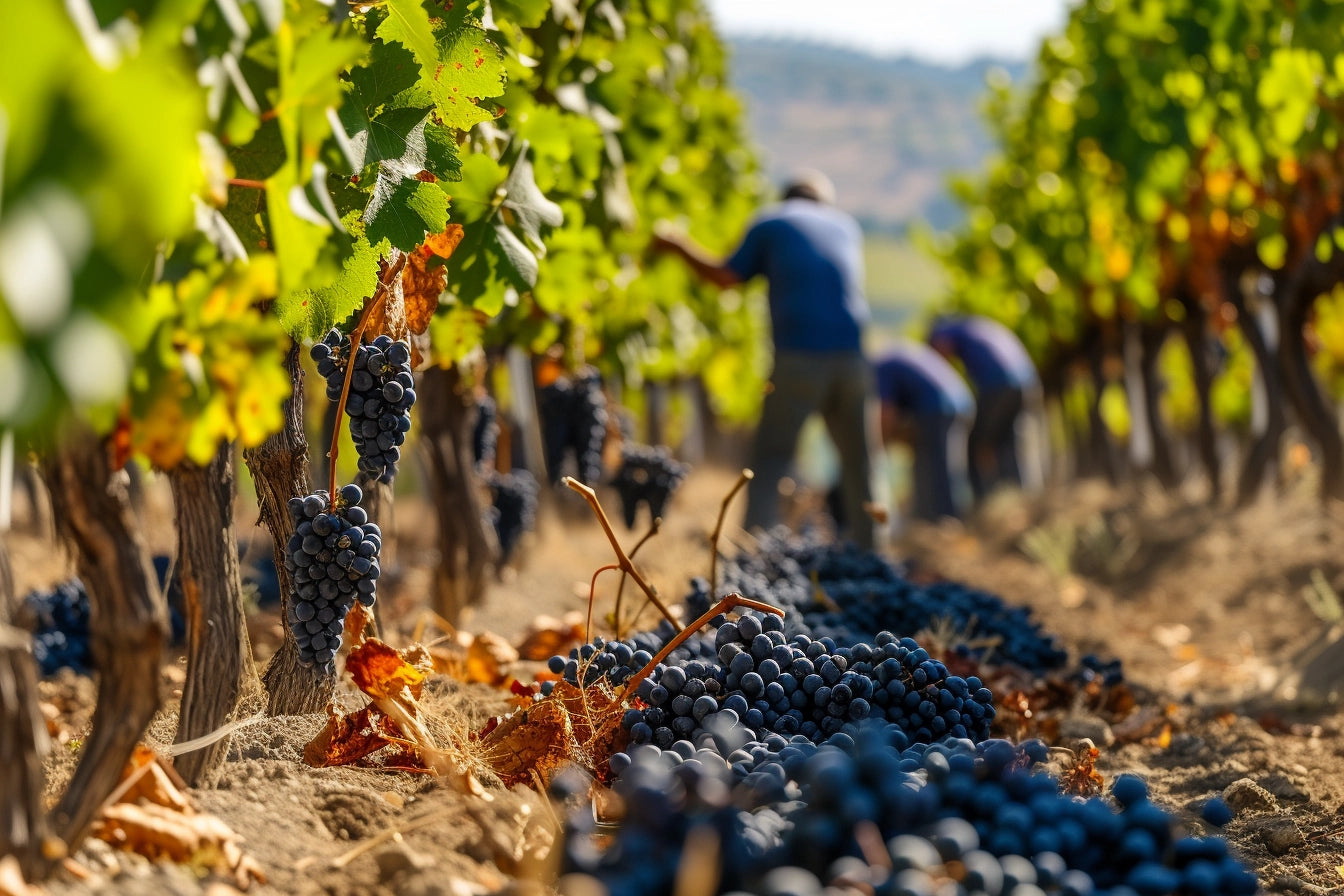
All rum begins with sugarcane. The most common base is molasses, which is left behind after sugar has been extracted from sugarcane. Molasses-based rum often has a rounder, fuller and sometimes slightly caramel-like character.
Some rum is made from fresh sugarcane juice instead. This is common in rhum agricole, especially from the French Caribbean. This style often has a fresher, greener and more herbal flavour, with a clearer expression of the sugarcane itself.
2. Fermentation: Turning Sugar Into Alcohol
The base ingredient is mixed with water and yeast. During fermentation, the yeast converts sugar into alcohol.
The length of fermentation has a major impact on flavour. A shorter fermentation usually creates a cleaner and lighter rum. A longer fermentation can produce more fruitiness, depth and complexity.
3. Distillation: Concentrating the Flavour
After fermentation, the liquid is distilled. Distillation increases the alcohol level and concentrates the aromas and flavours.
Rum is mainly distilled in two ways:
Column Distillation
Column distillation often produces a lighter, cleaner and smoother rum. This method is commonly used for rums that are intended to be fresh, mild and easy to mix in cocktails.
Pot Distillation
Pot distillation usually creates a heavier and more flavourful rum. It can bring out deeper notes of tropical fruit, spice, molasses and richer aromas. This style is often appreciated by those who want more character in the glass.
4. Ageing: From Clear Spirit to Deeper Flavour
After distillation, rum may be aged in barrels, usually oak. Barrel ageing adds flavours such as vanilla, caramel, coconut, spice, dried fruit and toasted oak.
In warm tropical climates, rum matures faster than many spirits aged in cooler regions. Heat increases the interaction between the spirit and the wood, which means that a rum aged for a few years in the Caribbean can taste more mature than a spirit aged for the same amount of time in a colder climate.
The Difference Between Light and Dark Rum
Light Rum
Light rum is usually lighter, fresher and milder in flavour. It may be unaged, aged for a short time, or aged and then filtered to remove colour.
The flavour is often clean, lightly sweet, fresh and smooth. You may find notes of citrus, vanilla, sugarcane and subtle tropical fruit.
Light rum is especially useful in fresh cocktails where balance is important and the rum should not overpower the drink.
Light Rum Works Well In:
Mojito
Daiquiri
Piña Colada
Cuba Libre
Rum cocktails with lime, mint, pineapple or coconut
Dark Rum
Dark rum is often fuller, deeper and more flavourful. Its colour can come from barrel ageing, but sometimes also from added caramel colouring. This is important to know: a darker colour does not always mean the rum has been aged longer.
Dark rum may have notes of caramel, brown sugar, vanilla, chocolate, coffee, oak, spice and dried fruit. It works well when you want more warmth and character.
Dark Rum Works Well With:
Dark ’n’ Stormy
Rum Old Fashioned
Chocolate desserts
Grilled pineapple
Spiced dishes
Sipping neat or over ice
Is Dark Rum Better Than Light Rum?
No. Dark rum is not automatically better than light rum. The difference is more about style, use and flavour profile than quality.
A well-made light rum can be perfect in a fresh cocktail where lime, mint or fruit should shine. A darker rum is better when you want deeper flavour, barrel character and warmer notes.
The key is to choose the rum according to the occasion. For a Daiquiri, a good light rum is often the best choice. For chocolate fondant, grilled fruit or a slow drink after dinner, a darker rum may be far more interesting.
Common Types of Rum
Light Rum
A clear or nearly clear rum with a light, fresh and clean flavour. Often used in classic cocktails.
Gold Rum or Amber Rum
A middle style between light and dark rum. It often has more roundness and barrel character than light rum, but is not as heavy as dark rum.
Dark Rum
A fuller rum with deeper colour and flavour. It works well in richer cocktails, with desserts or as a sipping spirit.
Spiced Rum
Rum flavoured with ingredients such as vanilla, cinnamon, nutmeg, orange peel or clove. It is often used in simple drinks with cola, ginger beer or apple cider.
Rhum Agricole
Rum made from fresh sugarcane juice instead of molasses. It is often drier, grassier and more herbal in flavour.
Overproof Rum
Rum with a higher alcohol content than standard rum. It is mainly used in cocktails and should be handled carefully because of its strength.
Rum With Food and Desserts
Rum works very well with food, especially dishes that include sweetness, spice, roasted flavours or tropical ingredients.
Good Flavour Pairings With Rum:
Dark chocolate
Caramel and toffee
Vanilla ice cream
Grilled pineapple
Banana and coconut
Spiced meat dishes
Glazed chicken or pork
Desserts with coffee, nuts or dried fruit
For lighter desserts with citrus, coconut or tropical fruit, light or golden rum is often the best match. For chocolate, caramel and spiced desserts, dark rum is usually a better choice.
Which Rum Should You Choose?
Choose light rum for fresh cocktails such as Mojito, Daiquiri and Piña Colada.
Choose gold rum if you want a rounder style that works both in cocktails and for easy sipping.
Choose dark rum if you want more depth, warmth and barrel character.
Choose rhum agricole if you want to try a drier and more herbal style.
Choose spiced rum if you want something approachable for simple drinks with ginger beer, cola or apple cider.
Rum is made from sugarcane, usually from molasses or fresh sugarcane juice. Its flavour is shaped by the raw material, fermentation, distillation, ageing and sometimes added sugar or colour.
Light rum is usually fresher, cleaner and ideal for classic cocktails. Dark rum is fuller, warmer and more flavourful, with notes of oak, caramel, spice and dried fruit.
The best rum is not always the darkest or the most expensive one. It is the rum that best suits what you want to drink, mix or serve.