
Restaurant interior design for autumn 2026 is defined by warmth, texture and individual character. Dark woods, muted colours, textiles and objects with a history offer a clear alternative to the cool, pared-back spaces that have influenced hospitality design for many years.
Function and flexibility are also central to the season’s design direction. A successful restaurant interior should support daily operations, adapt throughout the day and create an atmosphere that guests want to return to.
What Defines Restaurant Interior Design in Autumn 2026?
The key restaurant interior design trends for autumn 2026 include:
warm, saturated colours
dark wood and materials that develop a natural patina
layered lighting
local art and personal objects
walls that tell a story about food, wine and place
flexible dining spaces
visible craftsmanship and open kitchens
These trends share a common direction: restaurants are developing stronger identities and creating spaces that feel considered without appearing overly styled.
1. Warm Colours Shape the Autumn Atmosphere
Sand, taupe, espresso brown, olive green, terracotta and deep burgundy form a natural palette for autumn 2026. These colours work particularly well in restaurants and wine bars seeking a warmer, more intimate atmosphere.
A light foundation of cream, sand or warm grey can be combined with deeper shades on walls, furniture and textiles. Olive green works naturally with wood and stone, while burgundy and terracotta can create a richer, more classic dining-room character.
A practical approach is to select two neutral base colours and one stronger accent shade. This creates a coherent palette while allowing smaller decorative details to change with the seasons.
2. Dark Wood and Materials That Age Well
Walnut, smoked oak and other darker woods bring depth and warmth to restaurants, hotels and bars. They can be paired with natural stone, metal, leather, linen and textured plaster to create contrast without making the room feel crowded.
Materials with visible grain and texture can develop character through use. This helps the interior feel established rather than worn and reduces the pressure to replace surfaces as soon as they begin to show signs of age.
Longevity should be considered when choosing furniture and finishes. Can the material be repaired? Will it still suit the restaurant in several years? Can it be reused if the layout changes?
Materials in hospitality spaces must also withstand cleaning, spills and frequent use. Successful restaurant design therefore balances visual character with durability and practical maintenance.
3. Lighting Is Built in Layers
Lighting affects how guests perceive the food, colours and people around them. This autumn, restaurant interiors are increasingly using several layers of light instead of relying on uniform overhead lighting.
A considered lighting scheme may include:
ambient lighting that establishes the overall mood
task lighting above tables, bars and service areas
accent lighting for artwork and architectural details
decorative fixtures that reinforce the restaurant’s identity
Lighting should adapt to the time of day. A café or restaurant serving lunch often benefits from brighter daytime illumination, while softer lighting can create a calmer atmosphere for dinner and evening wine service.
Dimmers and separately controlled light sources allow the mood to change without rearranging the room. Menus, food and pathways must remain clearly visible throughout service.
4. The Restaurant’s Story Becomes Part of the Design
Generic restaurant concepts are giving way to spaces with a stronger sense of place and personal history. Family photographs, local craftsmanship, vintage furniture and objects connected to the menu can create an identity that competitors cannot easily reproduce.
In OpenTable’s US consumer research for 2026, 48% of respondents selected cosy, local charm as the most appealing interior style. Although the survey represents the American market, it reflects a wider international interest in restaurants with distinctive local character.
A restaurant can begin by asking:
Who are the people behind the business?
Which place or region inspired the menu?
Are there producers, ingredients or culinary traditions worth highlighting?
Which objects help guests understand the concept?
An Italian restaurant, for example, can focus on a specific region, family story or culinary tradition instead of relying on general symbols of Italy. The result feels more credible and gives guests something meaningful to discover.
5. Walls Become Part of the Restaurant’s Narrative
Art, photography and graphic prints can connect the colour palette, materials and overall concept. A coherent selection usually creates a stronger impression than a collection of unrelated images.
One large wall may suit a single statement piece, while a smaller area can work well with a carefully arranged group of prints. Frames, formats, colours and spacing should be planned together.
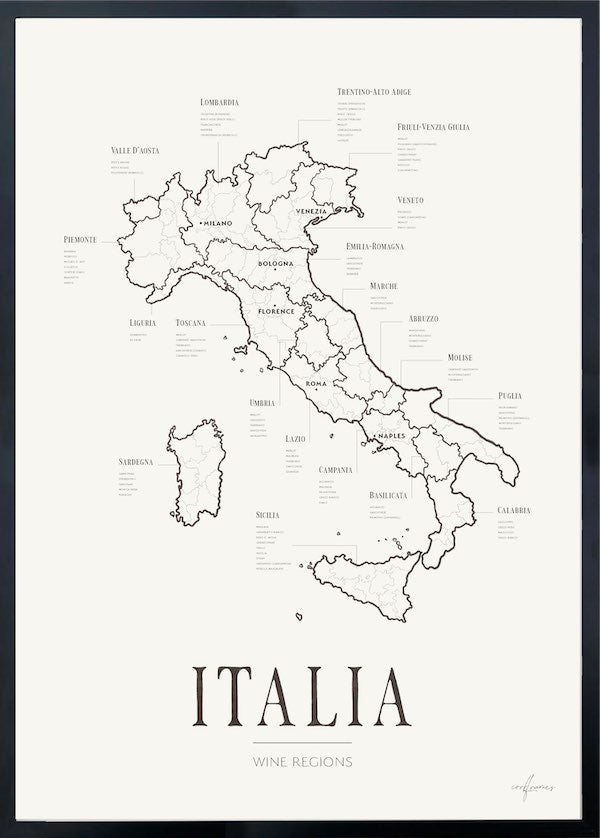
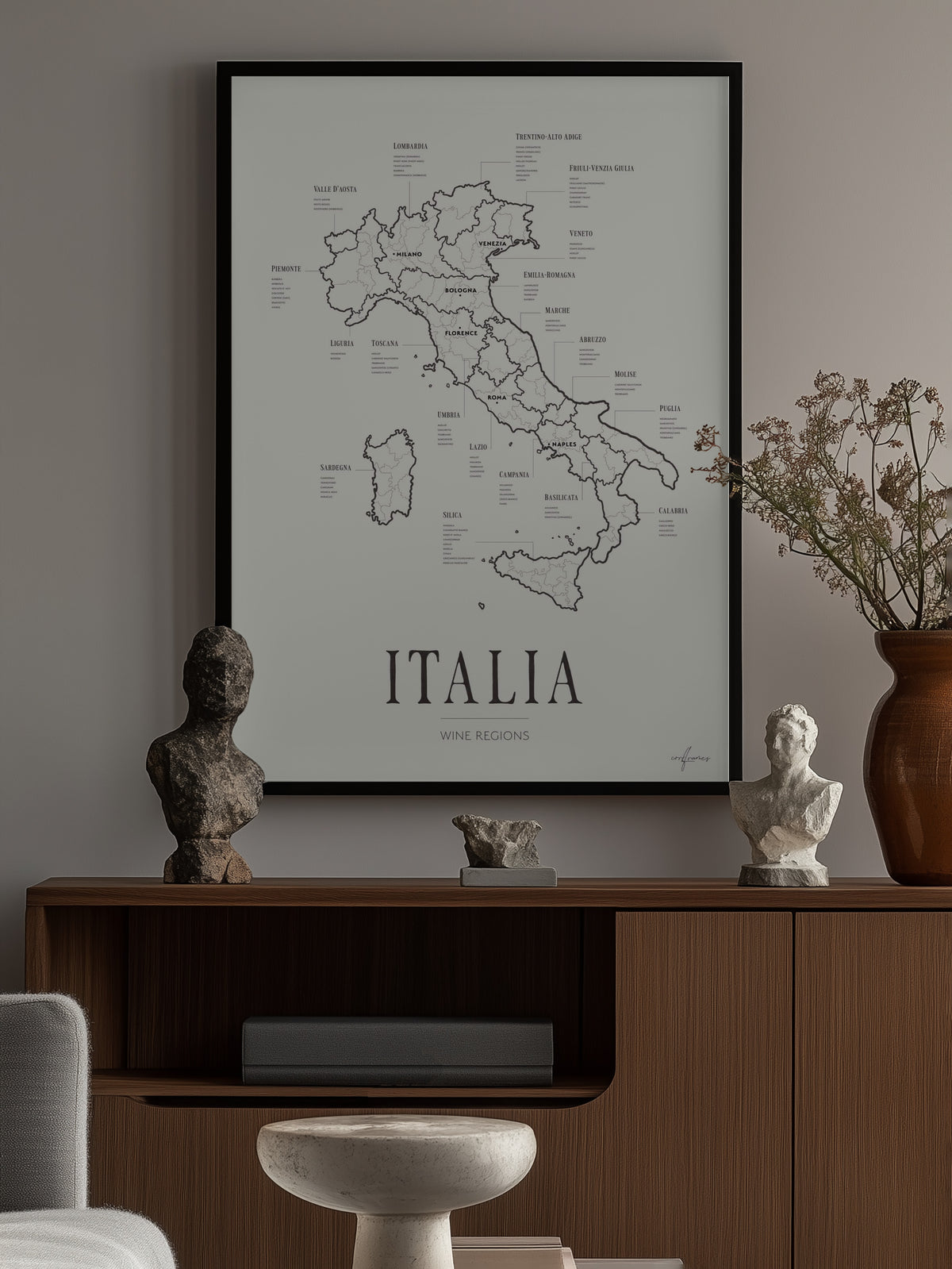
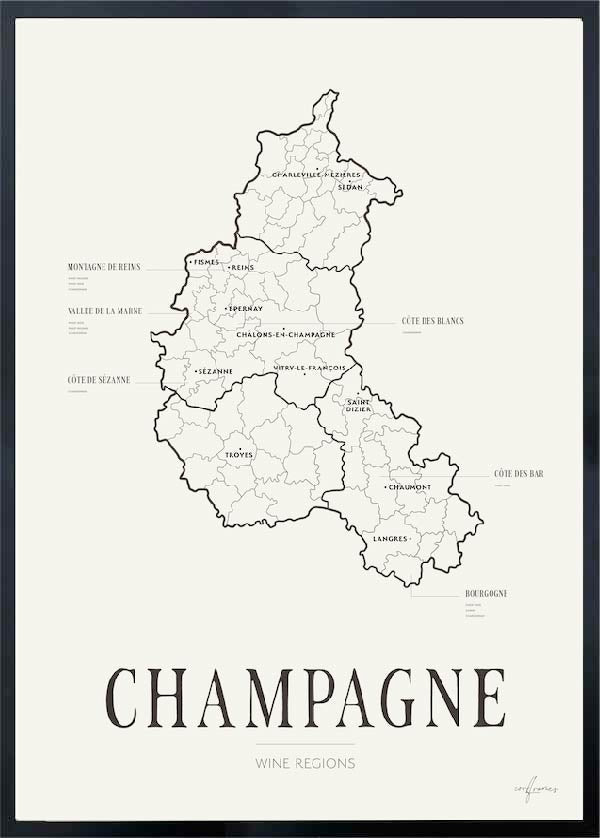
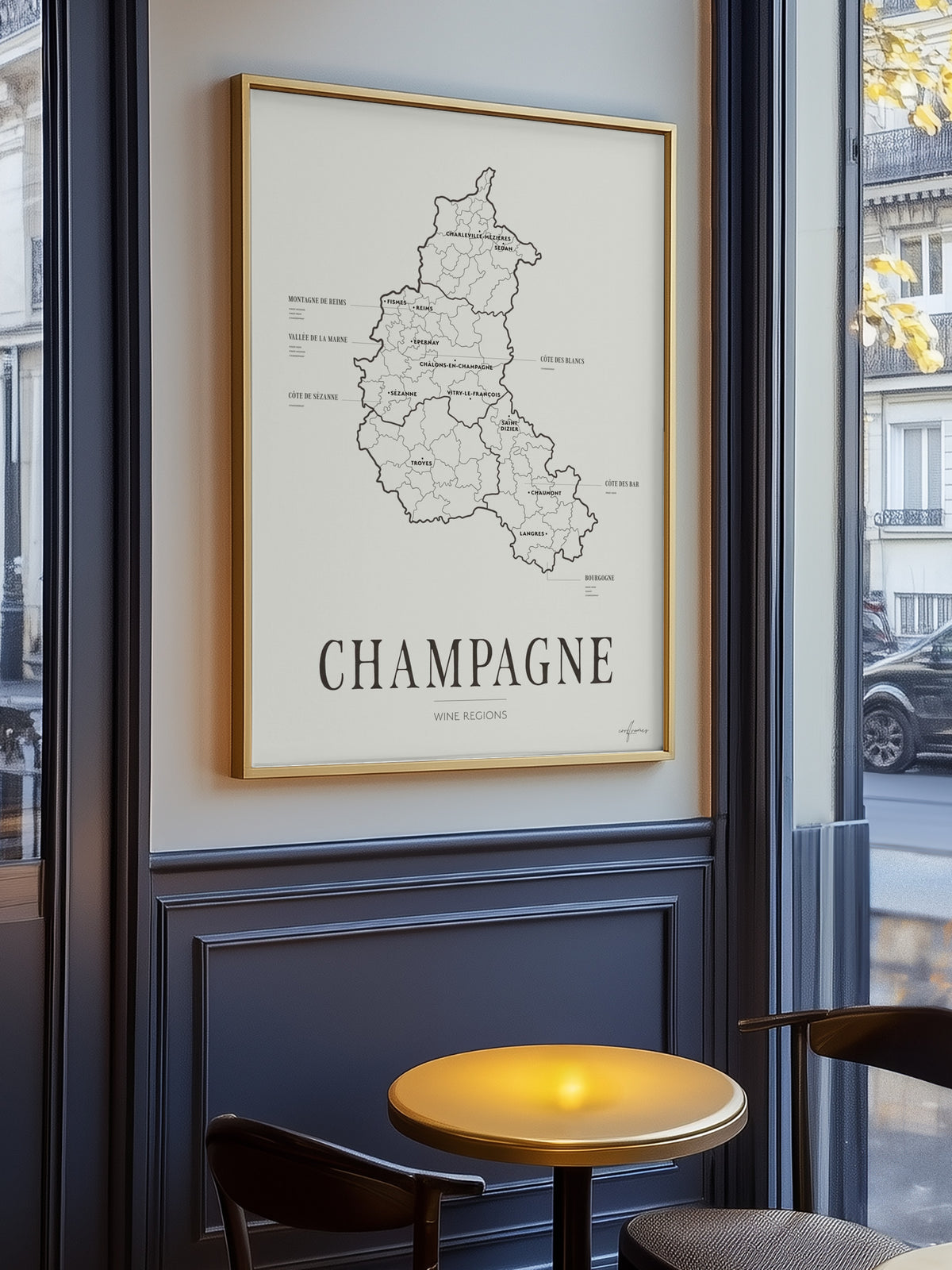
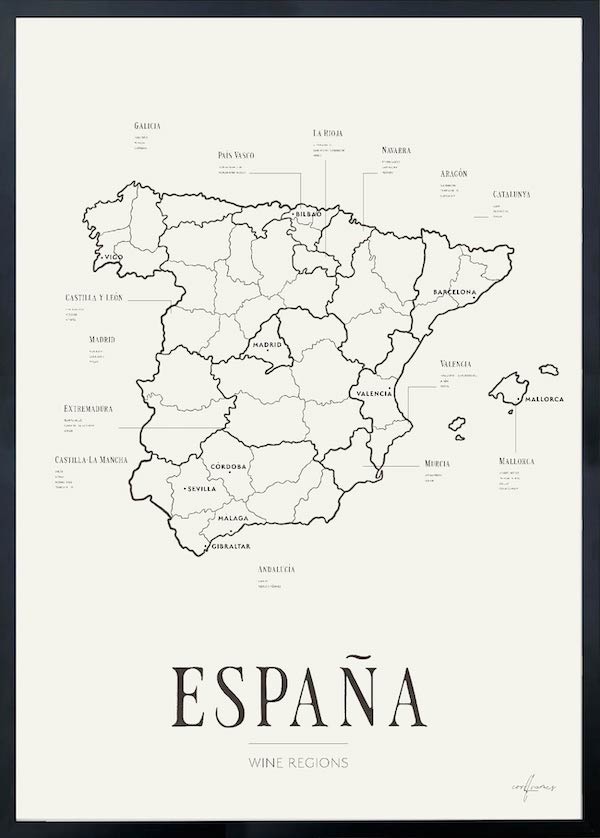
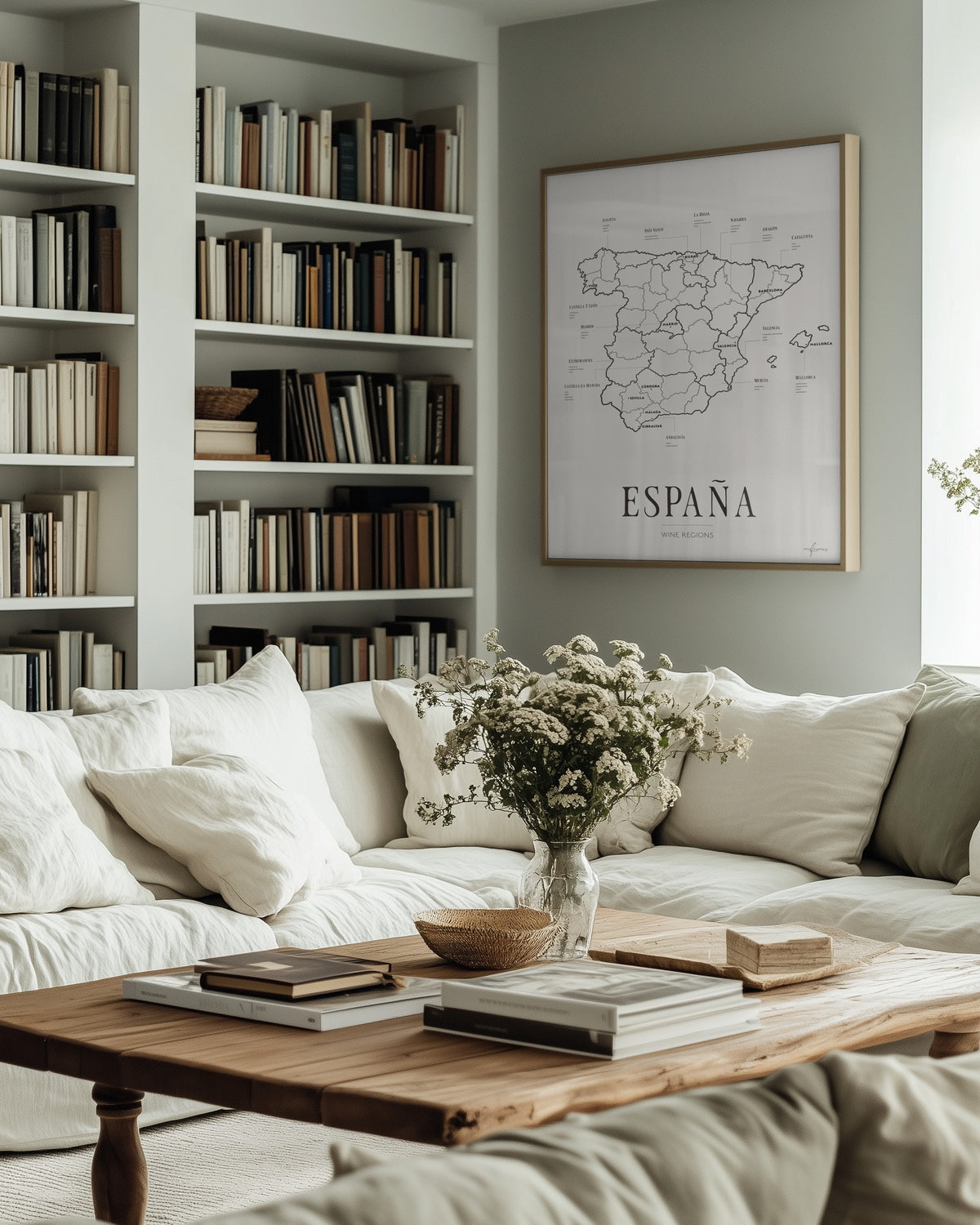
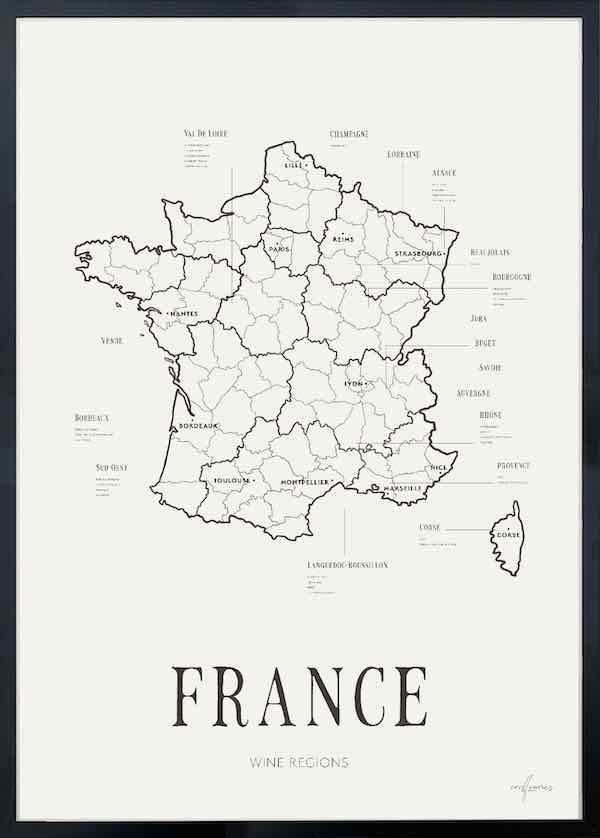
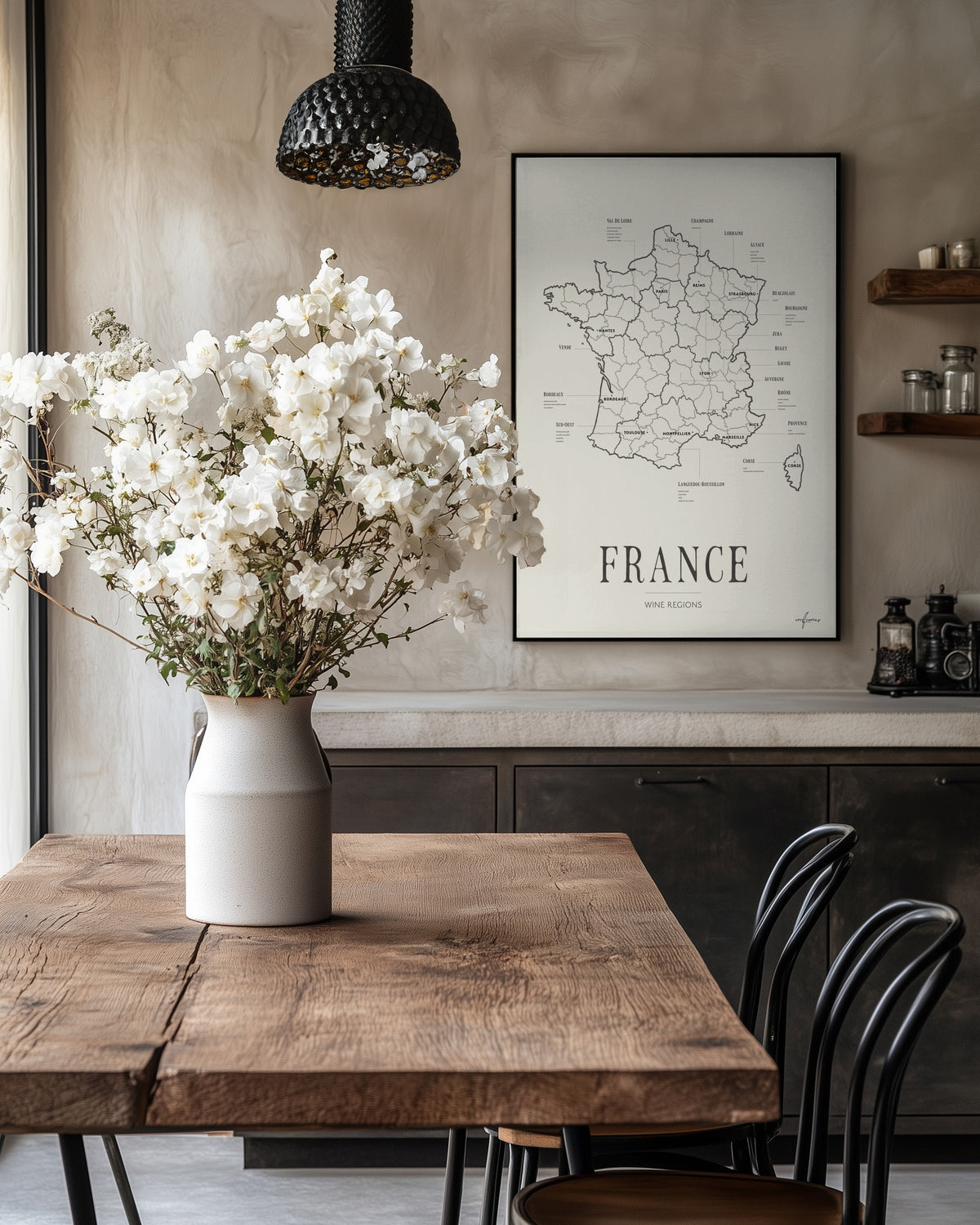
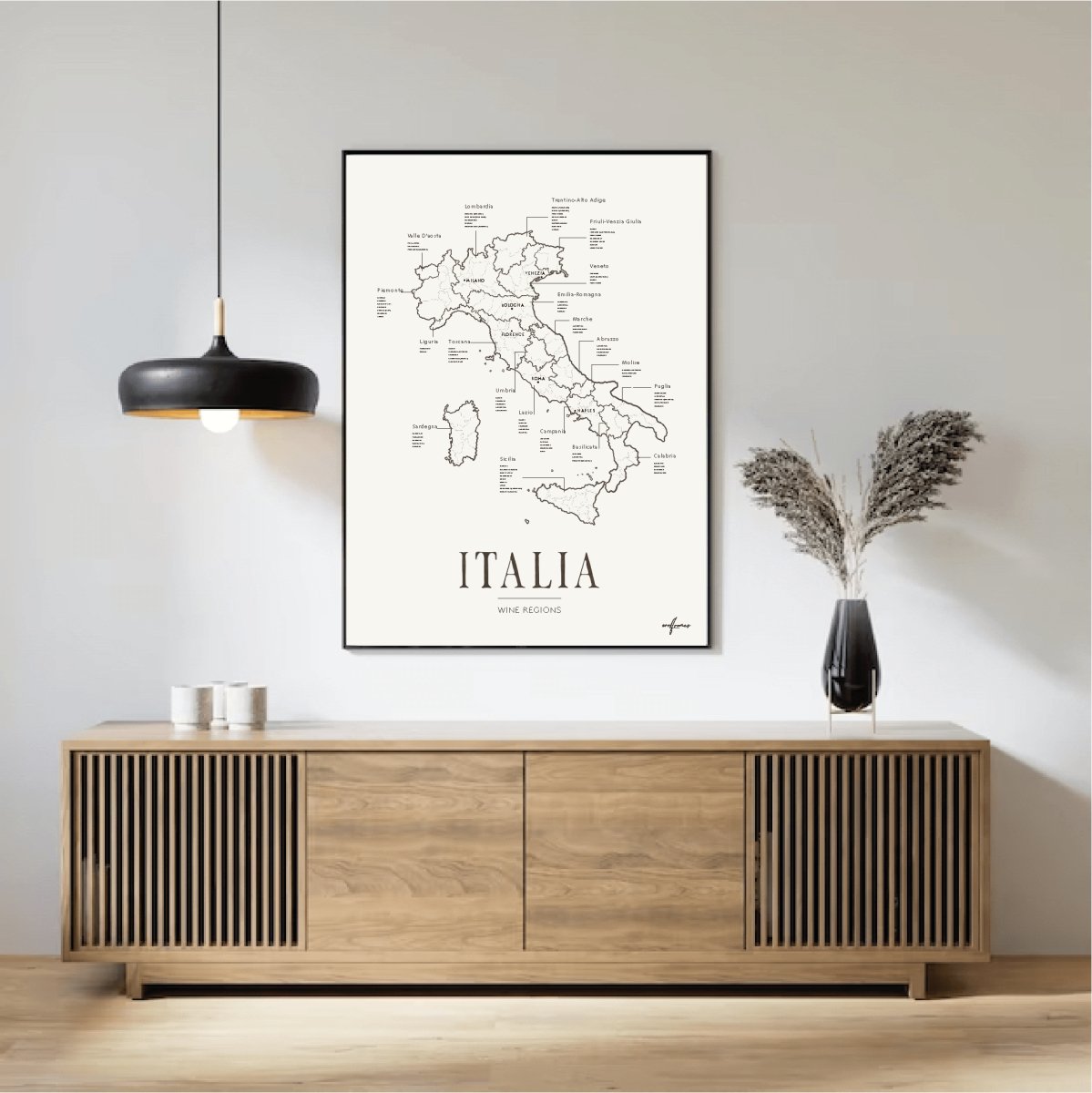
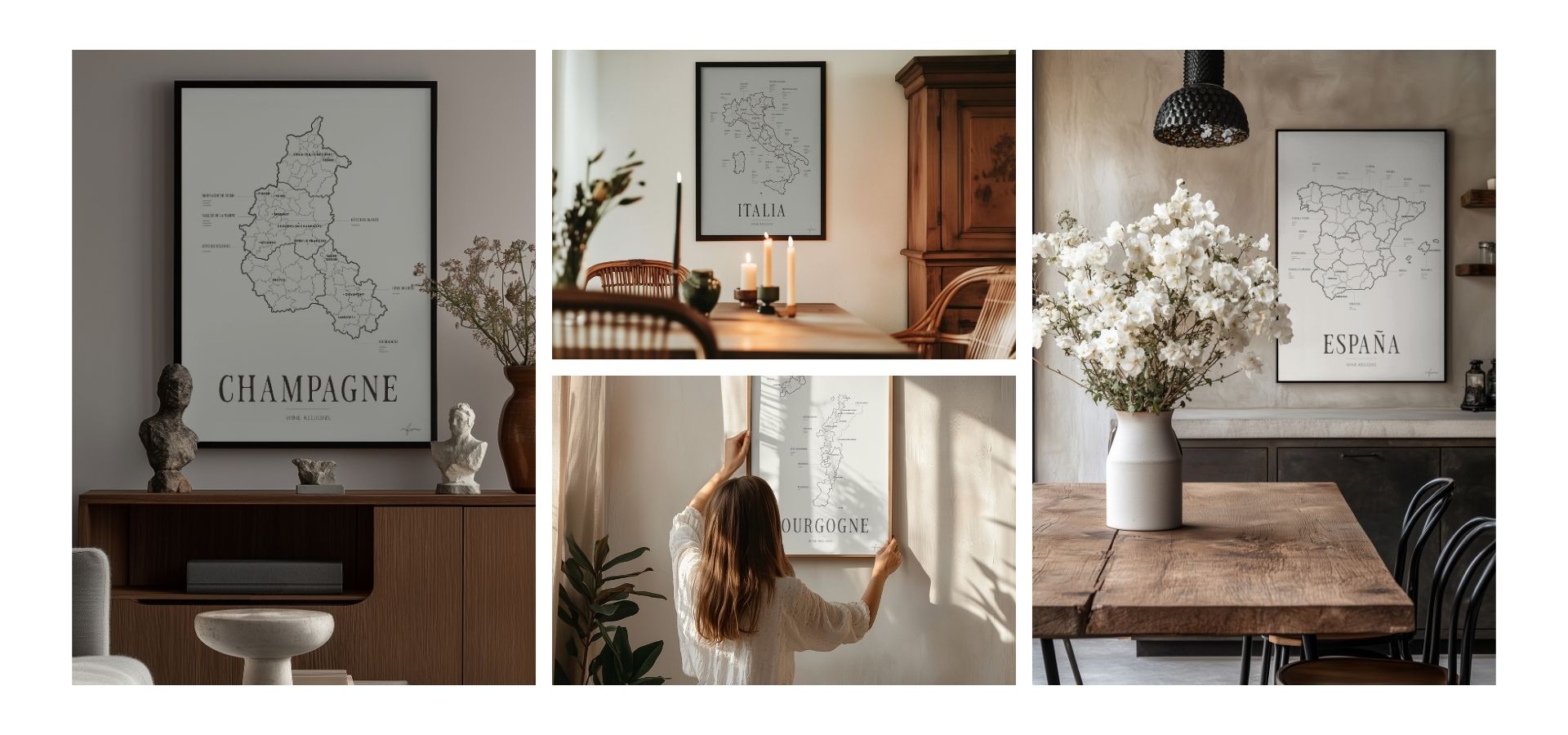
In a restaurant or wine bar, a Corkframes wine map can visualise the regions represented on the wine list. A map of Barolo, Bordeaux, Champagne or Burgundy becomes both wall art and a useful reference for guests interested in the origins of the wines.
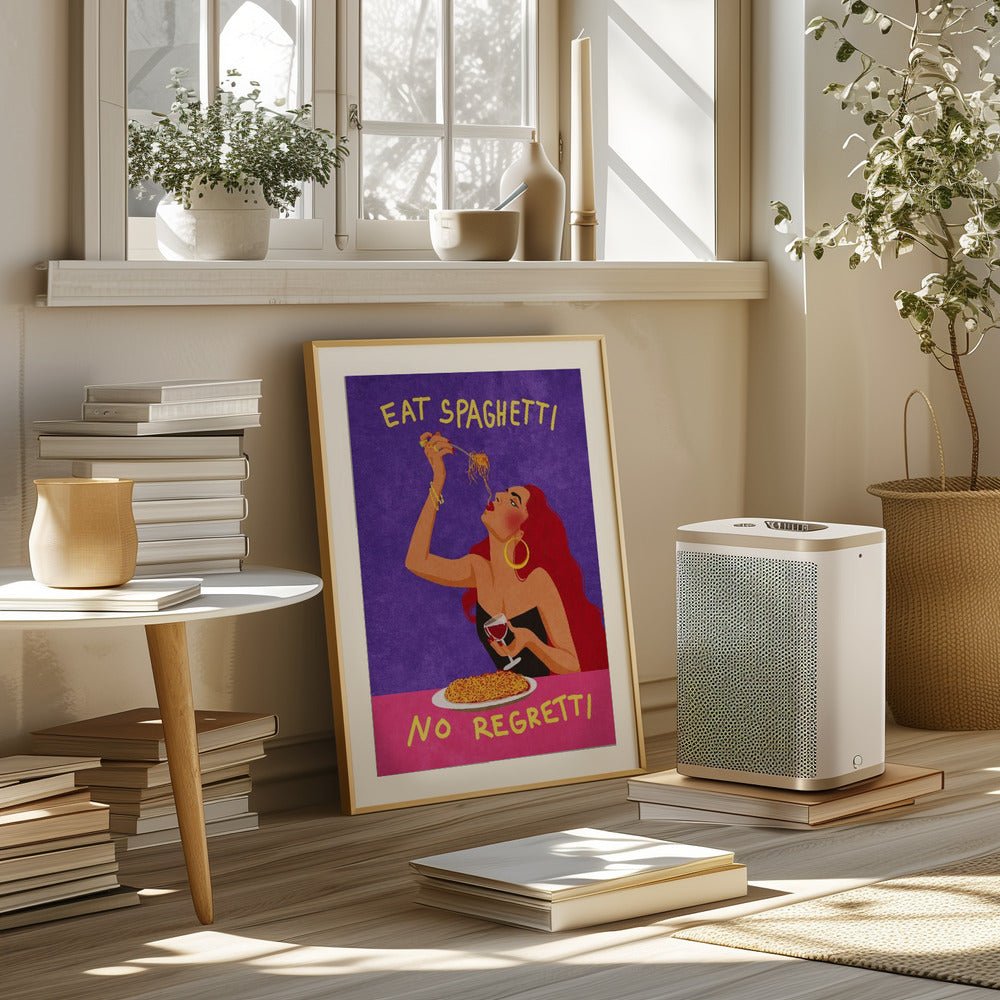
Artwork featuring ingredients, cocktails, culinary destinations or food traditions can support the concept in a similar way. Corkframes’ collection of posters for food and wine lovers can be used as individual focal points or combined into a smaller gallery wall.
6. Flexible Spaces for Lunch, Dinner and Events
Many restaurants now use the same space in several ways. A café may become a wine bar in the evening, while a dining room may also host tastings, private dinners and corporate events.
Flexibility can be introduced through:
movable tables
modular seating
curtains and discreet partitions
dimmable lighting
smaller zones with distinct atmospheres
sound-absorbing textiles
Furniture and partitions should form part of the original concept so the room continues to feel coherent as its function changes.
International restaurant forecasts also point to more hybrid venues that combine cafés, bakeries, wine bars and restaurants under one roof. The James Beard Foundation’s restaurant trends for 2026 highlight multi-concept spaces that can serve different purposes throughout the day.
7. Craftsmanship Moves into View
Open kitchens, visible wine storage, bread displays and workspaces where guests can follow parts of the preparation process continue to influence restaurant design. Craftsmanship becomes a visible element of the dining experience.
Smaller venues can apply the same principle through carefully displayed cookbooks, handmade ceramics, wine bottles or traditional tools. Each object should support the restaurant’s story and daily work.
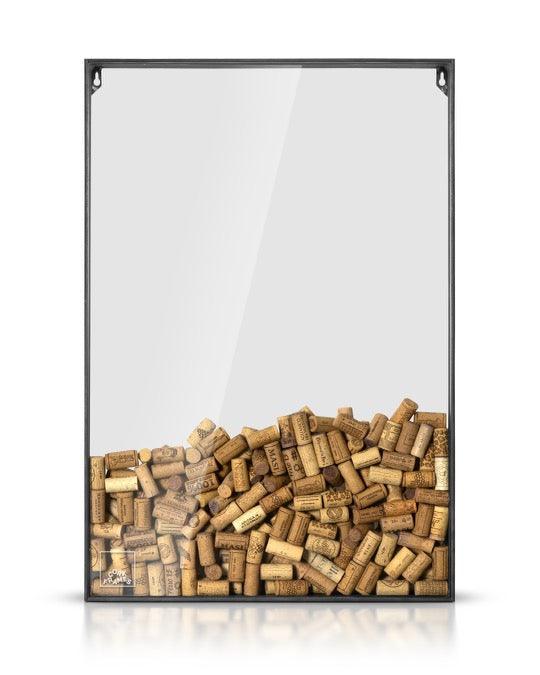
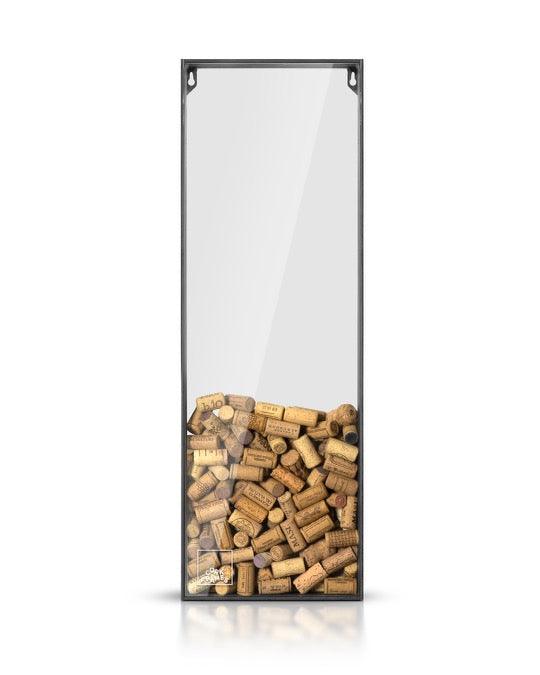
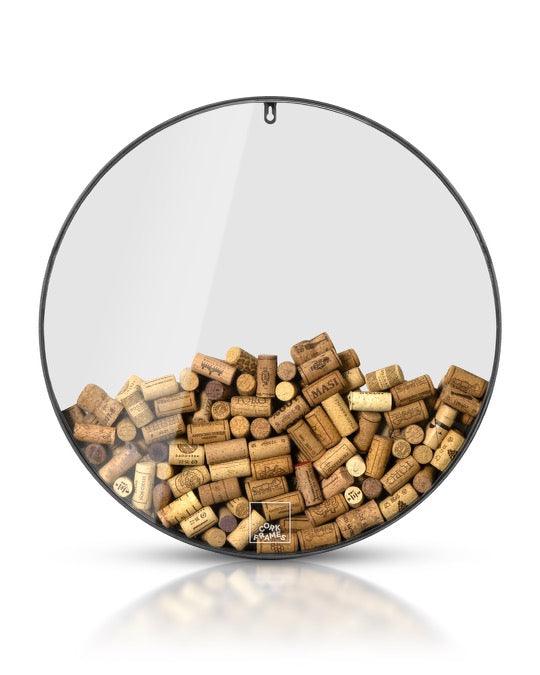
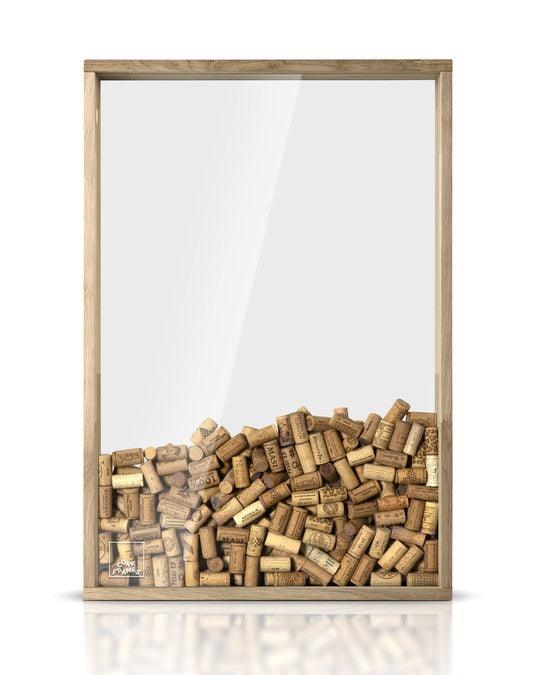
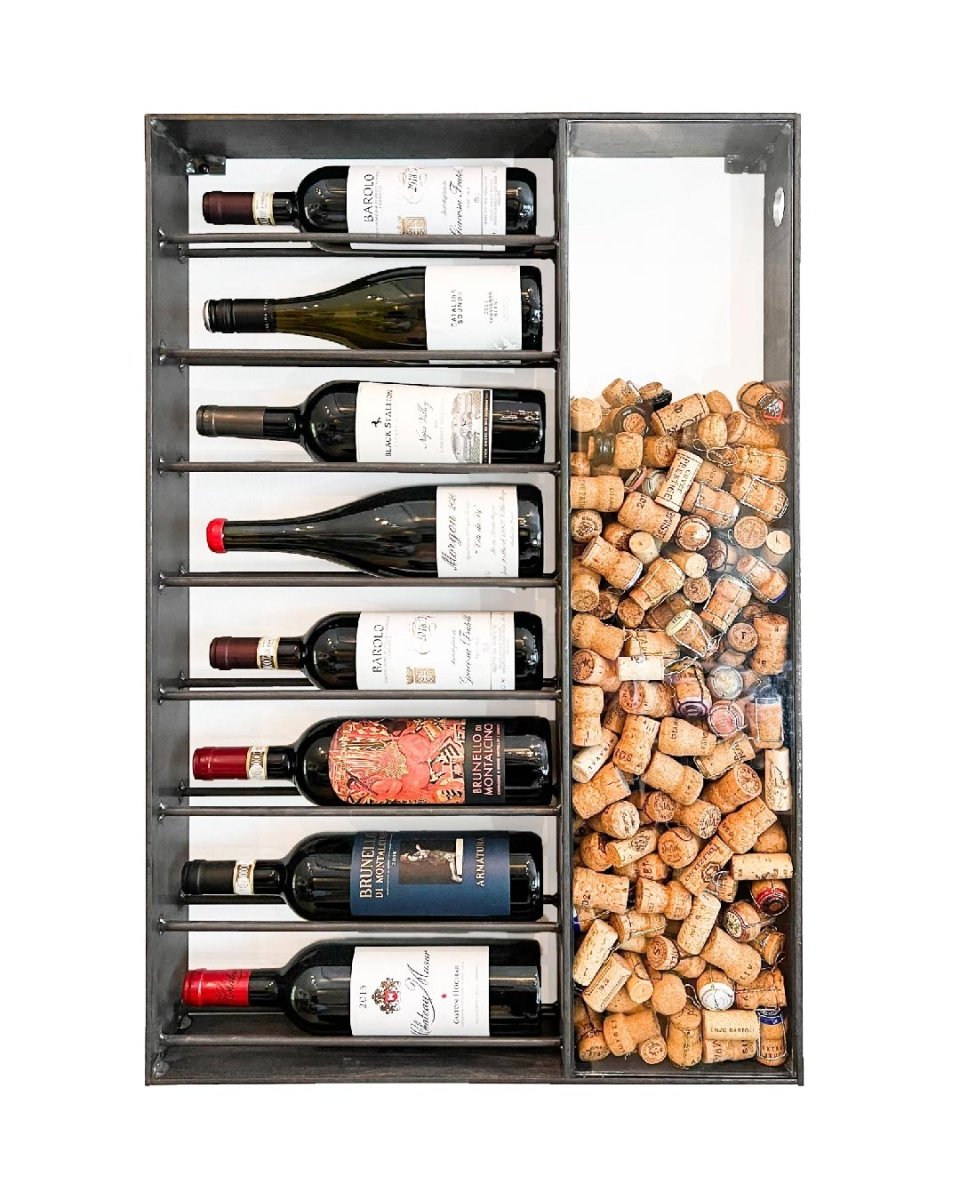
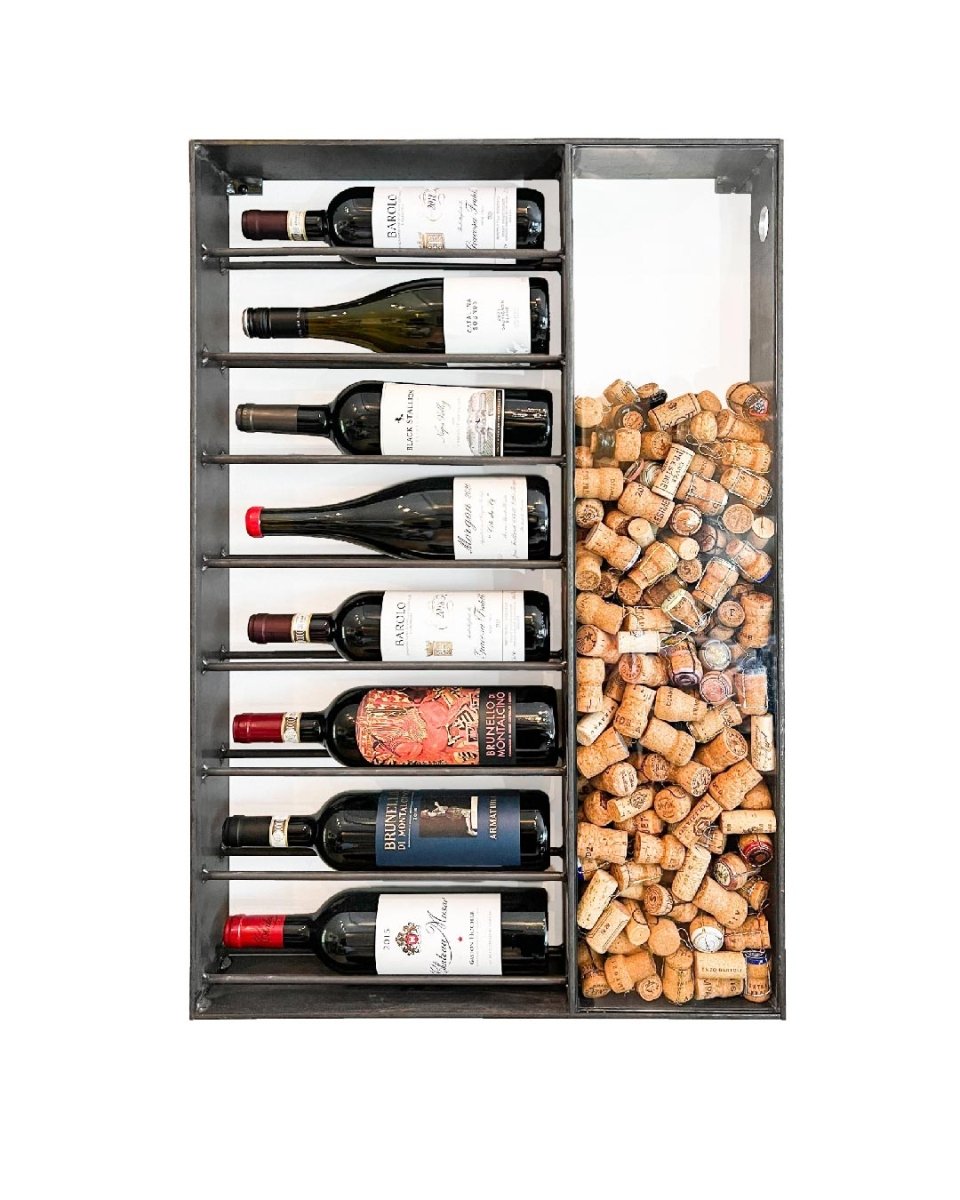
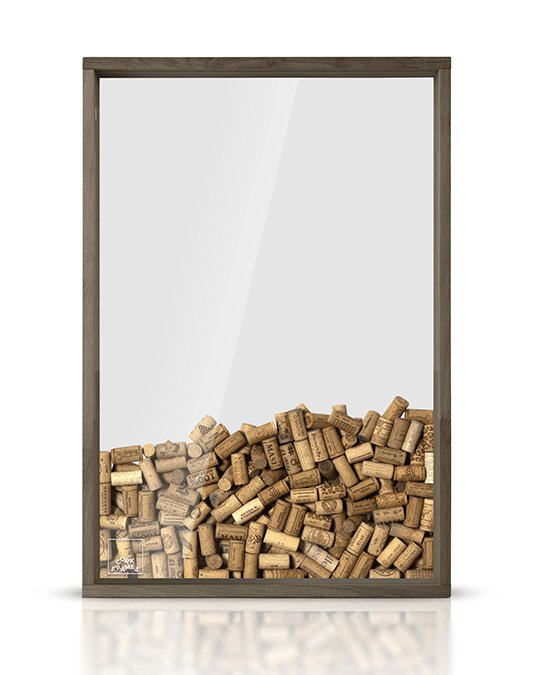
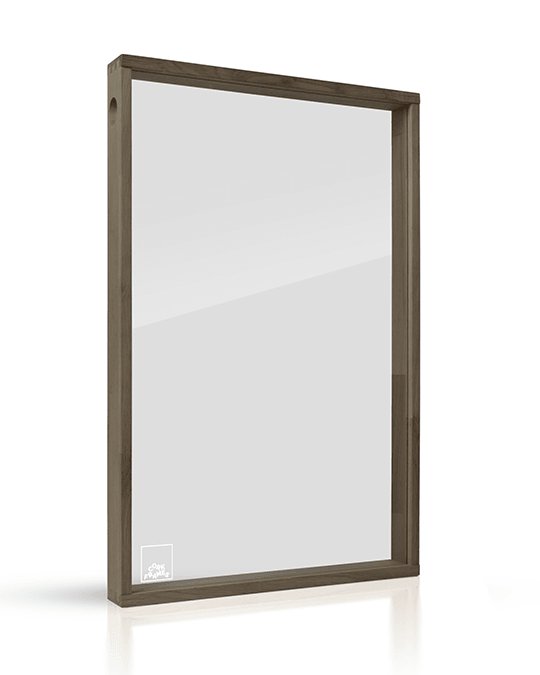
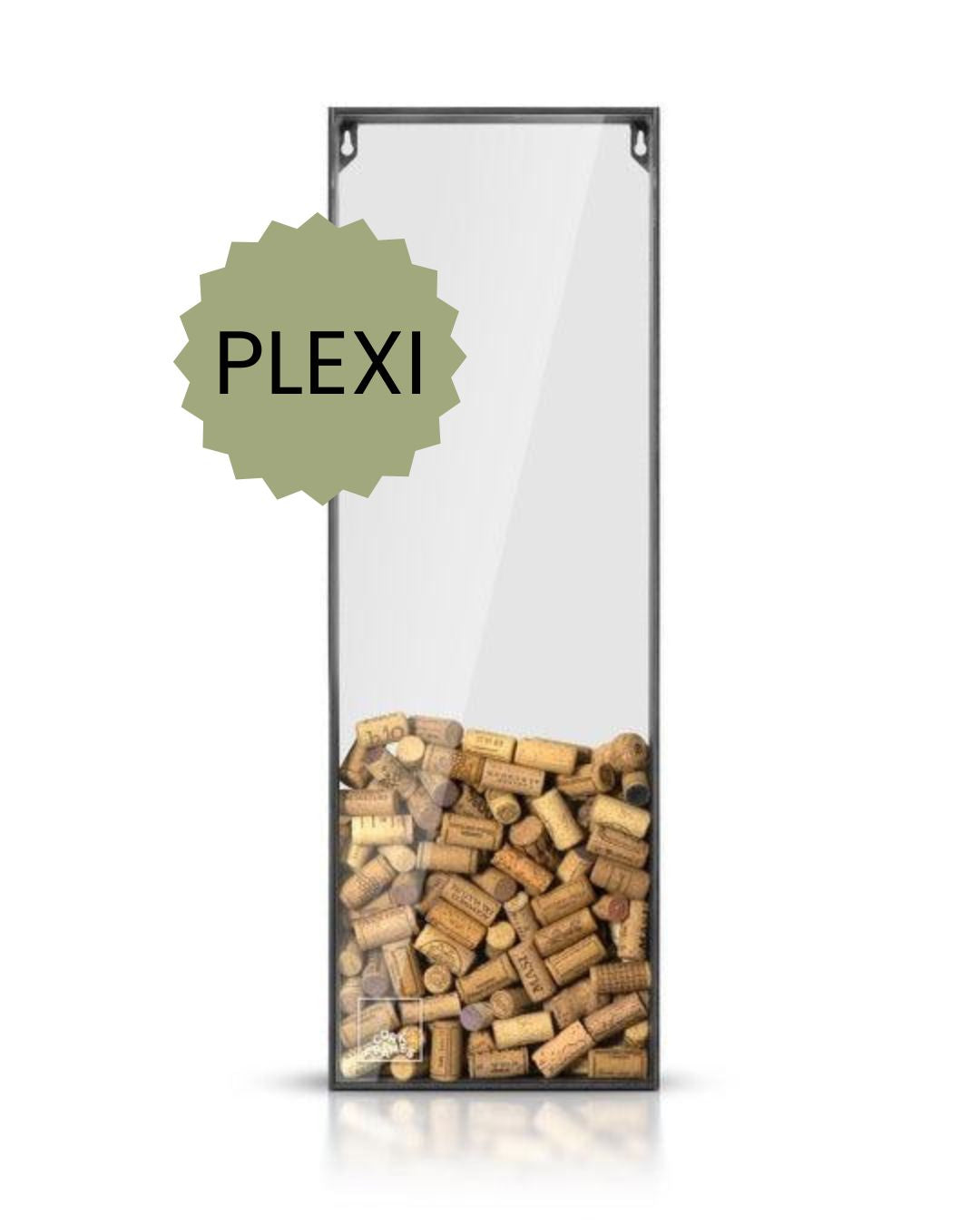
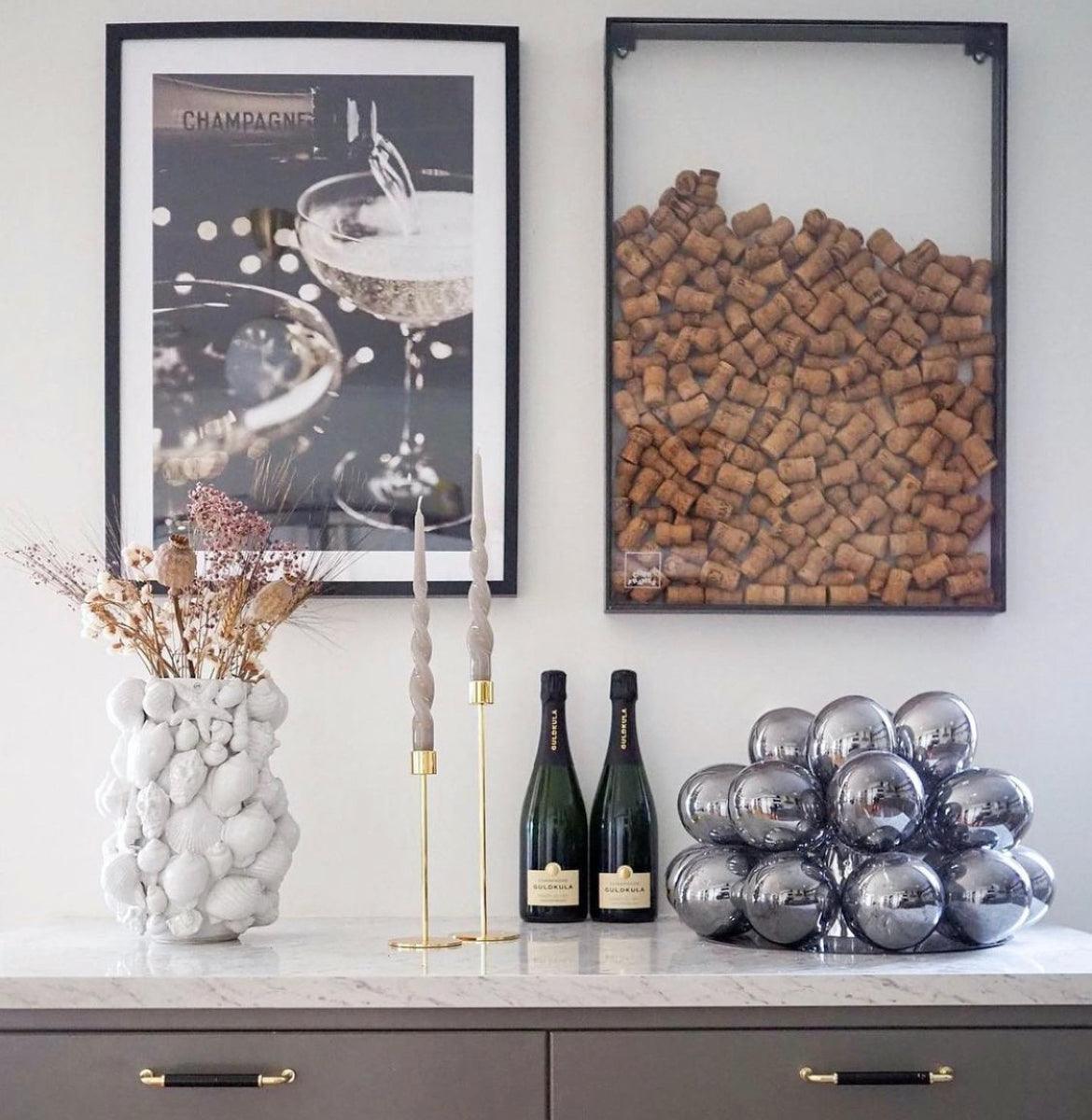
A Corkframe for wine corks can gradually be filled with corks from the restaurant’s wine service and tasting events. Over time, it becomes a visual archive of the wine list, its producers and the occasions shared in the restaurant.
How to Update a Restaurant for Autumn
Creating a noticeable seasonal change rarely requires a complete renovation. Begin with the elements that have the greatest influence on atmosphere:
Adjust the brightness and placement of lighting.
Introduce a deeper accent colour.
Replace generic wall décor with artwork connected to the concept.
Use curtains, rugs or upholstered furniture to add warmth and improve acoustics.
Highlight an object, place or story unique to the restaurant.
Lighting, major furniture and surface materials should be chosen with a long-term perspective. Textiles, smaller artworks and seasonal details can change as the year progresses.
Frequently Asked Questions About Autumn Restaurant Interiors
What Colours Are Trending in Restaurants for Autumn 2026?
Warm neutrals such as sand, taupe and cream are being combined with olive green, terracotta, espresso brown and deep burgundy. These colours work particularly well with dark wood, metal and natural stone.
How Can You Update a Restaurant Interior on a Limited Budget?
Begin with lighting, wall art, textiles and a more focused colour palette. These elements can significantly change the atmosphere without requiring structural work or replacing all the furniture.
What Type of Wall Art Works in a Wine Bar?
Wine maps, photographs of wine regions, botanical illustrations of grapes and artwork connected to the wine list can create both atmosphere and context. Choose pieces that reinforce the identity of the venue rather than functioning as unrelated decoration.
Creating a Restaurant Interior That Lasts
The strongest restaurant interior design trends for autumn 2026 focus on local identity, flexible spaces, considered lighting and materials that develop character over time.
A clear overall concept has greater impact than a collection of individual trend pieces. When colours, materials, lighting and artwork tell the same story, the restaurant becomes easier to recognise—and easier to remember.