
1) Start with this question: what will you use it for?
Salads, bread, and finishing: choose an olive oil with a clear flavor you want to stand out.
Cooking and frying: choose an oil that tastes clean and feels reliable for everyday heat.
All-purpose at home: choose a medium-intensity oil that works both raw and in the pan.
2) Extra virgin, virgin, “olive oil” — what do these mean?
Extra virgin: the highest grade. It should taste fresh and show no obvious defects.
Virgin: can still be good, but is often less clean and less aromatic than extra virgin.
Olive oil (without “extra virgin”): often refined or blended, usually milder and less expressive.
3) How to read the label fast in the store
Origin: look for a clear country, and ideally a region too.
Olive variety/varieties: single-variety oils can be distinctive; blends are often balanced.
Harvest date: a strong freshness signal if it’s listed.
Best-before date: useful, but less informative than harvest/production date and storage conditions.
Bottle: dark glass, opaque bottles, or tins protect better than clear glass.
4) Olive oil color: green vs golden
Greener oils are often linked to earlier harvest and a “green-fruity” style (herbs, grass, tomato leaf).
More golden oils are often linked to riper fruit and a rounder flavor profile.
Color is not a reliable quality marker. Variety, harvest timing, processing, and storage matter more.
5) Harvest timing and flavor: the biggest difference you’ll notice
Early harvest: often more peppery in the throat, with some bitterness and greener aromas.
Later harvest: often smoother, milder, and more “ripe-fruity.”
Bitterness and pepperiness can be positive traits in fresh extra virgin olive oil—choose what fits your taste and the dish.
6) Countries in a nutshell: typical styles you’ll often find
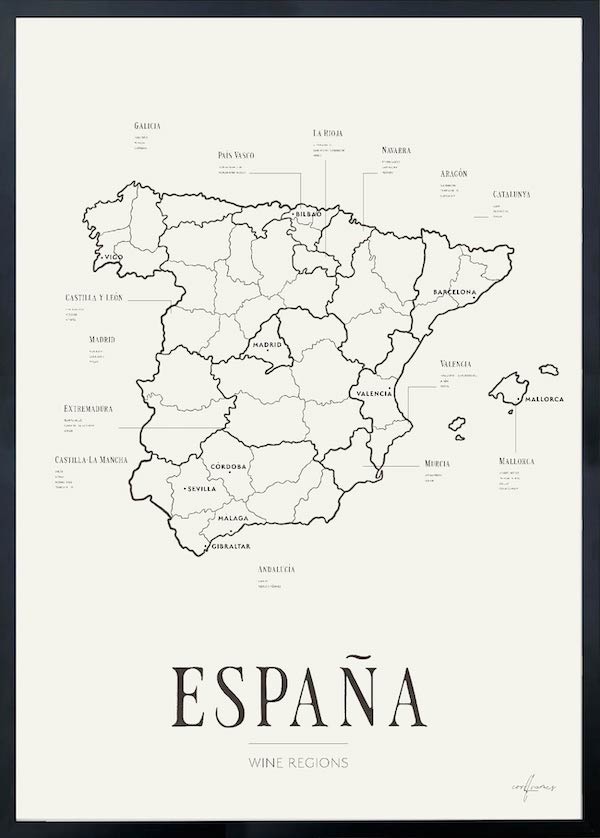
Spain: a wide range, from bold “green” oils to softer, fruitier styles.
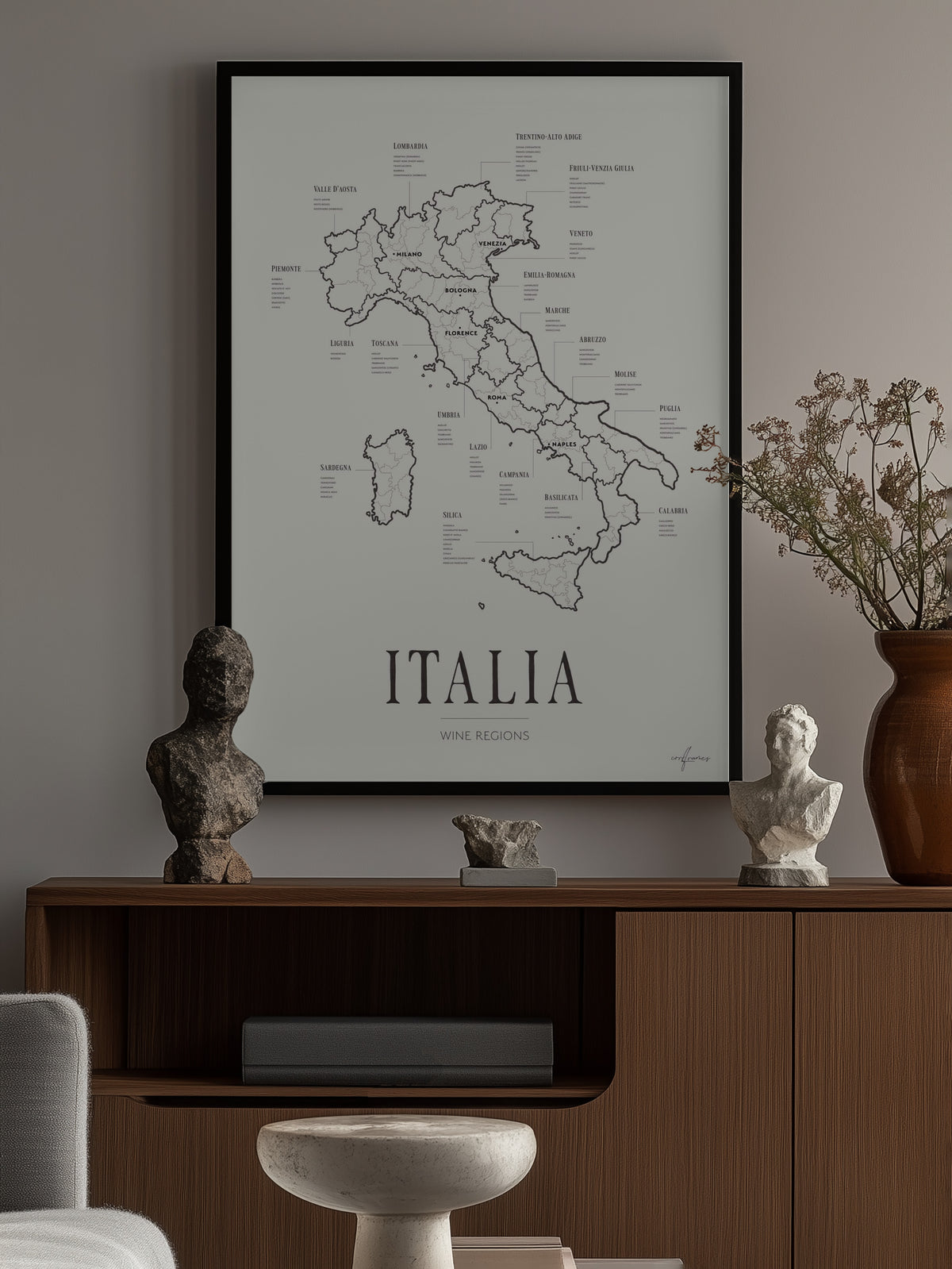
Italy: lots of regional character; many oils lean herbal and aromatic.
Greece: often fresh-fruity and well-balanced, many are expressive yet easy to use.
Portugal: varied styles, from gentle to peppery; many local varieties bring distinct character.
Tunisia: often good value on the shelf; styles range from mild to robust depending on variety and harvest.
Tip: country gives a hint, but producer style and harvest timing usually matter most.
7) Olive varieties: think of them like wine grapes
Variety names point to a typical style, but flavor shifts with place, harvest, and production choices.
A simple way to shop by style:
Bold and peppery: great for grilled food, beans, tomatoes, and dishes with big flavors.
Mild and fruity: great for fish, lighter salads, mayonnaise, baking, and everyday cooking.
Herbal and “green”: great for salads, soups, vegetables, and finishing warm dishes.
8) Shelf life: how long does olive oil really last?
Olive oil is a fresh product. Many oils taste best closer to harvest, especially during the first year after production.
A practical rule: buy smaller bottles more often if you want brighter aroma and fresher peppery notes.
Signs the oil has faded: flat aroma, waxy mouthfeel, “old nuts,” cardboard notes, or rancid tones.
9) Storage at home: three rules that make a big difference
Keep it dark: light breaks down aroma and freshness faster.
Keep it cool: avoid windowsills and the area right next to the stove.
Keep it sealed: oxygen speeds up oxidation, so close the bottle tightly and don’t leave it open.
10) The 20-second store checklist
Choose extra virgin if you want flavor and quality.
Prefer dark/opaque bottles or tins.
Look for a harvest date or recently produced oil.
Match style to food: mild for all-purpose, peppery for bold dishes, green/herbal for salads and finishing.
Choose a smaller bottle if you don’t use olive oil quickly.