
Davos as a destination
Davos sits high in the Swiss Alps in the canton of Graubünden. In winter, it’s all about mountain life and snow sports. In summer, the focus shifts to hiking, cycling, and crisp Alpine air.
What to eat in Davos: Graubünden specialties to look for
Graubünden cuisine is shaped by altitude, tradition, and ingredients that work well in an Alpine climate. When you scan menus in Davos, keep an eye out for these local classics:
Bündner Gerstensuppe – a hearty barley soup that’s ideal after a day outdoors.
Capuns – Swiss chard parcels with a savory filling, often served in a creamy sauce.
Bündnerfleisch – air-dried beef from the region, typically served thinly sliced as a starter or on a charcuterie board.
Bündner Nusstorte – a walnut caramel tart, perfect with coffee.
What to drink in Davos: the local producer worth the detour
BierVision Monstein, often referred to as Monsteiner, is based in Davos Monstein and is one of the most interesting stops for anyone who likes local producers. The beers lean into a clear “place” identity, and tastings or visits are often available depending on the season.
Serving idea: pair Monsteiner with Bündnerfleisch and aged Alpine cheeses for a simple, high-impact snack board.
Wine near Davos: where to find vineyards and tastings
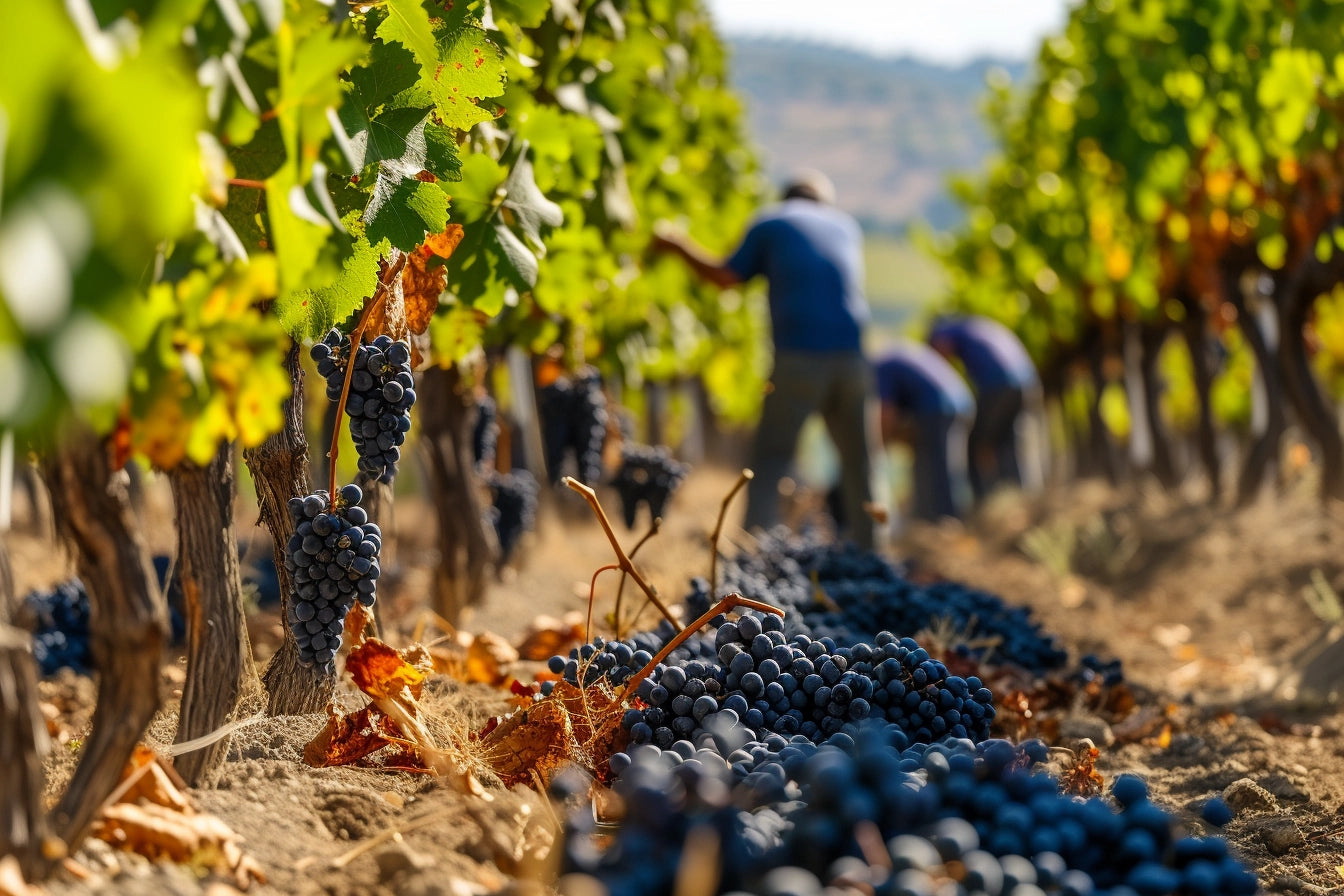
Davos is too high for vineyard life to be a main feature, so the best wine plan is a day trip. The top nearby wine destination is Bündner Herrschaft in Graubünden, with villages such as Fläsch, Maienfeld, Jenins, and Malans. The area is especially known for Pinot Noir (Blauburgunder), often in an elegant, food-friendly style.
Pairing ideas that usually work well:
Pinot Noir with charcuterie, mushroom-forward dishes, and hearty mains.
Fresh, crisp white wines with Alpine cheeses, lighter starters, and fish.
Extra stop for spirits lovers: distilleries in Graubünden
If you want to expand the tasting route, Graubünden also has distilleries. Some work with grape marc (from winemaking) and produce local eaux-de-vie and other spirits that fit nicely as an after-dinner digestif in the Alps.