
When people talk about wine-producing countries, Morocco is rarely mentioned. Yet, beyond the Atlas Mountains and between desert dunes and Atlantic breezes, grapes thrive in silence – carrying with them a winemaking tradition that dates back thousands of years.
Welcome to one of the wine world’s best-kept secrets.
A Winemaking History Rooted in Antiquity
Moroccan wine has ancient roots. The Phoenicians and later the Romans planted some of the first vines in North Africa, long before France or Italy became famous for wine. During the French protectorate (1912–1956), winemaking expanded significantly, with vineyards flourishing near Meknès and Rabat.
Despite Morocco being a Muslim-majority country, where alcohol is generally discouraged, the wine industry not only survived but has been steadily modernizing. Today, Morocco is one of the largest wine producers in the Arab world, with much of the wine being exported or enjoyed in hotels and restaurants across the country.
Climate and Terroir – A Natural Fit for the Vine
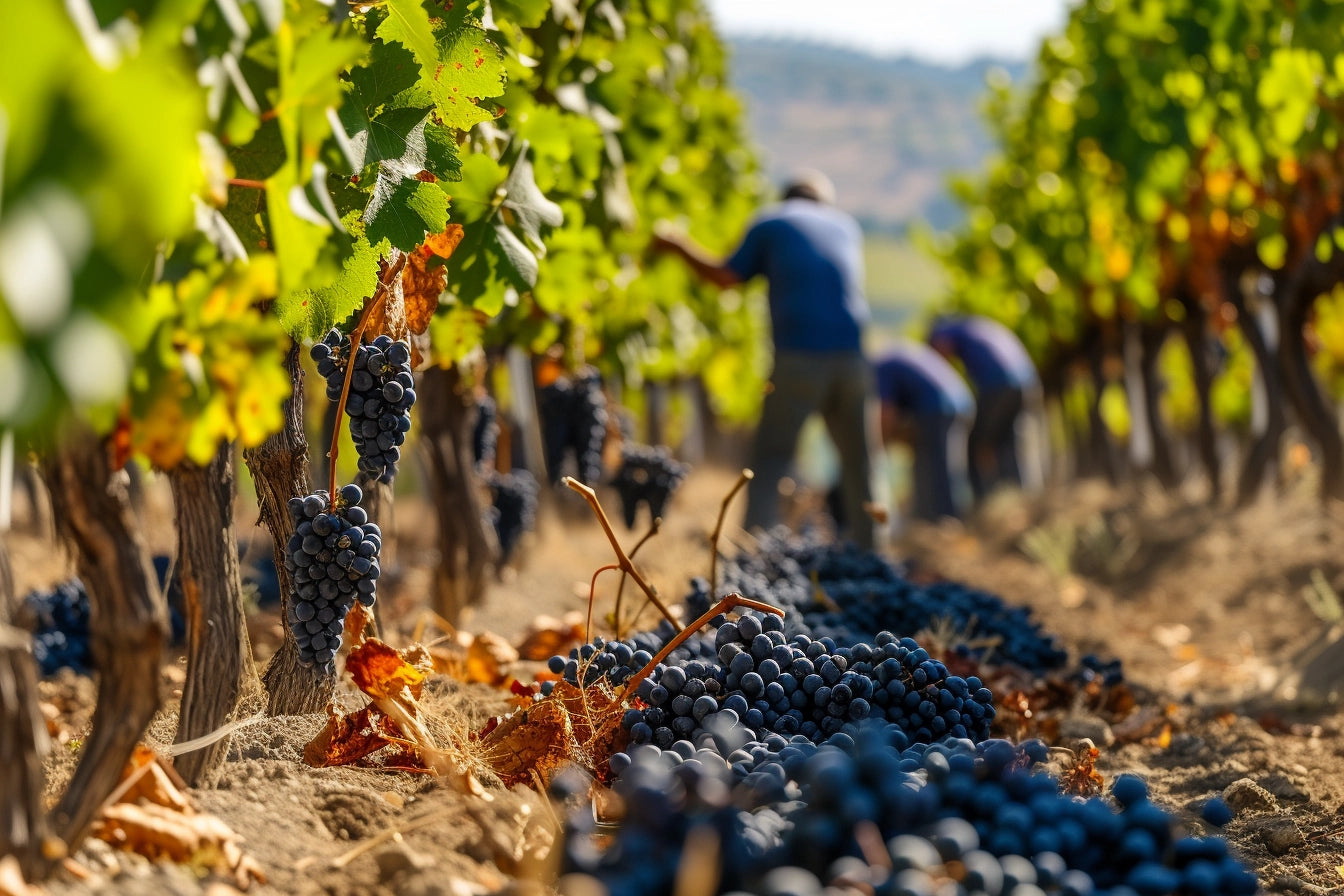
Morocco benefits from a Mediterranean climate with hot days, cool nights, ocean breezes, and well-draining soils – ideal for quality viticulture. The country has over 50,000 hectares of vineyards, mainly concentrated in regions like Guerrouane, Beni M’Tir, Zenata, and the fertile slopes surrounding Meknès – often referred to as “the Bordeaux of Morocco.”
Grapes and Wine Style
Morocco primarily grows international grape varieties such as Syrah, Cabernet Sauvignon, Carignan, Cinsault, Merlot, and Grenache, though some indigenous grapes are also being rediscovered. The red wines are often soft, fruit-forward, and warm – excellent matches for Morocco’s rich and spiced cuisine.
Rosé is also on the rise, offering fresh, dry, and aromatic options perfect for sun-drenched days, while whites tend to be citrusy, mineral-driven, and elegant.
Wineries to Watch – The New Moroccan Wave
A new generation of Moroccan winemakers is bringing innovation and international recognition. Here are a few standout producers worth keeping an eye on:
Domaine Zouina (near Meknès): A family-run estate that produces the award-winning Volubilia wines. They combine French expertise with local terroir and focus on sustainability and biodynamics.
Domaine des Ouled Thaleb (Zenata region): One of Morocco’s oldest wineries, founded in 1923, known for its elegant Syrahs and fresh rosés. Their Aït Souala blend is a favorite among sommeliers.
Château Roslane (Meknès): Morocco’s only officially designated “château” and home to some of the country’s finest premium wines. Their Les Coteaux de l’Atlas range is exported to Europe and beyond.
These wineries are leading the charge in redefining Moroccan wine, combining tradition with modern winemaking techniques.
Drinking Wine in Morocco
Alcohol isn't widely available in everyday shops, but you’ll find wine served in most international hotels, upscale restaurants, and licensed wine bars in cities like Marrakesh, Casablanca, and Rabat.
Surprisingly to many, the labels are beautifully designed – often reflecting Moroccan art and Arabic script – a fusion of local culture and French winemaking heritage.
Pairing Moroccan Wine with Food
Moroccan cuisine is bold, aromatic, and deeply spiced – and wine complements it beautifully. Try a Moroccan Syrah with lamb tagine and apricots, or a crisp white with seafood pastilla. The fusion of flavors – cumin, cinnamon, preserved lemon, and fresh herbs – meets its match in Moroccan wines.
The Future of Moroccan Wine
Though still under the radar, Morocco’s wine industry is gaining momentum. Improved quality, increased sustainability efforts, and international attention are putting Moroccan wines on the global wine map. It may not be the first country you think of when it comes to wine – but it just might be your next favorite.
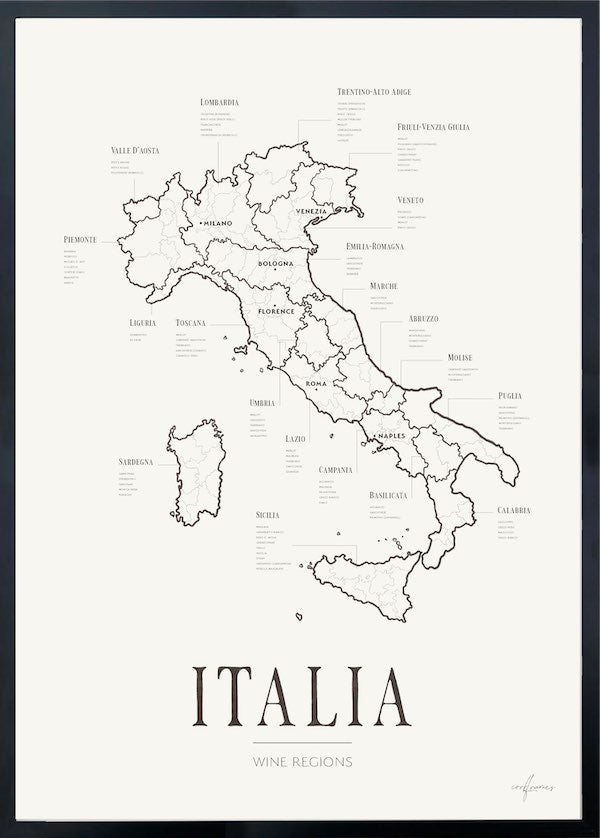
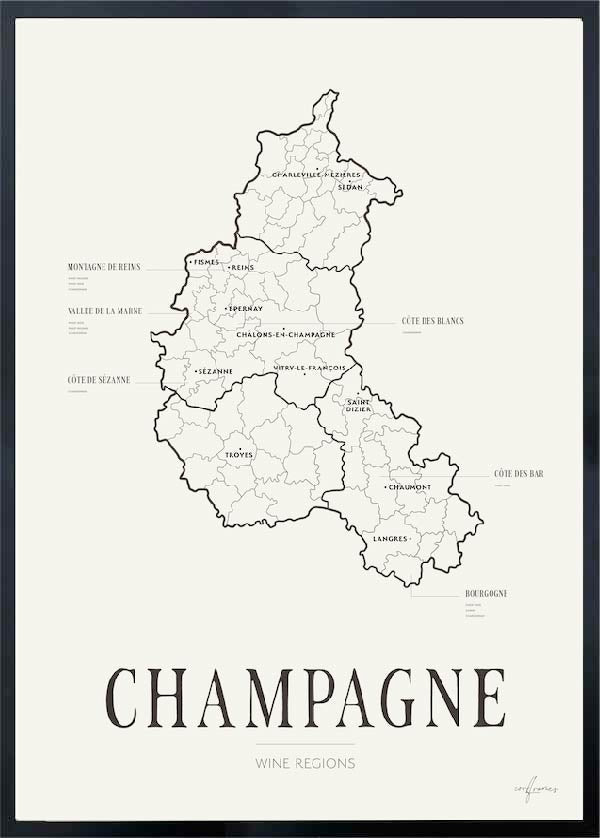
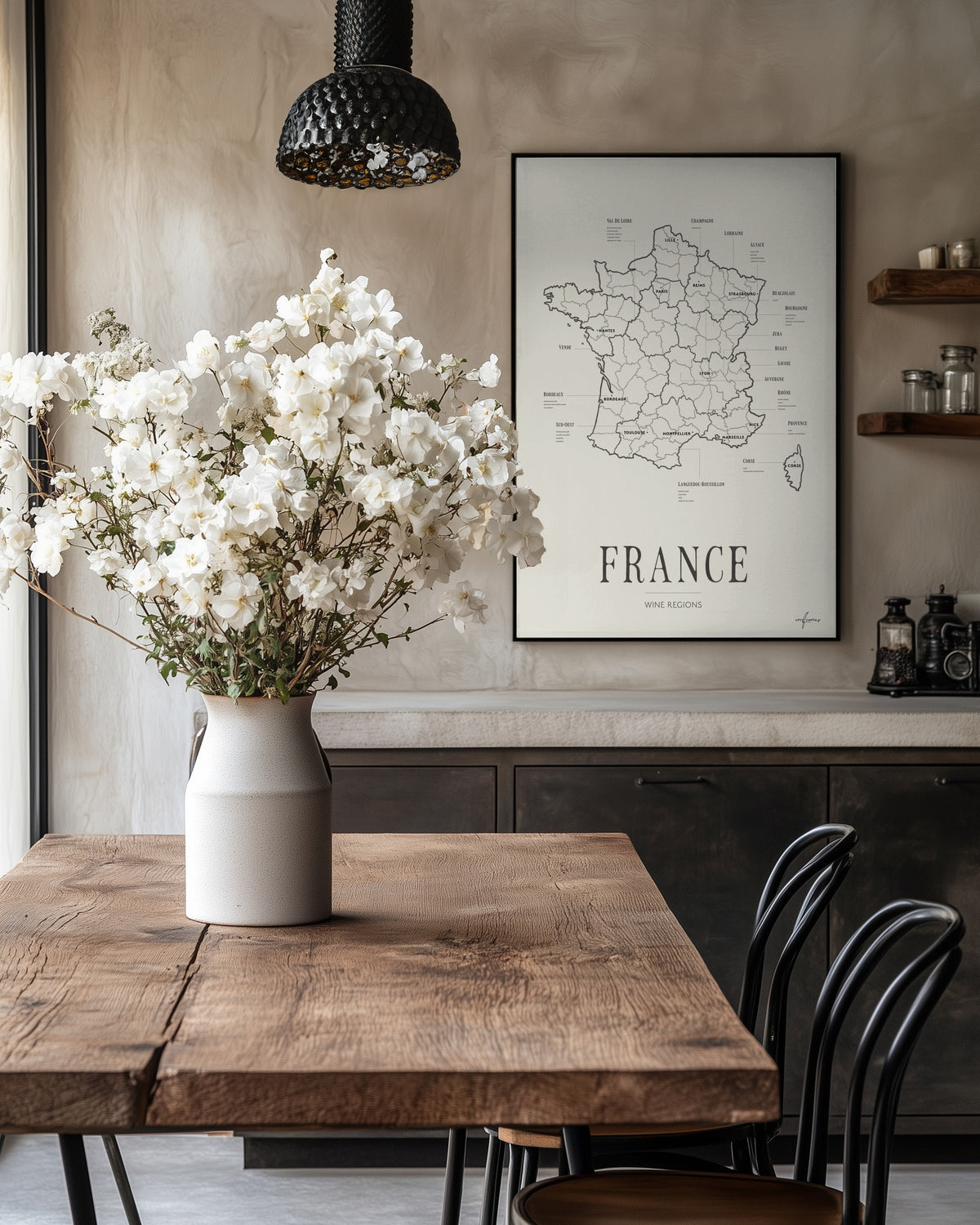
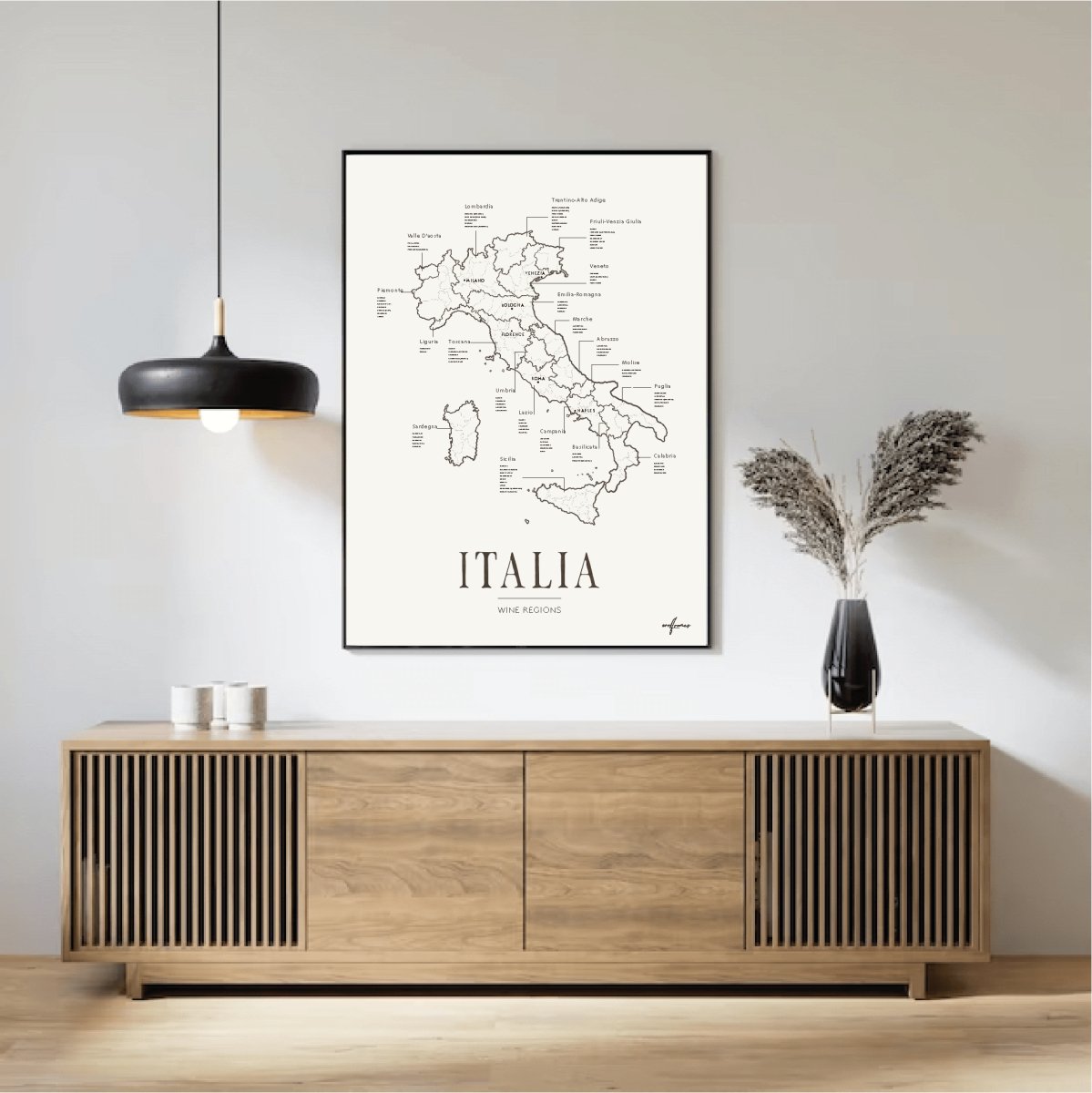
Explore the map: Corkframes Wine Maps — detailed maps of the regions behind the wines.