
How Long Does Unopened Wine Last?
Unopened wine can last from a few months to several decades. It depends on the wine style, packaging, quality and storage conditions.
The most important thing to understand is the difference between wine that is still drinkable and wine that is still at its best.
Most everyday wines are made to be enjoyed young. They may not become dangerous after a few years, but they can lose freshness, fruit and balance. Fine wines, on the other hand, can develop more complexity and elegance with age when stored correctly.
Quick Answer: Unopened Wine Shelf Life
As a general guide:
Light white wine: 1–3 years
Usually best when young, fresh and aromatic.
Full-bodied white wine: 2–5 years
Some styles can age longer, especially wines with acidity, concentration or oak ageing.
Rosé wine: 1–2 years
Almost always best young, fresh and fruity.
Light red wine: 2–4 years
Fruity red wines are usually not made for long storage.
Full-bodied red wine: 4–10 years
Wines with tannin, acidity and structure often last longer.
Fine red or white wine: 10–20+ years
Only certain wines are made for long-term ageing.
Simple sparkling wine: 1–3 years
Prosecco, basic cava and everyday sparkling wines are usually best young.
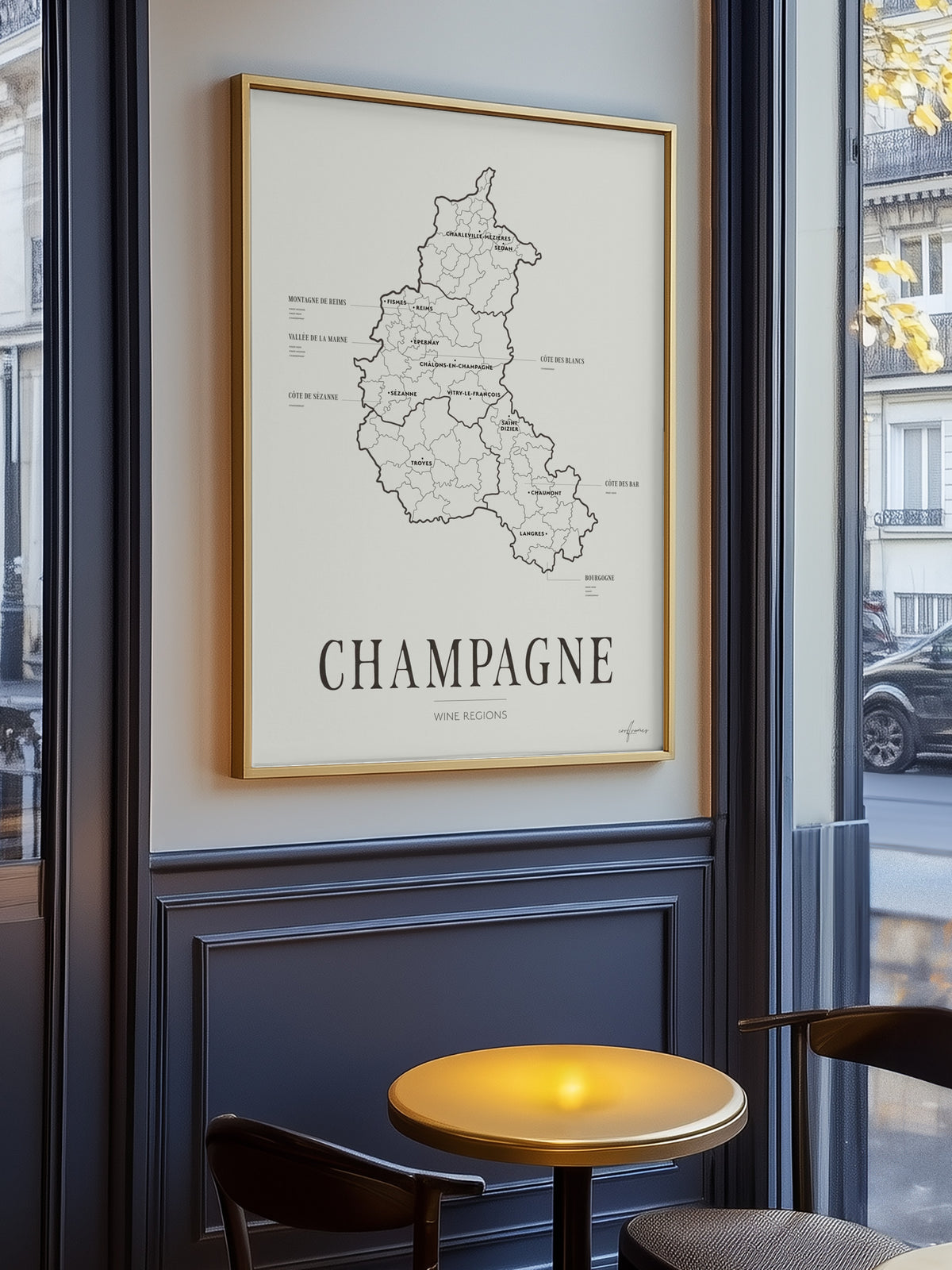
Champagne: a few years to several decades
Non-vintage champagne can often be kept for a few years. Vintage and prestige champagne can age much longer.
Sweet wine: several years to decades
Sugar and acidity help preserve the wine.
Fortified wine: several years to decades
Higher alcohol gives the wine a longer shelf life.
Bag-in-box wine: around 11–13 months from filling date
Practical, but not made for long-term storage.
Wine in plastic bottle/PET: usually within 6–12 months
Best consumed relatively quickly.
Does Unopened Wine Go Bad?
Yes, unopened wine can go bad. This usually happens when the wine is stored too warm, exposed to sunlight or kept for too long in packaging that is not designed for ageing.
Wine does not usually expire like fresh food. Instead, it slowly changes. A wine that has passed its best may still be possible to taste, but it can feel flat, dull, sour, bitter or oxidised.
Does Old Wine Get Better?
Sometimes, yes. This is why some old wines are rare, valuable and highly appreciated.
But old wine is not automatically better.
A simple rosé, a basic white wine or a bag-in-box wine will usually not improve with age. A serious Bordeaux, Barolo, vintage champagne or sweet wine can become more complex, elegant and layered over time.
Wines that age well often have one or more of these qualities:
high acidity
tannins
concentration
balance
sweetness
alcohol
strong fruit structure
careful winemaking
As wine ages, fresh fruit aromas can develop into notes of dried fruit, honey, nuts, leather, tobacco, spice, mushroom, brioche or earth.
How Long Does Unopened White Wine Last?
Most white wines are made to be fresh, crisp and aromatic. These wines are usually best within 1–3 years.
Light white wines such as Sauvignon Blanc, Pinot Grigio, Albariño and simple unoaked whites often lose their freshness if stored for too long.
Fuller or more structured white wines can last longer. Wines with high acidity, concentration or oak ageing often have better ageing potential.
A simple guide:
Light, fresh white wine: 1–3 years
Full-bodied white wine: 2–5 years
High-quality age-worthy white wine: 5–15+ years
Sweet white wine: several years to decades
Examples of white wines that can age well include Riesling, white Burgundy, Chenin Blanc, Sauternes and Tokaji.
How Long Does Unopened Rosé Wine Last?
Rosé wine is usually made to be enjoyed young. Its appeal is often in its fresh berry fruit, crisp acidity and lively colour.
Most rosé wines are best within 1–2 years of release.
Some more structured rosé wines can last longer, but as a general rule, rosé should not be saved for many years. If you want the fresh, fruity style most rosé wines are known for, drink it young.
How Long Does Unopened Red Wine Last?
Red wine varies a lot. A light, fruity red wine may be best within a few years, while a structured fine red wine can age beautifully for decades.
A simple guide:
Light, fruity red wine: 2–4 years
Medium-bodied red wine: 3–6 years
Full-bodied red wine: 4–10 years
Fine age-worthy red wine: 10–20+ years
Red wines with tannins, acidity and concentration usually age better. Examples include Bordeaux, Barolo, Brunello di Montalcino, Rioja Gran Reserva, high-quality Burgundy, Cabernet Sauvignon and Syrah.
How Long Does Unopened Sparkling Wine Last?
Sparkling wine can last longer than many people think, but the style matters.
Simple sparkling wines such as Prosecco, basic cava and everyday sparkling wines are usually best within 1–3 years. They are made to be fresh, bright and lively.
Traditional-method sparkling wines often have better ageing potential, especially champagne and high-quality sparkling wines made with longer lees ageing.
How Long Does Unopened Champagne Last?
Champagne is one of the sparkling wines that can age well. Its high acidity and production method give it better ageing potential than many simpler sparkling wines.
A simple guide:
Non-vintage champagne: a few years
Vintage champagne: 5–20+ years
Prestige champagne: 10–20+ years, sometimes longer
Non-vintage champagne is usually made to be enjoyed within a few years of release, although it can develop with short-term storage. Vintage champagne and prestige champagne can age much longer when stored in good cellar conditions.
With age, champagne can develop deeper notes of brioche, nuts, honey, dried fruit and toast.
How Long Does Unopened Bag-in-Box Wine Last?
Bag-in-box wine is practical, but it is not designed for long-term storage. The packaging allows more oxygen transfer over time than glass, which means the wine gradually loses freshness.
A simple guide:
Red bag-in-box wine: around 13 months from filling date
White bag-in-box wine: around 11 months from filling date
Rosé bag-in-box wine: around 11 months from filling date
Always check the filling date or best-before information on the packaging. Store the box cool and dark, and avoid warm kitchens, direct sunlight and large temperature changes.
How Long Does Unopened Wine in a Plastic Bottle Last?
Wine in a plastic bottle, often PET, should usually be consumed relatively quickly. PET is light and practical, but it is not ideal for long-term wine storage.
A good rule is to drink wine in plastic bottle within 6–12 months, especially if it is white, rosé or a simple fruity red.
For longer storage, glass bottle is the better choice.
Which Wines Are Usually Best Young?
Most everyday wines are made to be opened and enjoyed soon after purchase.
These wines are usually best young:
most rosé wines
simple white wines
simple sparkling wines
Prosecco
bag-in-box wines
wines in plastic bottles
light, fruity red wines
inexpensive everyday wines
These wines are usually about freshness, fruit and easy drinking rather than long ageing.
Which Wines Can Age Well?
Some wines are made to develop over time.
Examples of wines that can age well include:
Bordeaux
Barolo
Brunello di Montalcino
Rioja Reserva and Gran Reserva
high-quality Burgundy
structured Cabernet Sauvignon
Syrah from serious producers
Riesling
white Burgundy
Chenin Blanc
Sauternes
Tokaji
vintage champagne
prestige champagne
vintage port
Madeira
These wines often have the structure needed for ageing: acidity, tannins, concentration, sweetness or alcohol.
How to Store Unopened Wine
To make unopened wine last as long as possible, store it:
cool
dark
away from direct sunlight
away from heat
away from vibration
at a stable temperature
lying down if it has natural cork
standing up if it has screw cap, plastic cork, bag-in-box or PET packaging
A good storage temperature is often around 10–15°C. Stability is more important than perfection. Heat and large temperature changes are the biggest problems.
How to Tell If Unopened Wine Has Gone Bad
An unopened wine may be past its best if:
the cork has pushed up
the bottle has leaked
the colour has turned brownish
it smells like vinegar
it smells like wet cardboard
it smells cooked or stewed
it tastes flat, sour, bitter or oxidised
sparkling wine has lost its bubbles
Old wine is rarely dangerous to taste, but it can taste tired, dull or unbalanced.
_____________________________________________
Unopened wine can last from less than a year to several decades.
Glass bottles are best for longer storage. Bag-in-box and plastic bottles should be consumed relatively quickly. Most white wines, rosé wines and simple sparkling wines are best young. Structured red wines, high-quality white wines, sweet wines, fortified wines and champagne can often age much longer.
The easiest rule is: drink everyday wines young, but store serious age-worthy wines carefully.