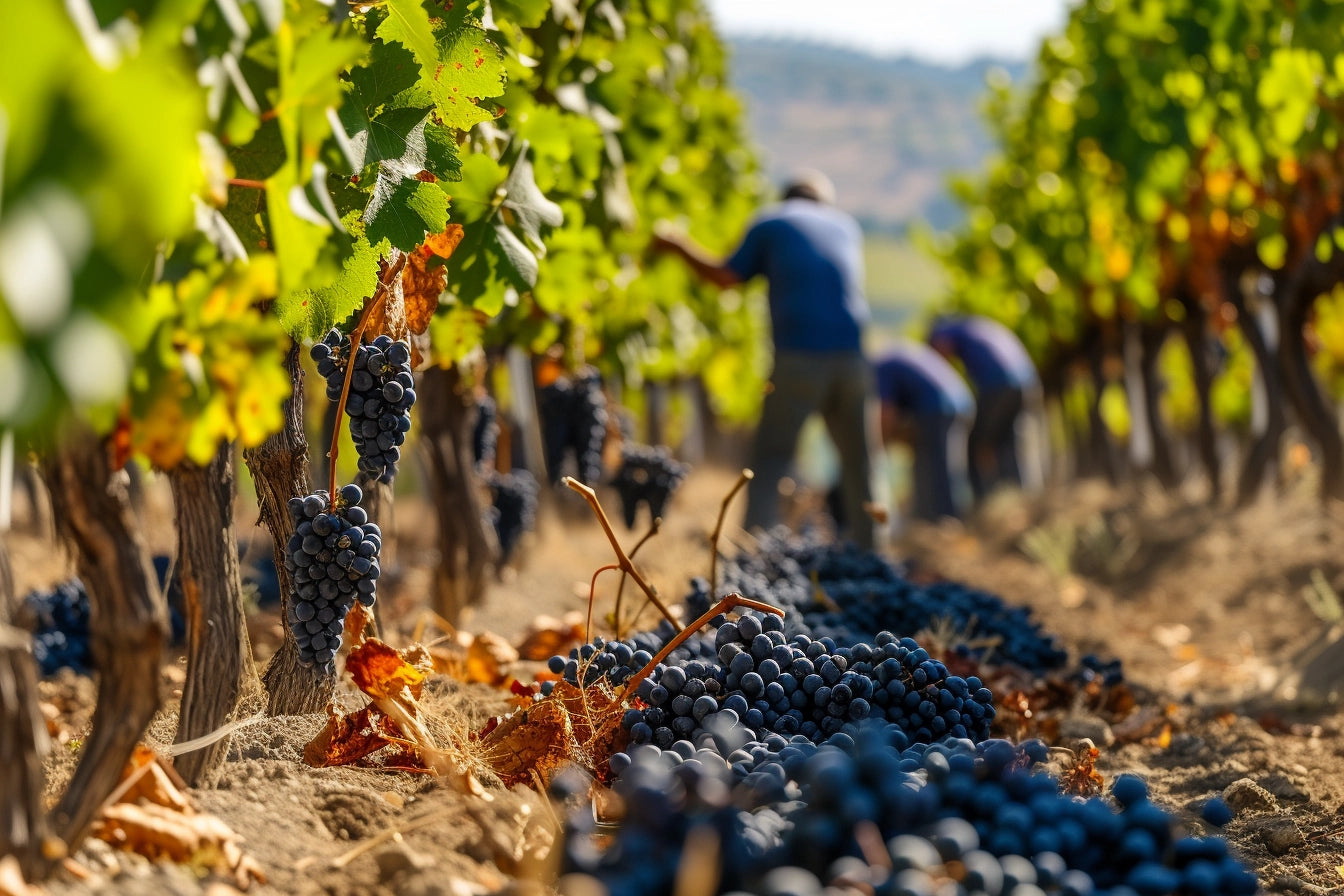


Grape pomace is one of the wine world’s most fascinating “second life” resources. It’s what remains after grapes are pressed—and today it’s increasingly being upcycled into new products, flavors, and drink concepts. From a sustainability perspective, pomace is a smart way to make more of what’s already been grown, harvested, and carefully produced.
What Is Grape Pomace?
Grape pomace (sometimes called grape pressings or marc) is the solid material left after pressing grapes for juice, must, or wine. It mainly consists of skins and seeds, and sometimes includes a little pulp and stems.
Because wine production generates pomace in large volumes, it has become a natural focus for upcycling—turning by-products into valuable new ingredients.
Why Is Everyone Talking About Pomace?
Traditionally, grape pomace has been used for distillation, composting, or animal feed. But interest has grown quickly because pomace contains compounds that influence both flavor and product potential, such as:
Polyphenols – naturally occurring compounds that contribute to color, structure, and that dry “wine-like” grip (especially in red varieties).
Dietary fiber – largely from skins and seeds, adding texture and functional value in certain applications.
This makes pomace more than a by-product—it’s a concentrated part of the grape with its own character.
Types of Grape Pomace (And Why It Matters)
Not all pomace is the same. A key difference is when it’s separated during production:
1) Virgin / Sweet Pomace
Removed right after pressing—before fermentation (common for white wine). This is often the easiest option for alcohol-free concepts, but it may still contain sugars that can ferment if not stabilized.
2) Semi-Virgin Pomace
Has been in contact with juice/must for a short time. It can be more aromatic, but there’s a higher risk of alcohol traces depending on handling.
3) Fermented Pomace
Removed after fermentation (common for red wine). Typically more tannic and “wine-like,” often more astringent, and may contain residual alcohol.
What Does Grape Pomace Taste Like?
Flavor depends on grape variety, terroir, and process, but a simple guide looks like this:
Light/virgin pomace: fruity, fresh, gently tart, sometimes floral
Red/fermented pomace: deeper berry notes, stronger tannins, more “wine-like”
Seed-heavy pomace: more bitterness and dryness (seeds bring intensity)
In short: pomace can carry a recognizable wine signature—without being wine.
Can You Make Alcohol-Free Drinks from Grape Pomace?
Yes. One of the most exciting uses today is in alcohol-free sparkling drinks and “tonic-style” beverages made from water-based infusions or extracts of pomace, then balanced with acidity, a touch of sweetness, and carbonation.
The goal is often to capture:
natural color and gentle structure
a “wine-like” mouthfeel without alcohol
aromatic compounds from skins and seeds
Important note: If the aim is truly 0.0% alcohol, production must be carefully controlled so the product doesn’t start fermenting—especially when using sweet/virgin pomace that may contain fermentable sugars.
Other Smart Uses for Grape Pressings
Beyond beverages, grape pomace is appearing in more and more products, such as:
Flour/powder for bread, pasta, crackers, and snacks
Extracts used for flavor, color, or formulation
Cosmetics (notably grape seed oil and polyphenol-rich components)
Material innovation in early-stage bio-based projects
Pomace is a clear example of how the wine industry is moving toward a more circular future, where the grape’s value doesn’t end after pressing.