
The traditional image of a wine collector involves a dark, dusty cellar hidden beneath a home, where bottles are aged for decades before ever seeing the light of day.
However, recent shifts in the industry suggest this model is changing. Industry experts are increasingly questioning if long-term cellaring is becoming a liability rather than an asset. As we look toward wine collecting trends 2027, the focus is pivoting from hoarding towards immediate enjoyment and social experience.
The Shift Toward Immediate Gratification
Recent analysis from the VinePair Podcast highlights a growing sentiment that traditional collecting might be losing its appeal. The "buy and hold" strategy is being challenged by a generation of enthusiasts who prefer wines designed for the now. This includes a surge in popularity for 'chillable' reds and fresh, high-acid whites that do not require years of oxidation to reach their peak. The move toward wines with immediate drinkability reflects a broader cultural desire for transparency and instant experience.
Redefining the Home Wine Bar
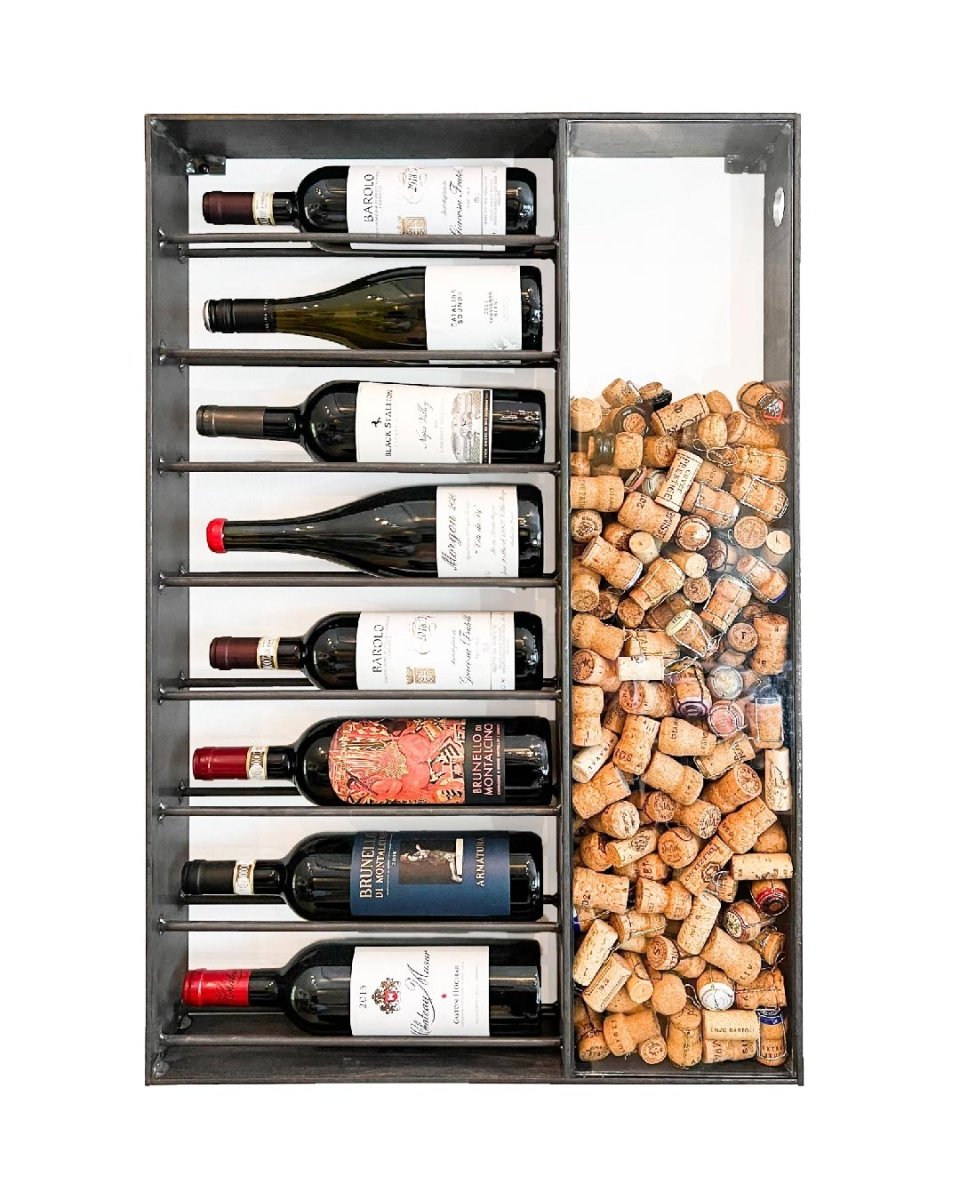
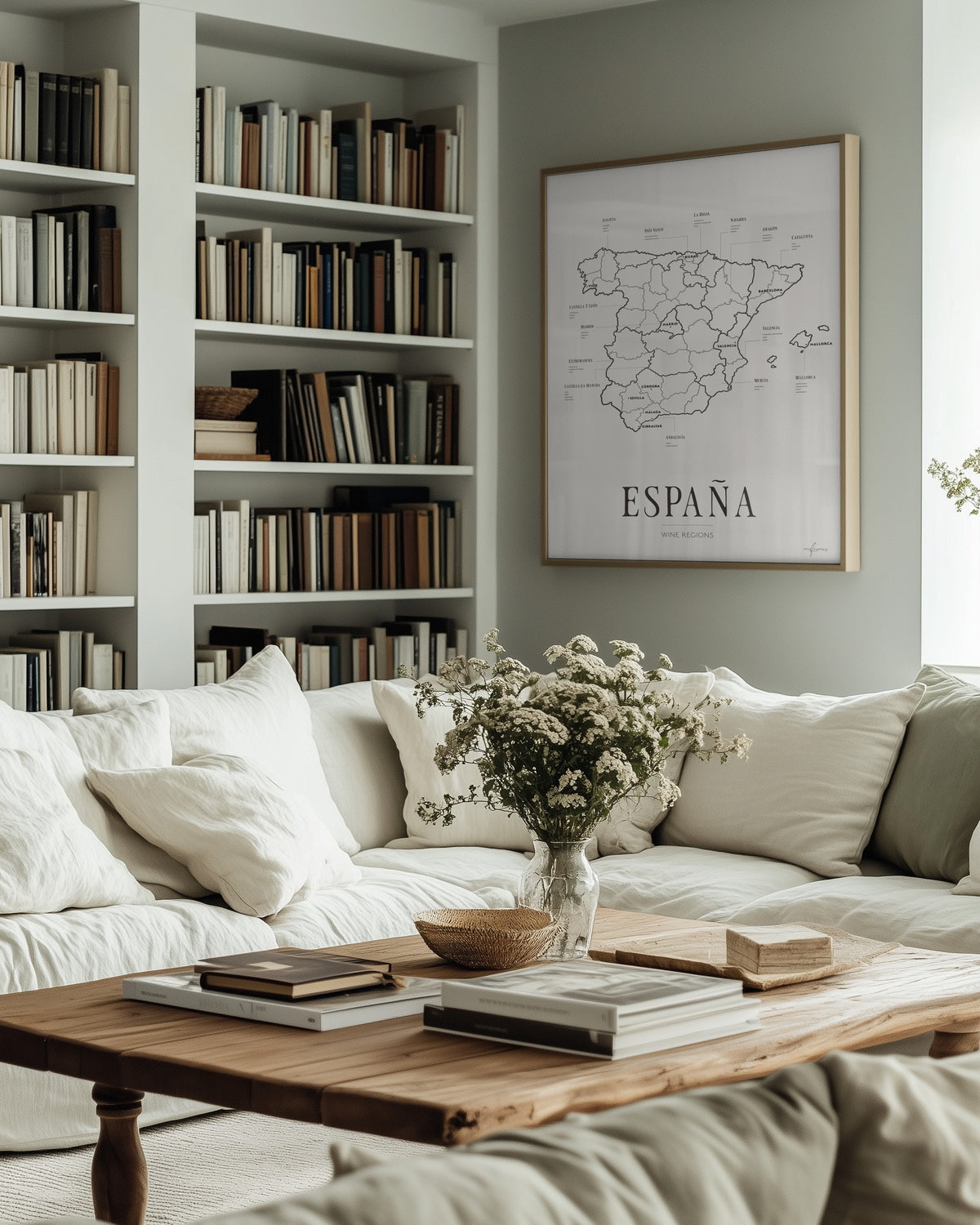
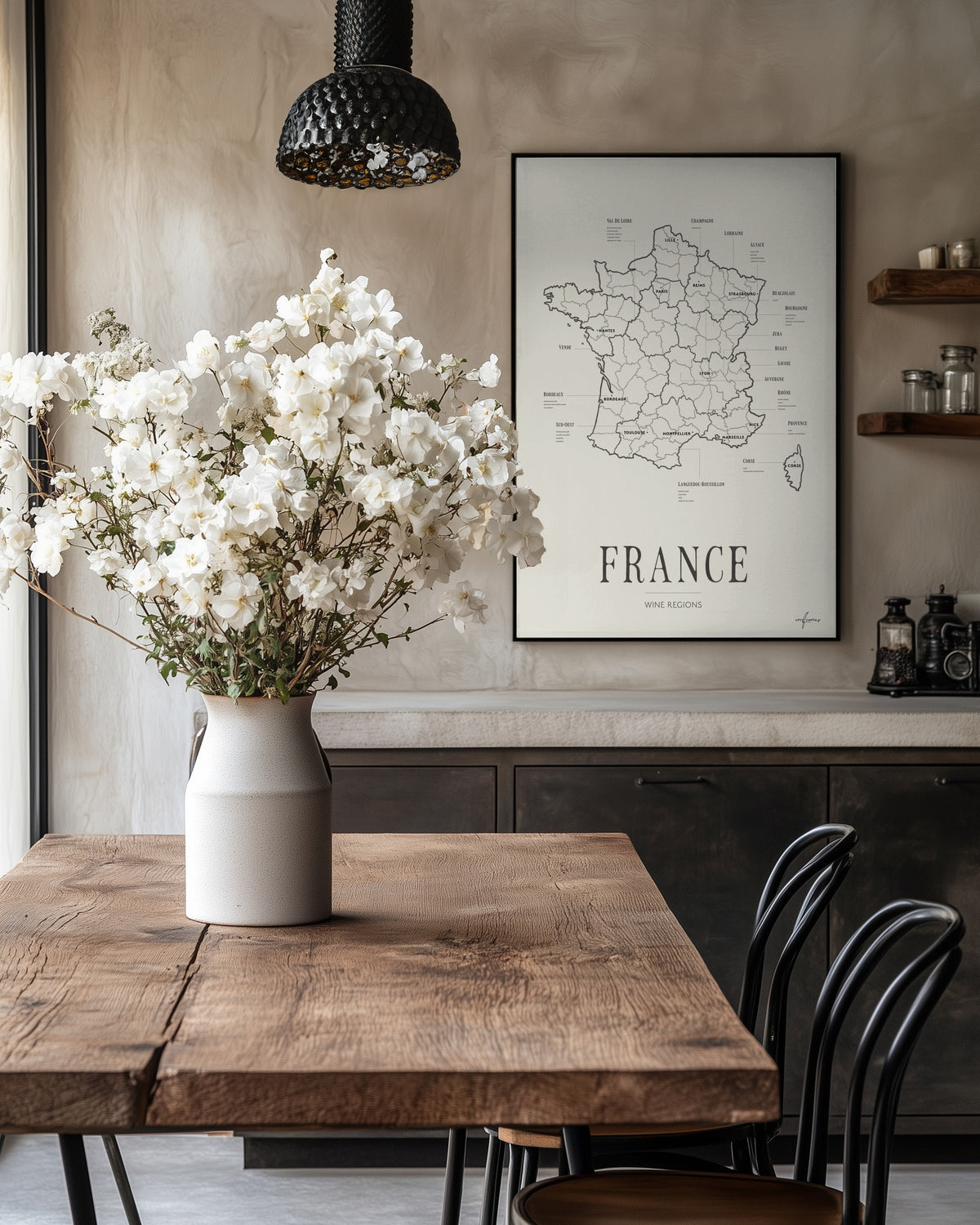
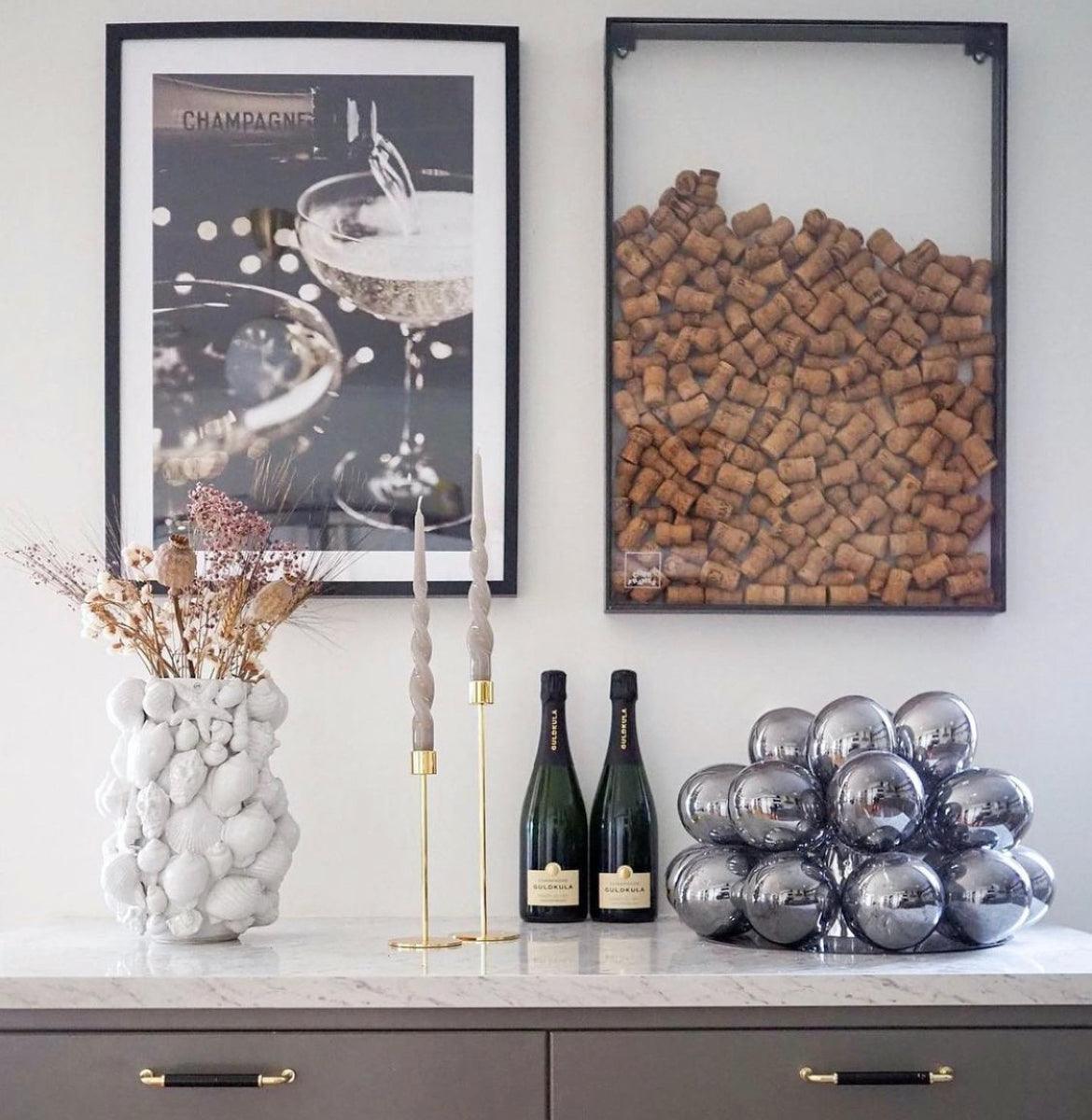
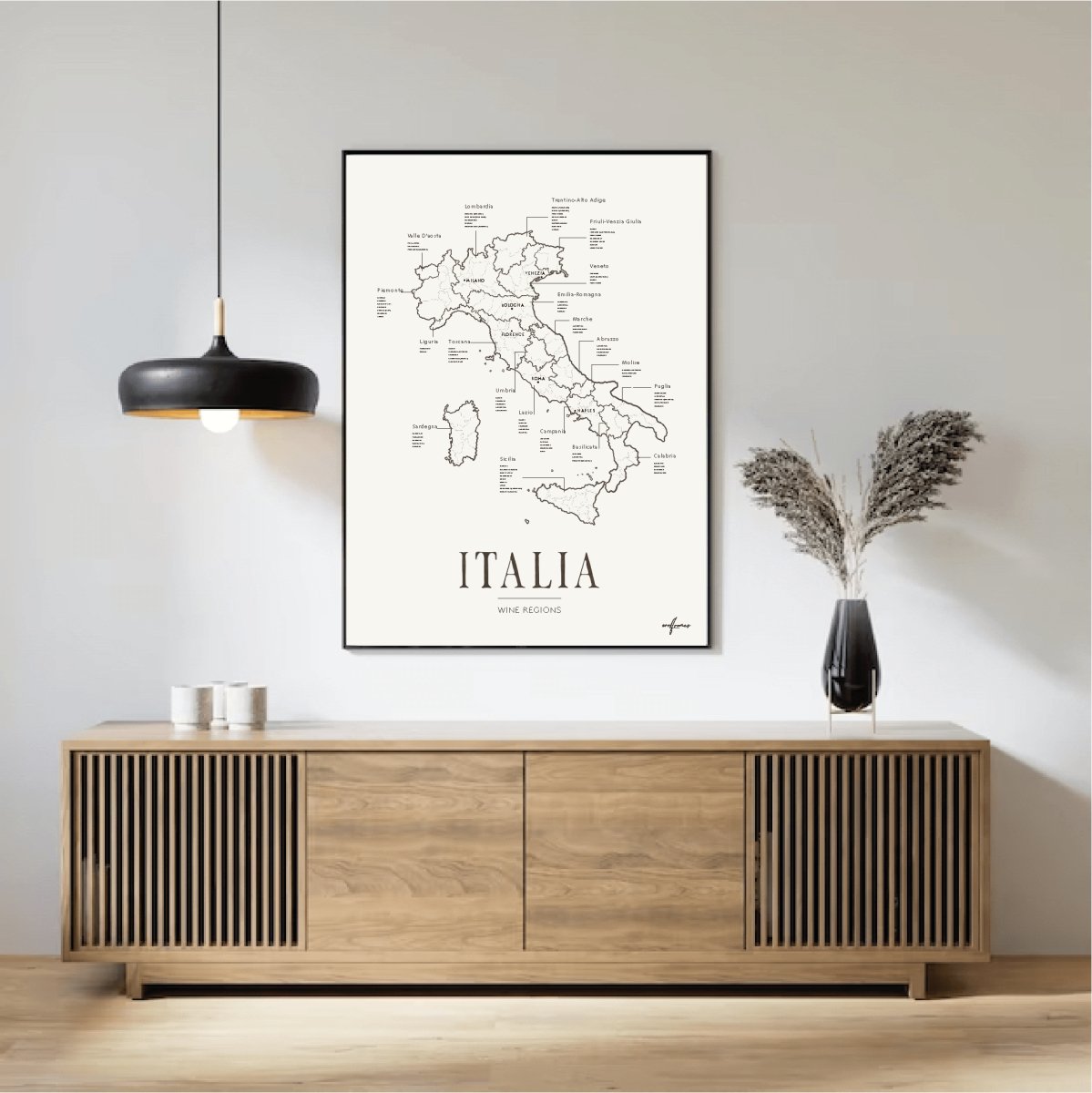
Instead of hiding collections in remote basements, modern enthusiasts are bringing their wine into the living room. The concept of the 'living room wine bar' is a cornerstone of current wine collecting trends 2027. This involves creating a dedicated space where the aesthetics of the bottle and the comfort of the environment are prioritized. By utilizing intentional design, such as high bar stools and functional cork-based furniture, collectors can transform a corner of their home into a social hub that mirrors a high-end wine bar.
9 Wine Trends Every Serious Collector Needs to Know
Understanding the market requires looking at how consumers are interacting with their bottles. According to industry experts, several key factors are driving the evolution of modern collections:
Experience-Driven Assets: Collectors are buying bottles they intend to share at specific gatherings rather than for speculative investment.
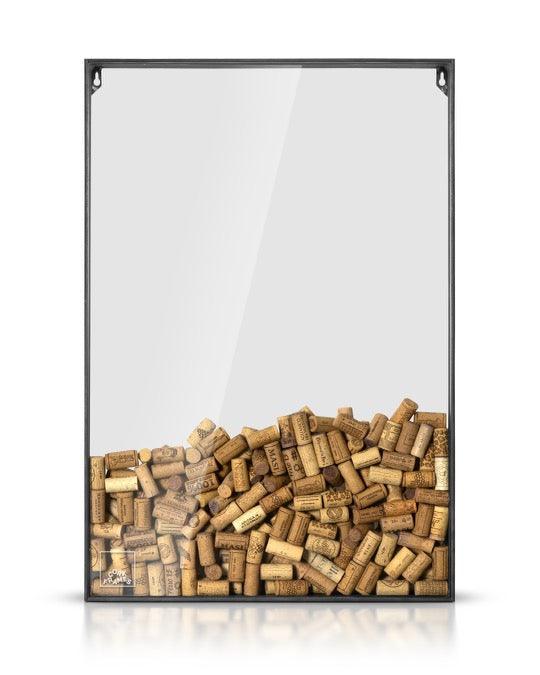
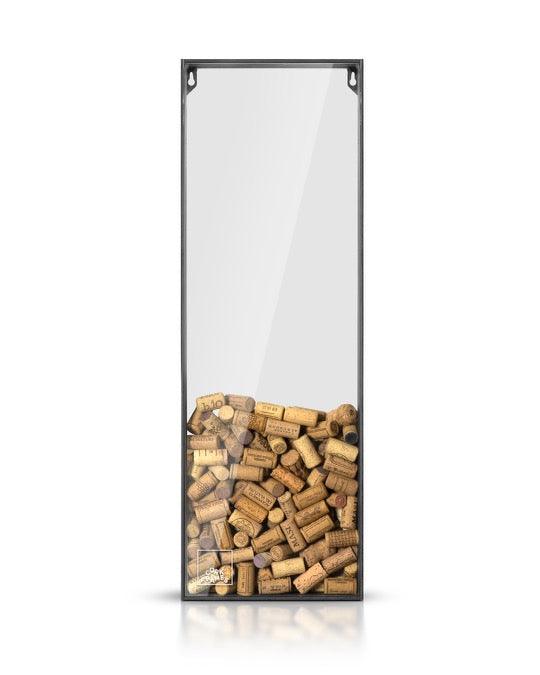
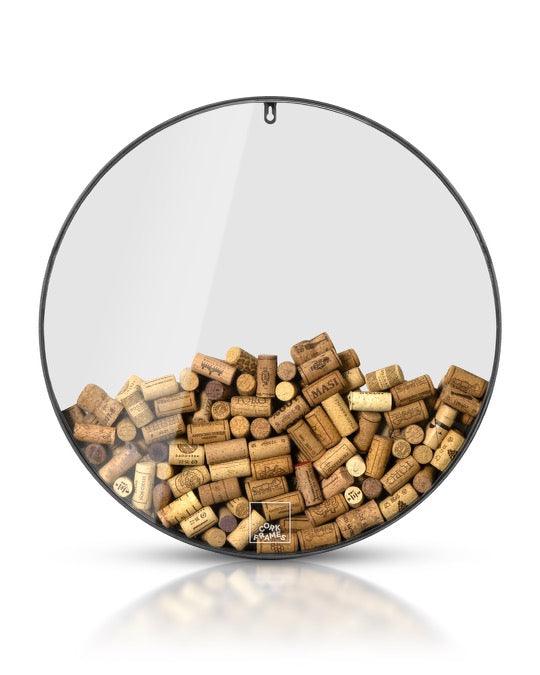
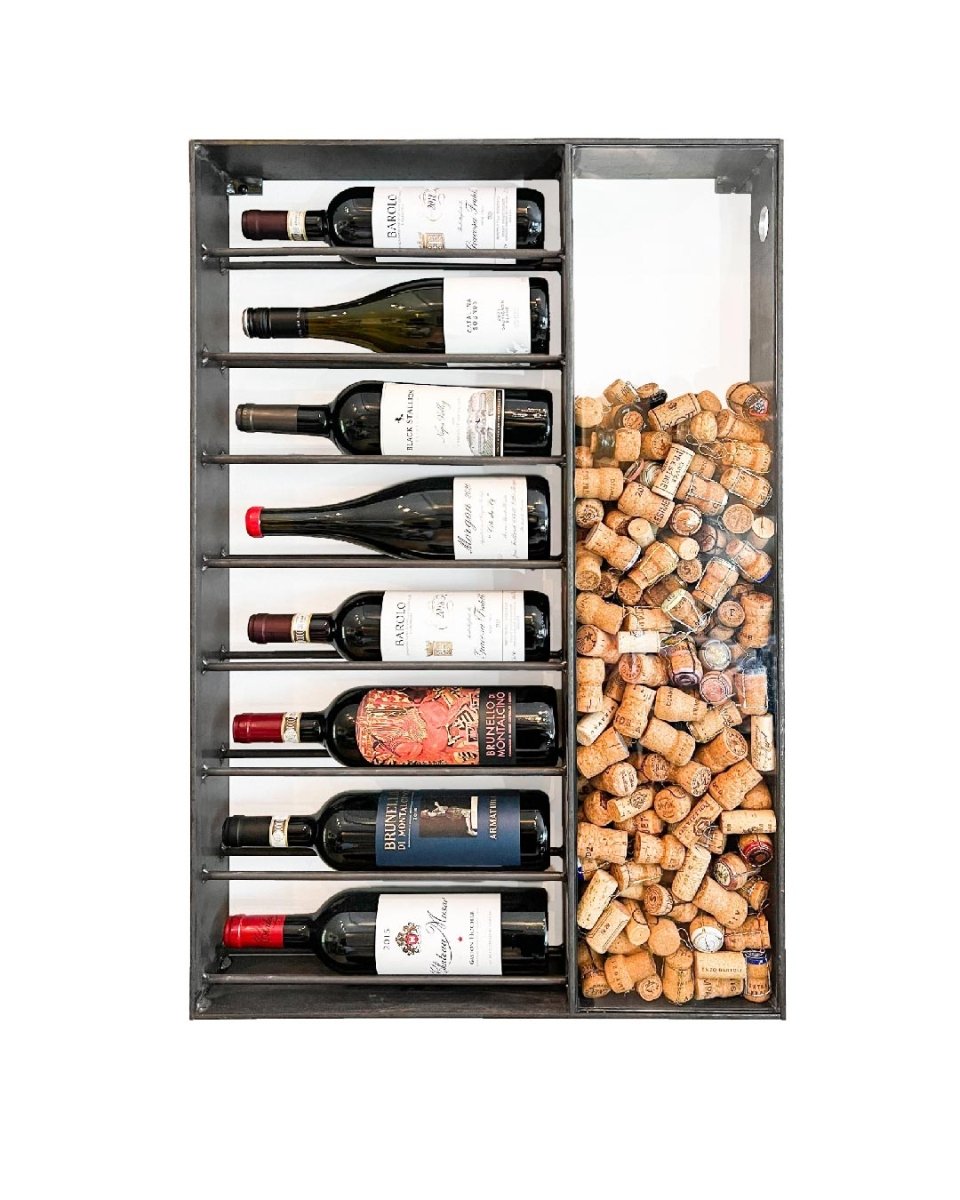
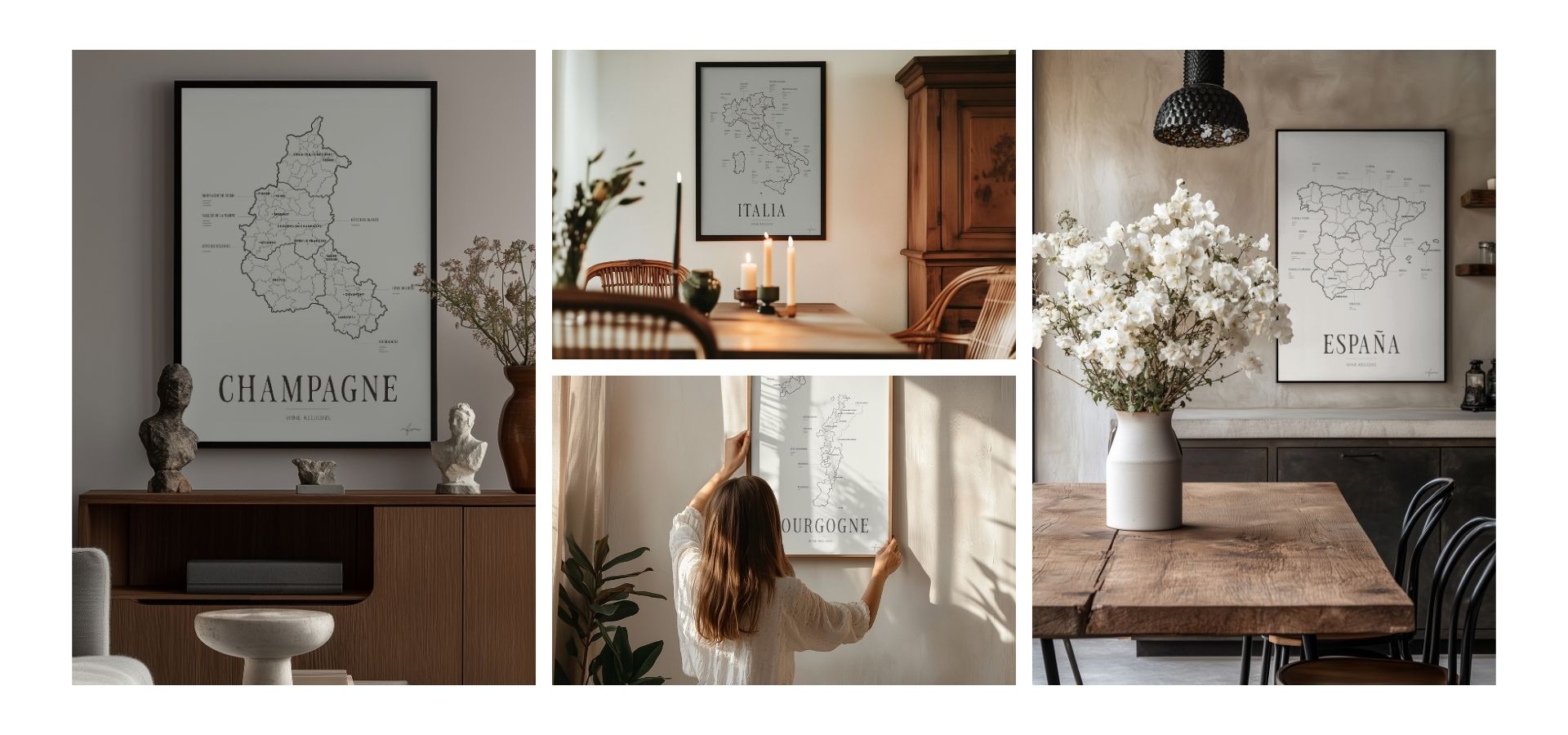
Display over Storage: The trend is moving toward open-concept storage that serves as interior decoration.
The Rise of Sustainable Materials: As seen in the growing interest in cork interior design, collectors want their furniture to reflect the natural origins of the wine.
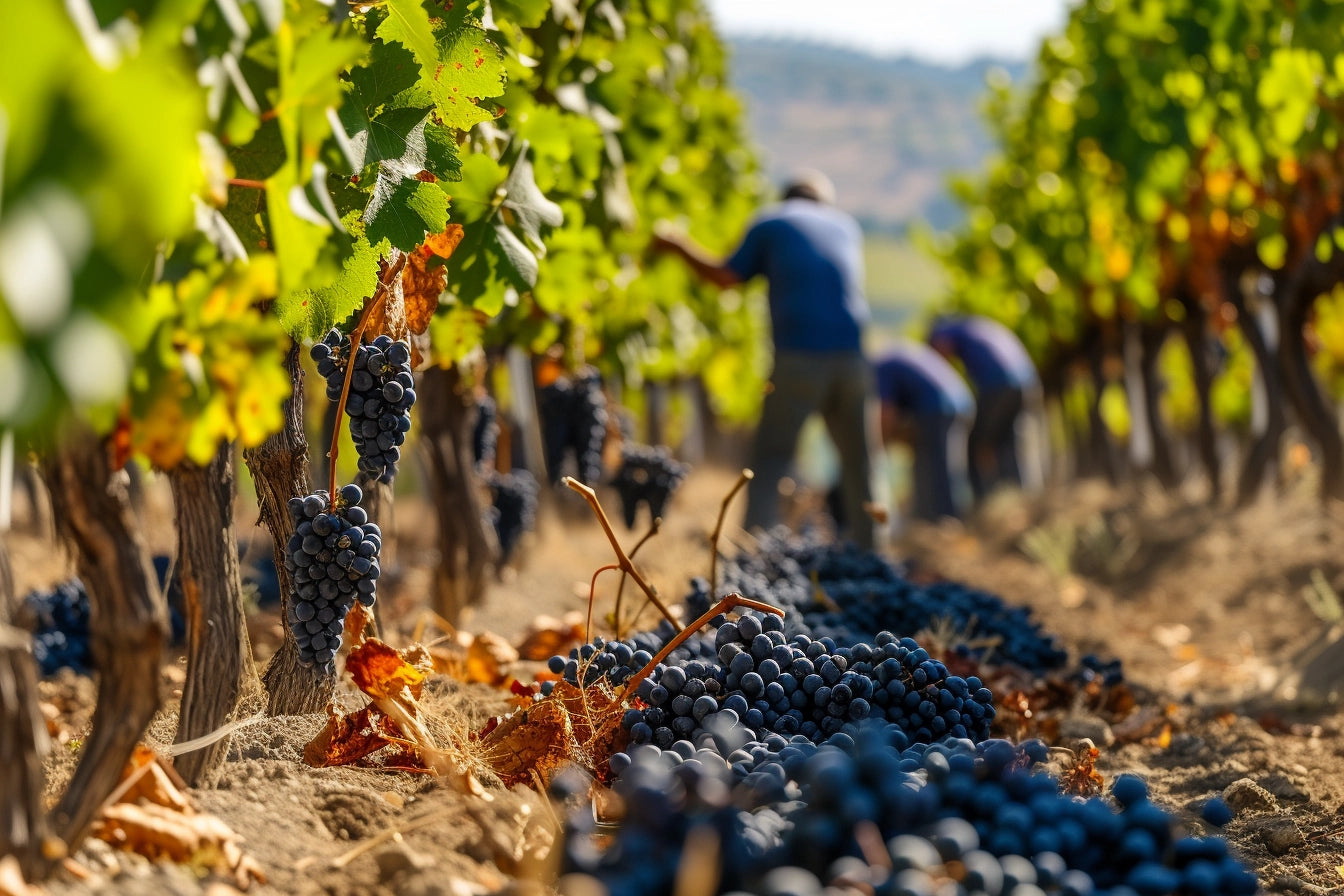
Focus on Freshness: A preference for younger vintages that emphasize fruit and terroir over oak and age.
Smaller, Curated Selections: Quality is being prioritized over sheer volume, leading to more manageable and accessible home collections.
Living Room Centricity
The transition to a living-room-centric model means that wine accessories and furniture are now essential parts of the interior design process. When the collection moves into the active part of the home, the seating becomes just as important as the glassware. Incorporating tactile elements like cork stools allows for a seamless blend between the wine itself and the surrounding decor. This lifestyle shift ensures that the collection is not just a financial portfolio, but a lived experience that can be enjoyed daily with friends and family.