
What to Do With Old Wine Corks
Wine corks are easy to save but difficult to know what to do with. A few corks from memorable bottles can quickly become a drawer or bowl filled with pieces that feel too personal to throw away.
Fortunately, old wine corks can be reused in several practical and decorative ways. They can become place-card holders, plant markers, seasonal decorations or part of a personal wine display. The best choice depends on whether you want to preserve the memories connected to the corks or simply reuse the material creatively.
Here are some of the best ideas for giving old wine corks a new purpose.
Create a Display of Your Wine Memories
Some corks represent much more than the bottle they once sealed. They may come from a wedding, an anniversary, a memorable holiday, a wine tasting or a dinner shared with close friends.
Instead of storing these corks in a box, you can turn them into a personal piece of wall art.
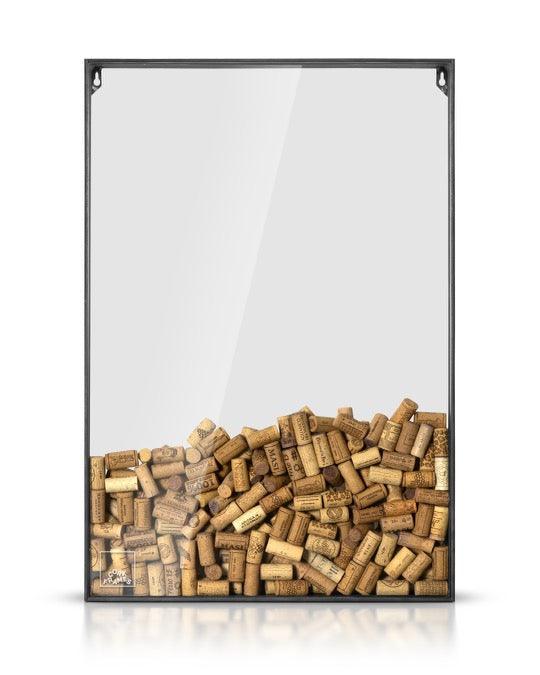
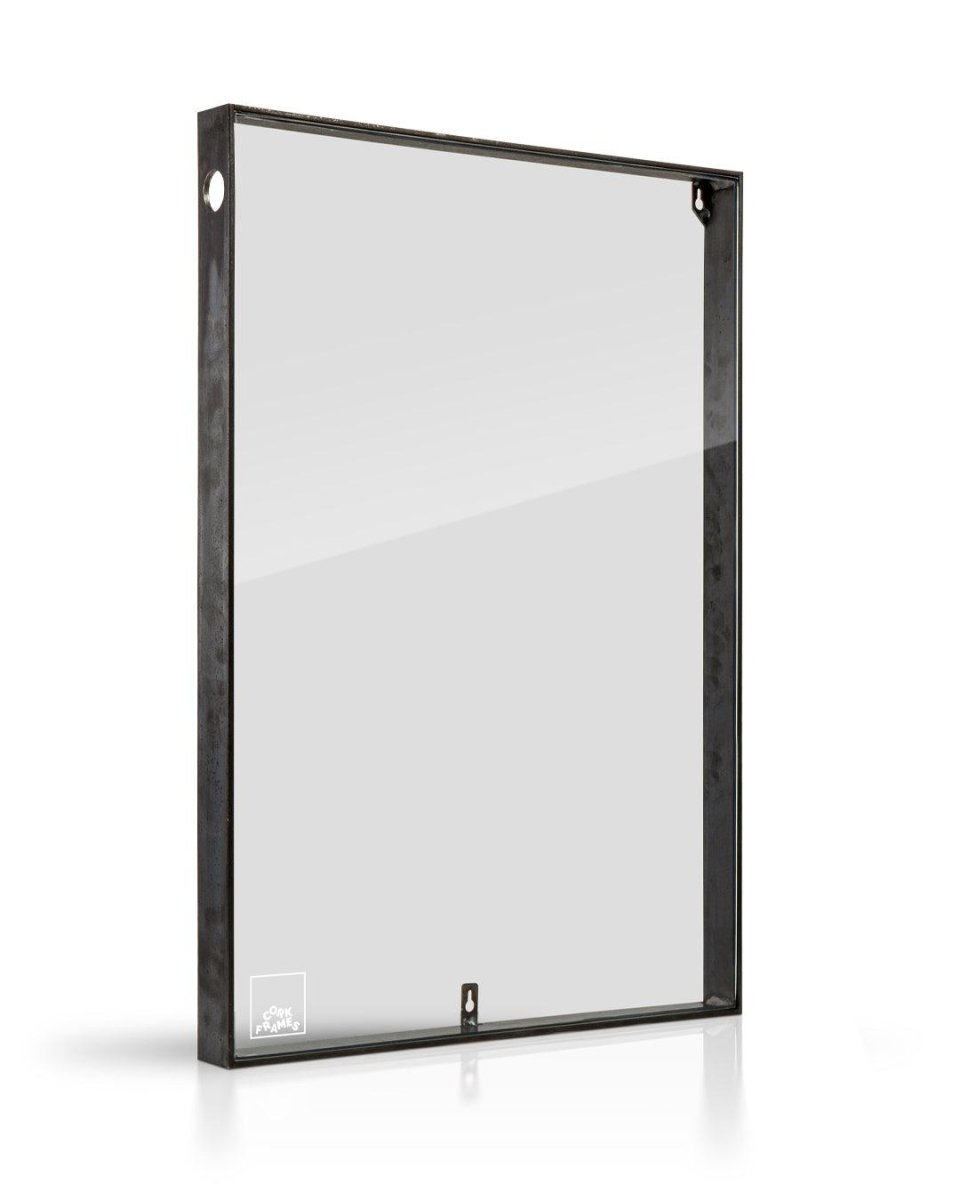
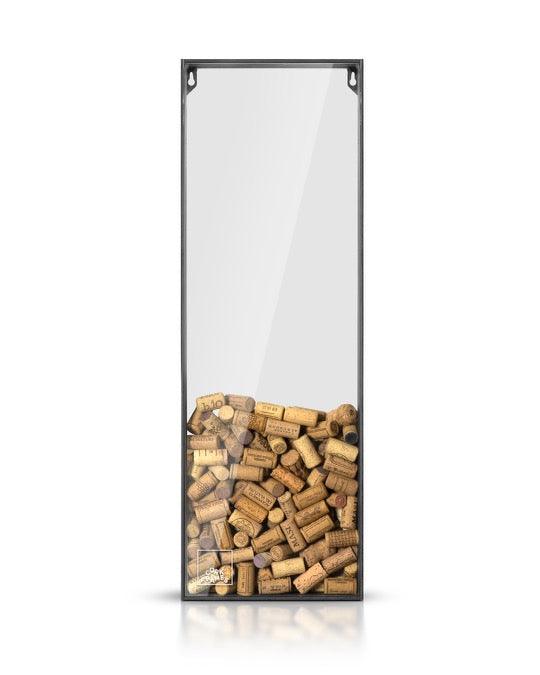
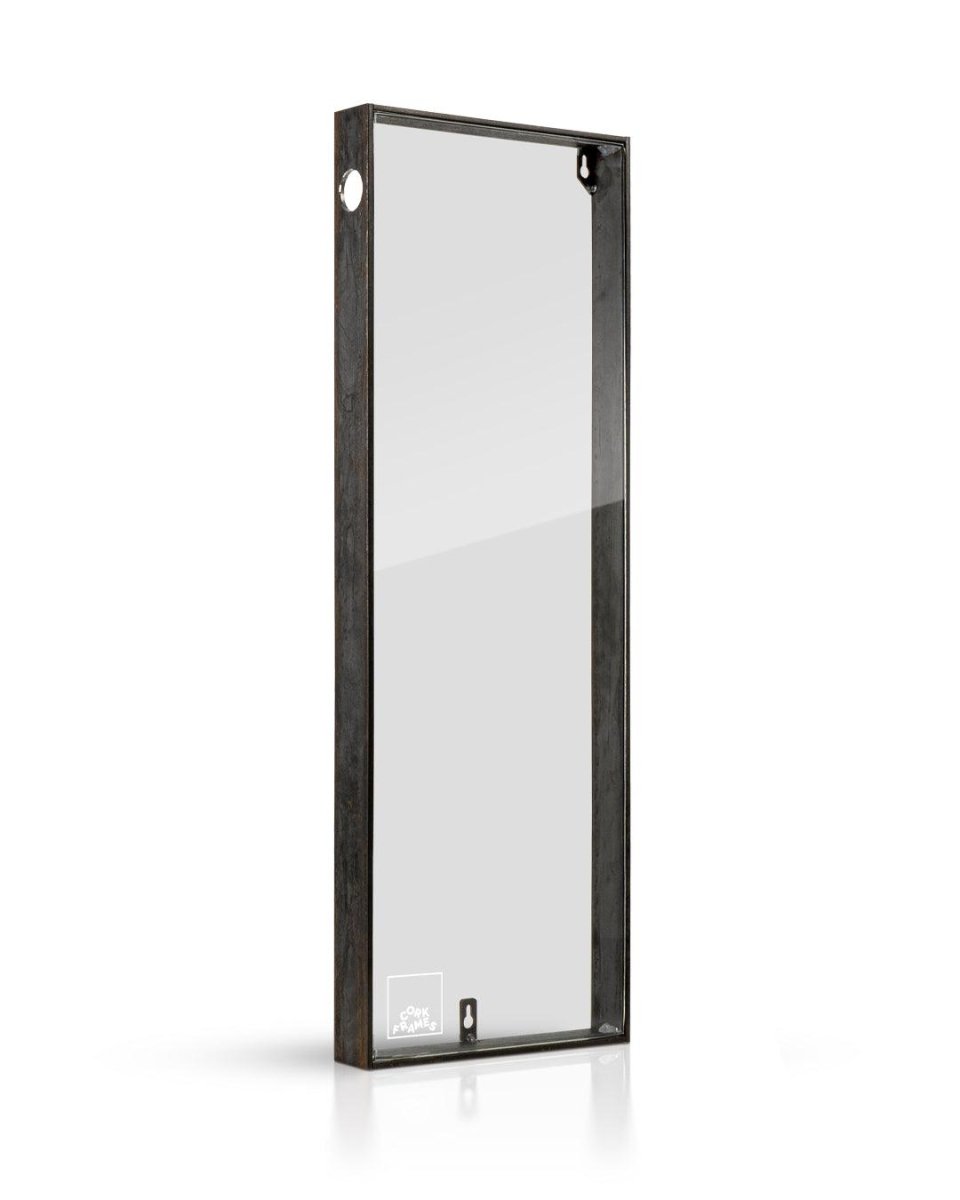
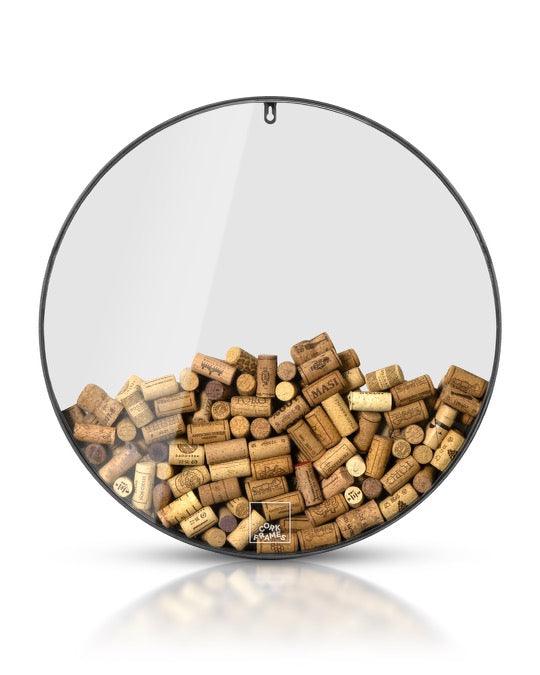
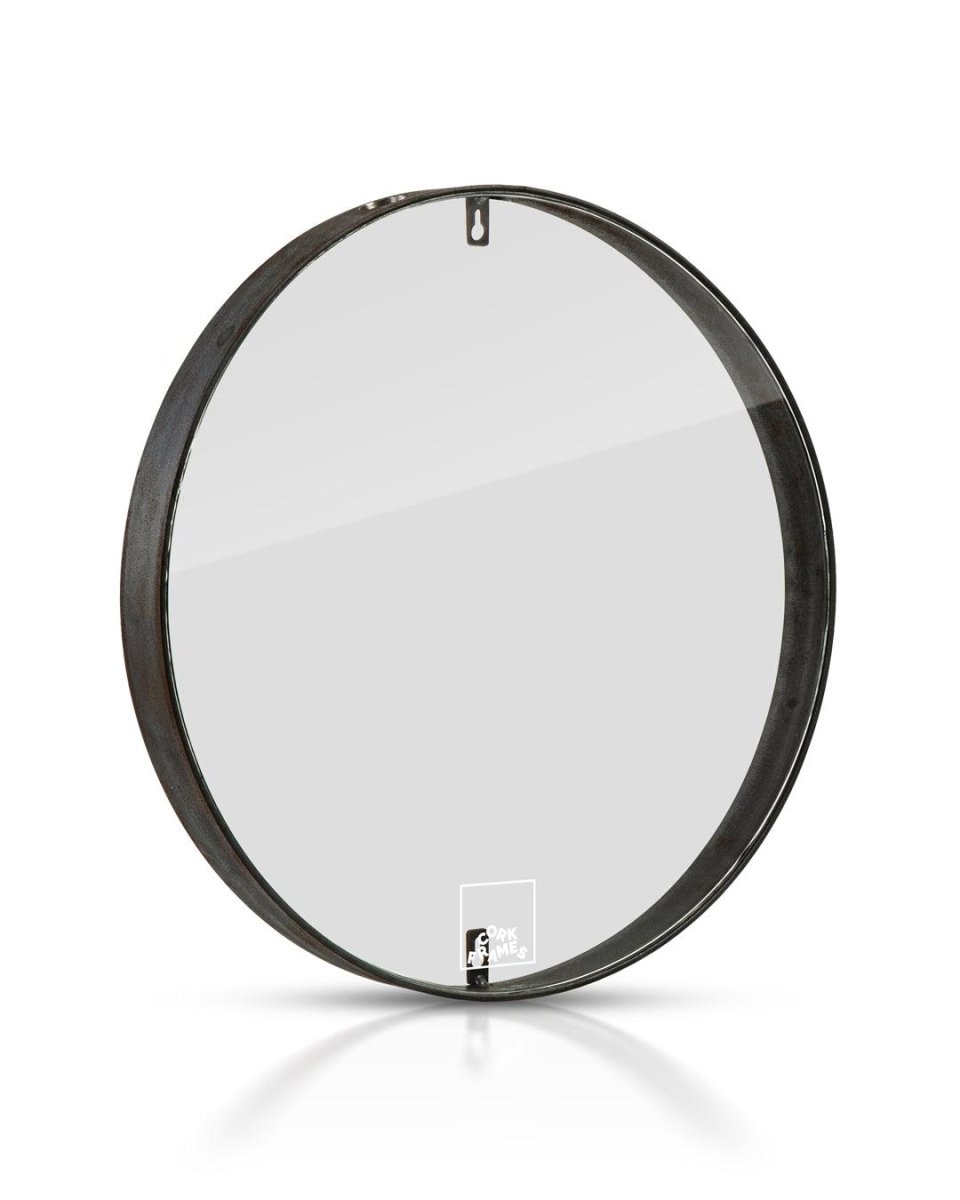
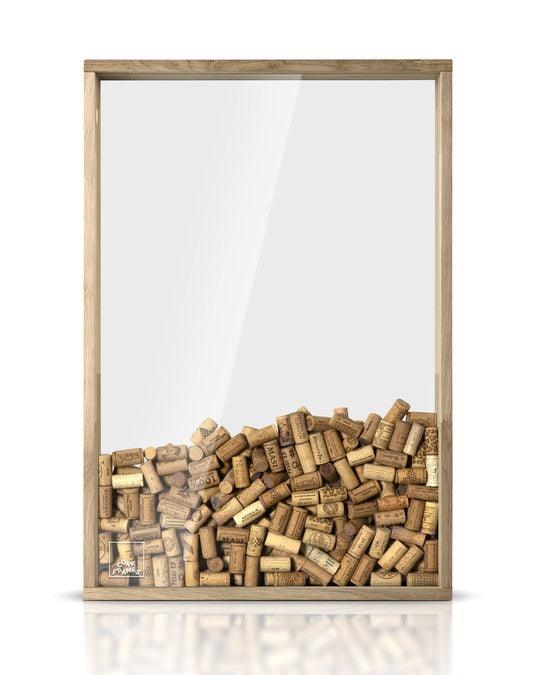
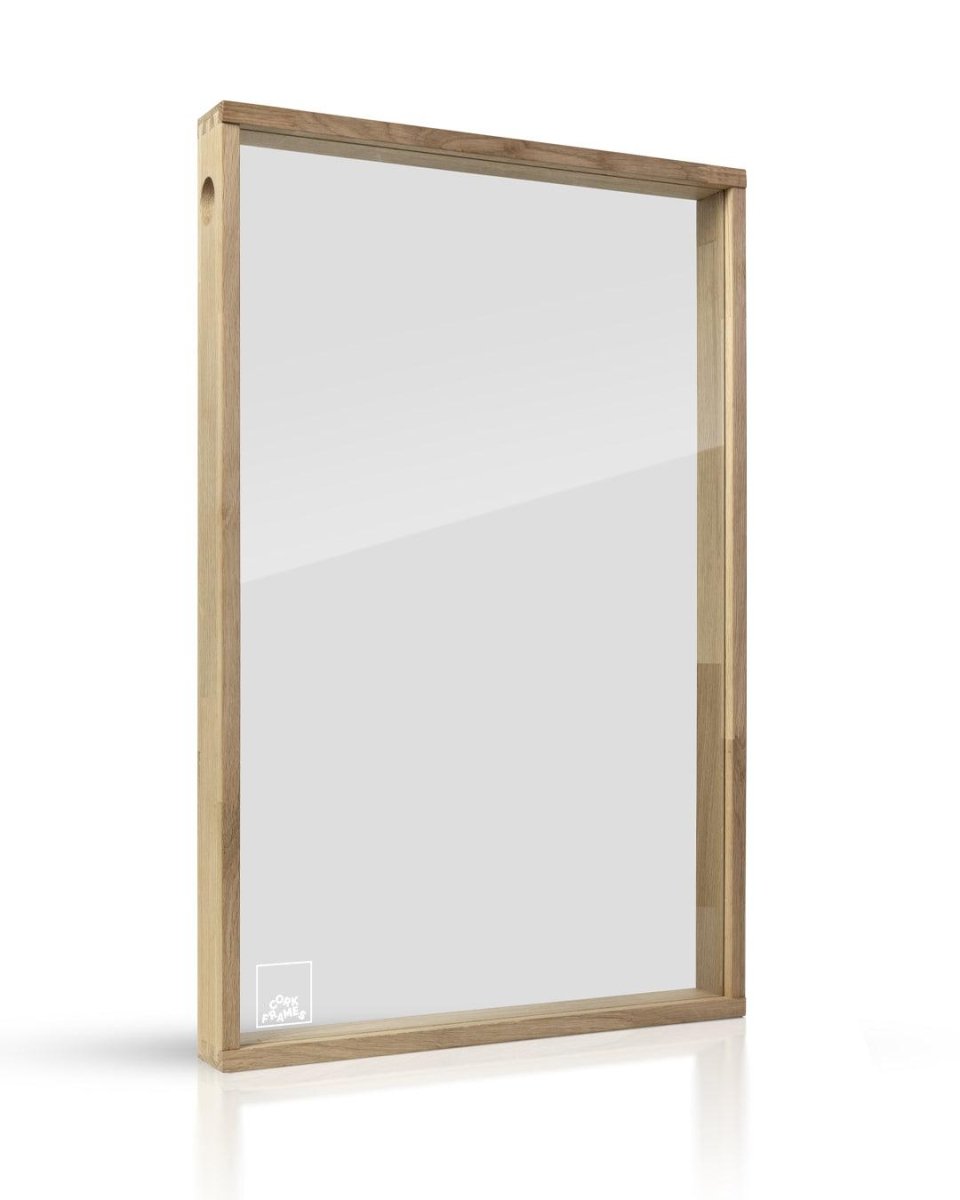
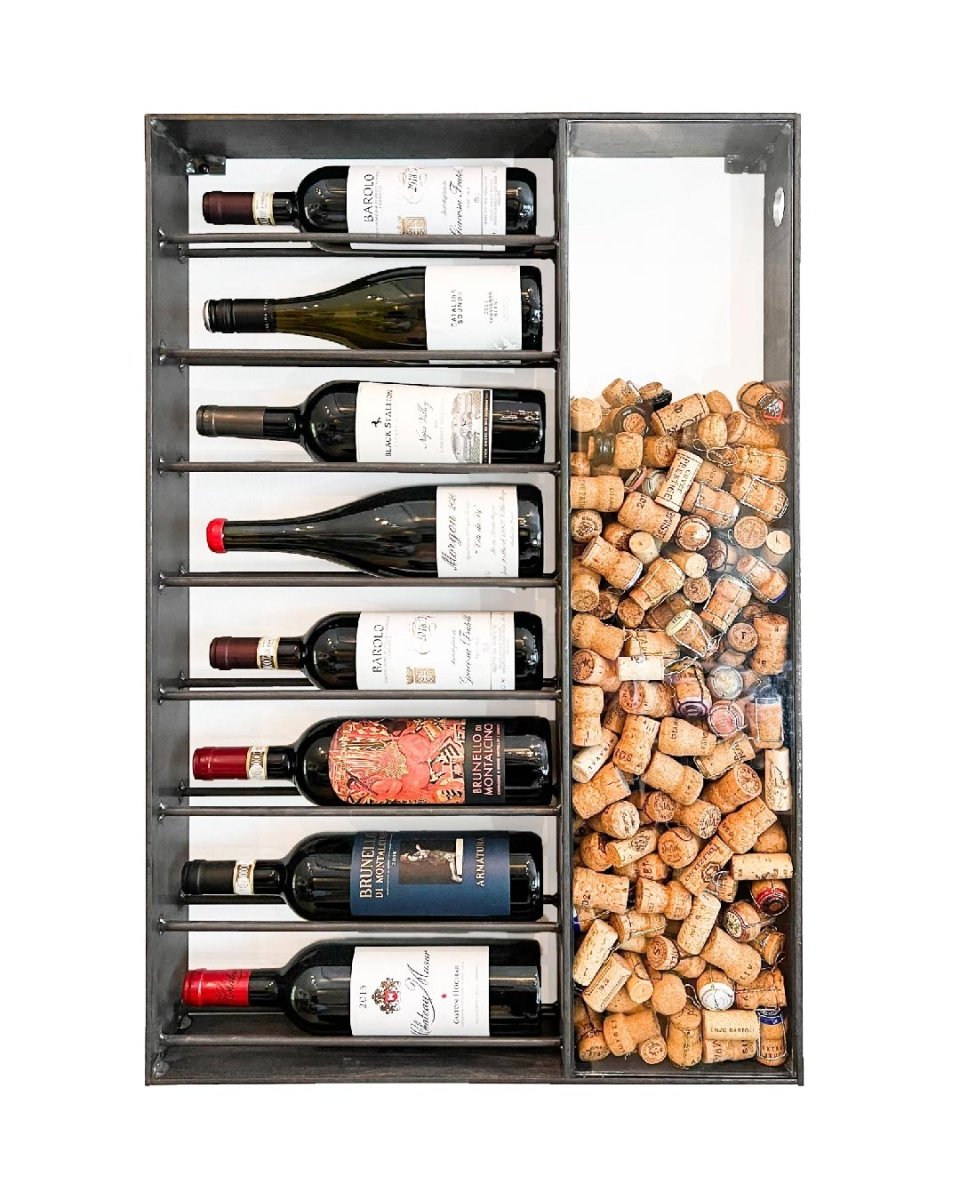
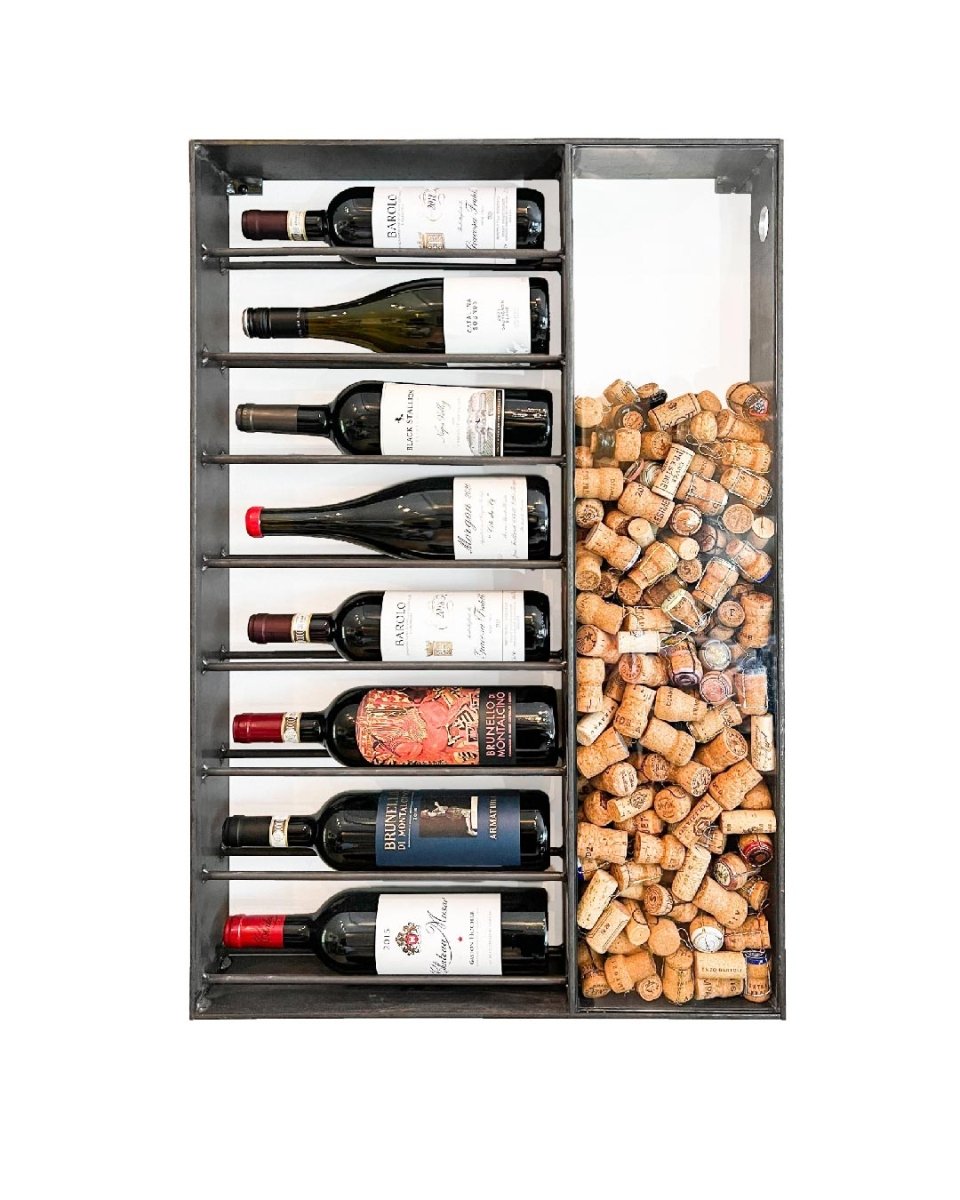
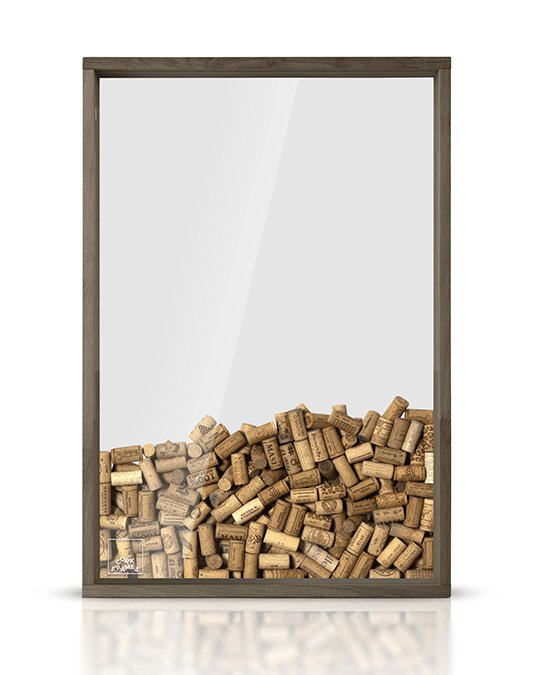
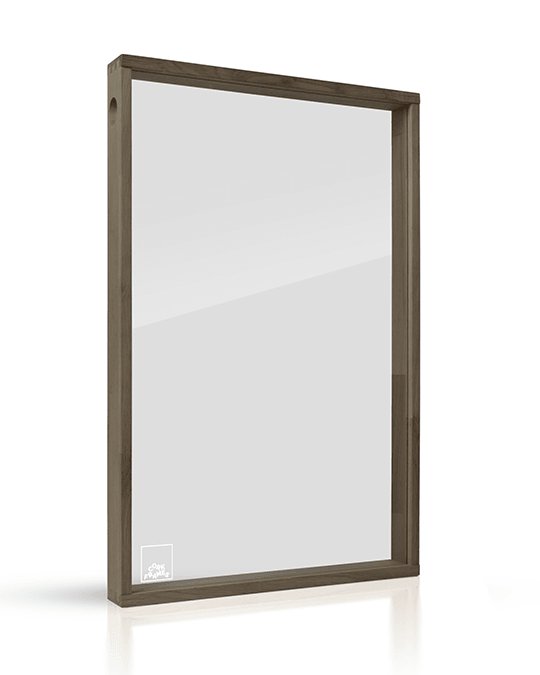
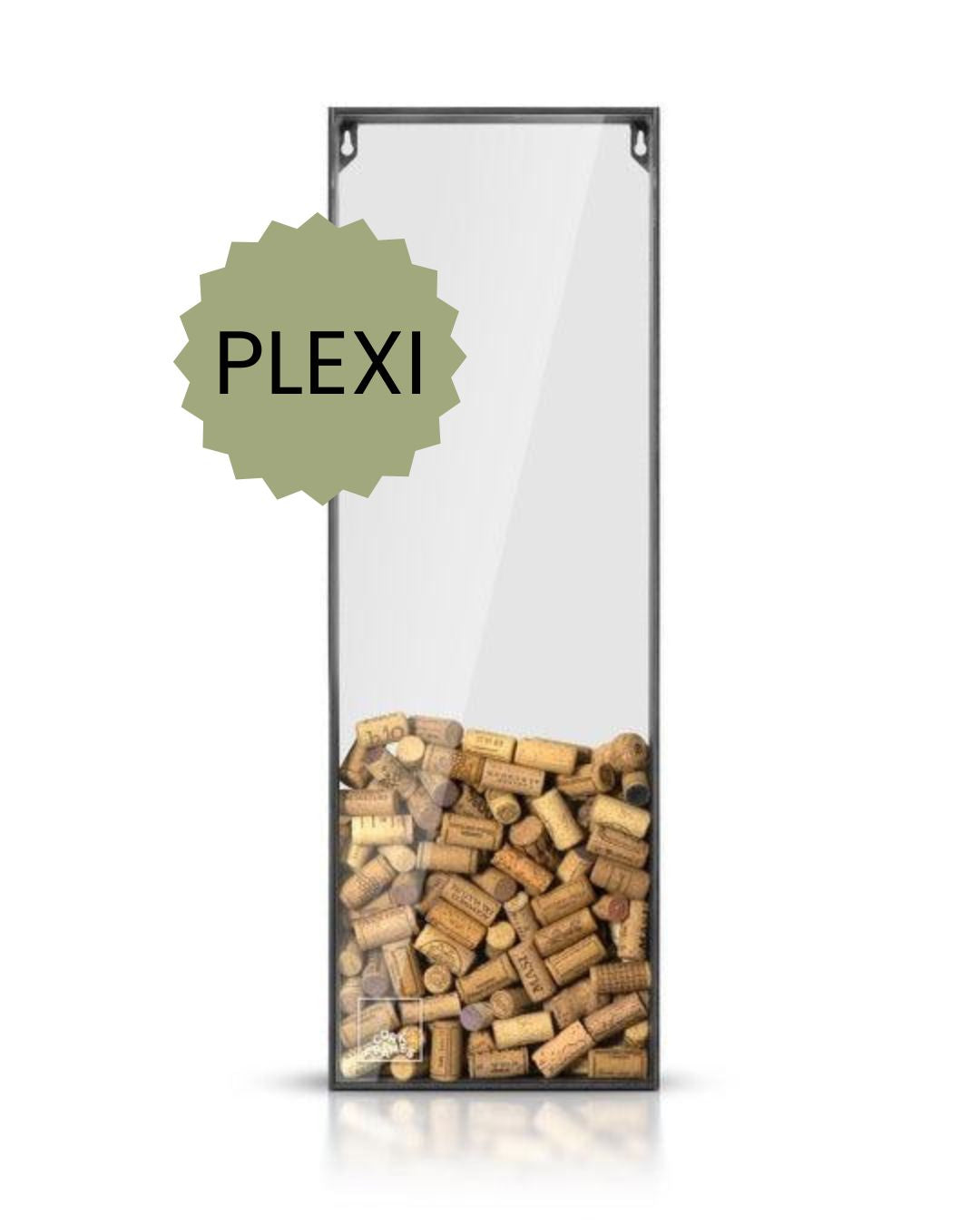
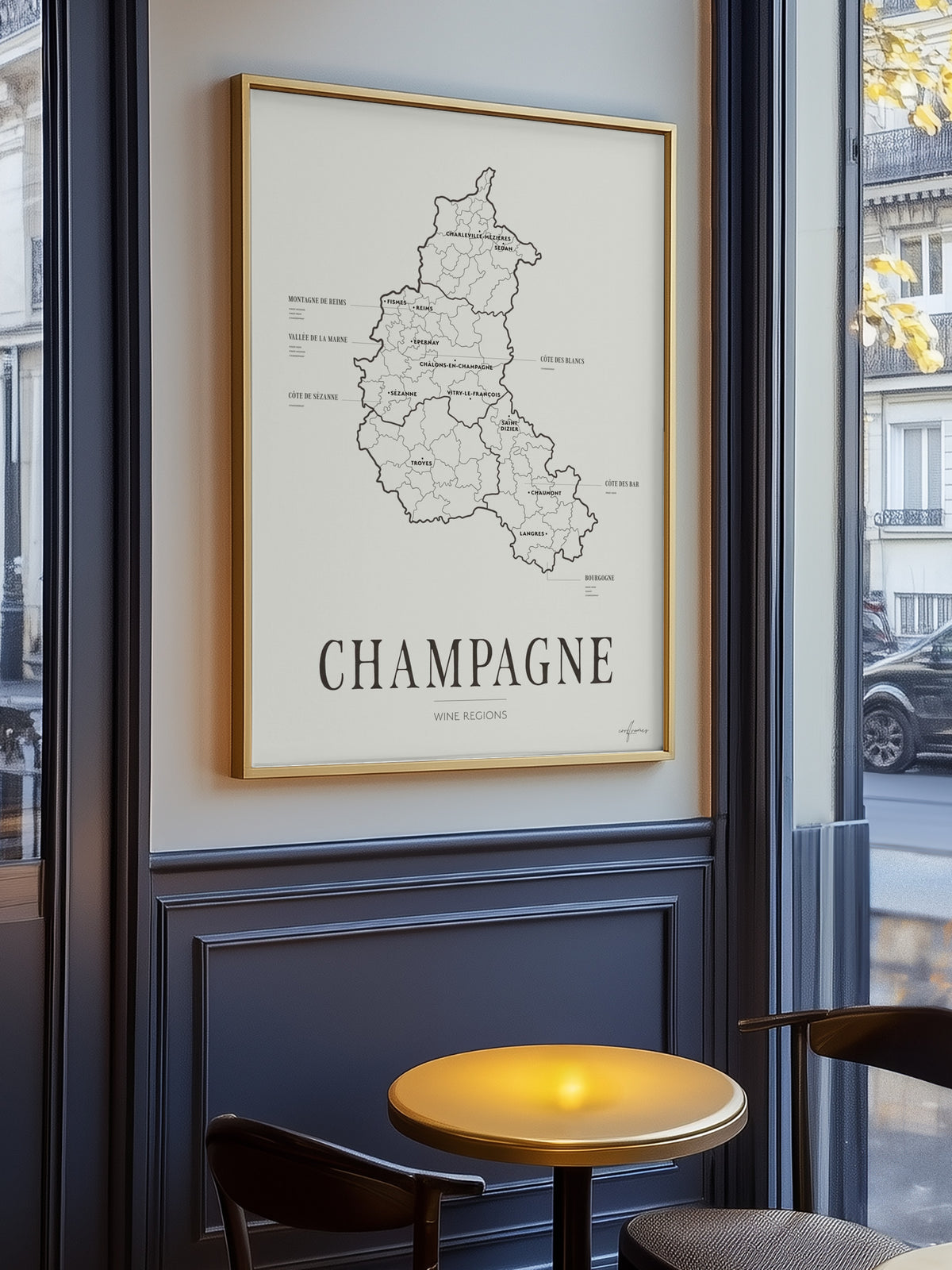
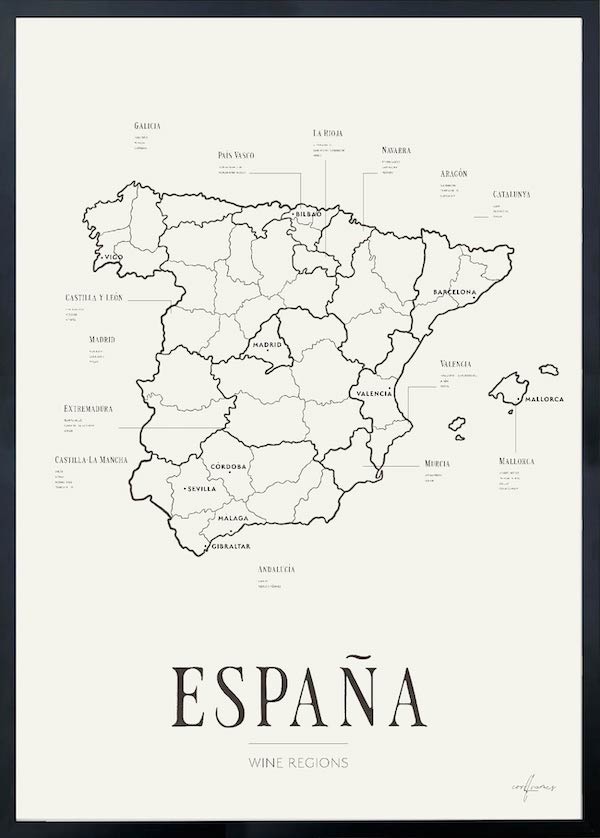
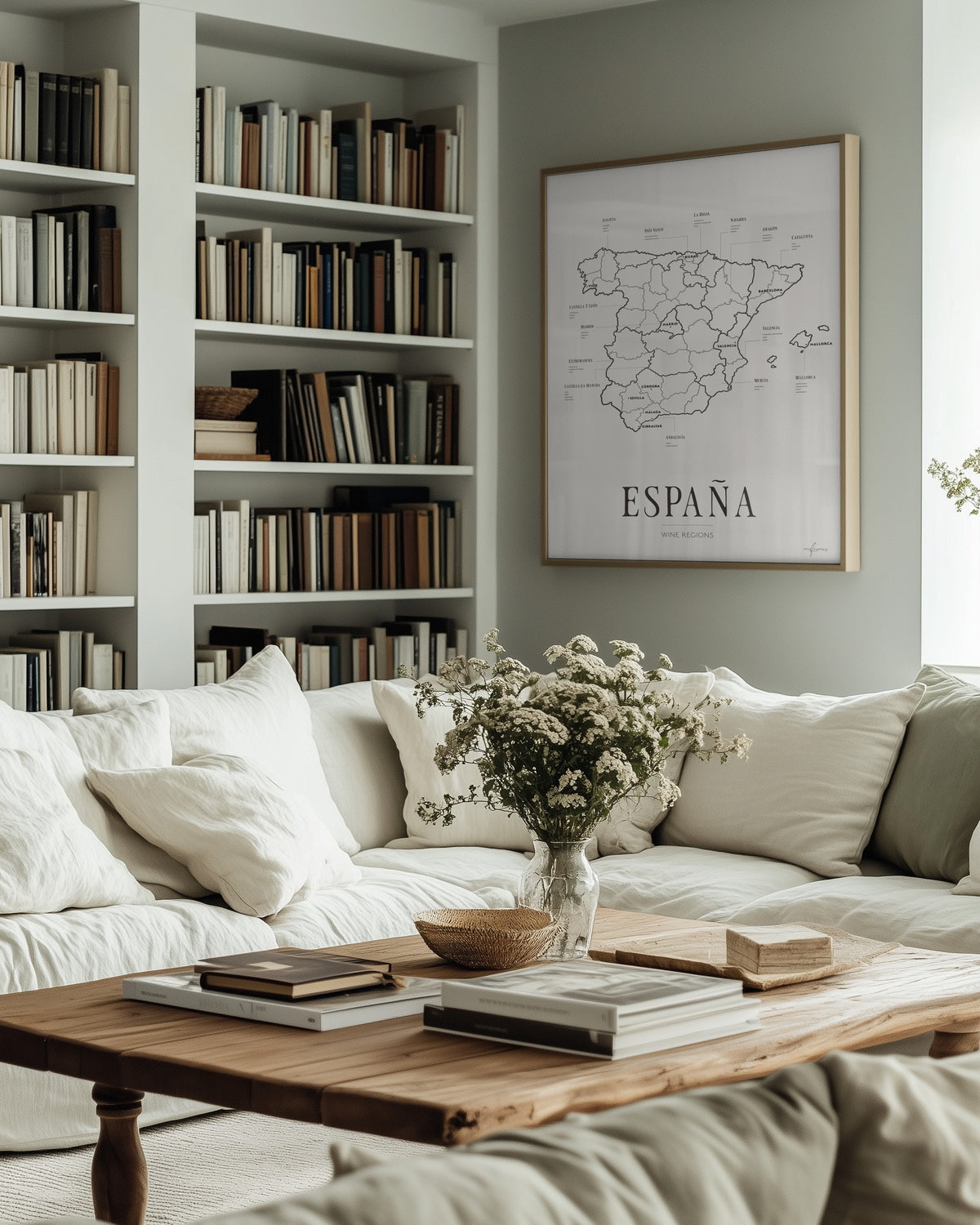
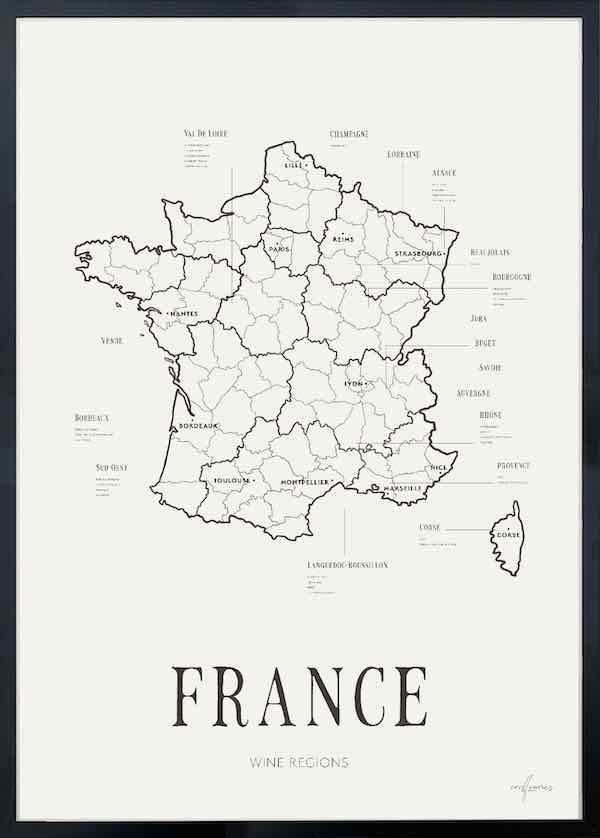
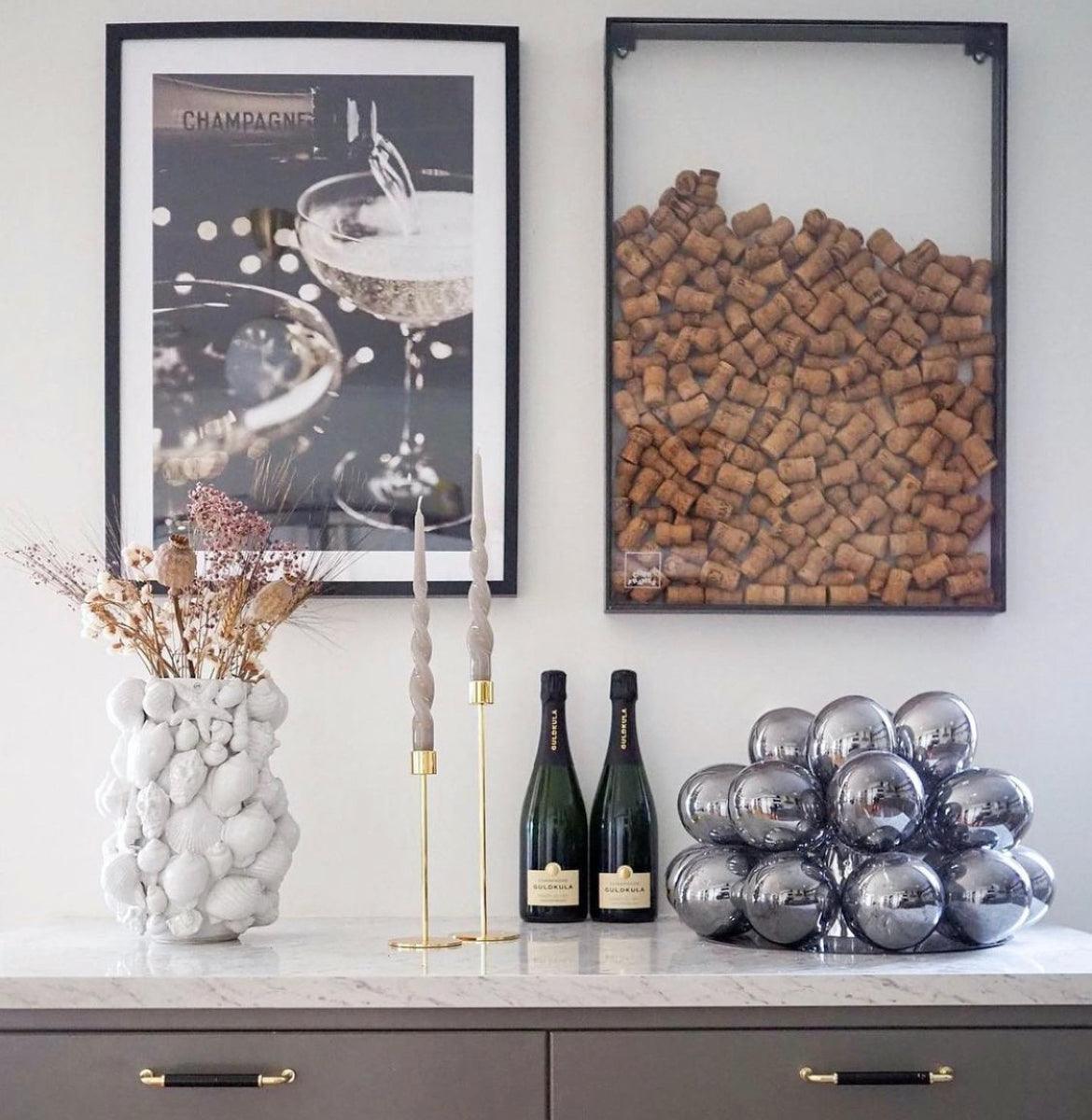
A Corkframe is designed to collect and display wine corks while allowing the collection to grow over time. The corks are placed through an opening in the side of the frame, gradually creating a unique pattern behind the glass.
Each Corkframe is handcrafted in Sweden and is designed as both a functional wine-cork holder and an interior detail.
Before adding a cork, write a short note on it with a permanent marker. You could include:
The date
The wine or producer
The location
The people you shared it with
A small symbol representing the occasion
Over time, the frame becomes a visual record of dinners, celebrations and journeys rather than simply a collection of used corks.
Make Wine Cork Place-Card Holders
Wine corks can be turned into simple place-card holders for dinners, weddings and wine tastings.
Carefully cut a narrow slot along the top of each cork and insert a small card with the guest’s name. The corks can also hold labels identifying different wines, cheeses or dishes during a tasting.
This idea works particularly well when the corks come from wines connected to the event. Corks saved from previous celebrations can add a personal detail to an anniversary dinner or wedding reception.
Always secure the cork firmly and use an appropriate cutting tool, as corks can roll while being cut.
Use Corks as Plant Markers
Natural corks can make practical plant markers for herbs, vegetables and potted plants.
Write the name of the plant directly onto the cork and attach it to a wooden skewer or suitable garden stick. Push the marker into the soil beside the plant.
This works especially well in:
Herb gardens
Kitchen windows
Greenhouses
Raised beds
Small balcony planters
Cork markers are best used in sheltered areas, as prolonged exposure to rain and strong sunlight may cause the writing to fade or the cork to deteriorate.
Create Decorations for the Table
Wine corks can be used as small decorative elements when setting a table.
Arrange them around candles, place them in a glass vase or combine them with natural materials such as dried flowers, branches and linen. They suit rustic, Mediterranean and wine-inspired interiors particularly well.
Avoid placing loose corks too close to an open flame. When using candles, keep the corks separated from the heat and use a stable glass candle holder.
For a wine tasting, corks can also be placed beside each bottle to show guests which cork belongs to which wine.
Make Seasonal Decorations
Old wine corks can be used to create simple decorations for Christmas, autumn celebrations or special dinners.
Popular ideas include:
Small cork wreaths
Christmas-tree ornaments
Decorative stars
Miniature cork trees
Garland details
Gift decorations
Choose corks with attractive winery stamps or distinctive markings and combine them with ribbon, natural string or dried greenery.
Keep in mind that cutting, drilling or gluing corks permanently removes the possibility of preserving them in their original form. Save the most meaningful corks for your collection and use less significant ones for craft projects.
Create a Cork Noticeboard or Trivet
A larger collection of corks can be arranged into a small noticeboard or heat-resistant mat.
For a noticeboard, the corks can be placed inside a deep frame and secured to a firm backing. Notes, photographs and shopping lists can then be attached using pins.
Corks are also commonly arranged into trivets for warm serving dishes. However, a homemade cork trivet should not be treated as fireproof. Avoid using it beneath cookware exposed to extremely high temperatures, and make sure any adhesive used is suitable for the intended purpose.
Use Corks for Wine-Tasting Games
Wine corks can become part of a blind tasting or wine quiz.
Write numbers on the corks and use them to identify covered bottles. Guests can then record their guesses about:
Grape variety
Country
Wine region
Vintage
Price range
Food pairing
You can also save the cork from each tasting and mark it with the winning guess or the name of the person who selected the wine.
This creates a simple tradition that can be repeated during future tastings.
Check Whether Natural Cork Can Be Recycled
Natural wine corks are made from the bark of the cork oak. The bark can be harvested without cutting down the tree, which allows it to regenerate for future harvests.
However, recycling options differ between countries and municipalities. Cork should not automatically be placed in household recycling unless it is accepted locally.
Some wine merchants, recycling centres and specialist organisations collect natural cork for reuse or processing. Check the rules in your area and separate natural cork from plastic or synthetic closures.
Which Wine Corks Should You Save?
You do not need to keep every cork. A more selective collection often becomes more meaningful.
Consider saving corks from:
Weddings and anniversaries
Birthdays and graduations
Memorable wine trips
Visits to vineyards
Special restaurant dinners
Bottles received as gifts
Wines shared with important people
The first bottle opened in a new home
Synthetic closures and screw caps will not create the same visual effect as natural or technical corks, but they may still be worth saving when the memory is important.
Turn Your Corks Into Something Personal
The best way to reuse old wine corks depends on what they mean to you.
Corks without a personal connection can be used for decorations, plant markers and table details. Corks from meaningful bottles deserve a solution that keeps their story intact.
By writing a date, place or short message on each cork and adding it to a handcrafted Corkframe, you can create a personal collection that continues to develop with every dinner, journey and celebration.
Each cork becomes a small reminder of where you were, what you drank and who shared the moment with you.
Frequently Asked Questions
What can I make with old wine corks?
Old wine corks can be used for place-card holders, plant markers, seasonal decorations, noticeboards, tasting games and wall displays.
How can I display wine corks without cutting them?
Use a deep glass container or a purpose-designed cork display frame. A Corkframe allows corks to be added without cutting or permanently attaching them.
Should I write on wine corks before saving them?
Writing the date, wine, location or occasion on the cork makes the collection easier to remember and more personal.
Can wine corks be recycled?
Natural cork may be accepted through specialist collection programmes, but local recycling rules vary. Check with your municipality or recycling centre before placing it in household recycling.
How should I store valuable or memorable corks?
Keep corks dry and away from direct heat or prolonged moisture. Displaying them behind glass can help protect them while keeping the collection visible.