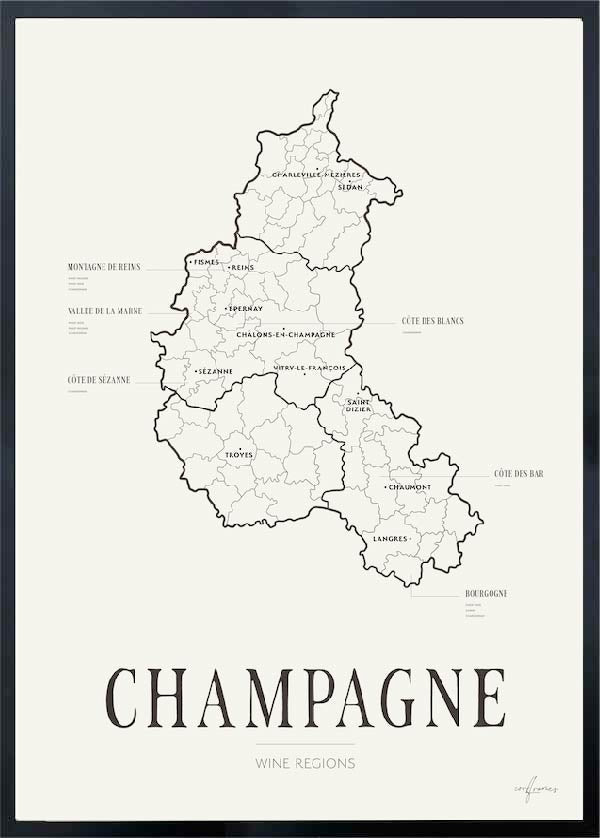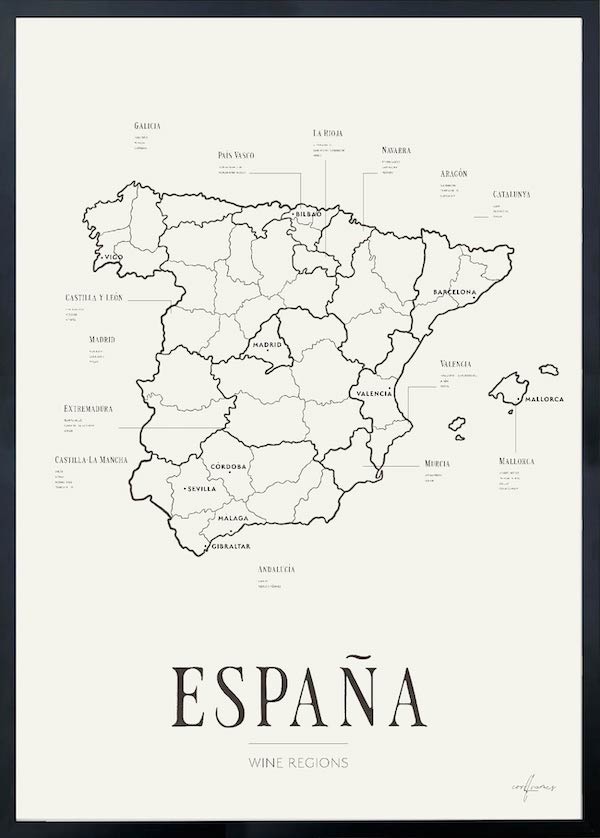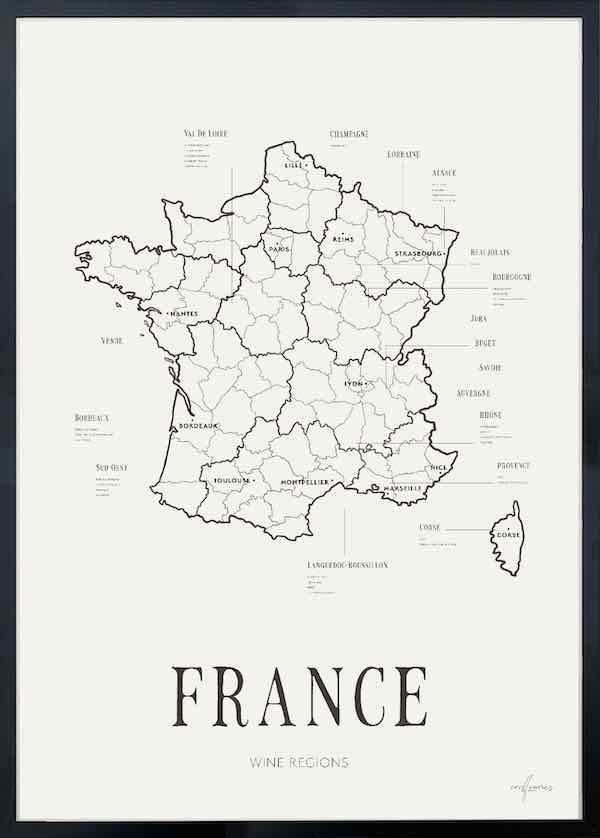


For a long time, Mexico has stood in the shadow of classic wine countries like France, Italy, and Spain. But in recent years, the country’s wine industry has grown rapidly—both in quality and production.
In particular, Baja California, which accounts for around 70–80% of Mexico’s wine production, is home to some of the nation’s largest and most influential wineries.
Here are some of the biggest wineries in Mexico, in terms of production, history, and impact.
L.A. Cetto – A Pioneer of Mexican Wine
L.A. Cetto is undoubtedly one of the largest and most recognized wineries in Mexico. Founded by Italian immigrants, it has grown into a powerhouse within the national wine industry.
With more than 1,200 hectares of vineyards in Valle de Guadalupe, L.A. Cetto produces a significant share of Mexico’s wine, offering everything from accessible everyday bottles to more premium labels.
Casa Madero – The Oldest Winery in the Americas
Founded in 1597, Casa Madero is not only one of Mexico’s largest wineries but also the oldest winery in the Americas.
Located in the Coahuila region, Casa Madero spans over 400 hectares of vineyards and is known for combining deep-rooted tradition with modern winemaking techniques.
Santo Tomás – A Baja California Classic
Bodegas de Santo Tomás, established in 1888, is one of the most historic and respected producers in Baja California.
With extensive vineyards and a broad portfolio of wines, Santo Tomás has played a key role in putting Mexican wine on the global map.
Monte Xanic – Quality Over Quantity
While not the largest in terms of volume, Monte Xanic is one of Mexico’s most influential premium wineries.
Focused on quality, innovation, and sustainability, the winery has become a symbol of modern Mexican winemaking and has helped elevate the country’s international reputation.
Parras Valley Producers – Tradition Meets Innovation
The Parras Valley in Coahuila, home to Casa Madero and other producers, represents a cornerstone of Mexican wine history.
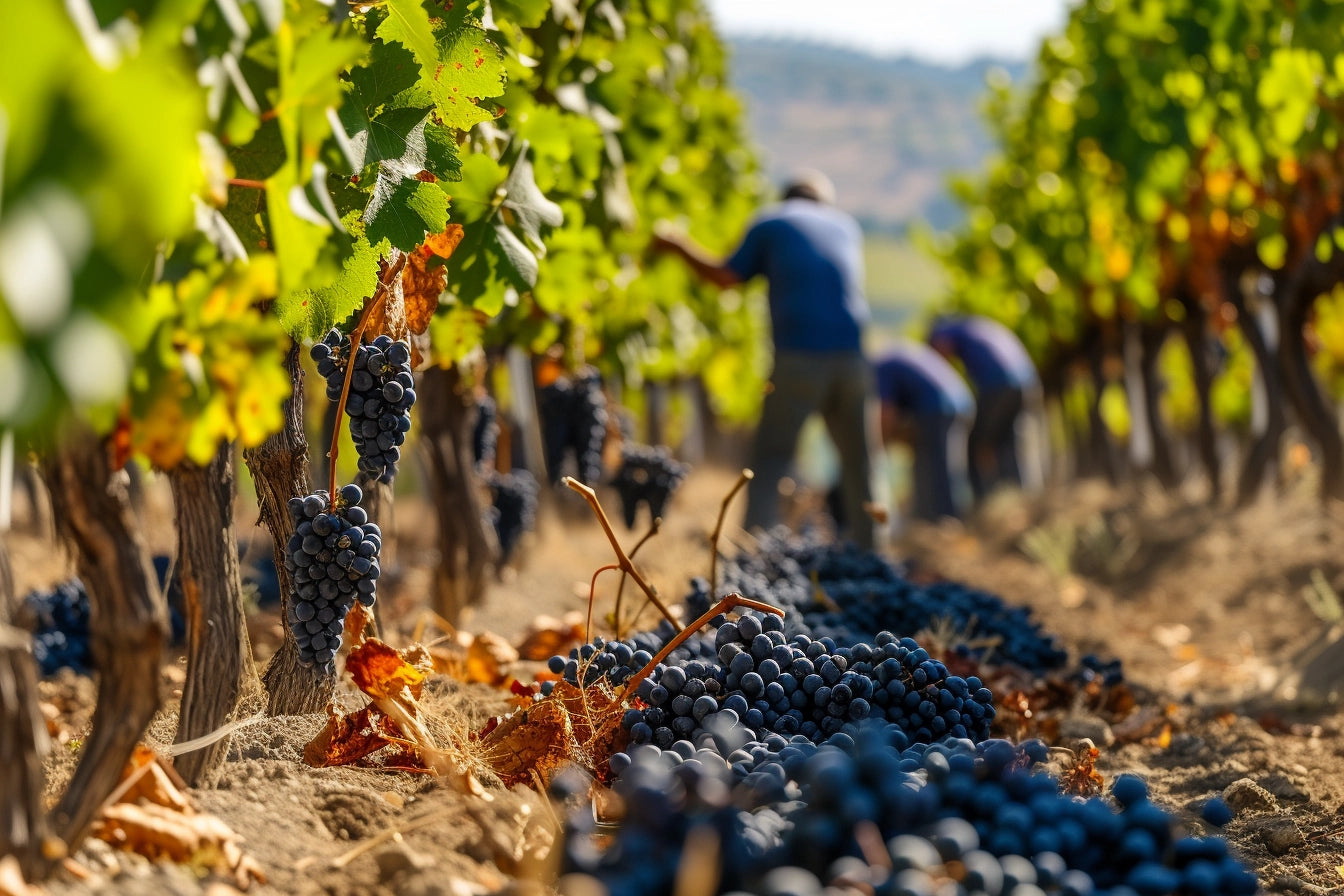
Thanks to its unique microclimate, the region offers excellent conditions for viticulture and continues to attract both traditional and modern winemakers.
A Region to Watch
Mexico’s wine industry is expanding rapidly, with new producers emerging every year. Diverse climates, high-altitude vineyards, and coastal influences create unique conditions for winemaking.
Valle de Guadalupe is often referred to as “Mexico’s Napa Valley”—and for good reason.
The Future of Mexican Wine
With increasing investments, improved technology, and growing international interest, the future looks bright for Mexican wine.
For wine enthusiasts, this means exciting opportunities to explore new regions, flavors, and producers—far beyond the traditional wine countries.