
Louis Roederer as a Champagne producer
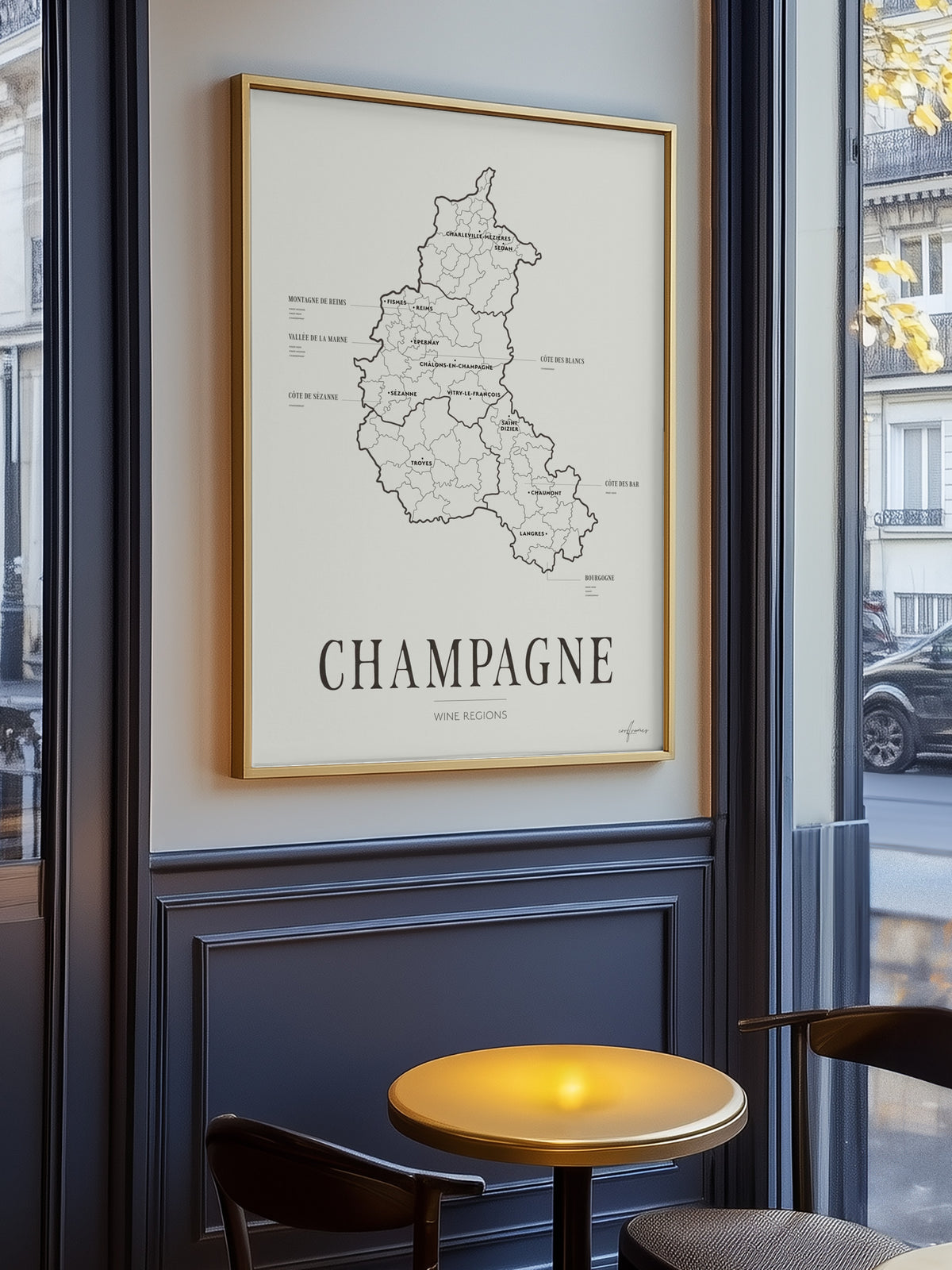
Louis Roederer is a historic Champagne house known for its focus on vineyard expression and long-term quality. Founded in 1776, the house has remained family-owned and has built its reputation on careful site selection, consistent house style, and patience in the cellar.
A key part of Roederer’s approach is close control over grapes and viticulture. The goal is clarity and balance: fruit purity, fine texture, and a structured backbone that supports ageing.
Why Cristal exists
Cristal was created in the late 19th century as a top cuvée made from the house’s best sites. Over time, it became a benchmark for prestige Champagne, recognised for its clean profile, refined mousse, and ability to evolve for many years.
Cristal is made only in vintages that meet the house’s expectations, which keeps the style focused on precision rather than consistency at any cost.
The 2016 vintage in Champagne
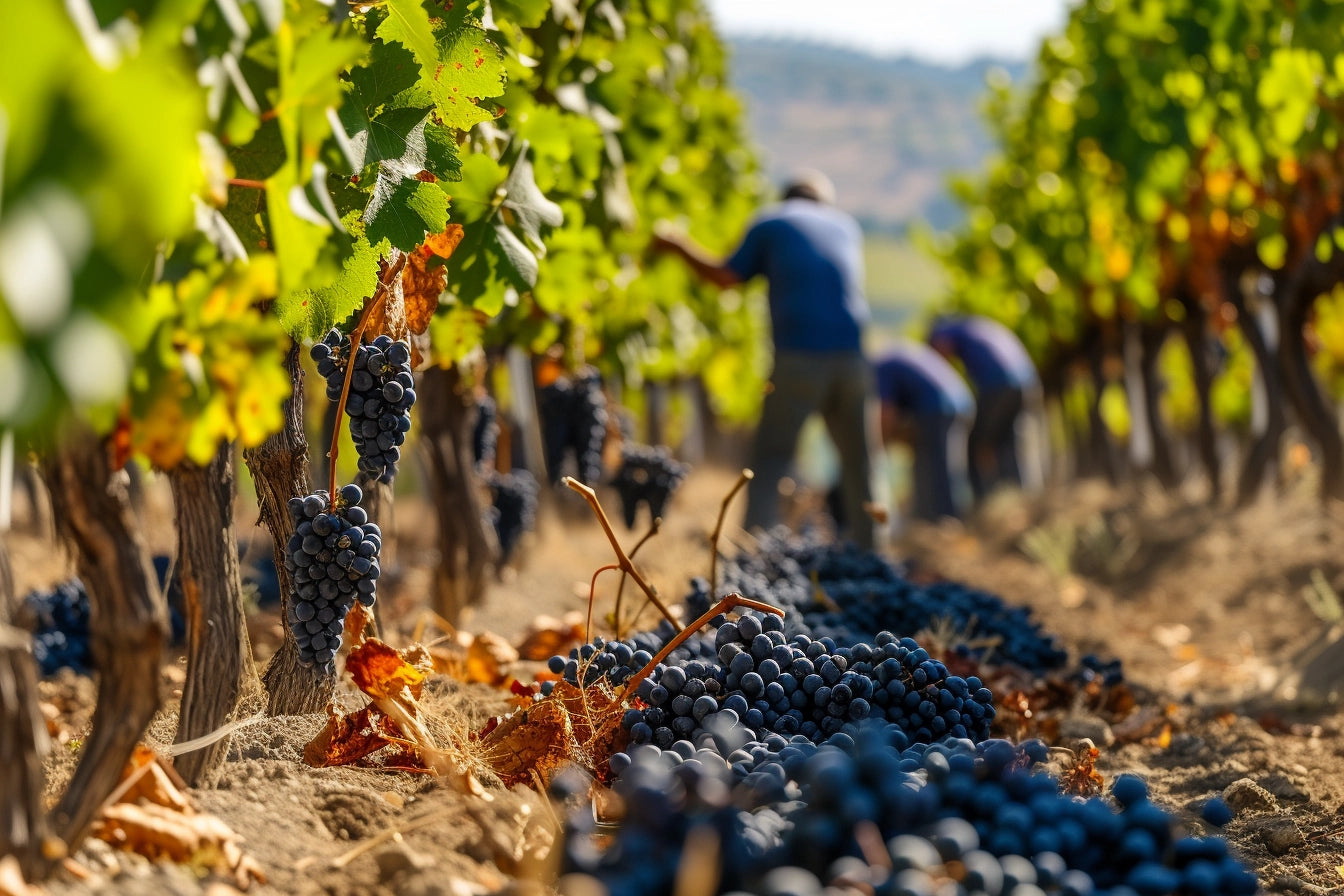
The 2016 growing season was shaped by strong contrasts. Challenging conditions earlier in the year were followed by a warmer, drier period toward harvest, helping grapes reach good ripeness while retaining freshness.
In the glass, 2016 typically leans into a taut, energetic expression: structured, bright, and detailed rather than plush.
Grape blend and style direction
Louis Roederer Cristal 2016 is blended from:
58% Pinot Noir
42% Chardonnay
The blend aims to bring structure and depth from Pinot Noir with lift, precision, and tension from Chardonnay, a combination that supports both immediate finesse and long ageing.
Winemaking choices that shape Cristal 2016
Cristal is defined by deliberate technical decisions that protect freshness and build complexity without losing clarity. For the 2016 vintage, three points matter most:
Partial oak vinification for added texture and layered complexity, kept subtle to avoid overt wood character
No malolactic fermentation, which preserves a straighter, more citrus-driven acidity and a firm, focused profile
A classic Brut dosage level, designed to keep the finish dry, clean, and mineral
Tasting profile: what to look for
Cristal 2016 often shows concentration with restraint, a fine and persistent mousse, and a long, dry finish. Typical markers include:
Aromas of citrus, white flowers, and yellow stone fruit
Hints of toasted notes that can move toward brioche and nuts with air and time
A clear mineral line, often described as chalky or lightly salty in the finish
Overall, the style reads precise and elegant, with energy, length, and a strong sense of structure.
Serving Cristal 2016
Temperature: 8–10°C is a reliable range to highlight both aroma and texture.
Glassware: a tulip Champagne glass or a narrower white-wine glass brings more aromatic detail than a traditional flute.
Time in the glass: Cristal 2016 benefits from a short moment to open up. Pour, pause for a minute, then taste as it develops.
Food pairings that suit Cristal 2016
Cristal 2016 works best with clean flavours, natural salinity, and refined textures that echo the wine’s acidity and mineral drive. Strong matches include:
Oysters, scallops, lobster, and other shellfish
Lightly cooked or raw fish with citrus, fennel, roe, or butter-based sauces
Veal or poultry with delicate sides, mushrooms, or browned butter
Aged hard cheeses in small portions, where umami and salt meet the wine’s tension
If you want the details to shine, avoid very hot chilli heat or heavily sweetened glazes that can overwhelm the wine’s precision.
Ageing potential: drink now or cellar?
Cristal is built for ageing, and 2016 has the structure to evolve beautifully. With time, the profile typically shifts toward more pastry, nut, and savoury complexity while the mineral backbone keeps the expression fresh and linear.
Store bottles cool, dark, and at a stable temperature, ideally lying down.
Why Cristal 2016 is a vintage to follow
Cristal 2016 captures what Louis Roederer aims for at the highest level: purity, tension, and controlled power. For those who like a dry, mineral, fine-boned prestige Champagne that performs at the table and rewards cellaring, 2016 is a compelling bottle to open now or track over the years.