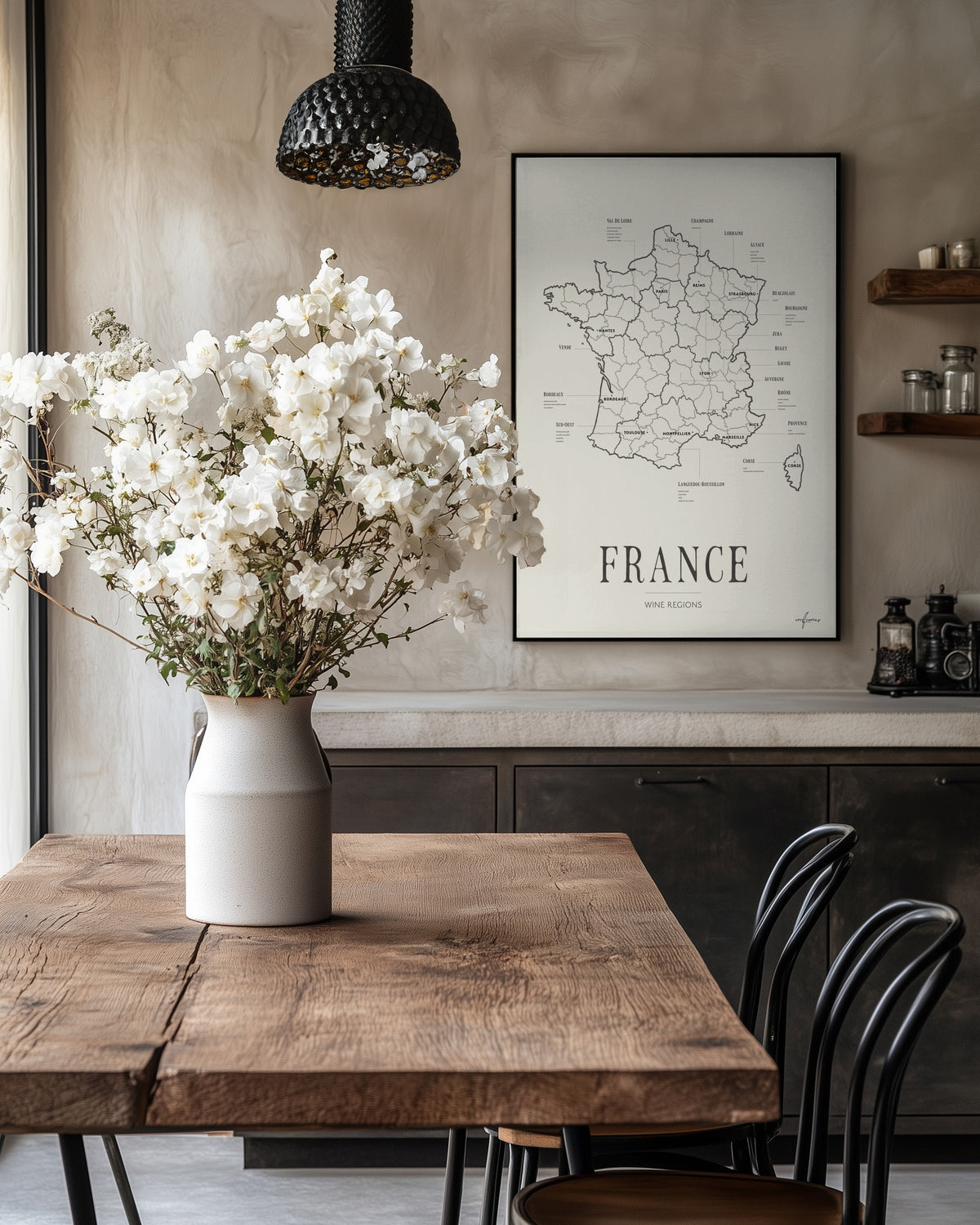

As global wine markets evolve, enthusiasts are increasingly looking beyond the traditional strongholds of Bordeaux and Burgundy. Recent Alsace Pinot Noir trends indicate a significant shift in consumer preference toward the French-German border, where winemakers are producing high-quality reds that rival their prestigious neighbors at a more accessible price point.
Simultaneously, indigenous varieties from the Balkans are capturing the attention of international critics and judges.
The Emergence of Alsace as a Pinot Noir Powerhouse
For decades, Alsace was primarily recognized for its aromatic white wines, such as Riesling and Gewürztraminer. However, changing climatic conditions and a renewed focus on viticulture have allowed the region to produce world-class Pinot Noir. Unlike the often prohibitive costs associated with Burgundy, Alsace offers a compelling alternative for those seeking finesse and complexity.
These wines are typically characterized by vibrant red fruit notes, balanced acidity, and a lighter body, making them exceptionally versatile for food pairings. In an editorial context, they represent a "best-kept secret" for hosts looking to serve sophisticated bottles without the overhead of Grand Cru labels.
Indigenous Grapes: A Banner Year for the Balkans
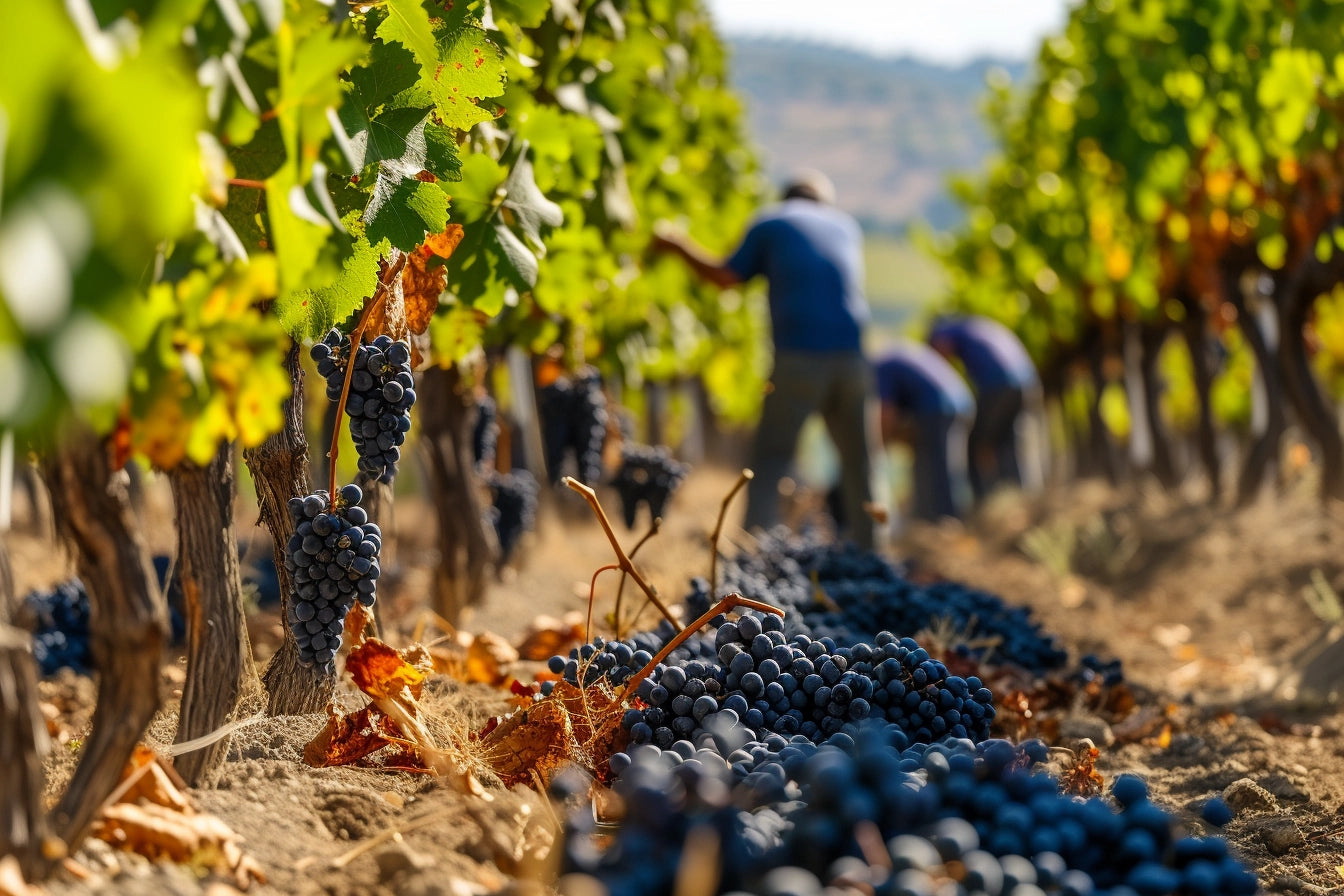
While France continues to innovate, the Balkan Peninsula is experiencing a renaissance of its own. At recent international competitions, including the Decanter World Wine Awards (DWWA) 2026, indigenous grapes have led the charge. Varieties such as Plavac Mali and Graševina are no longer localized curiosities but are dominating award categories.
The success of these native varieties reflects a growing demand for authenticity and distinct regional character. Wine lovers are moving away from international staples like Merlot in favor of grapes that tell a story of their specific terroir. This surge in popularity makes Balkan wines a perfect conversation starter for a summer dinner or a casual gathering around the grill.
Pairing for the Modern Table
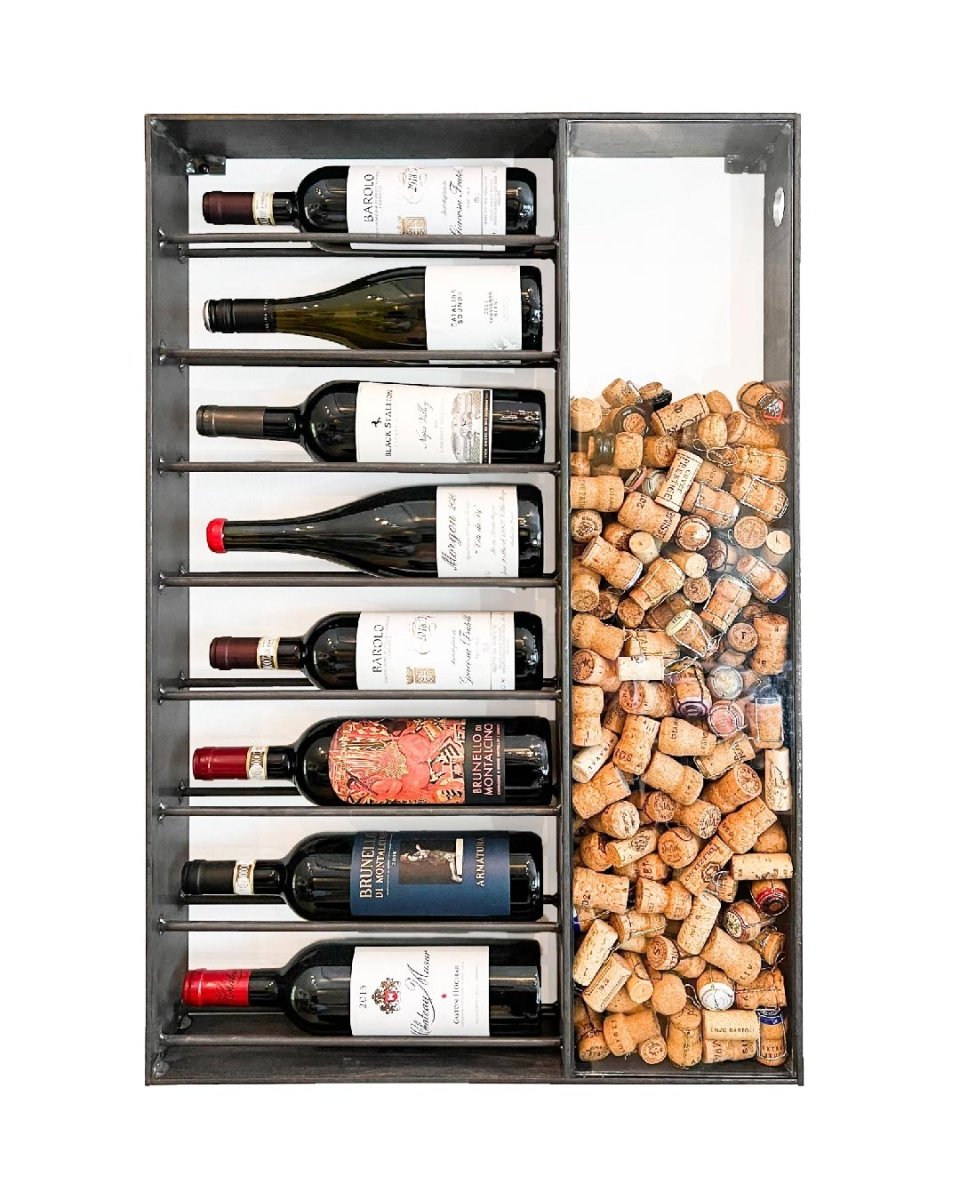
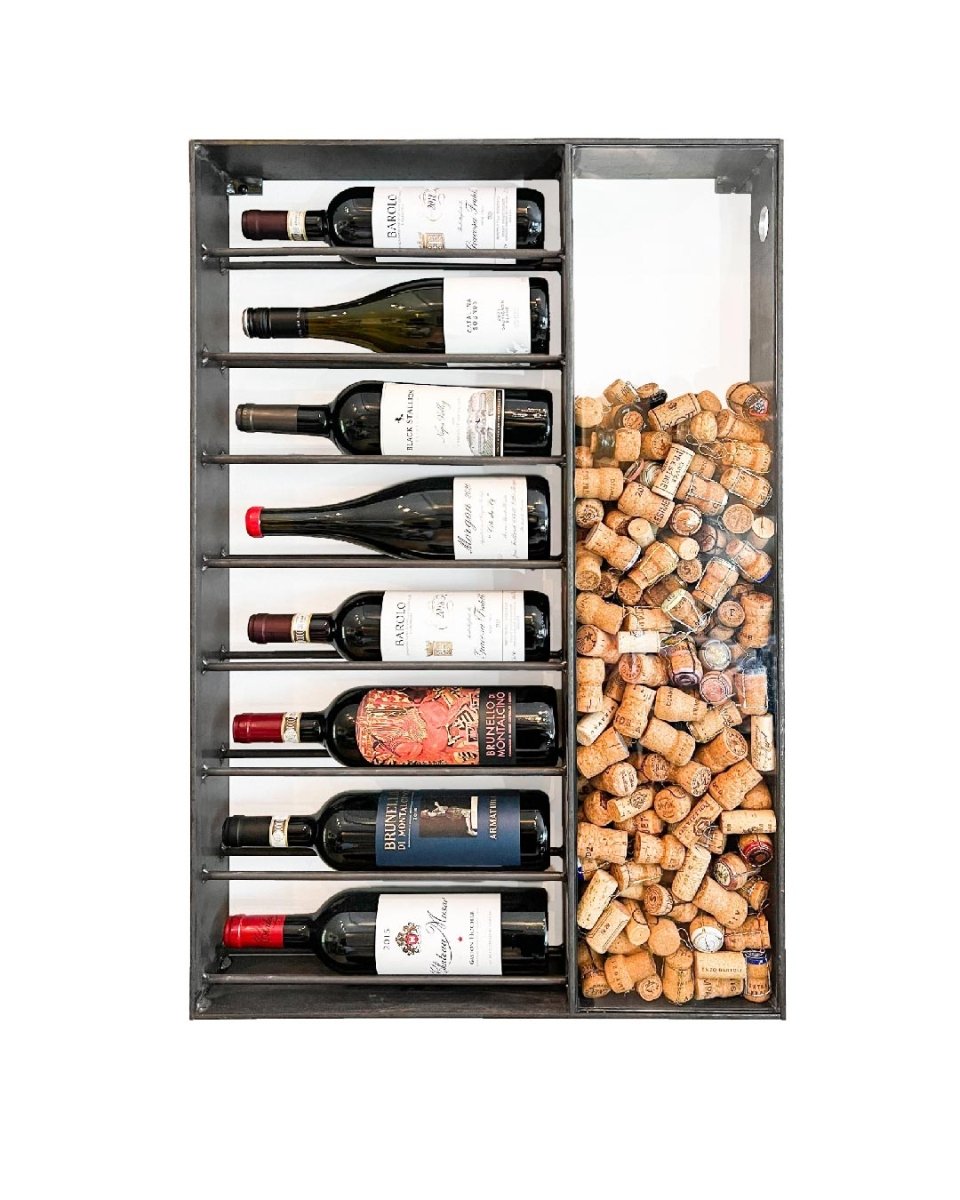
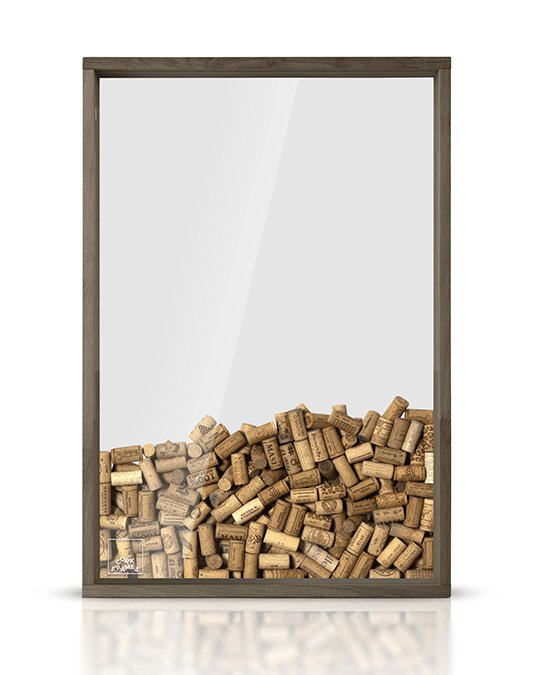
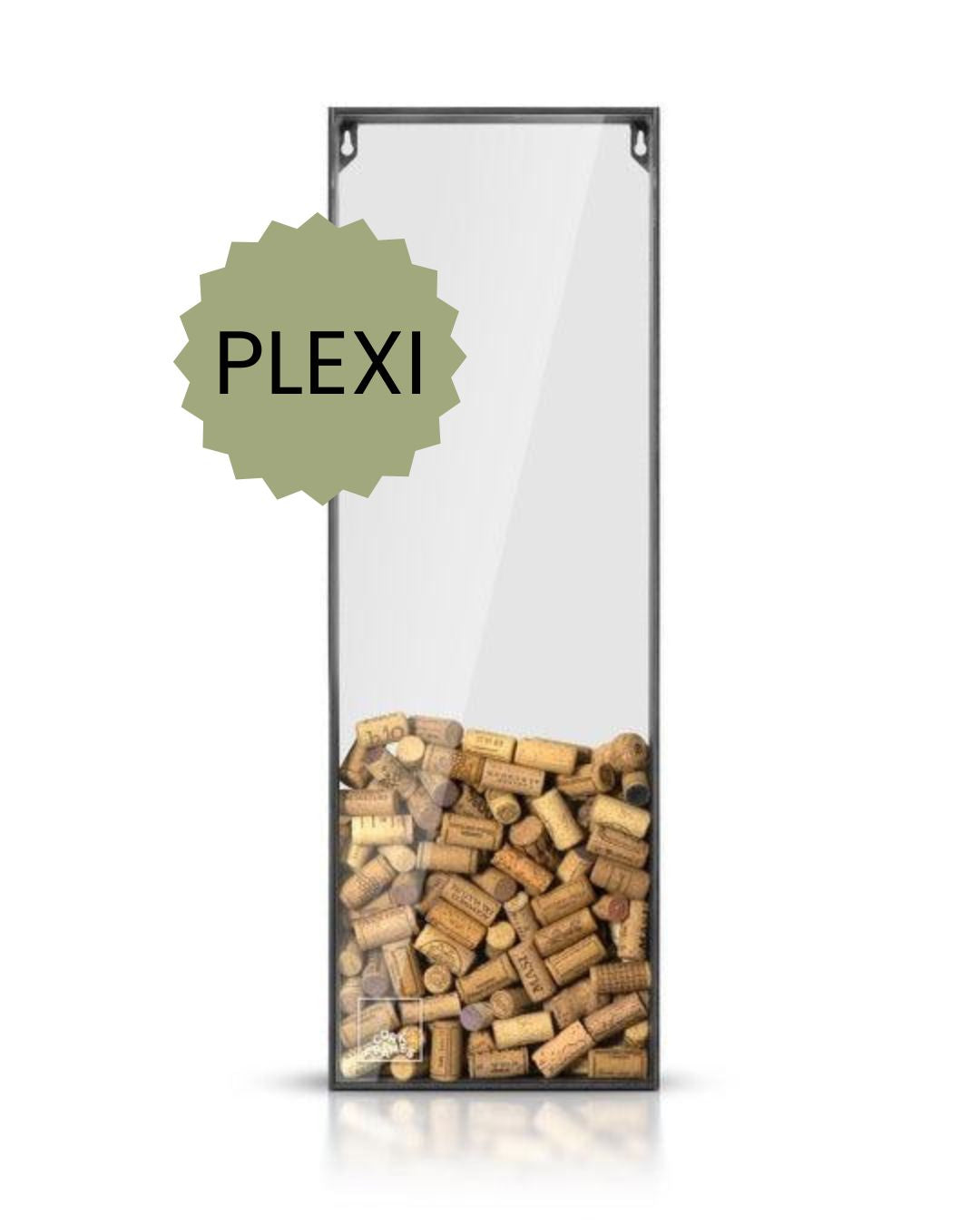
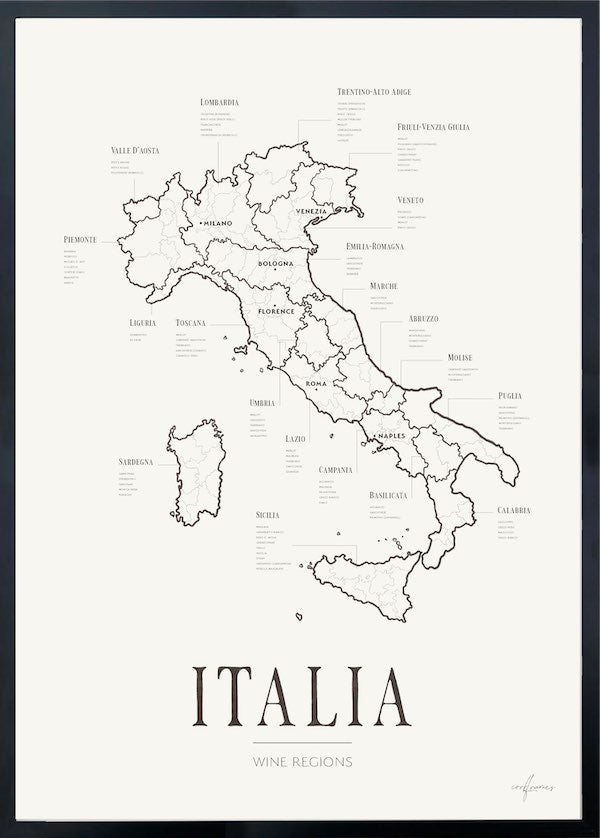
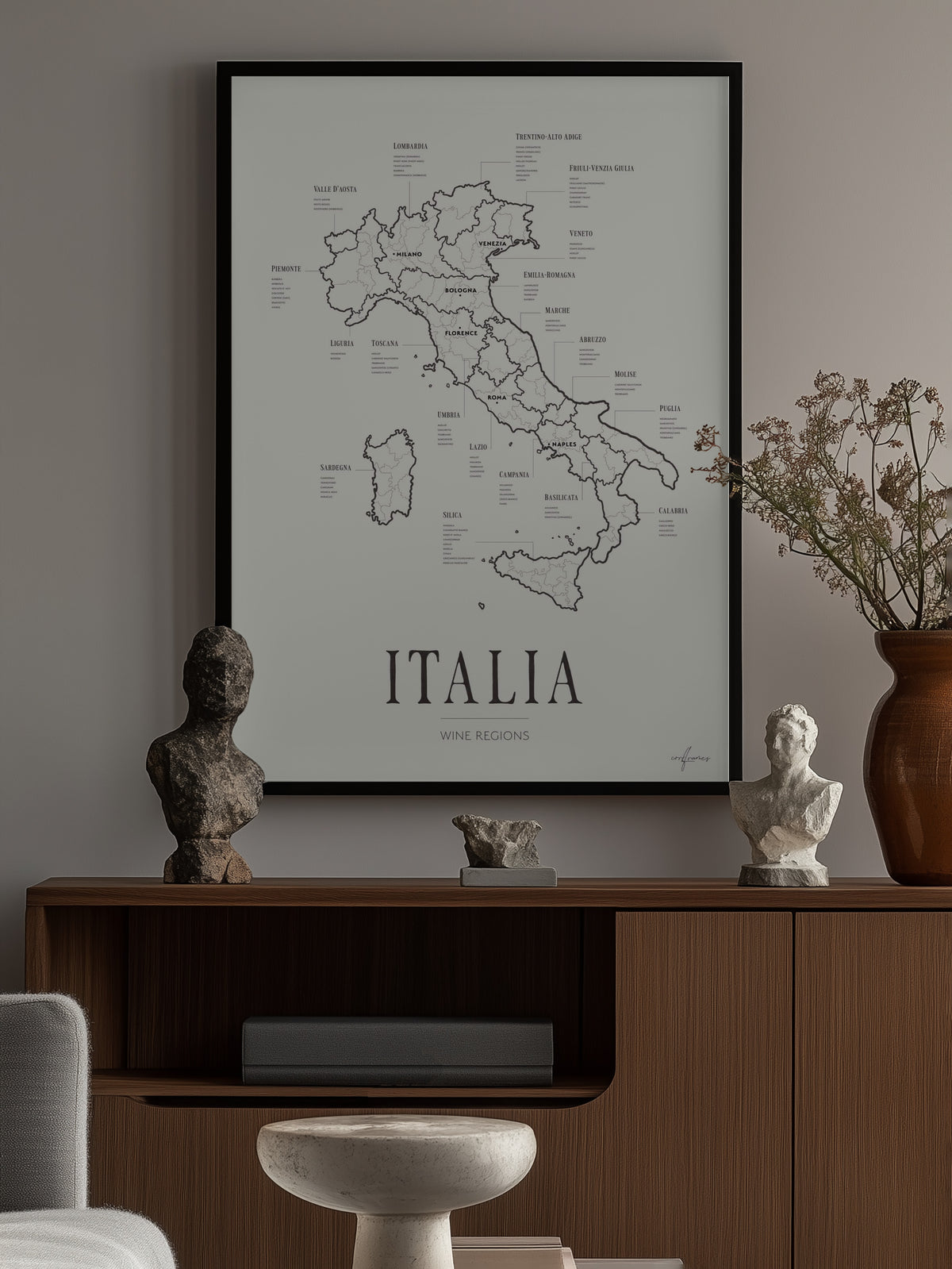
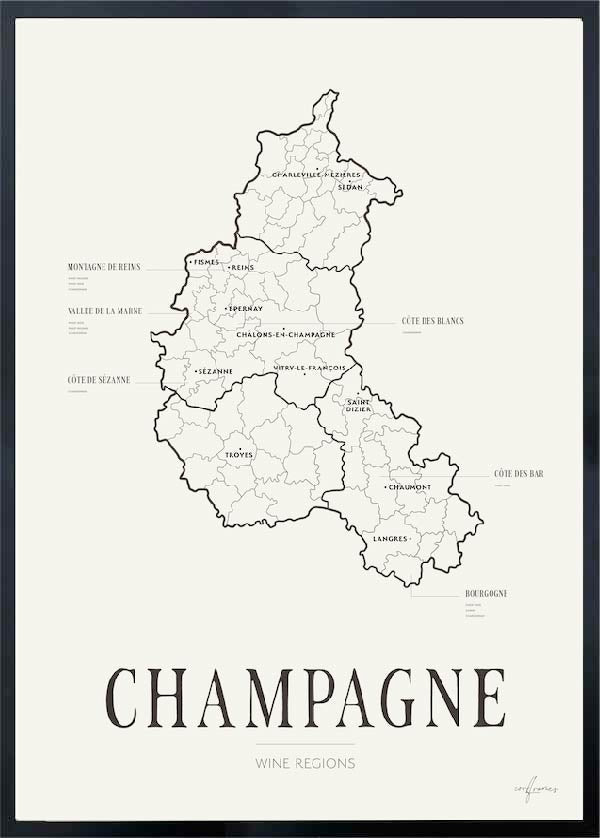
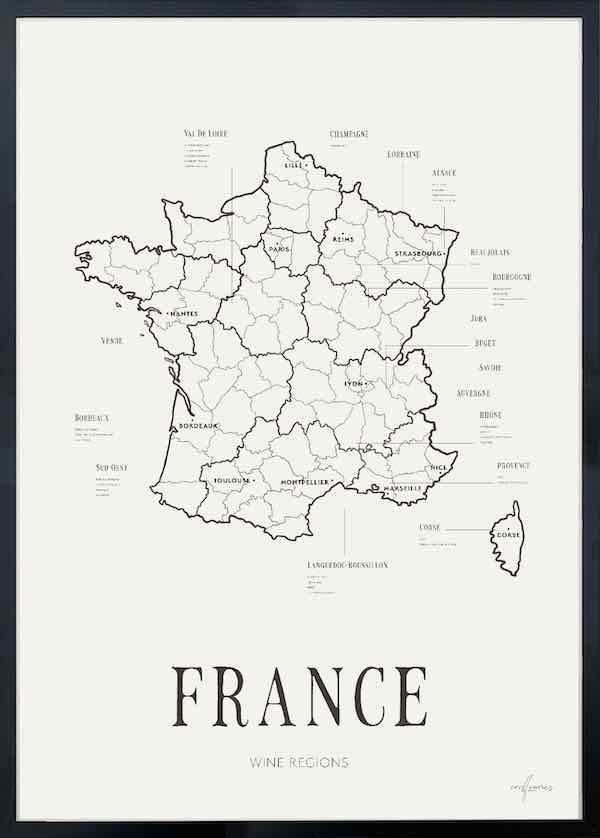
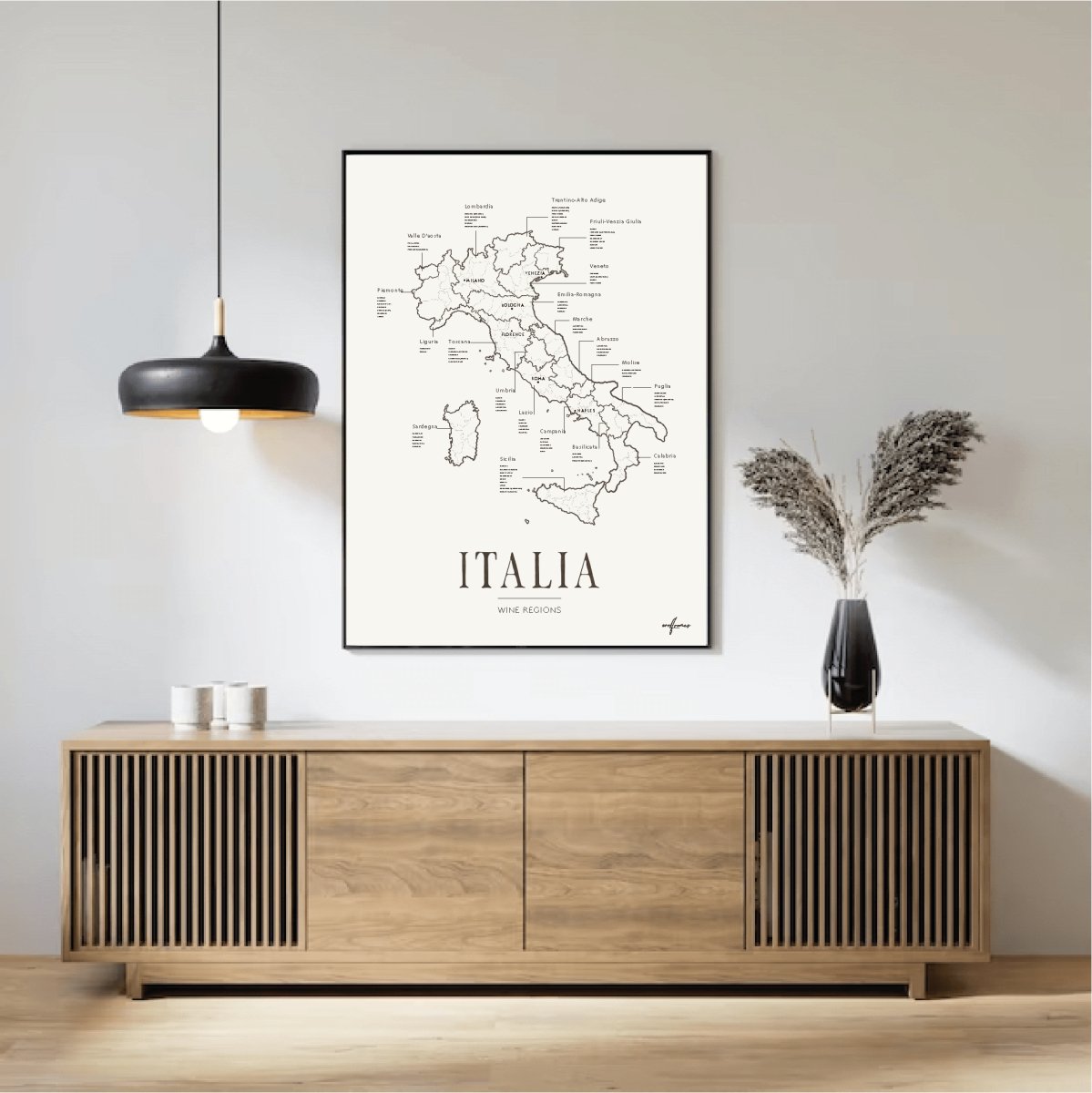
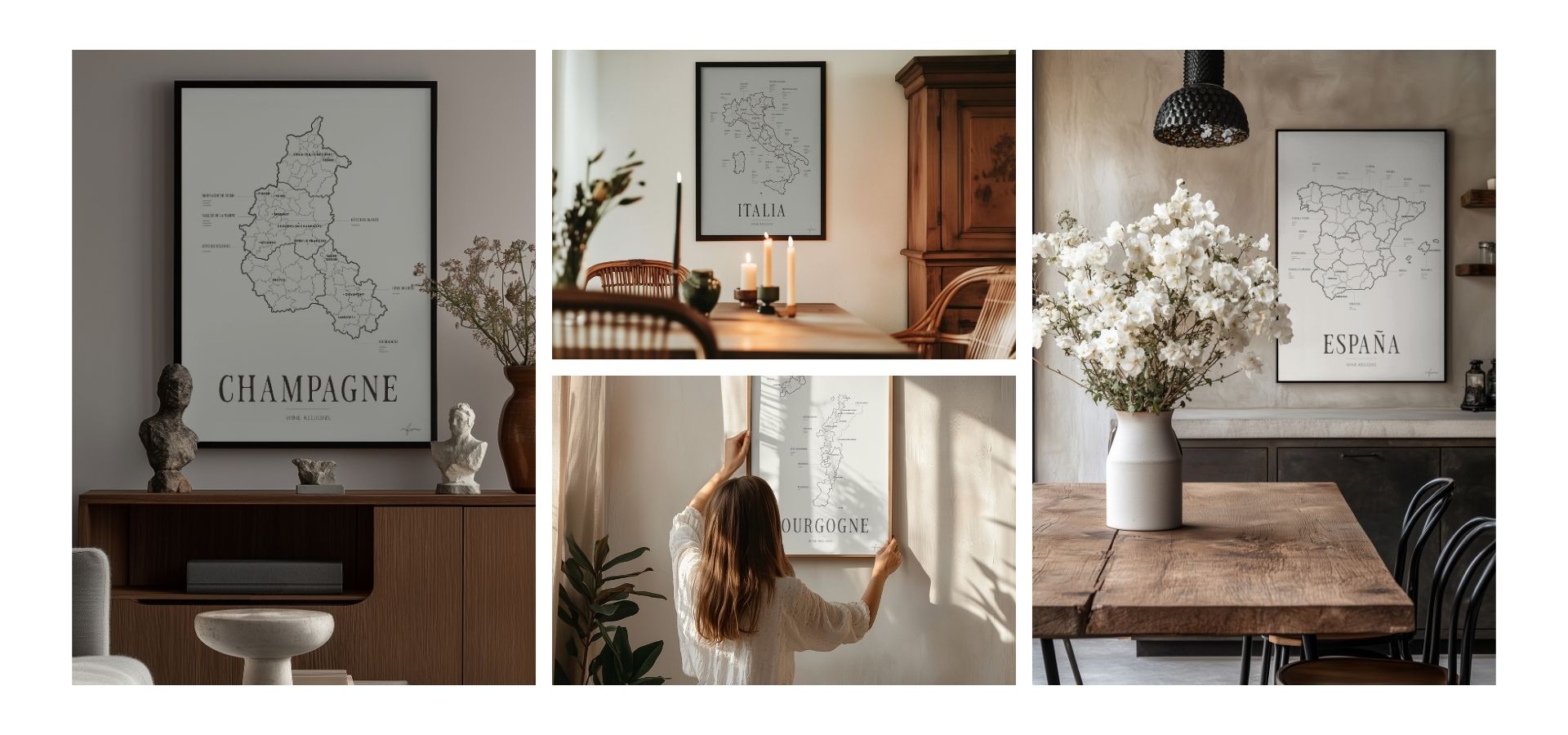
When planning your next event, consider how these lighter, high-acid reds can complement a variety of flavors. Whether you are using professional-grade stainless steel grills or preparing a structured indoor dinner, the versatility of these regions is unmatched. To keep track of your favorite discoveries from these emerging regions, many collectors use a wine map or specialized storage solutions to organize their cellar.
Consider these pairing options for your next gathering:
Alsace Pinot Noir: Ideal with cedar-plank salmon, grilled poultry, or earthy mushroom dishes.
Plavac Mali: A robust choice for grilled red meats and spicy Mediterranean stews.
Graševina: A crisp companion for fresh seafood and seasonal vegetable platters.