

When it comes to French wine, few regions are as iconic—or as different—as Burgundy and Bordeaux. While both produce some of the world’s most celebrated wines, the differences in grape varieties, winemaking philosophy, and flavor profiles are significant.
Understanding these distinctions can help you choose the right bottle for the right occasion—and deepen your appreciation for French wine.
Grape Varieties
The most fundamental difference lies in the grapes used:
-
Burgundy wines are typically made from a single grape variety:
-
Red: Almost exclusively Pinot Noir
-
White: Nearly always Chardonnay
-
-
Bordeaux wines are usually blends:
-
Red: Predominantly Cabernet Sauvignon and Merlot, often combined with smaller amounts of Cabernet Franc, Petit Verdot, or Malbec
-
White: Usually a mix of Sauvignon Blanc and Sémillon
-
Flavor Profiles
The wines from these regions express very different flavor characteristics:
-
Burgundy (Pinot Noir):
-
Typically lighter in body, with high acidity and refined flavors of red berries (like cherry and raspberry), earthy undertones, and sometimes a hint of spice.
-
Highly expressive of terroir—the unique qualities of the vineyard site.
-
-
Bordeaux (Cabernet Sauvignon & Merlot blends):
-
Fuller-bodied, with bold tannins and deeper flavors such as blackcurrant, plum, tobacco, and cedar.
-
Often more structured and age-worthy than Burgundy.
-
Terroir and Philosophy
-
Burgundy is all about terroir. The region is divided into small plots, and each vineyard can have its own appellation. Wines are typically made from a single grape variety, and producers aim to let the characteristics of the land shine through.
-
Bordeaux, on the other hand, focuses more on the château (estate) and the art of blending. Winemakers often craft their wines by combining multiple grape varieties to achieve a consistent house style, rather than emphasizing the nuances of a specific plot.
Geography
-
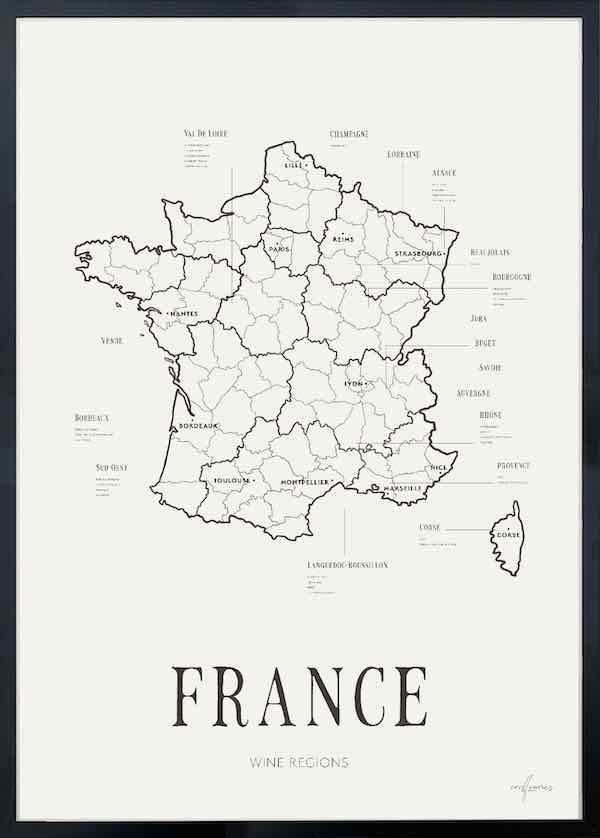
Burgundy is located in eastern France, with a cooler continental climate.
-
Bordeaux lies in the southwest, near the Atlantic Ocean, with a milder maritime climate.
Food Pairing
-
Burgundy wines are ideal with poultry, mushrooms, and more delicate meats.
-
Bordeaux wines pair well with richer dishes like grilled meats, lamb, and game.
A Simple Way to Remember It
Burgundy = elegance and finesse
Bordeaux = power and structure
Both regions offer exceptional wines, but your choice depends on what you’re eating, your taste preferences, and the occasion.